Launch and Landing: Two Rovers, One Goal
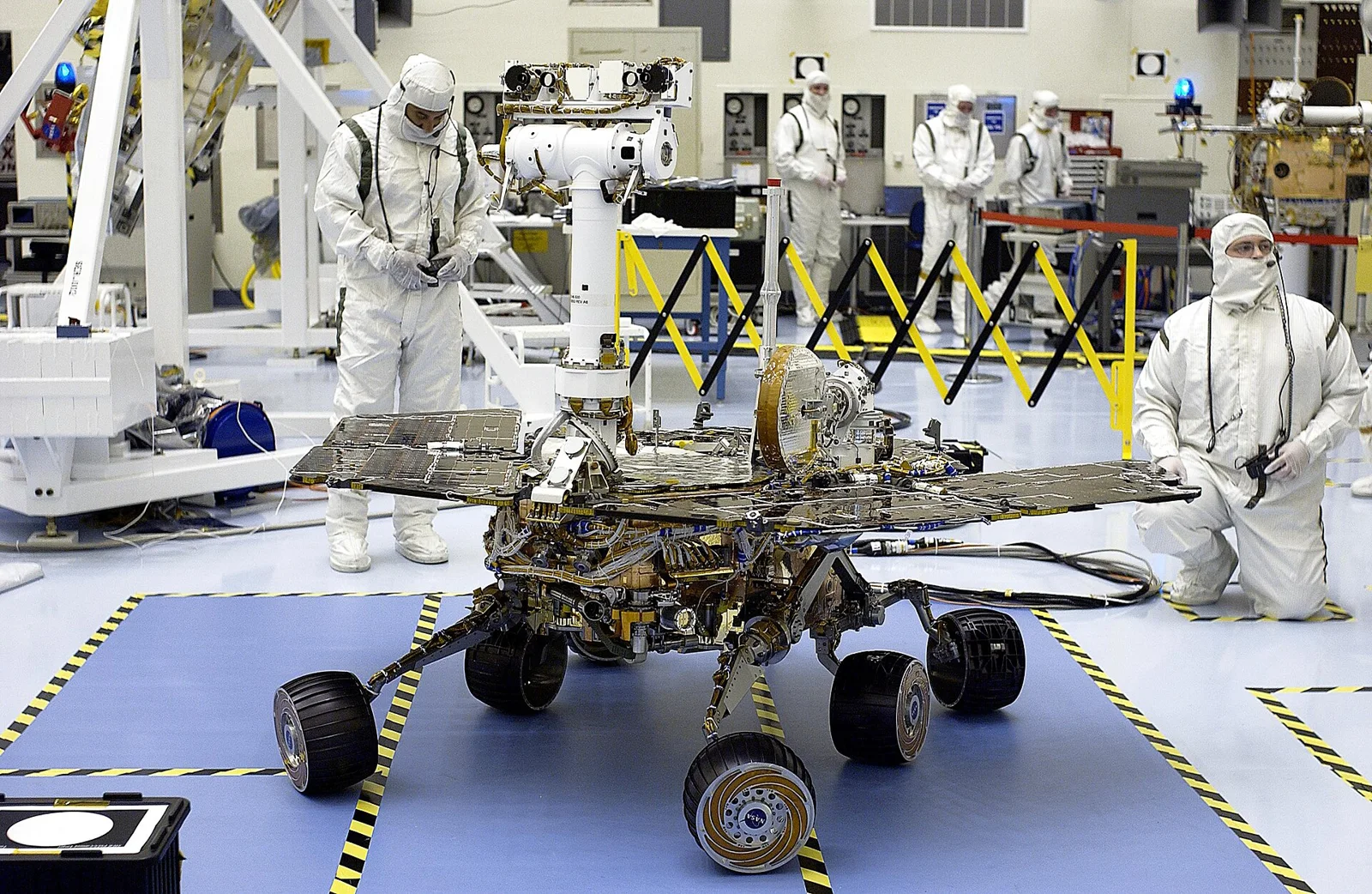
In 2003 NASA sent twin rovers to the Red Planet on Delta II rockets from Cape Canaveral. Spirit (MER‑A) lifted off on June 10 and Opportunity (MER‑B) on July 7, each riding a slightly different version of the launch vehicle to reach Mars. Both touched down in January 2004 at separate equatorial sites: Gusev Crater for Spirit and Meridiani Planum for Opportunity. The landings were celebrated worldwide, marking the start of a mission that would far outlast its 90‑sol (Martian day) primary timeline.
Scientific Objectives: Searching for Water’s Footprints
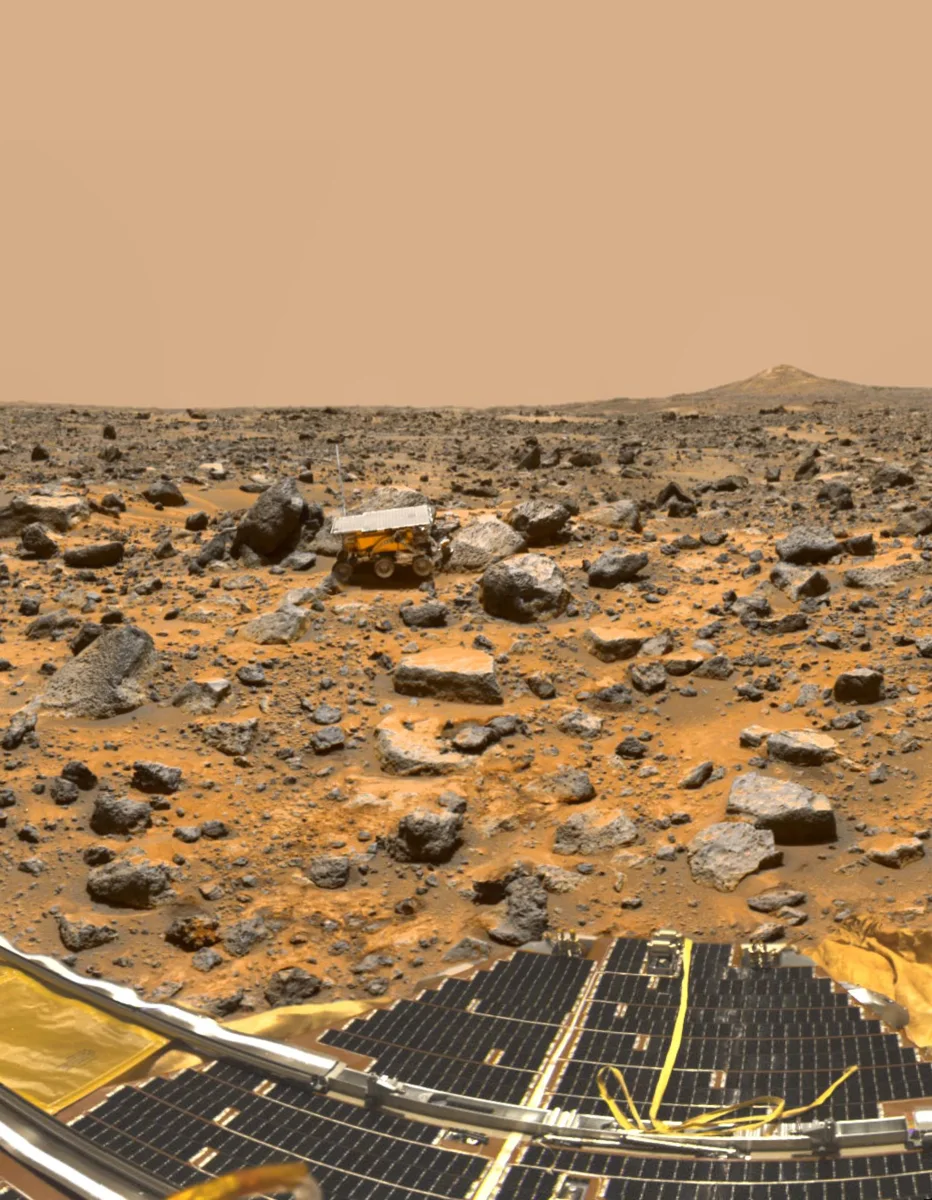
The rovers were tasked with uncovering clues about ancient water on Mars. Scientists aimed to: - Identify rocks and soils that formed in the presence of liquid water, such as those containing iron‑bearing carbonates or evaporite minerals. - Map the distribution and composition of minerals around the landing sites. - Decode the geological processes—like sedimentation, volcanic activity, or wind erosion—that shaped the terrain. - Validate observations from orbiting assets, especially the Mars Reconnaissance Orbiter, by providing ground‑truth measurements. These goals were rooted in the broader Mars Exploration Program, which previously succeeded with Viking and Pathfinder missions.
Major Discoveries: Evidence of Ancient Lakes and Shores
Opportunity’s early work at Meridiani Planum revealed layered rock outcrops with cross‑bedding, a pattern that on Earth typically forms in flowing water. In March 2004, scientists announced that the rover had found mineral signatures—particularly sulfates and chlorides—consistent with a once‑salty sea that had evaporated. Meanwhile, Spirit’s trek up the Columbia Hills uncovered silica‑rich rocks, another indicator of prolonged water interaction. These findings reshaped our understanding of Mars as a planet that once hosted habitable environments, sparking renewed interest in the search for past life.
Mission Extensions: From Months to Years
After the initial 90‑sol window, NASA repeatedly extended the rovers’ operations. The first extension, announced in April 2004, added five months and extra funding. Subsequent extensions pushed Spirit’s mission to March 2010 and Opportunity’s to June 2018—well beyond the original budget of US$820 million for design, launch, and the primary mission. Each extension required careful budgeting; the first four added $104 million, while the final extension cost at least $20 million. The rovers’ longevity allowed them to travel far beyond their landing sites, with Opportunity covering over 45 kilometers before its final contact.
Engineering Triumphs and Challenges
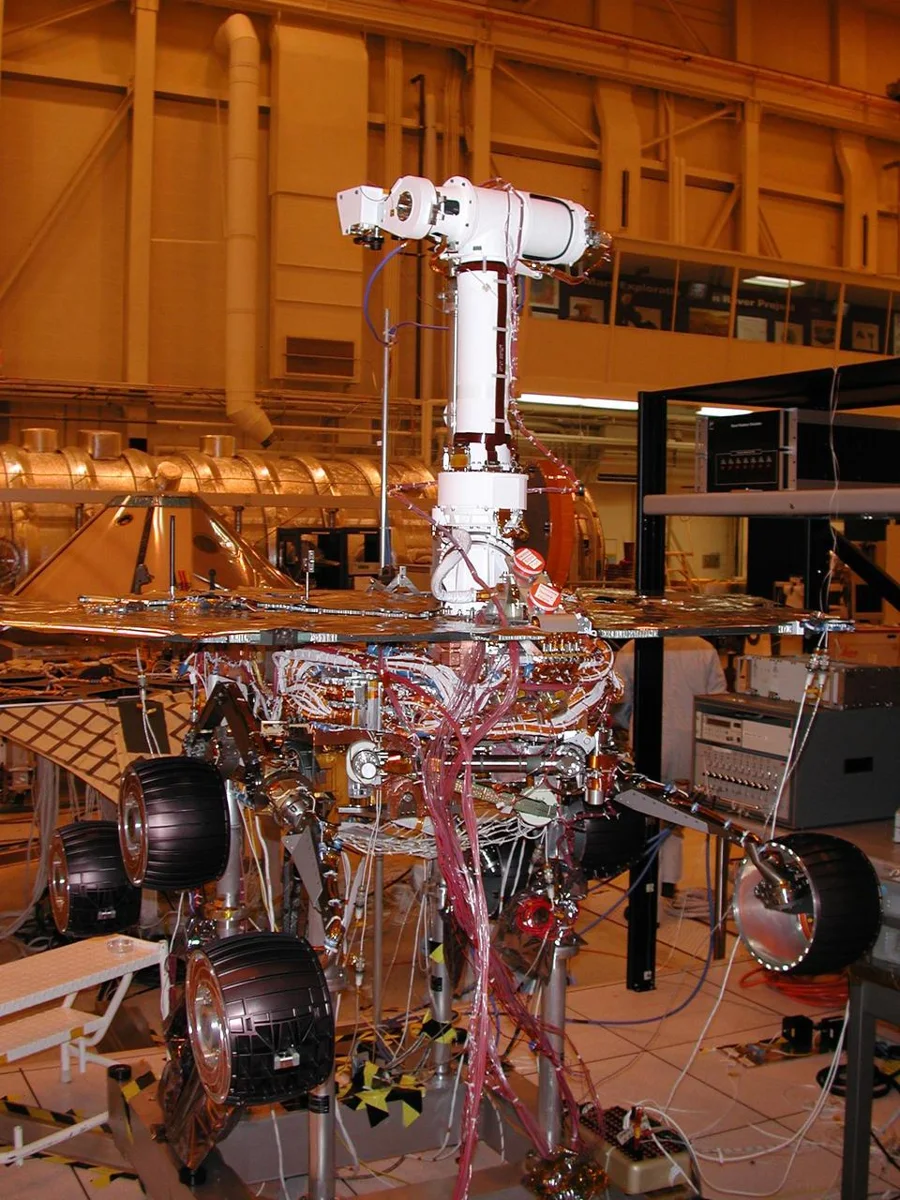
Both rovers were built by NASA’s Jet Propulsion Laboratory, which also operated them on the surface. Early in the mission, Spirit experienced a flash‑memory glitch that halted scientific work for ten days. Engineers patched the software and reformatted the memory, restoring functionality. This quick fix demonstrated the robustness of the rover’s design and the value of having interchangeable software updates for both machines. Power was supplied by solar panels, which proved reliable for many years but eventually succumbed to dust accumulation and seasonal darkness. Spirit’s final loss in 2010 was linked to a dust storm that depleted its batteries, while Opportunity’s signal faded after a massive dust event in 2018.
Legacy and Influence on Future Exploration
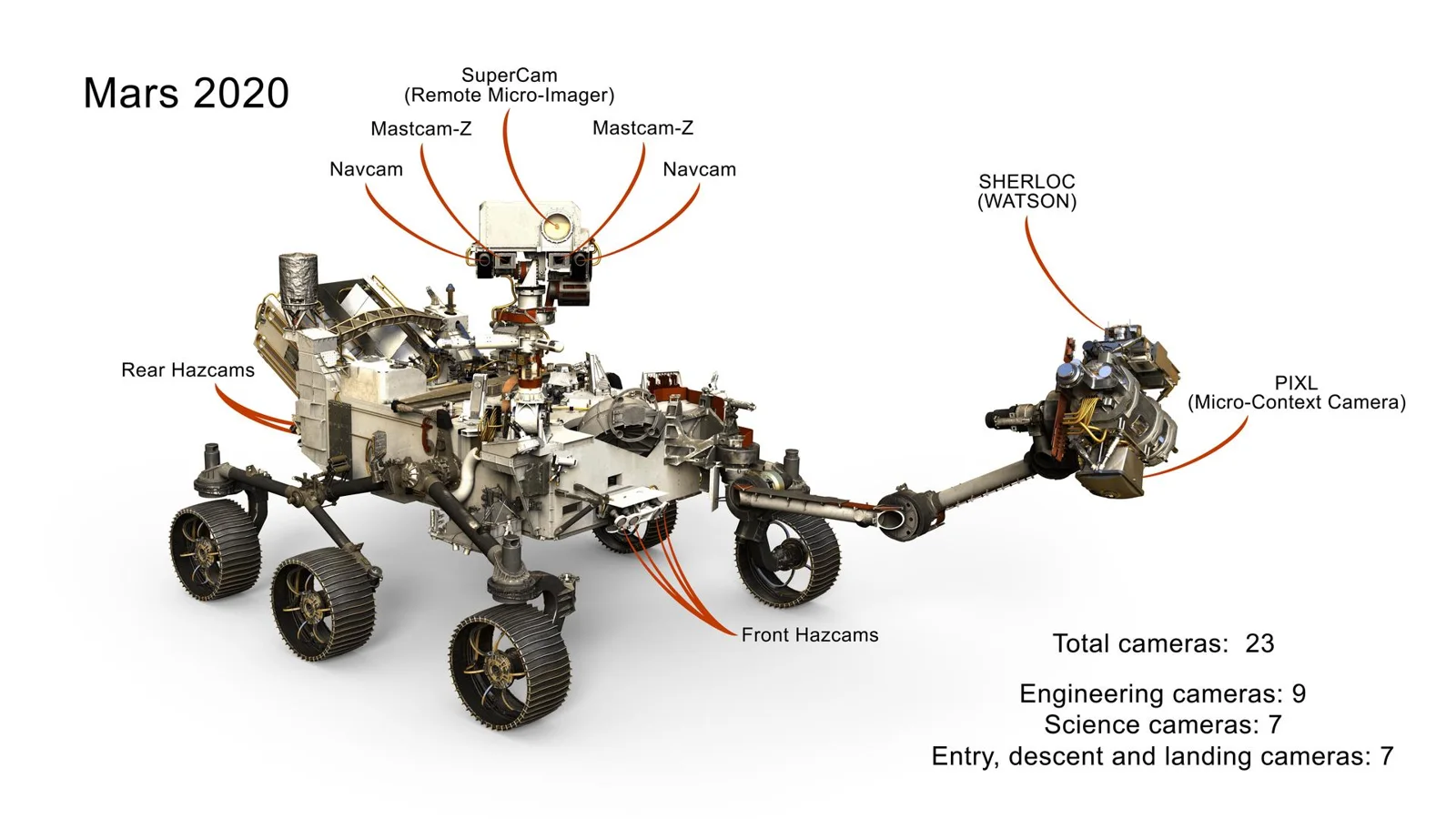
The MER mission contributed a wealth of data that continues to inform current Mars projects. The mineral maps and geological context provided by Spirit and Opportunity helped shape landing site selections for later rovers like Curiosity and Perseverance. Moreover, the mission’s success demonstrated that small, relatively low‑cost rovers could achieve high‑impact science, influencing the design of future commercial and international missions. Two asteroids—37452 Spirit and 39382 Opportunity—were named in honor of the rovers, cementing their place in both planetary science and popular culture.
Connecting Past Water to Future Food on Mars
Understanding where water once existed is crucial for today’s plans to grow food on Mars, including experiments with mushroom cultivation that could one day supply nutrition for explorers on the Red Planet.
Sources
This article was prepared with AI assistance from the sources listed above and approved by the Mushroom 2 Mars team before publication.