Landing Precision in Gale Crater
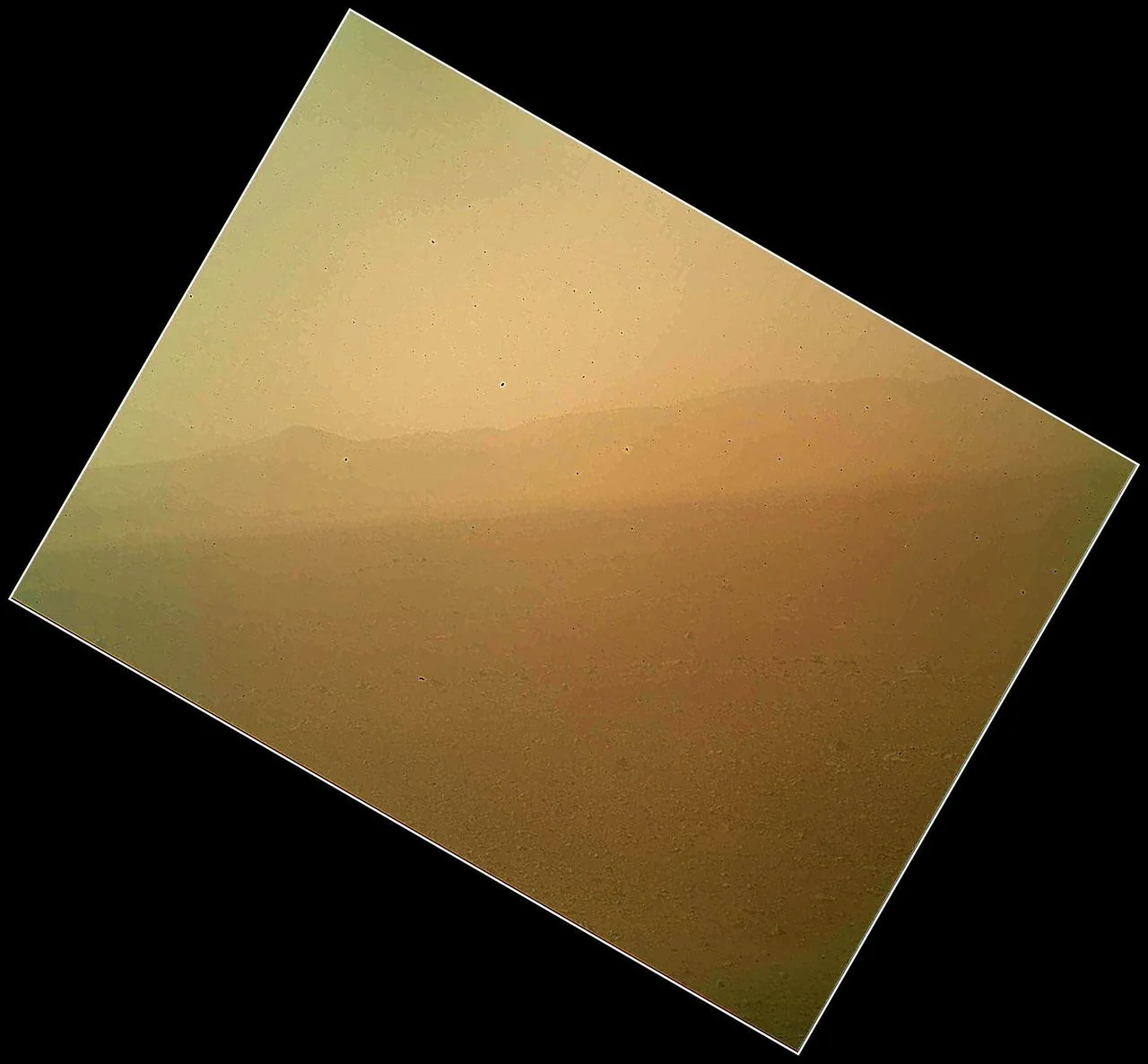
The Mars Science Laboratory (MSL) touched down on August 6 2012, delivering the Curiosity rover to the Aeolis Palus plain inside Gale Crater. The entry‑descent‑landing (EDL) system achieved a record‑setting accuracy, landing within a 7 km × 20 km ellipse and only about 2.4 km east and 400 m north of the planned target. This spot lies at the foot of the towering Aeolis Mons, commonly called “Mount Sharp,” providing a diverse geological laboratory for the rover’s investigations.
Mission Architecture and Cost
MSL is part of NASA’s long‑running Mars Exploration Program, managed by JPL (Caltech). The total program cost was roughly US$2.5 billion. At launch the spacecraft weighed 3,893 kg, comprising a cruise stage, a massive heat‑shield‑and‑parachute EDL system, and the 899 kg Curiosity rover. The rover’s power comes from a multi‑mission radioisotope thermoelectric generator (MMRTG), allowing continuous operation regardless of solar illumination.
Scientific Goals: From Habitability to Radiation
The mission was built around four overarching goals: assess past habitability, study climate and geology, and gather data to support future human missions. To meet these, eight specific objectives were defined, ranging from inventorying organic carbon and key life‑building elements (C, H, N, O, P, S) to characterizing surface radiation. Notably, the Radiation Assessment Detector (RAD) continues to monitor cosmic rays, solar particle events, and secondary neutrons—information crucial for protecting astronauts on later missions.
Key Instruments and the MEDLI Experiment
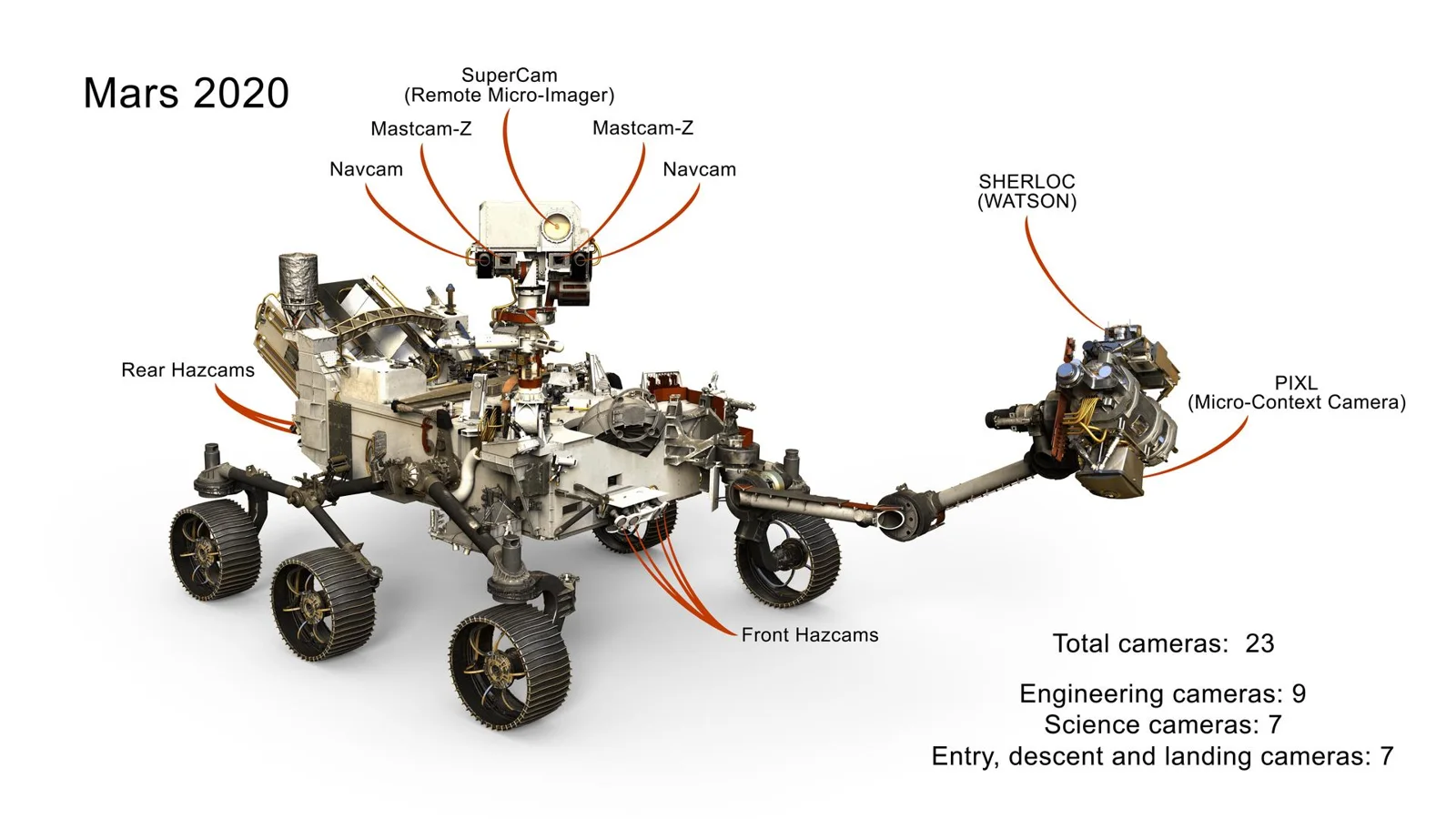
Curiosity carries a suite of instruments designed by an international team. Among them, the Mars Entry Atmospheric Data and Lander Instrumentation (MEDLI) was mounted on the heat shield during descent. MEDLI recorded aerothermal conditions, heat‑shield material response, and atmospheric density, providing real‑world data to refine models for upcoming landers. On the surface, tools such as the Sample Analysis at Mars (SAM) laboratory and the Chemistry and Camera (ChemCam) laser‑induced breakdown spectrometer analyze rocks and soils for organic compounds and mineralogy.
Rover Computing and Navigation
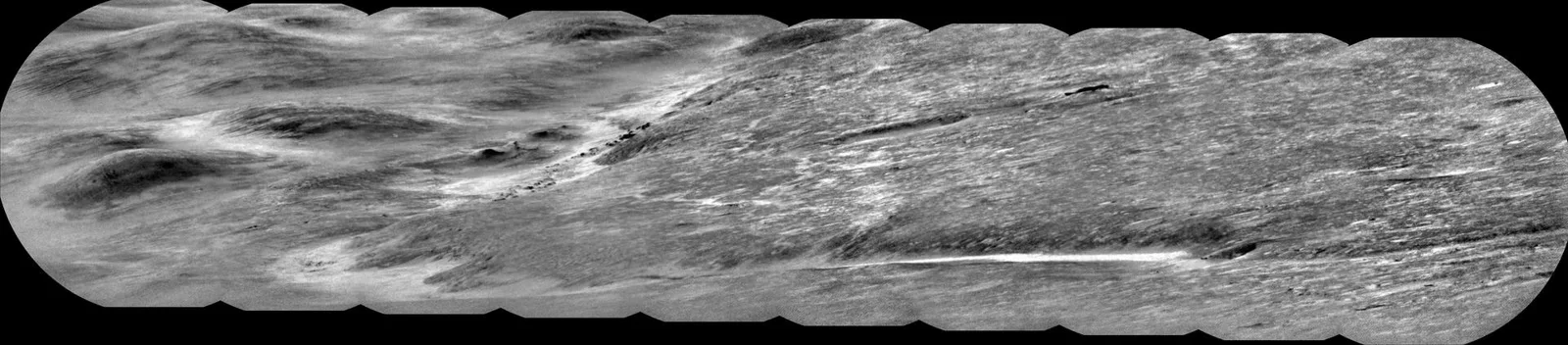
Curiosity’s two identical Rover Compute Elements (RCE) use radiation‑hardened RAD750 CPUs running at 200 MHz, delivering up to 400 MIPS—far more processing power than the earlier Spirit and Opportunity rovers. Each computer holds 256 KB EEPROM, 256 MB DRAM, and 2 GB flash storage, with one acting as a backup. An inertial measurement unit (IMU) supplies three‑axis position data, enabling the rover’s six‑wheel rocker‑bogie system to traverse up to 90 m per hour across rugged terrain. All operations are coordinated through command sequences sent from mission control, while the onboard VxWorks real‑time OS manages temperature regulation and self‑diagnostics.
Legacy and Future Connections
More than a decade after launch, Curiosity continues to enrich our picture of Mars. Its findings on ancient lake environments, diverse mineral deposits, and fluctuating atmospheric conditions suggest that early Mars may have once supported microbial life. These insights feed directly into the planning of human habitats, where lessons from Curiosity’s radiation measurements and resource assessments will guide life‑support designs. For the Mushroom 2 Mars community, understanding how Martian soils retain organics and manage radiation helps envision how cultivated fungi might one day grow under protective habitats on the Red Planet.
Sources
This article was prepared with AI assistance from the sources listed above and approved by the Mushroom 2 Mars team before publication.