A Historic Lift‑Off from Tanegashima
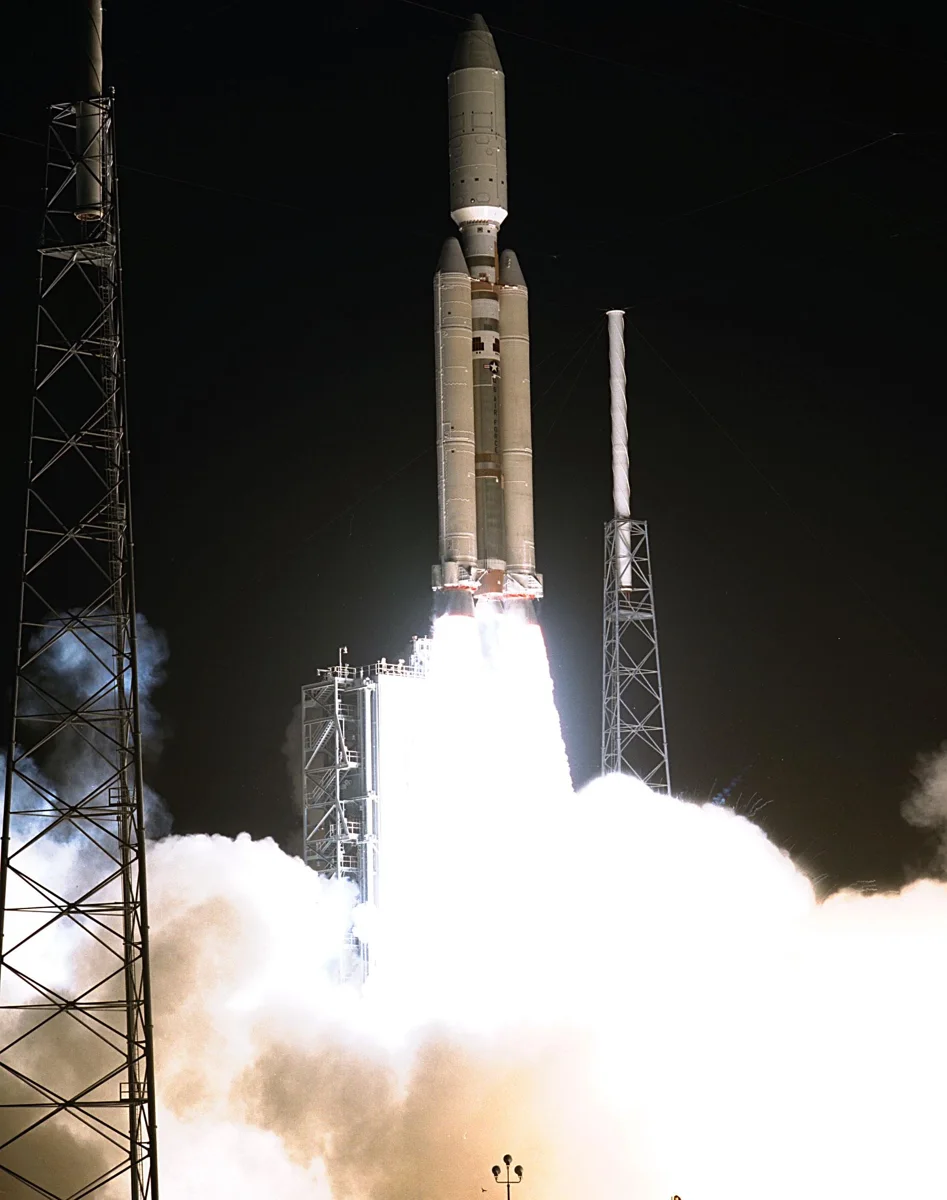
On October 19, Japan’s H3 launch vehicle roared to life from Pad‑2 at the Tanegashima Space Center, sending the Martian Moons eXploration (MMX) spacecraft on a ten‑month journey to the Red Planet. The launch took place at 3:41 p.m. EDT (19:41 GMT), which was 4:41 a.m. local time on October 20 in Japan. The two‑stage, 207‑foot‑tall H3 rocket, a joint effort by JAXA and Mitsubishi Heavy Industries, performed a clean ascent, shedding its four solid boosters in pairs just before the two‑minute mark and discarding its payload fairings about 80 seconds later. The vehicle’s first stage, powered by twin LE‑9 engines burning liquid hydrogen and liquid oxygen, generated roughly 331,000 lb of thrust before separating at T+5 minutes. The second stage then ignited for a 5.5‑minute burn, followed by a trans‑Mars injection burn an hour later that accelerated MMX to about 24,145 mph (38,858 kph). The spacecraft separated from the upper stage roughly 71 minutes after liftoff, prompting cheers from mission control and viewers worldwide.
The Journey to Mars and Phobos
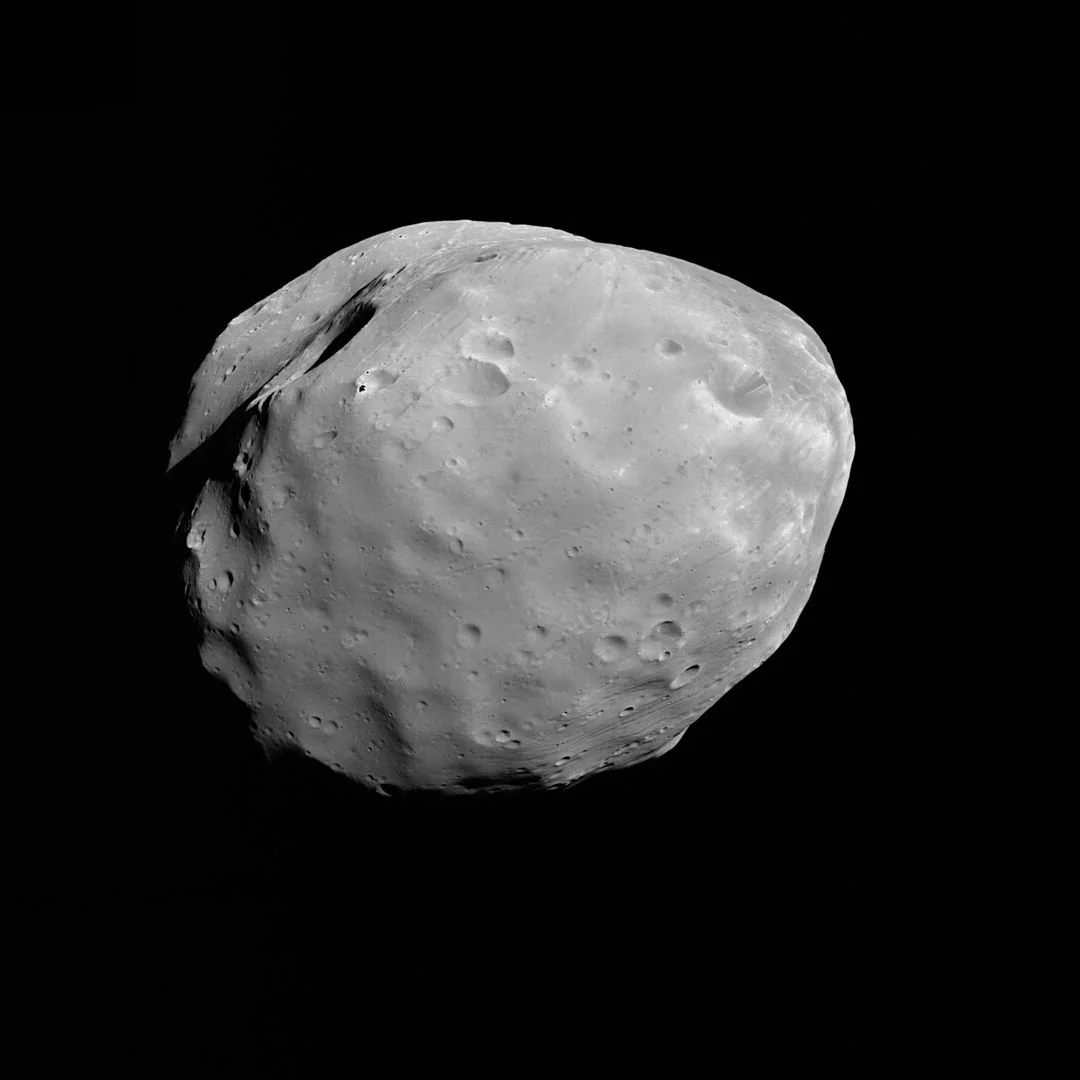
After launch, MMX entered a cruise phase that will last about ten months, targeting a Mars arrival in August 2027. Upon reaching the planet, the spacecraft’s propulsion module will execute an orbital insertion burn to settle into a quasi‑satellite orbit (QSO) around Phobos, the larger of Mars’s two moons. This orbit keeps MMX in the immediate vicinity of Phobos while the moon circles Mars, allowing the probe to conduct detailed observations and to map the moon’s surface for safe landing sites.
Science on the Surface: The IDEFIX Rover
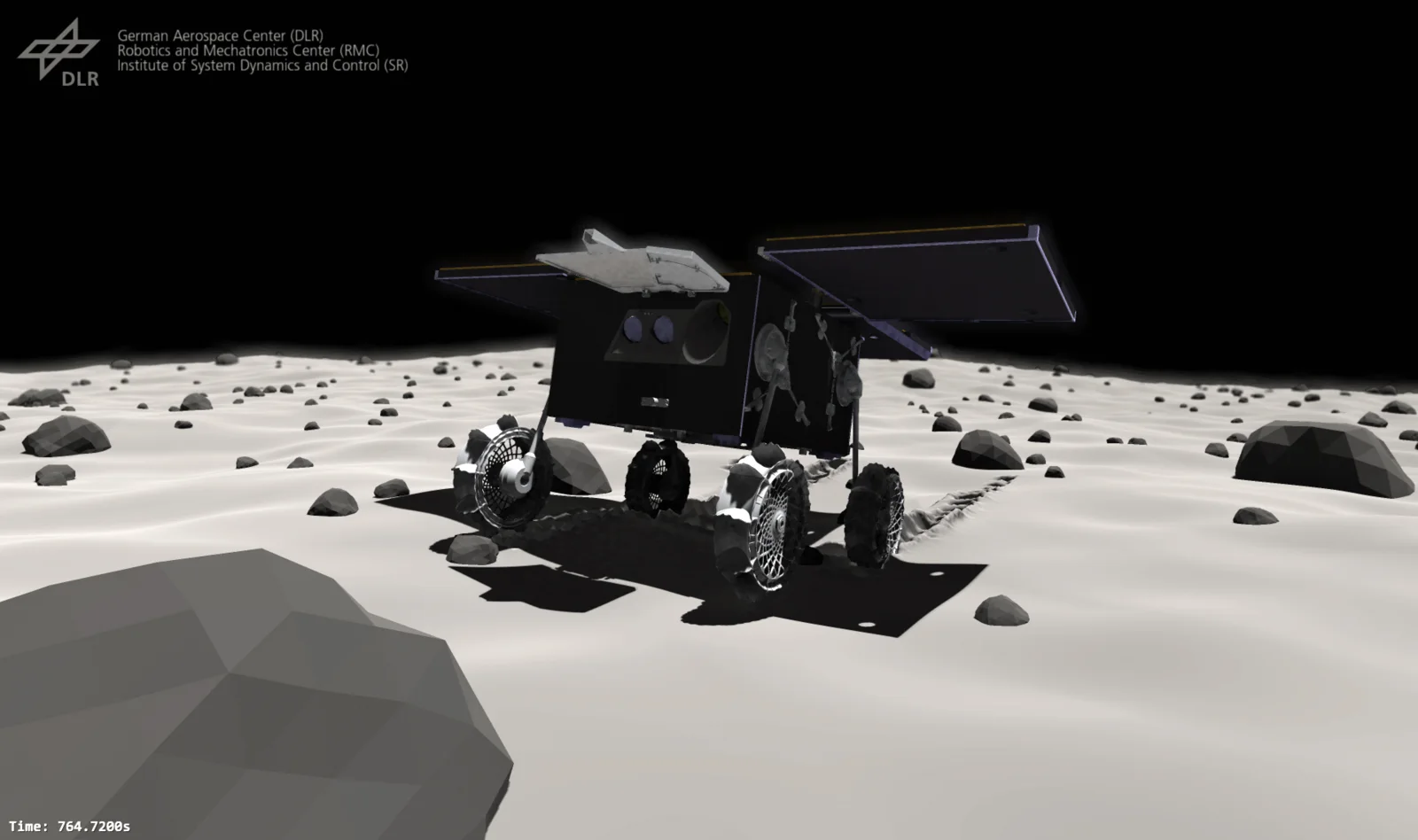
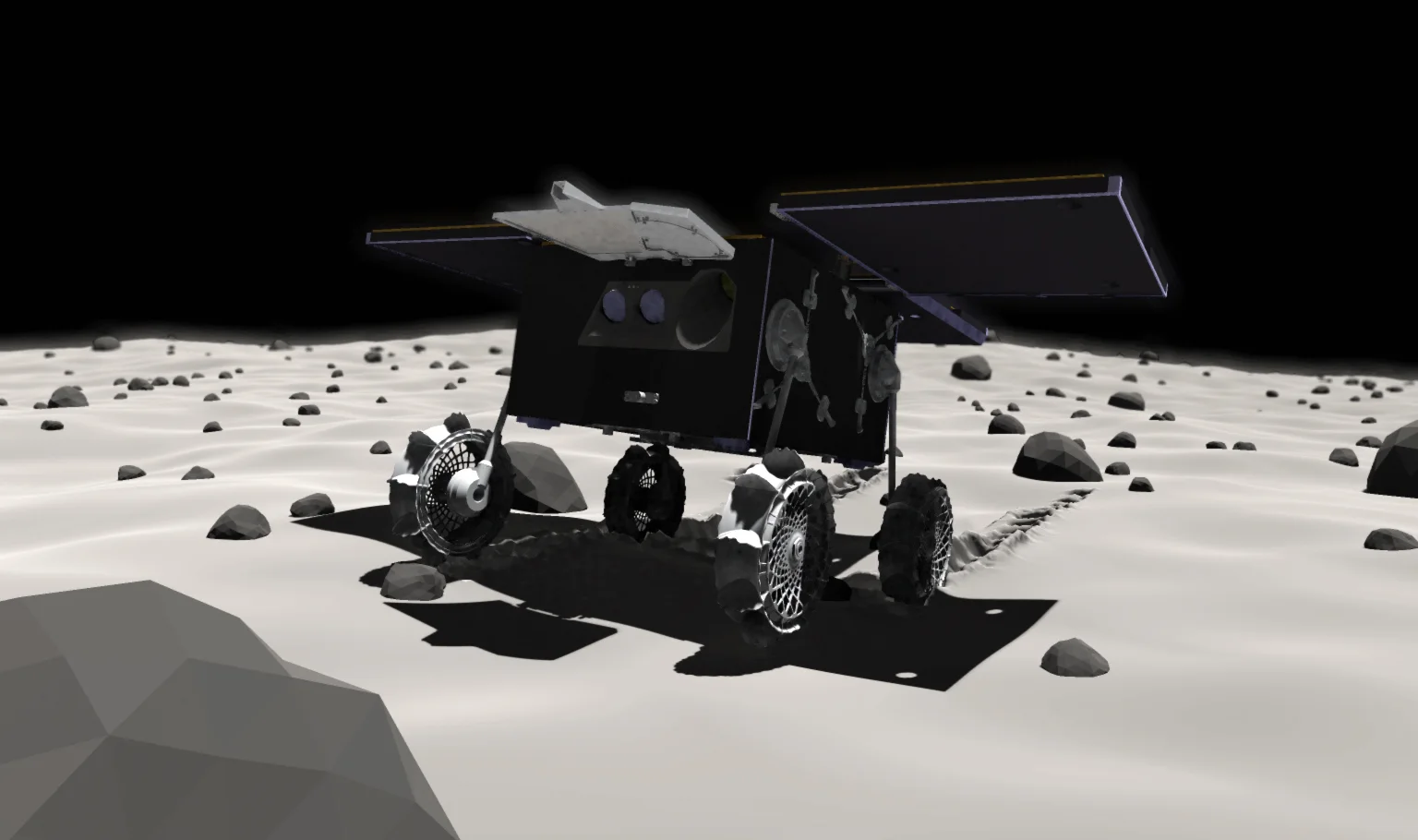
One of MMX’s most exciting payloads is the IDEFIX rover, a collaborative project between the French and German space agencies. Scheduled for deployment in late 2028 or early 2029, IDEFIX will hop onto Phobos’s irregular, potato‑shaped terrain to perform close‑up analyses. Its instruments will complement the orbiter’s suite, which includes cameras, spectrometers, and a gamma‑ray/neutron detector (MEGANE) contributed by NASA. Together, they will characterize the moon’s mineralogy, surface chemistry, and regolith properties.
Dual Landings and Sample Return
After a thorough mapping campaign, MMX will attempt two separate touchdowns on Phobos, each designed to collect and stow rock and dust samples in a dedicated return capsule. The mission plan calls for the spacecraft to briefly return to its QSO after the second landing before transitioning to an elongated orbit around Mars that intersects with Deimos, the smaller moon. Over the final months in the Martian system, MMX will perform a series of Deimos flybys, gathering comparative data before setting a course for Earth in November 2030. If all goes as intended, the sealed sample capsule will splash down in Australia in 2031, where scientists will retrieve the precious material.
Why the Samples Matter
The origin of Phobos and Deimos remains a subject of debate. One theory suggests the moons formed from debris ejected by a massive impact on Mars, similar to Earth’s Moon formation scenario. An alternative hypothesis posits that the moons are captured asteroids, based on their irregular shapes and spectral signatures that resemble carbon‑rich asteroids. Analyzing the returned samples—examining their composition, isotopic ratios, and mineral structures—will allow researchers to compare them directly with Martian rocks and known asteroid material. Such comparisons could finally tip the scales in favor of one origin story, shedding light on Mars’s early geological history and the processes that shaped the inner solar system.
International Collaboration and Future Prospects
While JAXA leads the MMX mission, it is truly an international effort. NASA provides the MEGANE spectrometer, and the European Space Agency supplies additional scientific hardware and communications equipment. This partnership reflects a growing trend of shared expertise and resources in deep‑space exploration, paving the way for future cooperative missions to other moons and planets. The success of MMX could also inform upcoming sample‑return concepts, such as missions to Phobos’s sibling Deimos or even the Martian surface itself.
Looking Ahead: From Phobos to the Stars
As MMX begins its long trek across interplanetary space, the mission captures the imagination of scientists and the public alike. The prospect of holding a piece of a Martian moon in Earth‑based labs is a tangible reminder that humanity’s reach is extending farther than ever before. For the Mushroom 2 Mars community, each step toward understanding the Martian environment—whether through geology or future fungal cultivation experiments—brings us a little closer to the day when we might grow mushrooms on another world.
Sources
This article was prepared with AI assistance from the sources listed above and approved by the Mushroom 2 Mars team before publication.