Part of the guide: Mushrooms: A Complete Guide to Identification, Cooking, and Cultivation
Appearance and Key Characteristics
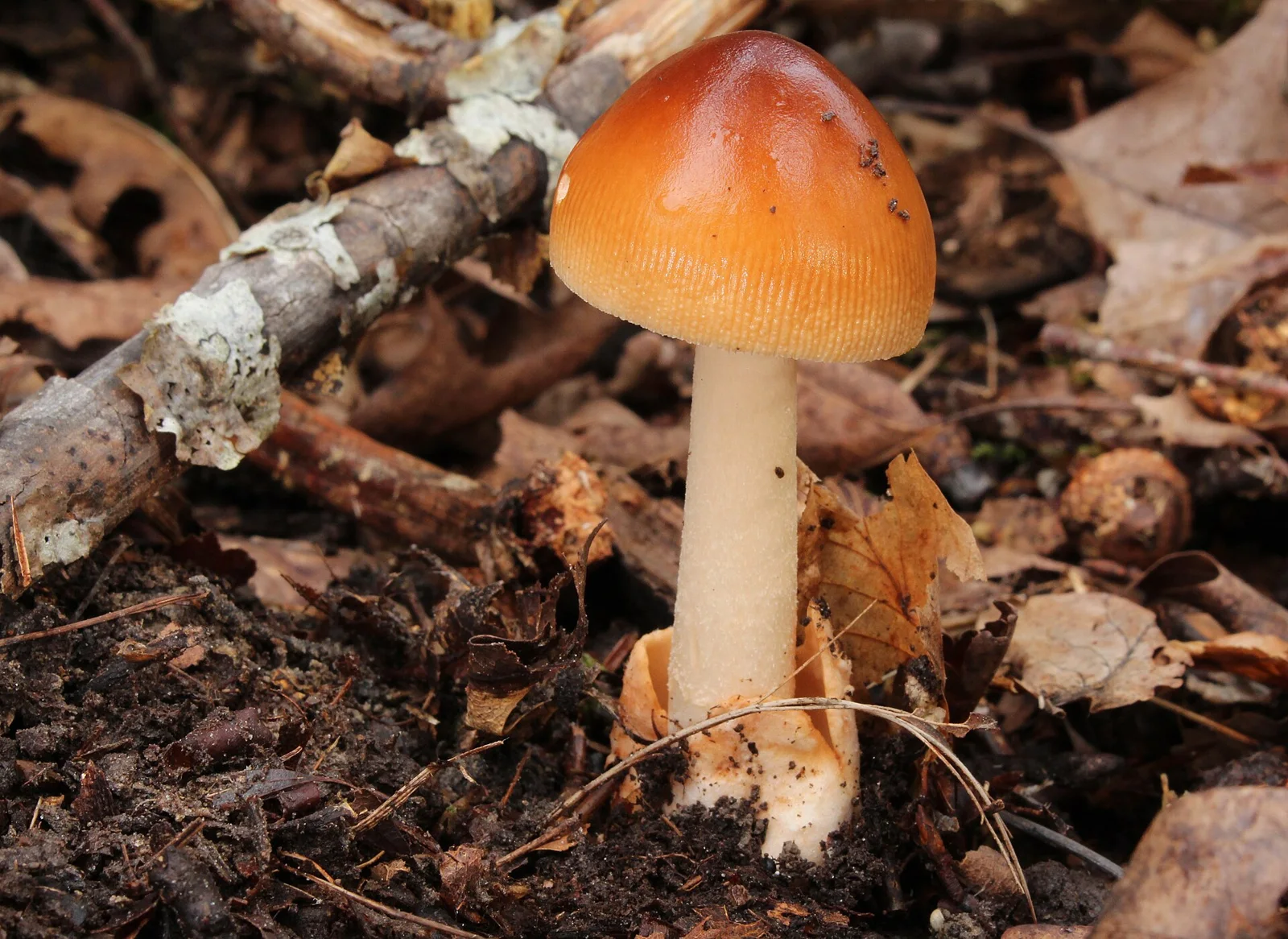
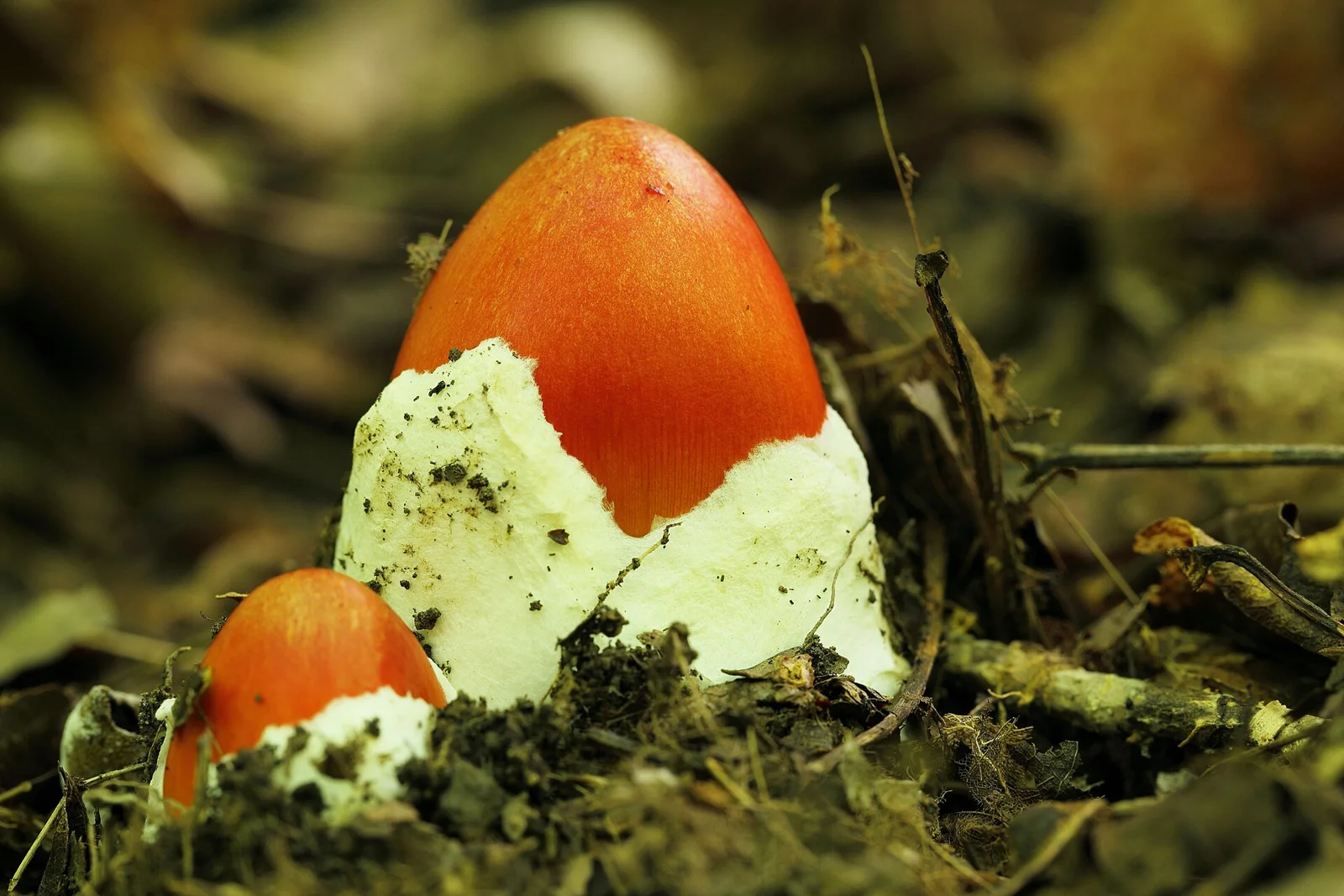
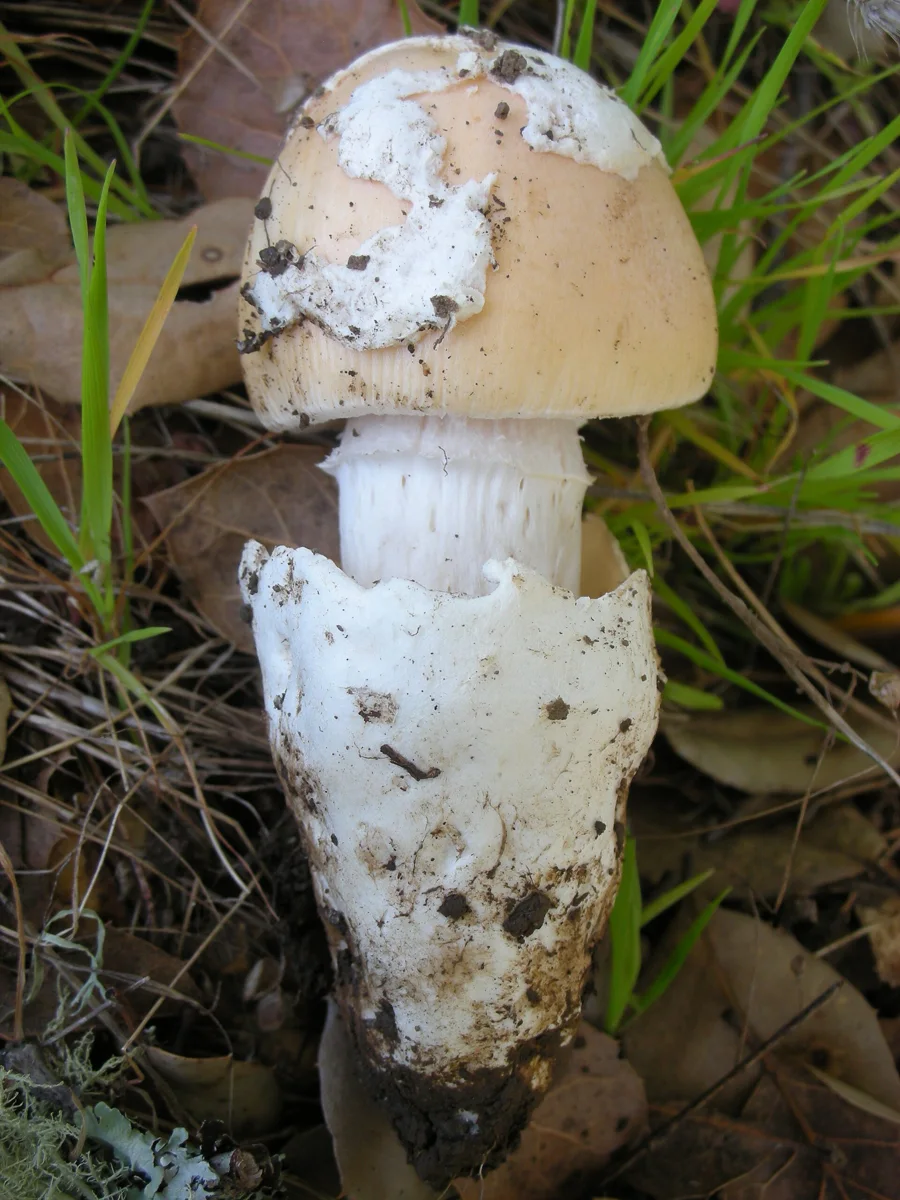
Amanita velosa, often called the springtime amanita, sports a cap 5–15 cm wide that starts convex and flattens with age. Young caps display a pale orange‑pink to salmon hue, sometimes fading to brown or even pure white in older specimens. The margin of the cap is striate (finely grooved), and the mushroom lacks the typical ring (annulus) found on many Amanitas. A white universal‑veil patch may be visible on the cap, and the stalk (5–15 cm long, 1–3 cm wide) is surrounded at its base by a sac‑like white volva. Gills are white, becoming pinkish or orangish as the mushroom matures, and may emit a faint fishy odor in older fruiting bodies. Spores are smooth, elliptical, and inamyloid, turning white in spore prints.
Habitat and Seasonal Timing
This species prefers the coastal zones of California, southern Oregon, and Baja California, fruiting from mid‑winter through the end of the rainy season. It thrives in the transition zone (ecotone) between oak woodlands—especially coast live oak—and open grasslands, forming ectomycorrhizal partnerships with young oak trees. Although most reports come from oak‑dominated sites, occasional finds link it to aspen, conifers in the Sierra Nevada, and even spruce in the Great Smoky Mountains of the eastern United States.
Distinguishing It from Toxic Look‑Alikes
Amanita velosa shares its environment with several deadly Amanitas, notably A. ocreata and A. phalloides. Key differences include: - Absence of an annulus: Both toxic relatives retain a ring on the stalk. - Cap margin: A. velosa’s margin is striate, while the others have smooth edges. - Volva shape: The sac‑like volva of A. velosa is distinct from the thinner remnants seen on A. ocreata. - Color: The characteristic orange‑pink to salmon cap sets it apart from the typically greenish‑brown or yellowish caps of its poisonous cousins. Because these features can blur as the mushroom ages, collectors should only harvest specimens that retain all diagnostic traits.
Culinary Potential and Safety Precautions
When correctly identified, Amanita velosa is prized for its sweet, nutty flavor. It can be sautéed, added to soups, or used in risotto for a subtle earthiness. Important safety note: never consume wild‑picked mushrooms unless you are absolutely certain of the identification; seek expert confirmation when in doubt. Cooking should bring the mushroom to a firm, fully cooked state (at least 74 °C/165 °F) to ensure texture and flavor development.
Role in Ecosystems and Conservation
As an ectomycorrhizal fungus, A. velosa exchanges nutrients with oak roots, enhancing tree health and soil stability. Its presence indicates a healthy oak‑grass interface, making it a useful bioindicator for land managers monitoring ecosystem integrity. While not currently listed as threatened, habitat loss from urban development and fire suppression could impact local populations, underscoring the importance of preserving oak woodland corridors.
From Earth to Mars: Why Amanita velosa Matters
Mushrooms like Amanita velosa illustrate how fungi can thrive in symbiosis with plants, a principle that informs experimental mushroom cultivation for future Martian habitats. Understanding their ecological needs helps us design sustainable life‑support systems beyond Earth.
Sources
This guide is not a foraging or identification manual. Many edible mushrooms have toxic look-alikes. Never eat a wild mushroom unless an expert has identified it in person.
This article was prepared with AI assistance from the sources listed above and approved by the Mushroom 2 Mars team before publication.