Part of the guide: Mushrooms: A Complete Guide to Identification, Cooking, and Cultivation
Appearance and Key Features
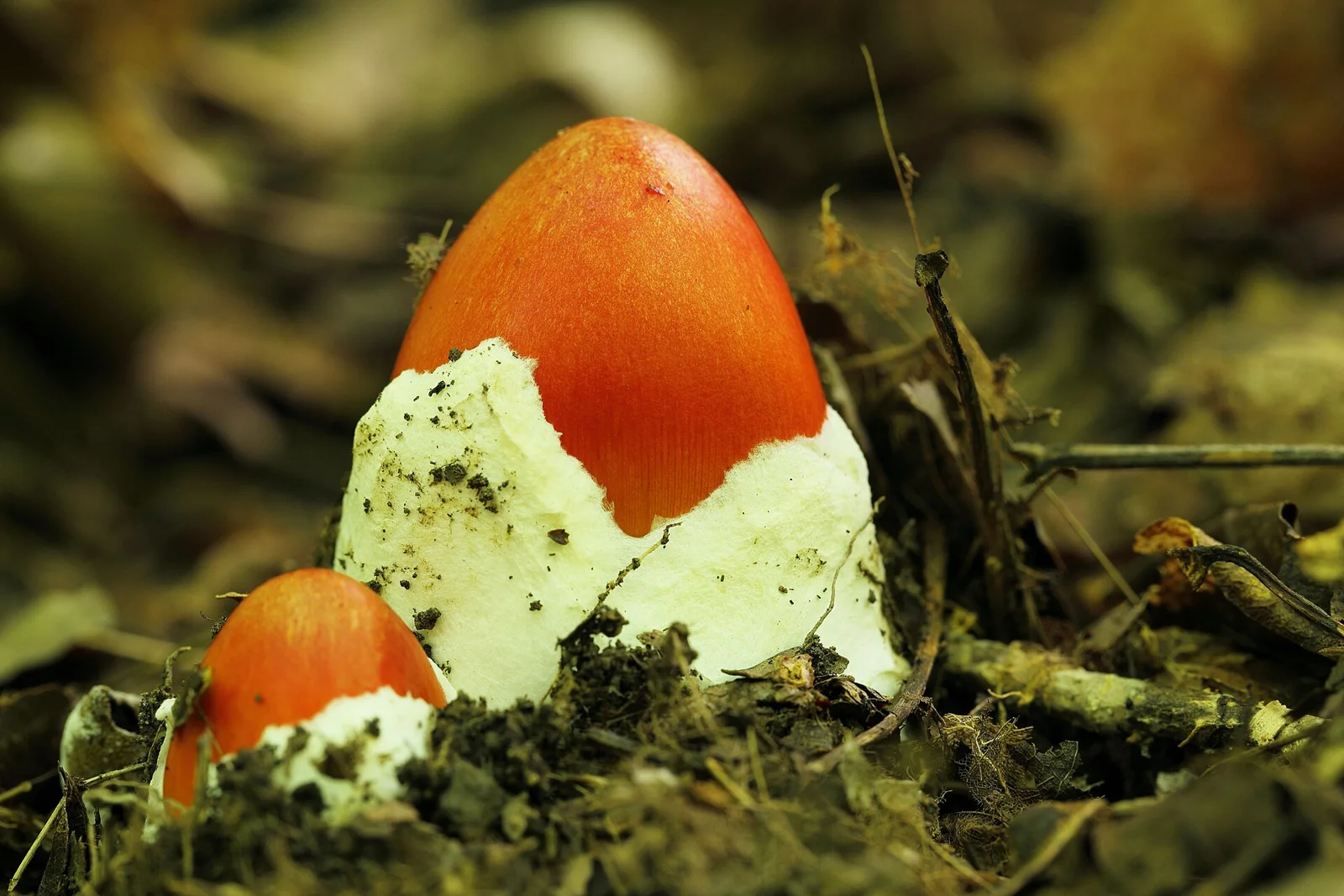
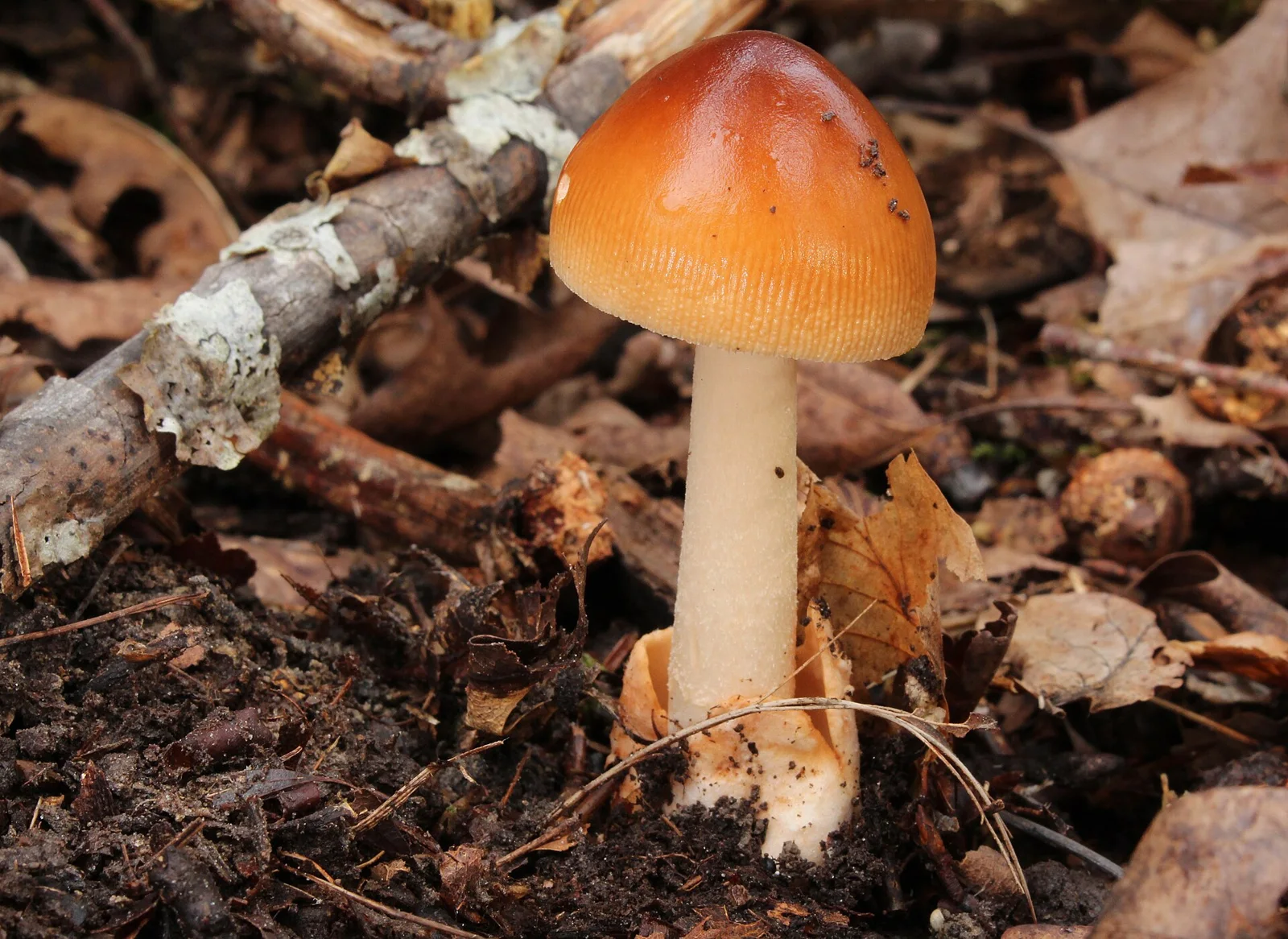
Amanita fulva, known as the tawny grisette, sports a smooth orange‑brown cap up to 10 cm wide with a strongly striated edge. When damp the cap feels slightly sticky. The mushroom lacks a ring, a trait that once placed it in a separate genus Amanitopsis but is now understood as insufficient for taxonomic separation. A thin, white, sack‑like volva with rusty‑brown spots surrounds the base of the stem, which is slender, hollow, and may show faint orange‑brown tinges. The gills are free, close‑spaced, and the flesh ranges from white to cream. Spores are white and globose, measuring roughly 9–12 µm.
Habitat and Mycorrhizal Partnerships
This species thrives in both deciduous and coniferous woodlands across Europe and possibly North America. It forms mycorrhizal relationships with trees such as oak, birch, spruce, pine, chestnut, and alder, exchanging nutrients for carbohydrates. In Scandinavia it is often associated with birch, while southern European finds are linked to oak and chestnut forests. It prefers acidic soils and appears from late spring through autumn (May‑November in the UK). Although records exist from North America, some may represent a yet‑undescribed relative.
Similar Species and Identification Cautions
The most common look‑alike is Amanita vaginata, the grisette, which shares the ringless habit but lacks the fulvous coloration of A. fulva. Because many Amanita species are poisonous, careful attention to cap color, volva texture, and habitat is essential. Never rely on a single feature; cross‑check several characteristics before considering a specimen edible.
Edibility and Cooking Guidance
While A. fulva is listed as edible, it is only safe after thorough cooking. Raw tissue may contain heat‑labile toxins, so the mushroom should be cooked at least until the flesh is firm and the internal temperature reaches a safe level (e.g., simmering for 10‑15 minutes). Even then, consumption carries risk due to possible misidentification with toxic relatives. For those who are confident in their identification, the mushroom can be sautéed with butter or incorporated into soups, always discarding any uncertain pieces.
Ecological Role and Interactions
Beyond its mycorrhizal function, A. fulva occasionally hosts the pleasing fungus beetle Tritoma mimetica, although it is not a primary food source for the insect. By supporting tree health, the mushroom contributes to forest resilience and carbon cycling, underscoring the importance of conserving its woodland habitats.
From Forest Floors to Martian Labs
Understanding the biology of forest mushrooms like the tawny grisette helps researchers design resilient fungal systems for future space habitats, where robust mycorrhizal partners could support plant growth on Mars.
Sources
This guide is not a foraging or identification manual. Many edible mushrooms have toxic look-alikes. Never eat a wild mushroom unless an expert has identified it in person.
This article was prepared with AI assistance from the sources listed above and approved by the Mushroom 2 Mars team before publication.