Part of the guide: Mushrooms: A Complete Guide to Identification, Cooking, and Cultivation
The Roots of Fungal Medicine in Chinese Classics
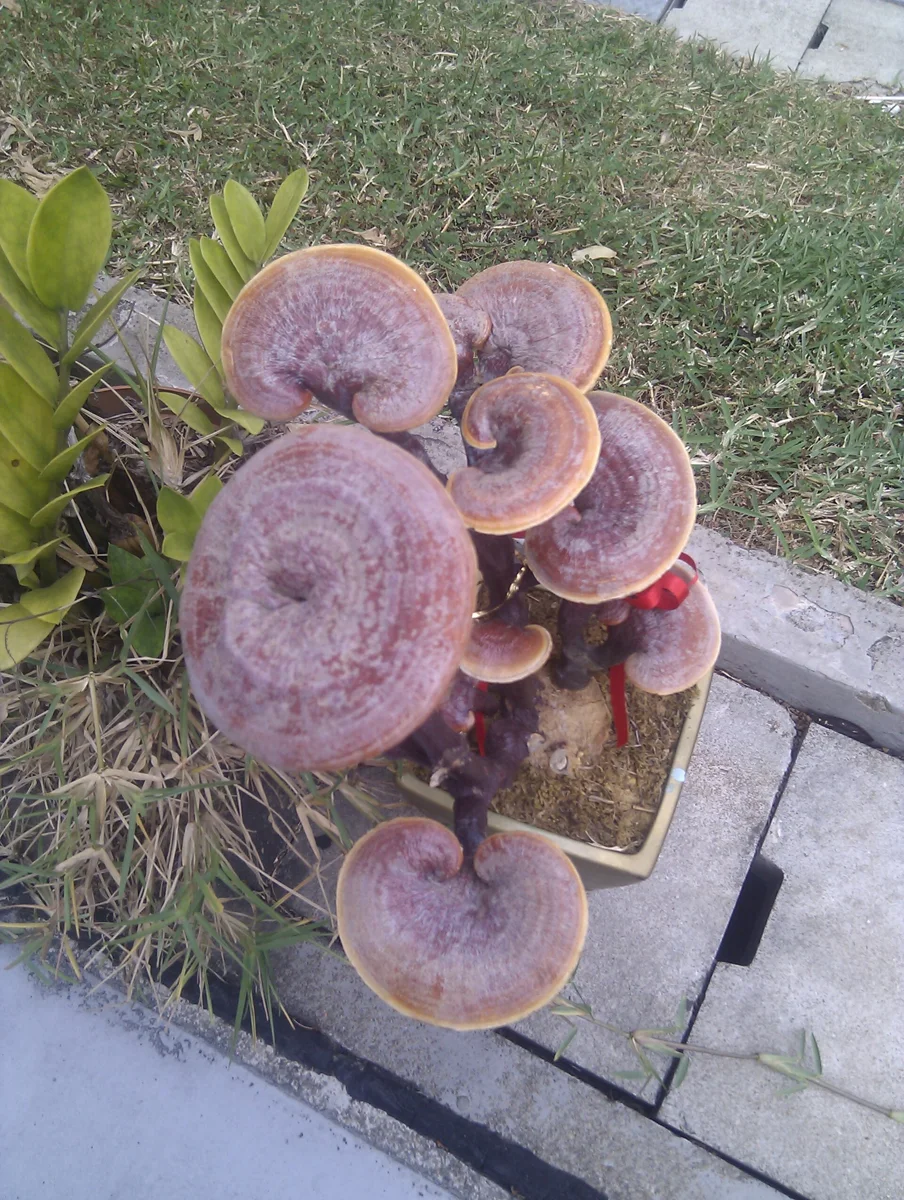
Traditional Chinese Medicine (TCM) has recorded the therapeutic use of mushrooms for over two millennia. The Shennong Bencao Jing (Divine Farmer’s Materia Medica), compiled around the 1st century CE, lists Ganoderma lucidum—known as reishi or lingzhi—as a “superior” herb that “nourishes the spirit and prolongs life.”^1 The text classifies it among the top‑grade substances, reserved for the elite because of its rarity and the elaborate preparation required.
In the same work, Cordyceps sinensis appears under the name “dong chong xia cao” (winter worm, summer grass). The ancient author notes its ability to “strengthen the lungs and kidneys,” a description that guided later practitioners to use the fungus for fatigue and respiratory ailments.^2 These early records set the foundation for a rich pharmacopoeia that would expand across East Asia.
Korean Texts and the Rise of Cordyceps
Korean medical literature, particularly the 1613 Dongui Bogam (Mirror of Eastern Medicine), devotes an entire chapter to Cordyceps (known locally as dongcheong). The text emphasizes its role in “replenishing vital energy” and recommends it for soldiers and laborers facing extreme exertion.^3 The Korean tradition also introduced a unique preparation: Cordyceps tea, brewed from dried fruiting bodies and believed to invigorate the body without causing heat.
Japanese Mycological Lore and Shiitake
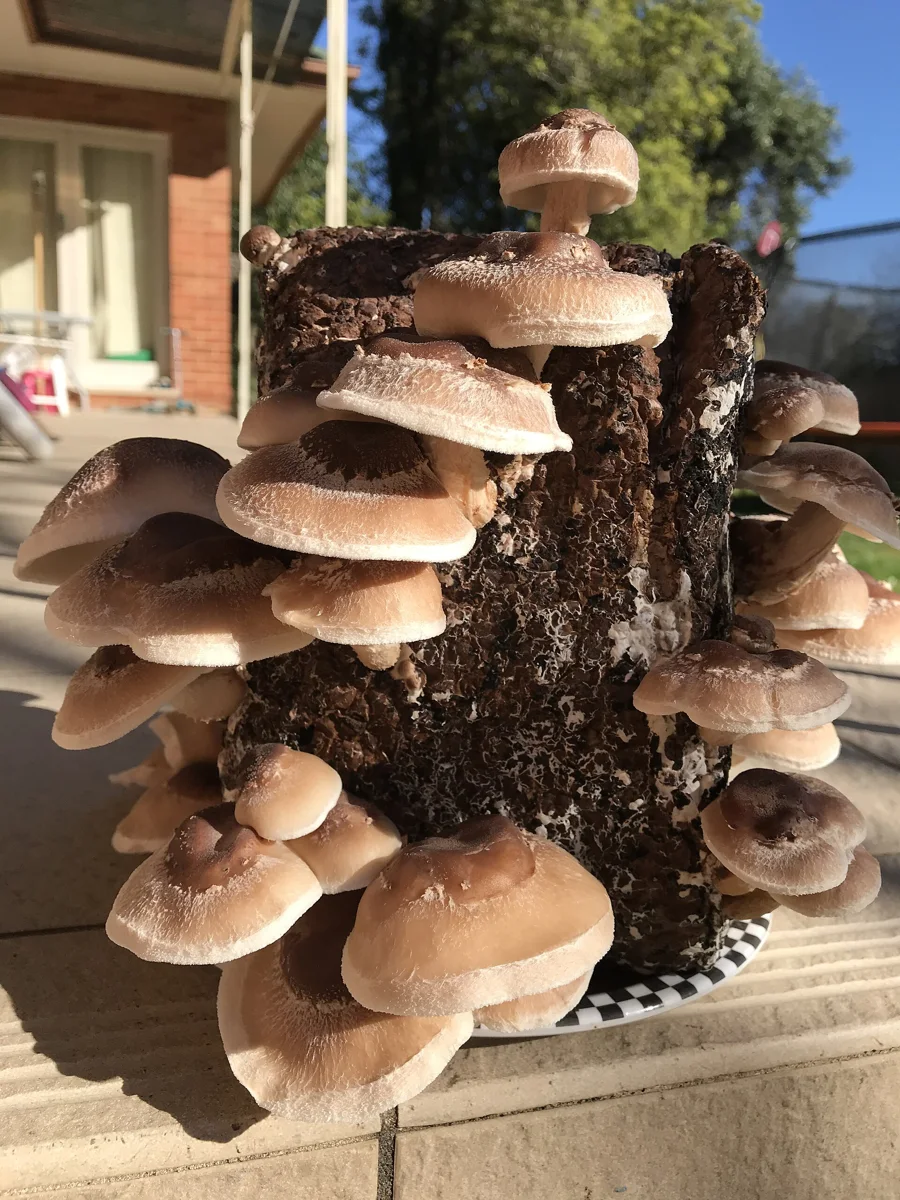
While reishi and cordyceps dominate Chinese and Korean sources, Japanese records highlight Lentinula edodes—the shiitake mushroom. The 8th‑century Nihon Shoki mentions shiitake as a “gift from the gods” used to ward off illness.^4 By the Edo period, shiitake cultivation on hardwood logs became a household practice, and the mushroom entered the Kampo (Japanese herbal medicine) canon as a tonic for digestion and immunity.
Rituals, Offerings, and Symbolism
Beyond written prescriptions, mushrooms occupied symbolic spaces in religious and courtly rituals. In Taoist ceremonies, reishi was burned as incense to “purify the heavens” and to accompany offerings to ancestors.^5 In Korean shamanic rites, cordyceps bundles were placed on altars to invoke protective spirits during harvest festivals.
These practices illustrate how fungi were not only medicinal but also cultural bridges linking health, spirituality, and social hierarchy.
From Forest to Apothecary: Traditional Harvesting Techniques
Ancient harvesters employed meticulous methods to ensure potency. Reishi was collected in autumn when the fruiting bodies hardened, then sliced thin and sun‑dried for months before being powdered into pills. Cordyceps, growing high on the Tibetan plateau, required seasonal treks; harvesters would gently brush the fungus from the host caterpillar to preserve the delicate mycelium.^6 Such labor‑intensive processes contributed to the high status and price of these fungi in historic markets.
Modern Echoes of Ancient Knowledge
Contemporary researchers often cite these classical texts when investigating the bioactive compounds of medicinal mushrooms. For instance, polysaccharides identified in reishi were first hinted at in the Shennong description of “nourishing the spirit.”^7 However, scientists stress that historical anecdotes guide, not replace, rigorous clinical testing.
Connecting Past and Future
The enduring fascination with fungal health benefits mirrors today’s interest in sustainable food production—an area where the Mushroom 2 Mars project seeks to grow mushrooms beyond Earth. By honoring the ancient wisdom of Asian healers, modern cultivators can blend tradition with innovation, perhaps one day sending reishi spores toward the Red Planet.
^1 Shennong Bencao Jing, translation by J. K. F. Smith, 1999. ^2 Dongui Bogam, Korean Medicine Publishing Co., 1613. ^3 Kwon, H. J. “Cordyceps in Korean Traditional Medicine,” Journal of Korean Herbal Studies, 2020. ^4 Nihon Shoki, translation by W. M. Miller, 1975. ^5 Zhang, L. “Taoist Ritual Use of Lingzhi,” Asian Ethnology, 2018. ^6 Liu, Y. “Harvesting Practices of High‑Altitude Cordyceps,” Mountain Botany Review, 2016. ^7 Wang, X. et al. “Polysaccharides from Ganoderma lucidum: Historical Context and Modern Research,” Phytotherapy Research, 2021.
Sources
- Shennong Bencao Jing (Divine Farmer's Materia Medica)
- Dongui Bogam
- Cordyceps sinensis traditional uses
- Shiitake in Japanese Kampo medicine
- Taoist rituals with lingzhi
This article is for general information only and is not medical advice. Do not use it to diagnose or treat any condition; talk to a doctor about health questions.
This article was prepared with AI assistance from the sources listed above and approved by the Mushroom 2 Mars team before publication.