Part of the guide: Mushrooms: A Complete Guide to Identification, Cooking, and Cultivation
Taxonomic Journey
The pear‑shaped puffball was first recorded by Jacob Christian Schaeffer in 1774. For many years it lived under the name Lycoperdon pyriforme. DNA work in the early 2000s showed that the traditional genus Lycoperdon was not a single evolutionary line, and the puffball’s genetics and its wood‑loving habit set it apart. After a brief stint in the genus Morganella, a 2017 phylogenetic study placed it in the monotypic genus Apioperdon, making Apioperdon pyriforme the sole member of its group. The specific epithet pyriforme simply means “pear‑shaped” in Latin.
What It Looks Like
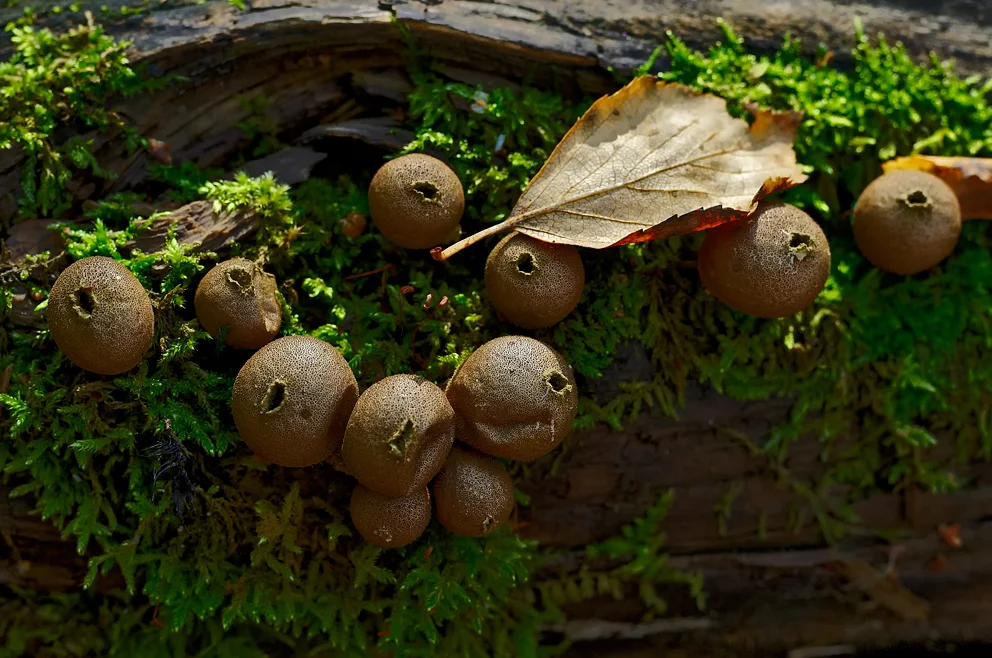
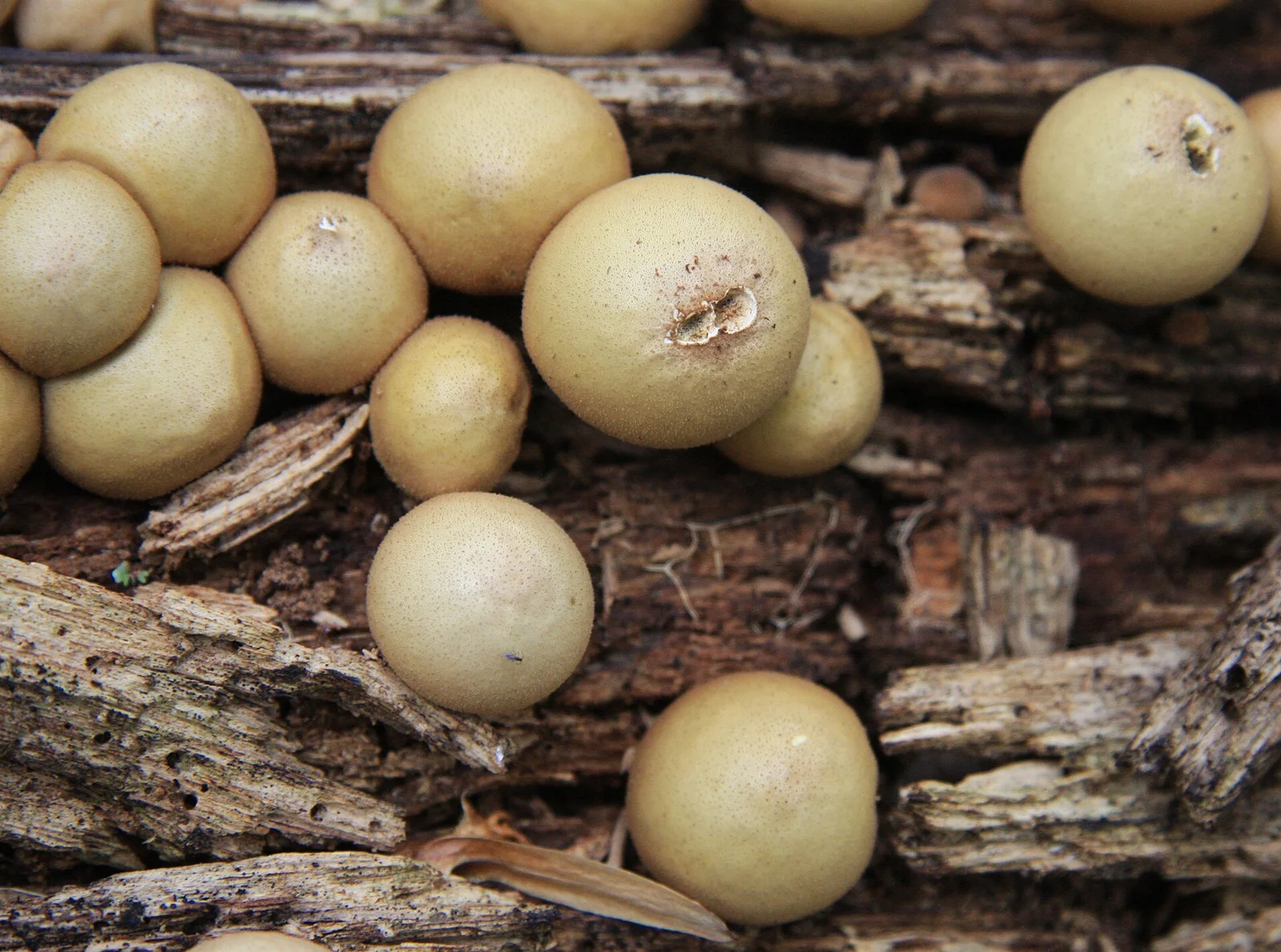
A mature fruit body reaches up to 3 cm in width and about 6 cm tall. Young specimens are covered with tiny white spines that drop off as they age, leaving a smooth surface that ranges from pure white to a light yellow‑brown. The characteristic pear shape is most obvious when the mushroom is young; older puffballs may appear almost spherical. At the top, a small pore opens to release spores, while the base is often pinched and attached to wood by thick, cord‑like rhizomorphs. Inside, the gleba (spore‑bearing tissue) is white and firm when the mushroom is edible, turning greenish‑yellow then dark olive‑brown as spores mature. Spores themselves are tiny (3–4.5 µm), round, smooth and dark olive‑brown.
Where It Grows
Apioperdon pyriforme is a saprobic species, meaning it feeds on dead organic material. It prefers decaying wood, making forests, fallen logs, and sometimes well‑rotted stumps its favorite homes. The puffball has a broad distribution: it appears across most of Europe from July through December and shows up in western North America during the fall and winter months. Its worldwide presence reflects the common availability of suitable woody substrates.
Look‑Alikes and Safety
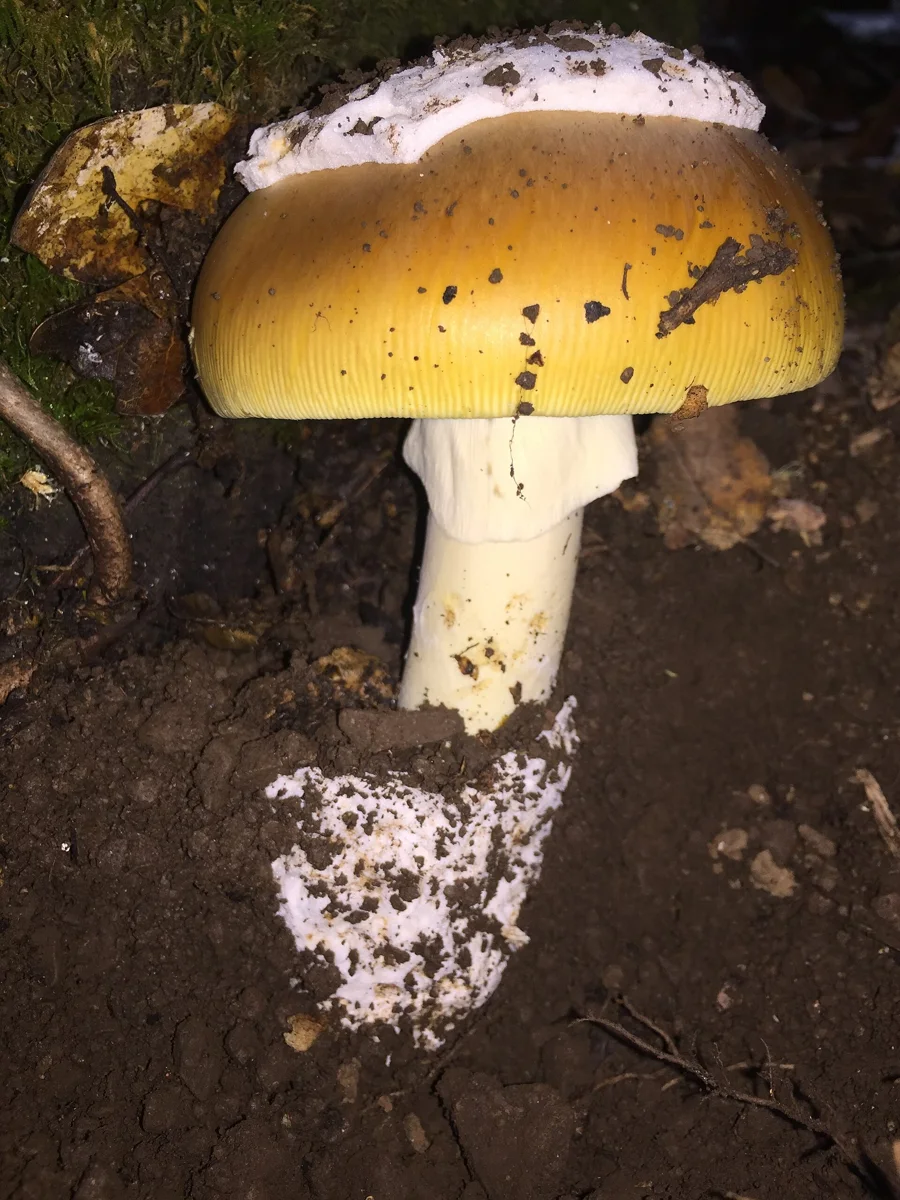
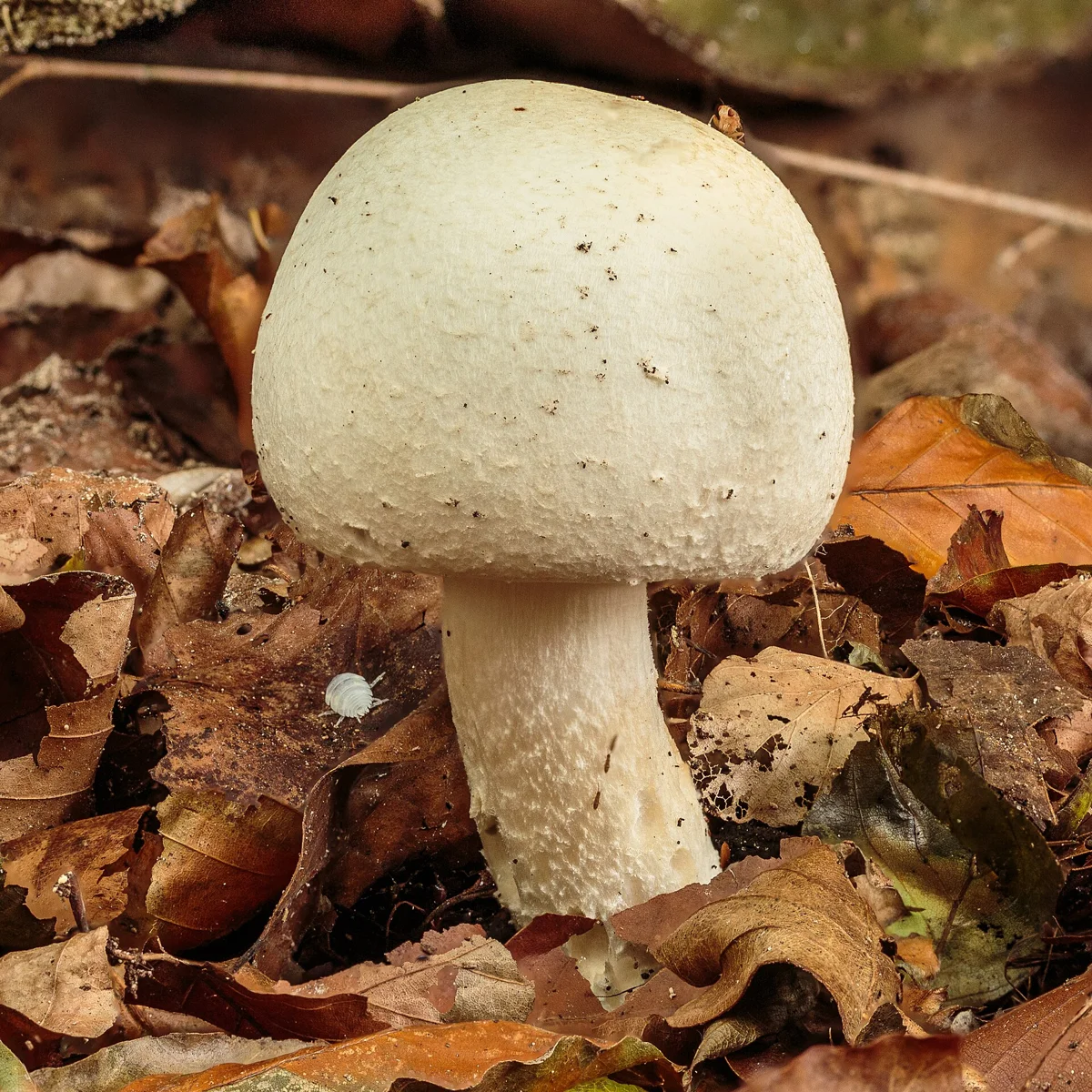
Identifying puffballs correctly is essential because several look‑alikes are poisonous. The common puffball (Lycoperdon perlatum) resembles Apioperdon but differs in surface texture and spore color. More dangerous are members of the earthball genus Scleroderma—especially Scleroderma citrinum—which have a tougher outer skin and a darker, firmer gleba that never stays white. Because the edible stage of Apioperdon is defined by a solid white interior, a simple cut‑open test is recommended: if the flesh is uniformly white and lacks any discoloration, the mushroom is likely safe. Always confirm with an experienced forager or mycologist before consuming any wild fungus.
Culinary Potential
When the gleba is still white and firm, Apioperdon pyriforme is considered a “choice” edible. The texture is delicate, making it suitable for quick sautéing, adding to soups, or drying into a powder for flavoring. A simple preparation involves trimming the base, slicing the puffball thin, and pan‑frying in butter or oil over medium heat until golden—about 3–4 minutes per side. For drying, arrange slices on a low‑temperature oven rack (around 50 °C / 120 °F) until crisp, then grind the dried pieces into a fine powder that can enhance sauces or risottos. Because the species grows on wood, it may acquire subtle woody notes that pair well with herbs like thyme or sage.
From Forest Floor to Mars?
Mushrooms are already being explored as a sustainable food source for long‑duration space missions. The compact size and rapid growth of puffballs like Apioperdon pyriforme make them intriguing candidates for closed‑loop cultivation systems that could one day support crews on the Red Planet.
All information is drawn from the Wikipedia entry on Apioperdon pyriforme and related mycological literature.
Sources
This guide is not a foraging or identification manual. Many edible mushrooms have toxic look-alikes. Never eat a wild mushroom unless an expert has identified it in person.
This article was prepared with AI assistance from the sources listed above and approved by the Mushroom 2 Mars team before publication.