Overview of the Stimson Formation
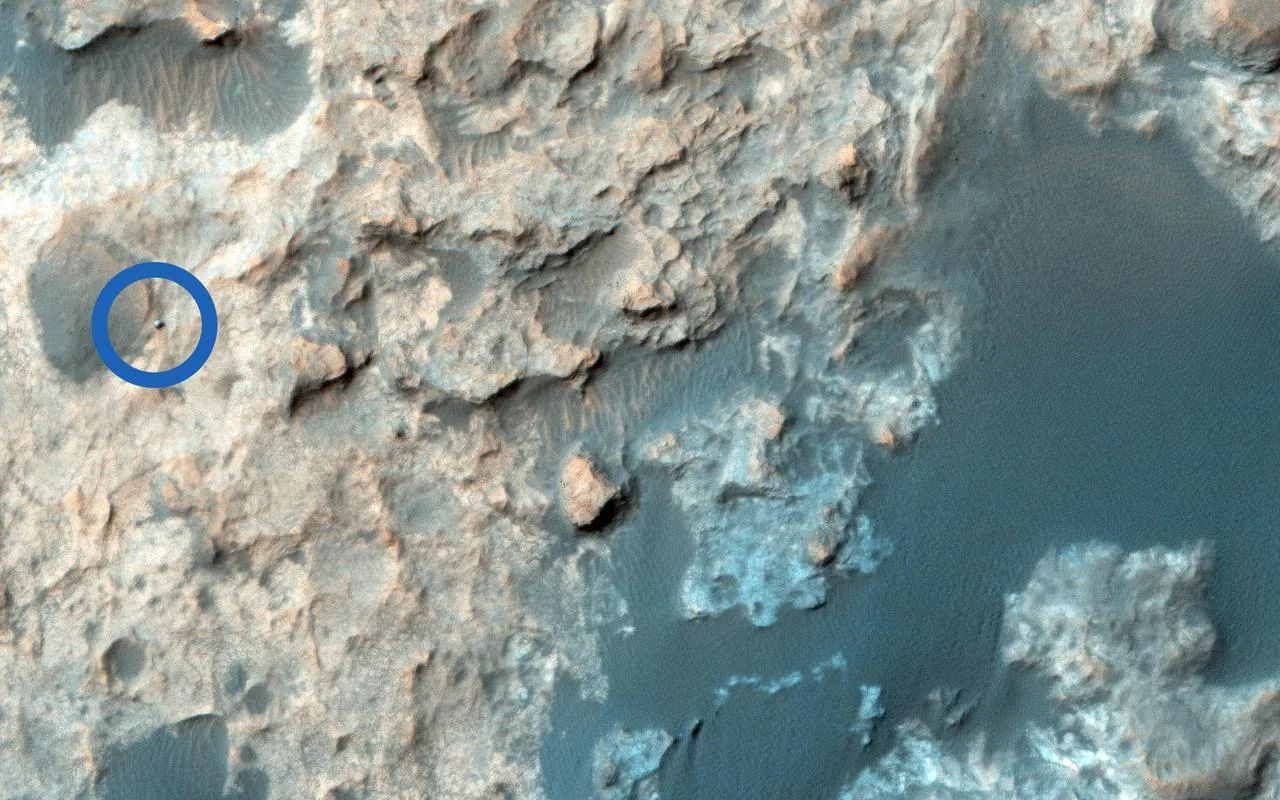
The Stimson Formation is a distinctive sandstone unit on Mars that Curiosity has examined extensively in Gale Crater. It is part of the broader Siccar Point Group and represents the youngest formally identified layer encountered by the rover. Covering roughly 20 km², the formation is dominated by massive, cross‑bedded sandstones that record ancient wind‑driven processes.
Stratigraphic Setting
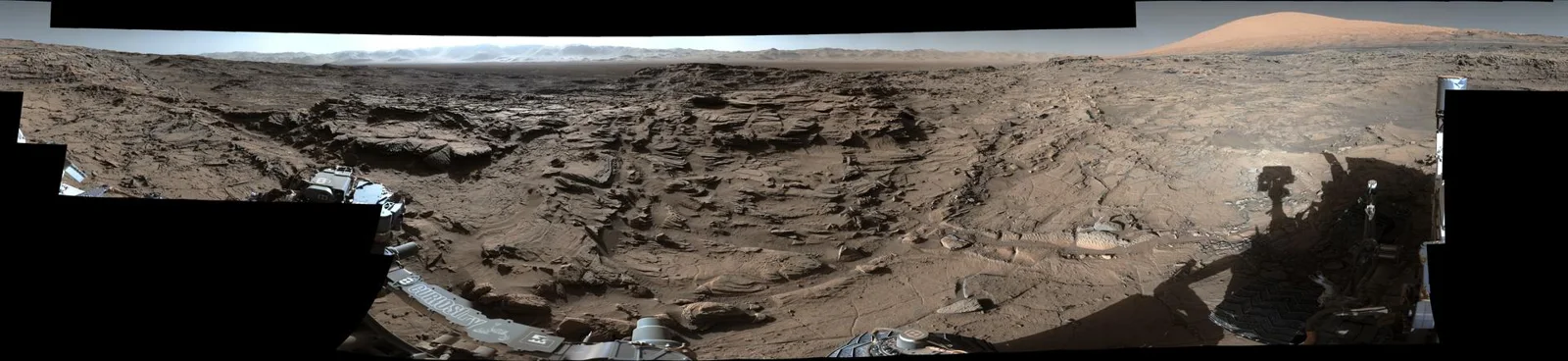
In Gale Crater the Stimson Formation sits unconformably atop the mud‑rich Murray Formation, indicating a break in deposition before the sandstones were laid down. It is overlain by an unnamed unit, while older rocks of the Mount Sharp Group lie beneath it. The formation appears in several locales, including the Emerson Plateau, Naukluft Plateau, and the striking Murray Buttes. These outcrops allow scientists to compare thickness, bedding style, and cementation across the basin.
Sedimentary Structures and Thickness
At the Emerson Plateau, sandstone beds reach up to 7 m thick and display simple ripple cross‑sets that are 0.3–1 m in height. The cross‑laminations within these sets are remarkably uniform, about 4 mm wide. By contrast, the Naukluft Plateau shows trough‑cross‑bedded sandstones ranging from 0.5 to 10 m thick. Embedded concretions up to 10 mm in diameter are scattered throughout the layers, sometimes forming a near‑continuous coating on the sediment surface. These features together point to strong, unidirectional wind regimes during deposition.
Interpreting the Paleoenvironment
The sedimentary record suggests an arid, aeolian landscape dominated by dunes. The lack of fine‑grained inter‑dune deposits—such as laminated mudstone or conglomerates—implies minimal water activity at the time of formation. Researchers infer that the Stimson sand dunes were deposited after a warmer, wetter interval on Mars, marking a transition toward the cold, dry conditions that dominate today. This shift mirrors the present‑day dark‑grey Bagnold Dunes that lie adjacent to the Stimson outcrops.
Why Curiosity Focused on This Unit
Curiosity’s suite of instruments, including ChemCam and the Sample Analysis at Mars (SAM) laboratory, has probed the Stimson sandstones for clues about past habitability. By analyzing mineralogy, chemistry, and grain size, the rover helps determine whether the dunes ever interacted with liquid water or hosted environments suitable for microbial life. The formation’s position above the wetter Murray mudstones makes it a key marker for the planet’s climatic evolution.
Broader Implications for Mars Exploration
Understanding the Stimson Formation informs models of wind erosion, sediment transport, and atmospheric loss on Mars. It also guides landing‑site selection for future missions that may need stable, well‑drained ground for habitats or infrastructure. The sandstones’ durability suggests they could serve as natural building blocks for in‑situ resource utilization, an idea that aligns with the broader goal of establishing a sustainable presence on the Red Planet.
From Sandstone to Sustainable Farming
While the Stimson Formation tells a story of ancient deserts, today’s researchers are exploring how to grow resilient crops—like mushrooms—in Martian regolith, turning barren sand into productive soil.
Sources
This article was prepared with AI assistance from the sources listed above and approved by the Mushroom 2 Mars team before publication.