Part of the guide: Mushrooms: A Complete Guide to Identification, Cooking, and Cultivation
What Is a Fairy Ring?
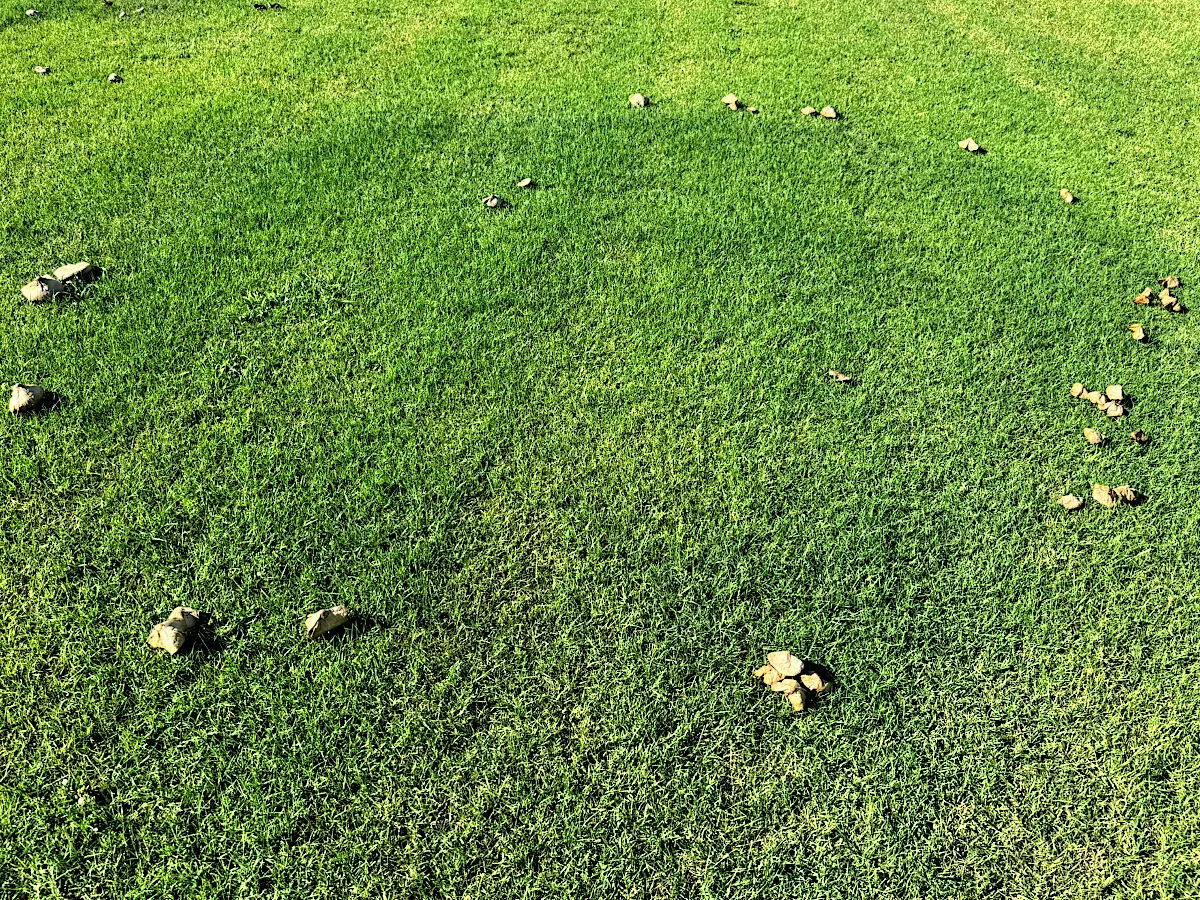
A fairy ring is a naturally occurring, roughly circular pattern of mushroom fruiting bodies that appears on grasslands, forests, or even lawns. The ring can be composed of a single species or a mixture of fungi, and its size can range from a few centimeters to several meters in diameter. While the term evokes mythic images of dancing sprites, the phenomenon is rooted in the growth habits of the fungal mycelium beneath the surface.
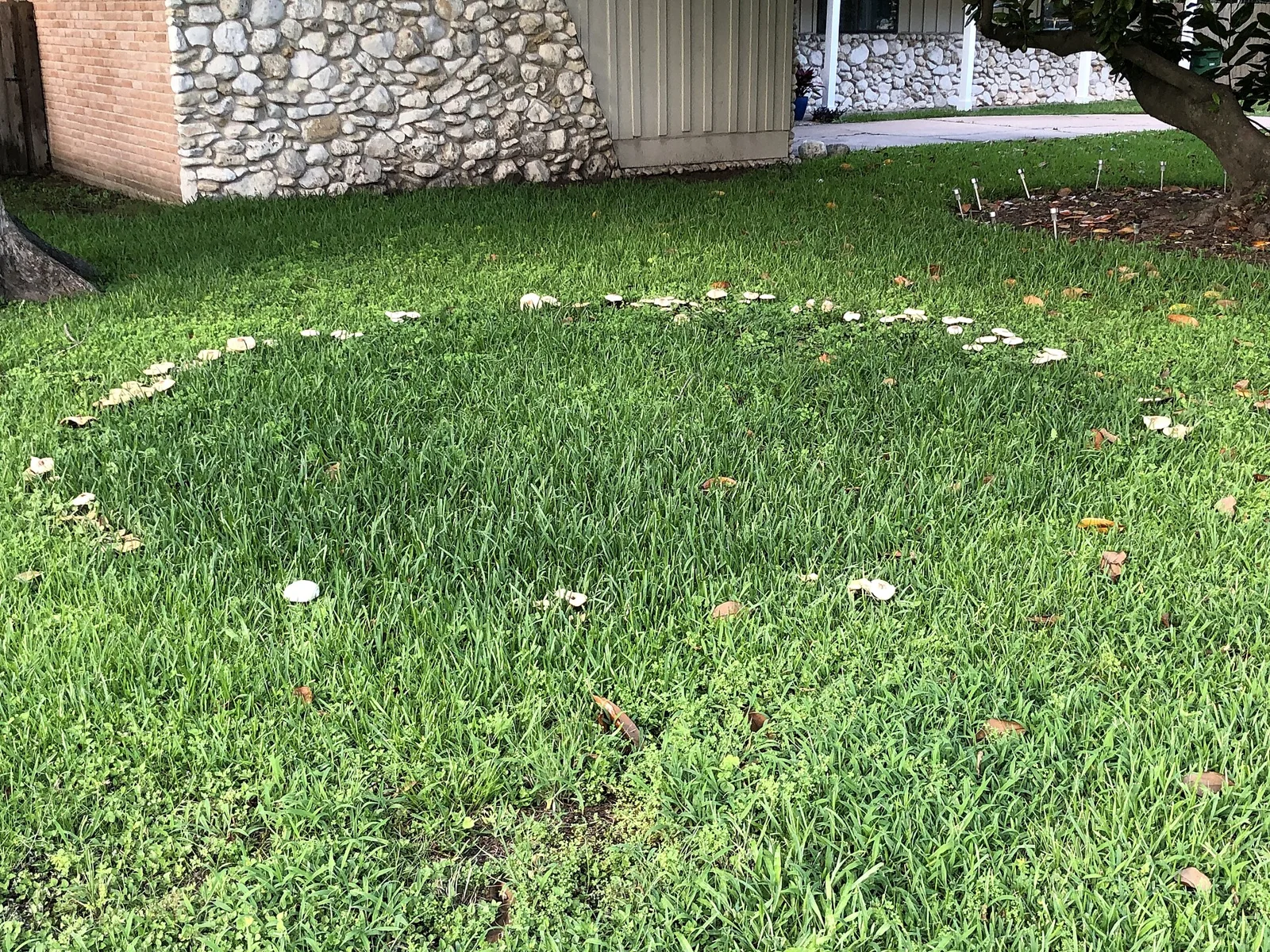
How the Mycelium Grows in a Circle
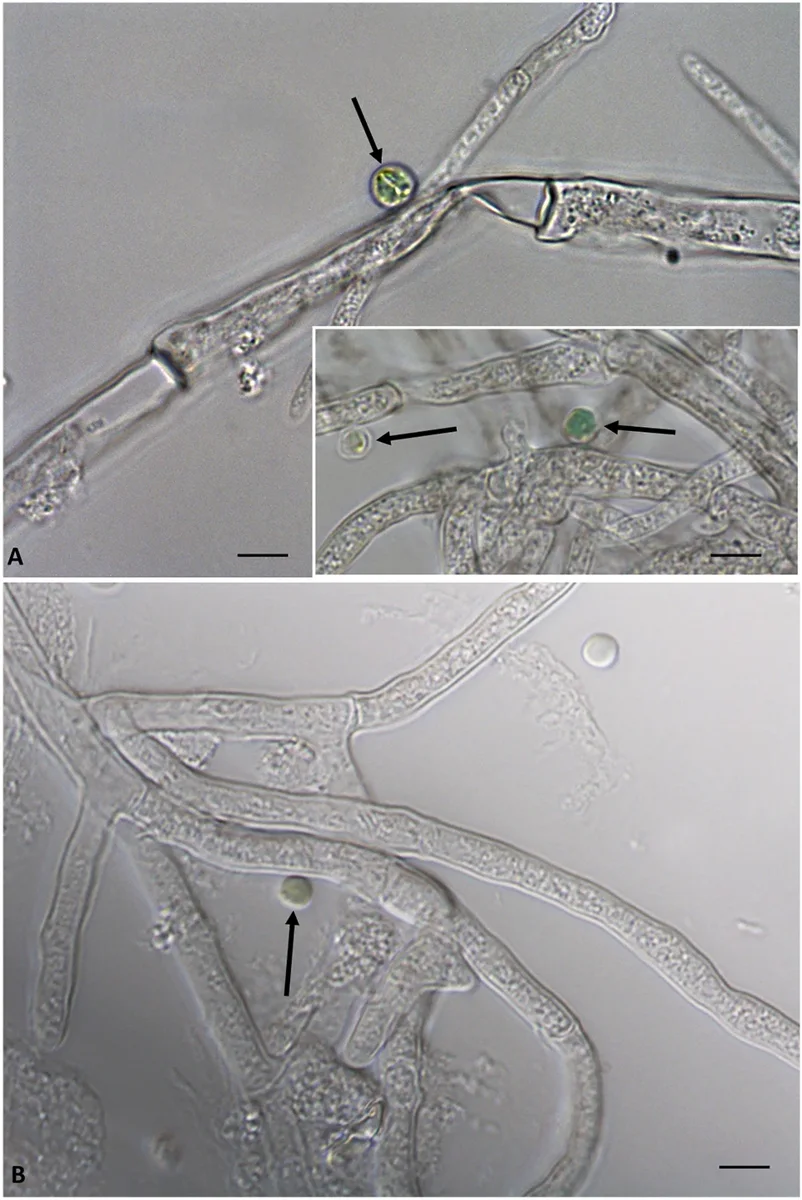
Fungi spread primarily through a network of thread‑like cells called mycelium. When a spore lands on a suitable substrate, the germinating hyphae expand outward in all directions, seeking nutrients. As the mycelium consumes the organic matter directly beneath it, the central zone becomes depleted. The colony then continues to expand outward, forming a growing front of active growth around the perimeter. This outward push creates a roughly circular front where conditions are still favorable, and it is at this edge that mushrooms are most likely to fruit, giving rise to the visible ring.
The process can be summarized in three stages: 1. Establishment – A spore germinates and the mycelium colonizes a patch of soil or decaying organic material. 2. Radial Expansion – Nutrient consumption depletes the center, prompting the mycelium to extend outward. 3. Fruiting at the Edge – Environmental cues such as temperature, moisture, and light trigger mushroom formation at the active growth front.
Environmental Factors That Influence Ring Formation
Several conditions affect whether a fairy ring will appear and how it will develop: - Soil Nutrients: Rich organic matter supports vigorous mycelial growth, while nitrogen‑poor soils may limit expansion. - Moisture: Consistent moisture encourages hyphal movement; drought can halt ring growth. - Temperature: Most fairy‑ring‑forming species fruit in the cooler months of spring and autumn. - Host Plants: Some fungi form symbiotic relationships with grasses (mycorrhizae), influencing the ring’s visibility and size.
When these factors align, the mycelium can persist for many years, expanding the ring outward while the interior may appear bare or even exhibit a greener lawn due to nitrogen released from fungal metabolism.
Common Species That Form Fairy Rings
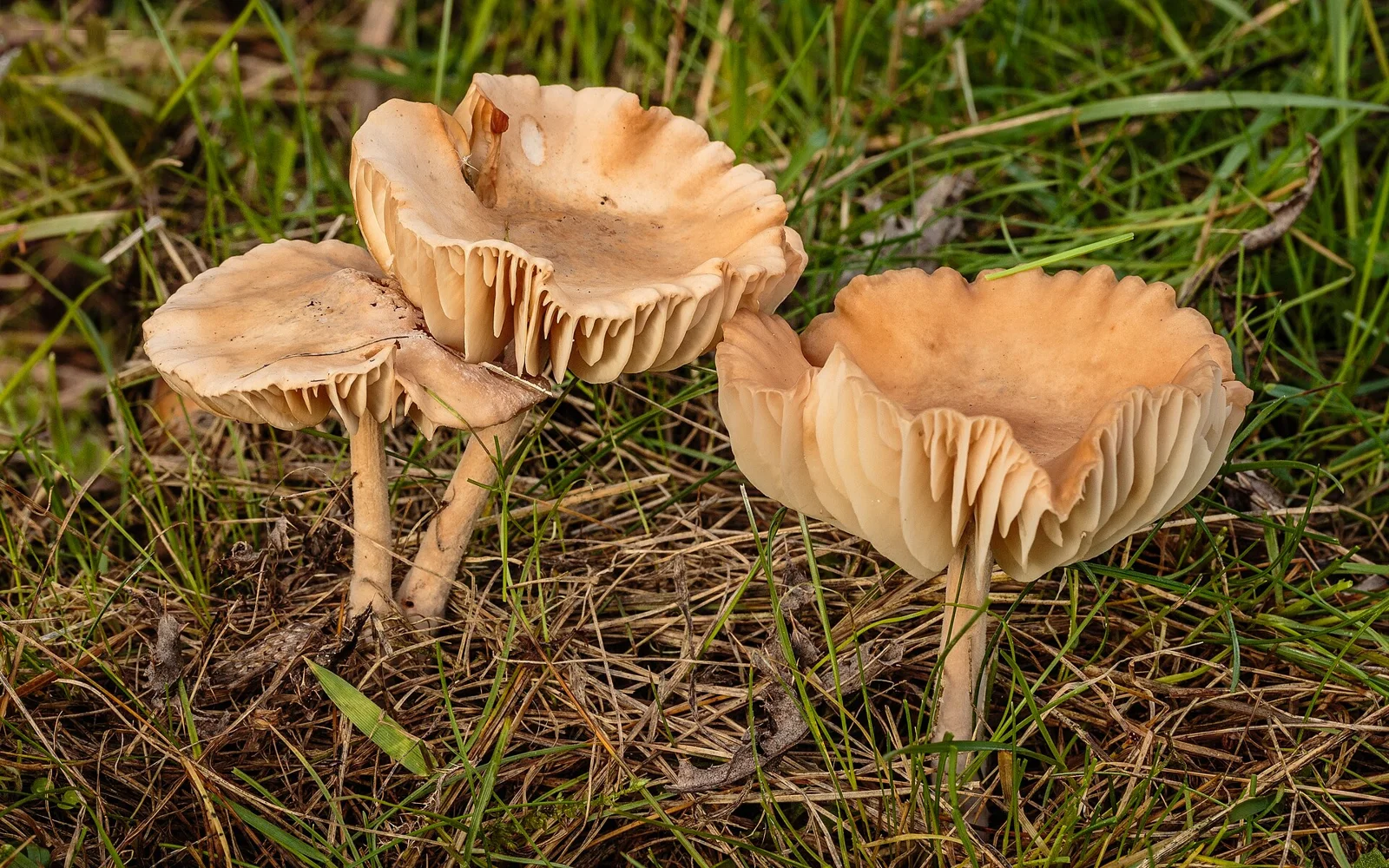
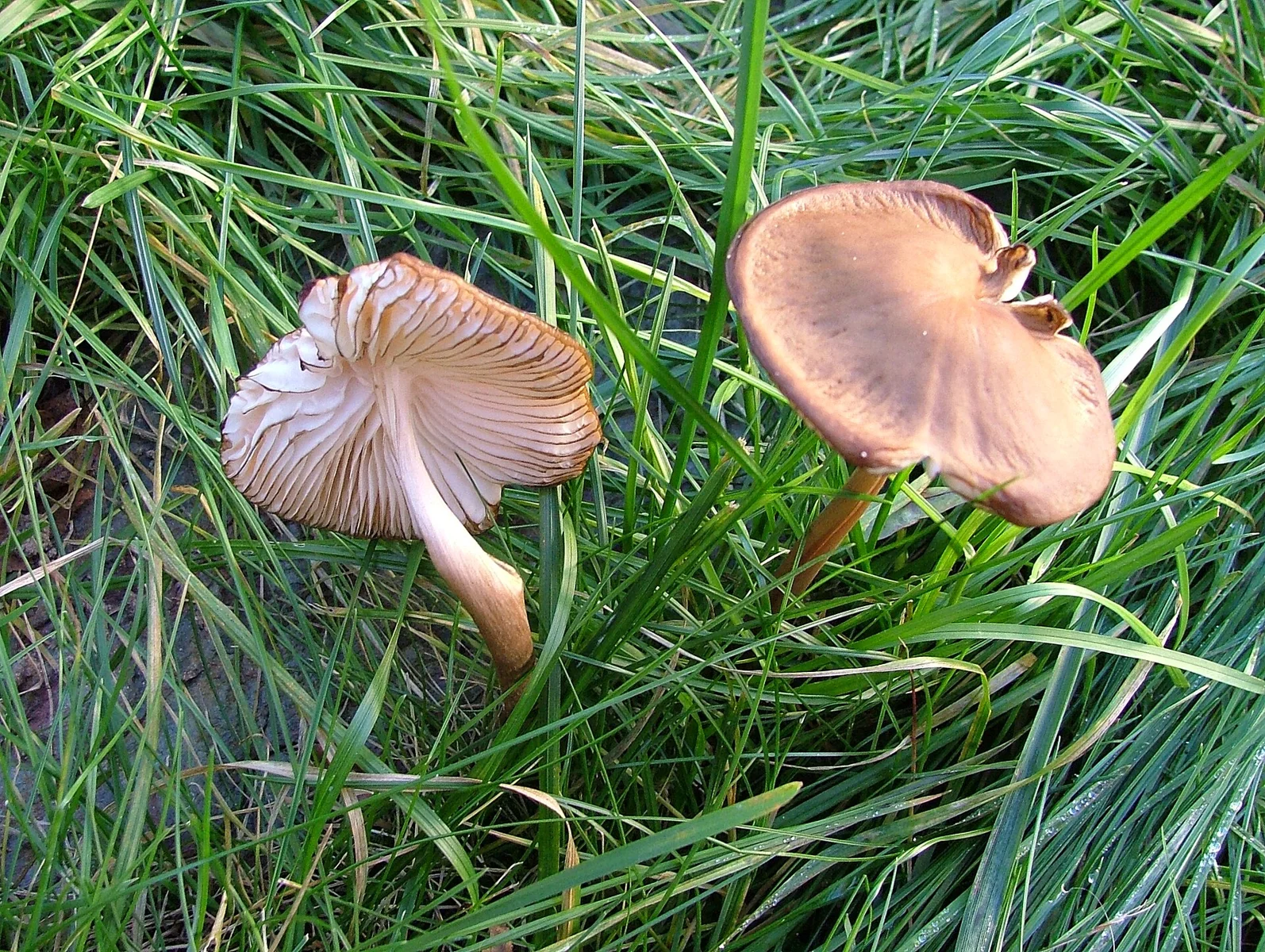
While many fungi are capable of creating rings, a few species are especially noted for the phenomenon: - Marasmius oreades (Fairy Ring Mushroom) – A small, tan‑brown mushroom often found in lawns and pastures. - Lepista nuda (Blewit) – Known for its lilac‑purple caps, it forms rings in wooded areas. - Clitocybe rivulosa – A more toxic species that can still produce striking rings. - Agaricus campestris (Field Mushroom) – Occasionally forms rings in grasslands.
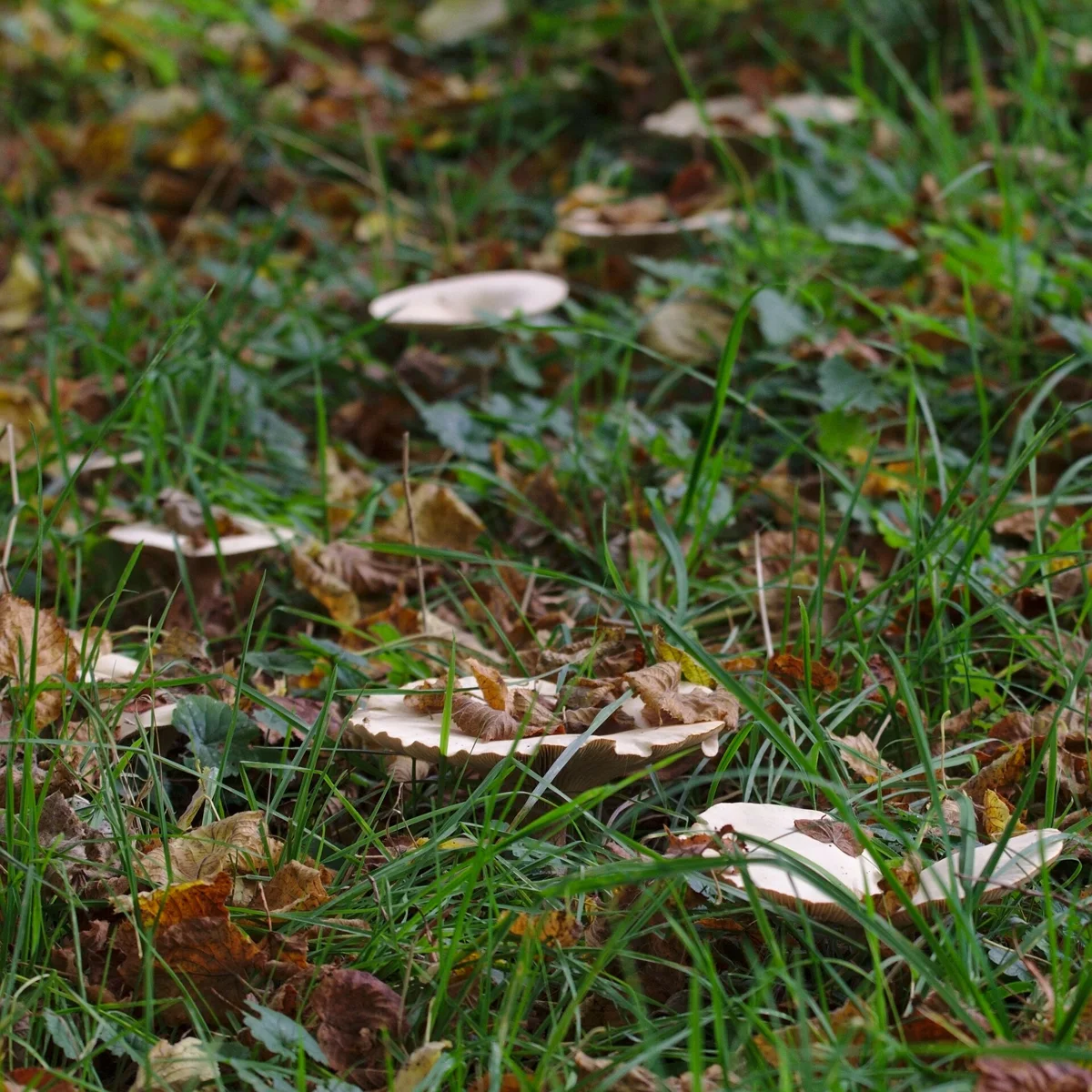
Identifying the exact species requires careful observation of cap shape, color, gill attachment, and spore print, and always consulting an expert before any consumption.
Fairy Rings in Folklore and Culture
Across cultures, fairy rings have inspired myths and cautionary tales: - European Folklore: In Britain and Ireland, the rings were thought to be places where fairies danced, and stepping inside could bring misfortune or enchantment. - Scandinavian Legends: Some stories warned that the rings were portals to the underworld, and travelers who entered might never return. - Native American Beliefs: Certain tribes saw the rings as symbols of renewal, associating them with the cyclical nature of life. - Asian Traditions: In Japan, fairy rings (known as yōkai circles) were sometimes linked to spirits that could grant wishes if approached respectfully.
These narratives often served practical purposes, discouraging people—especially children—from playing in potentially hazardous fungal zones where some species could be toxic.
Ecological Impact of Fairy Rings
Beyond their cultural allure, fairy rings play a role in ecosystem dynamics: - Soil Enrichment: As fungi decompose organic matter, they release nutrients like nitrogen and phosphorus back into the soil, sometimes creating a greener ring of grass. - Plant Interactions: Mycorrhizal fairy‑ring fungi can enhance water and nutrient uptake for nearby plants, influencing plant community composition. - Habitat Creation: The microhabitat within a ring can differ in moisture and pH, supporting a distinct set of microorganisms and invertebrates.
Understanding these effects helps land managers balance aesthetic concerns with the ecological benefits of allowing fairy rings to persist.
From Earth to Mars: Why Fairy Rings Matter for Space Farming
Mushroom cultivation is a promising component of life‑support systems for long‑duration space missions. The radial growth pattern of fairy‑ring‑forming fungi offers a natural model for distributed, self‑expanding bioreactors that could be used in Martian habitats. By mimicking the outward‑expanding mycelial front, engineers can design modular fungal farms that continuously produce food, biomaterials, and waste‑processing enzymes while minimizing the need for manual re‑planting. Studying fairy rings on Earth therefore informs the design of resilient, low‑maintenance fungal ecosystems for future Martian colonies.
Sources
- Fairy ring - Wikipedia
- Mycelial growth and nutrient depletion
- Fungal folklore and cultural significance
This article is for general information only and is not medical advice. Do not use it to diagnose or treat any condition; talk to a doctor about health questions.
This article was prepared with AI assistance from the sources listed above and approved by the Mushroom 2 Mars team before publication.