What Are Yardangs?
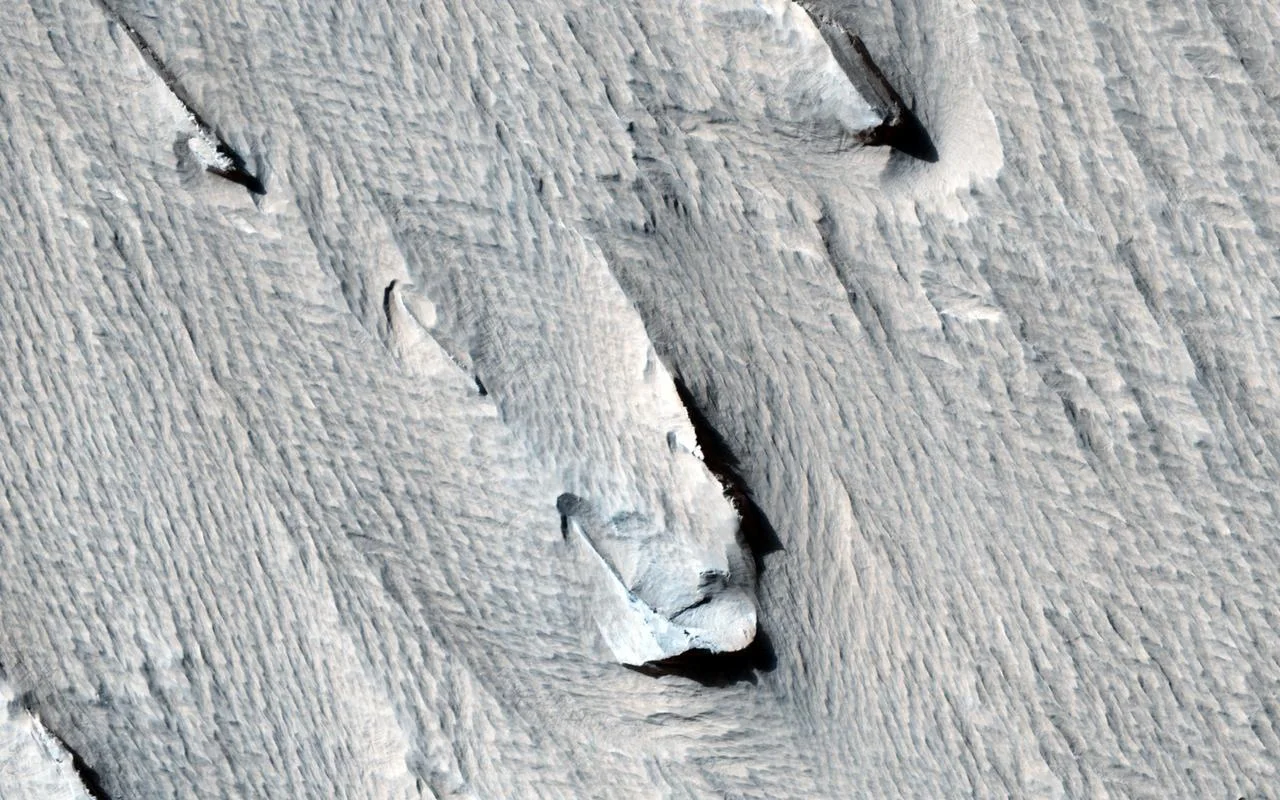
Yardangs are streamlined ridges that look like elongated dunes frozen in stone. They develop when wind‑driven sand particles sandblast softer rock layers, gradually sculpting narrow, aerodynamic shapes. The process leaves a smooth, tapering profile that often points in the direction the wind once blew. On Earth, similar features appear in deserts such as the Sahara, but on Mars they are especially prominent in a few geological units.
The Medusae Fossae Formation – A Yardang Hotspot
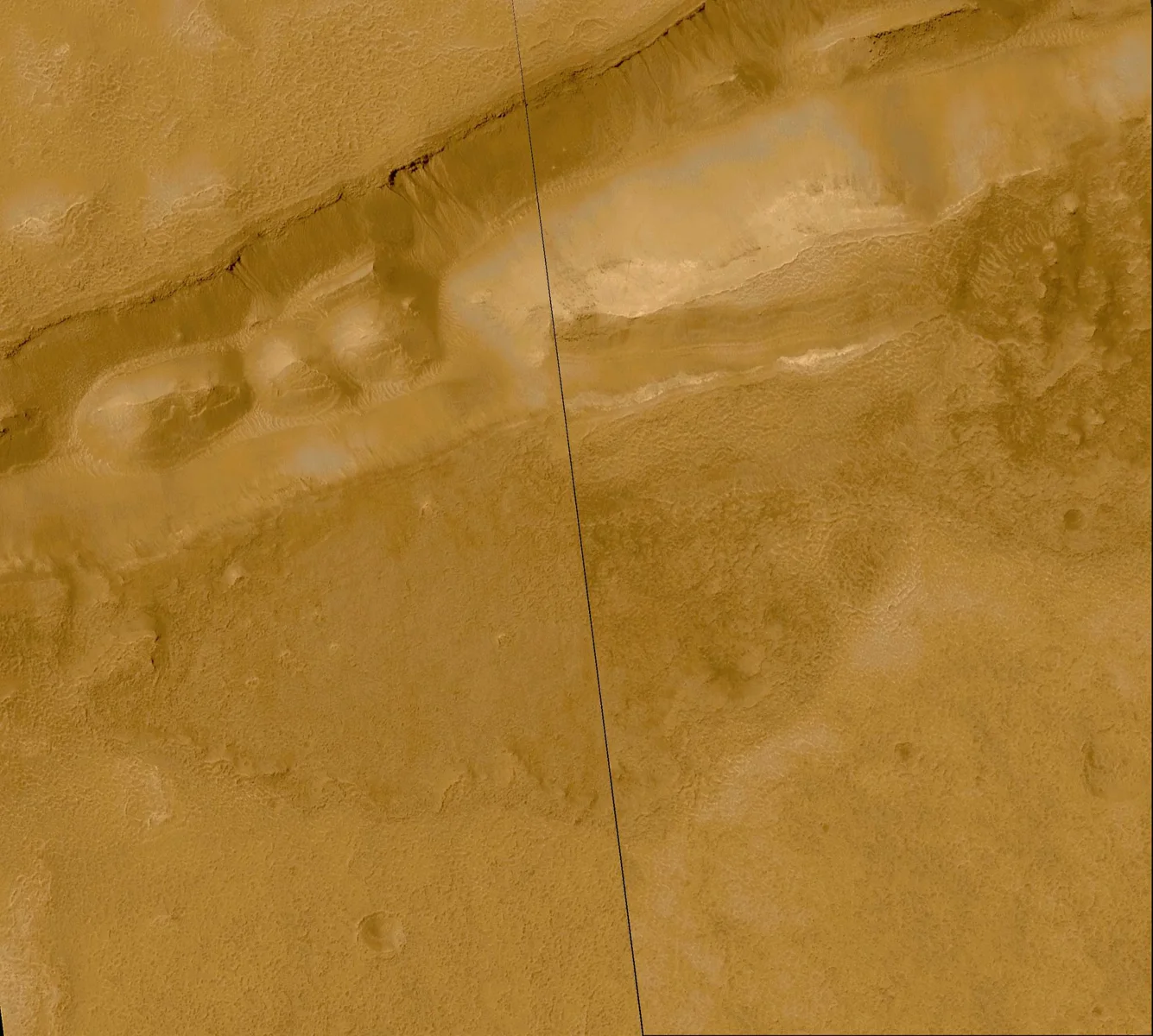
The most extensive yardang fields on Mars occur in the Medusae Fossae Formation, a vast deposit that stretches across the Amazonis quadrangle near the planet’s equator. This formation is thought to consist of loosely cemented dust or volcanic ash that was laid down by ancient winds. Because the material is easily eroded, it yields the long, thin ridges that dominate the landscape. High‑resolution images from Viking, Mars Global Surveyor, and the HiRISE camera show that the yardangs vary in hardness, reflecting subtle differences in particle size, cementation, and composition.
How Wind Shapes the Landscape
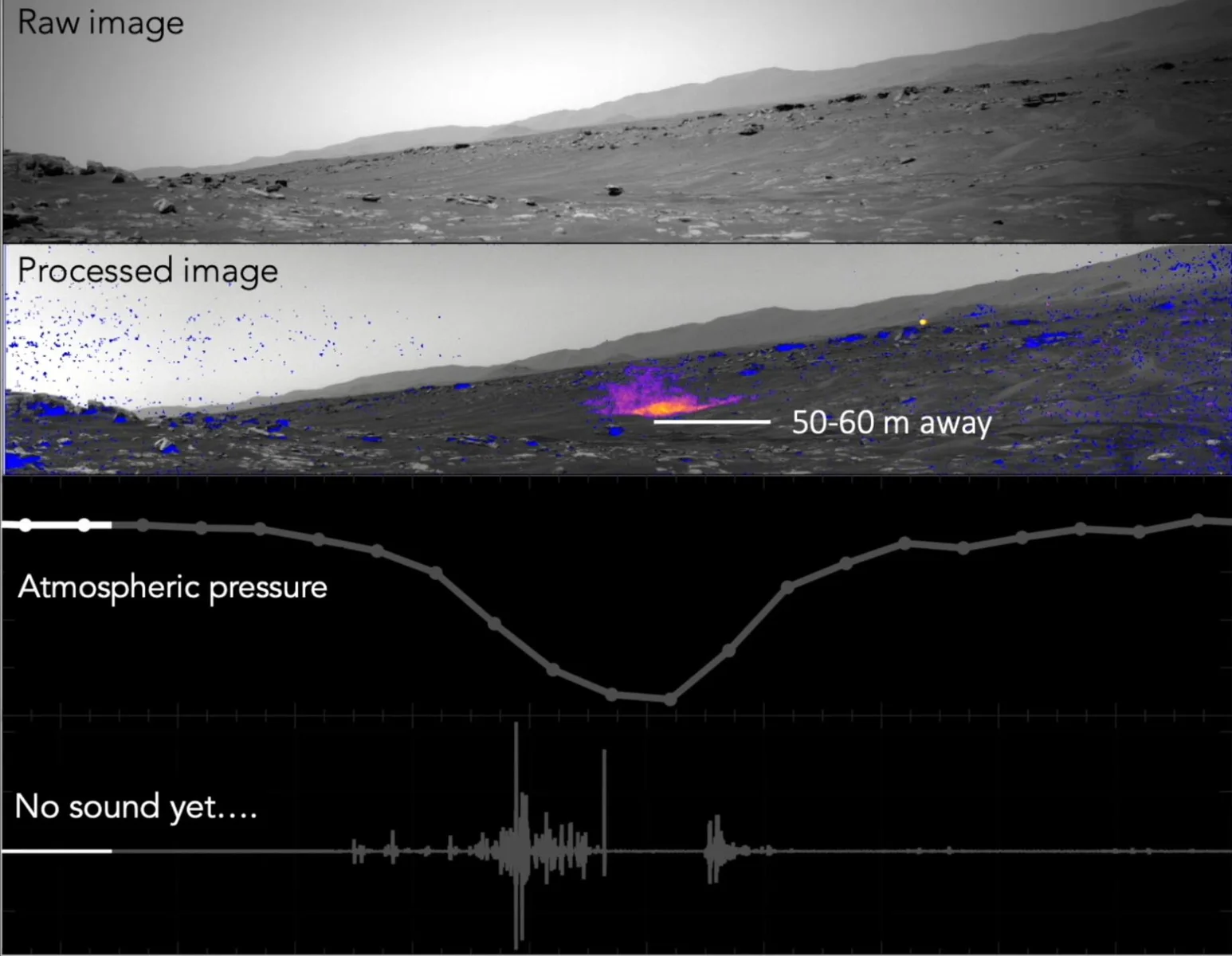
Martian winds can reach speeds of over 30 m s⁻¹ during dust storms, and the thin atmosphere allows sand grains to bounce—called saltation—across the surface. When these grains strike a vulnerable rock face, they chip away at the material. Over millions of years, the repeated impacts carve the characteristic streamlined shape. The orientation of a yardang therefore records the prevailing wind direction at the time of its formation, providing a natural wind‑rose for planetary scientists.
Clues About Surface Age and Activity
Yardangs typically show very few impact craters, which suggests that the exposed surfaces are relatively young. On a planet where crater counting is a primary method for estimating age, the scarcity of craters implies that erosion may still be active, or that the yardangs were formed after the most recent major resurfacing events. This youthful appearance helps researchers gauge how dynamic the Martian surface remains, even in regions that appear ancient.
Layering and Caprock Features
In many yardangs, especially those captured by HiRISE, a harder caprock crowns the ridge. This resistant layer protects the underlying softer material from rapid erosion, creating a distinct “head” that can survive longer than the flanks. Visible layering within the ridges records successive episodes of deposition, cementation, and erosion, offering a stratigraphic record that scientists can read much like the rings of a tree.
Why Yardangs Matter for Future Exploration
Understanding yardangs is more than an academic exercise. Their orientation and composition can inform landing site selection for rovers and future human missions, as they indicate wind patterns and surface stability. Moreover, the loosely bound sediments that form yardangs could be a source of in‑situ resources, such as regolith for construction or raw material for extracting oxygen. As we plan habitats on Mars, knowing where wind‑erosion has already sculpted the terrain helps engineers choose safer, more stable ground.
Connecting Yardangs to Mushroom Farming on Mars
Just as wind carves yardangs from fragile deposits, the controlled environment of a Martian greenhouse will shape delicate mushroom cultures into thriving food sources for future explorers.
Sources
This article was prepared with AI assistance from the sources listed above and approved by the Mushroom 2 Mars team before publication.