What Are Periodic Bedrock Ridges?
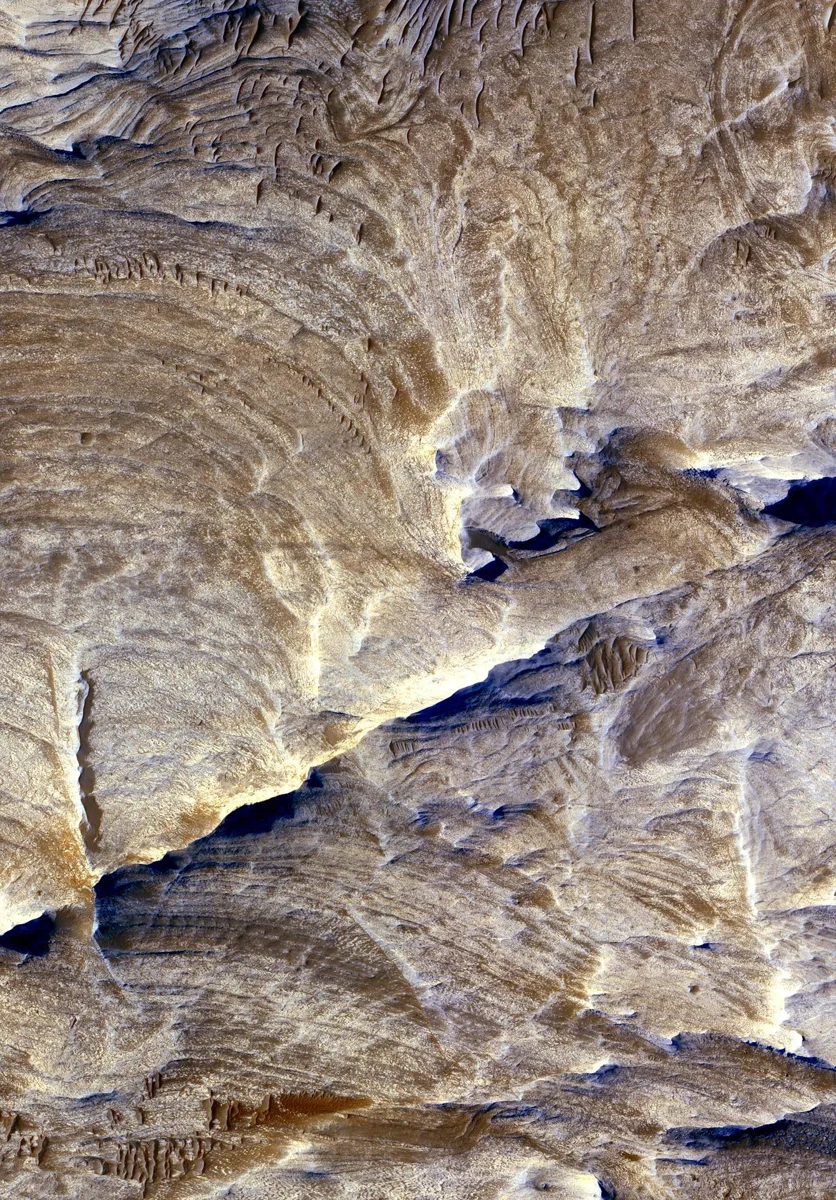
Periodic Bedrock Ridges (PBRs) are a class of transverse, wind‑eroded ridges that cut into cohesive bedrock on the Martian surface. Unlike dunes or yardangs, which are built from loose sand or aligned with prevailing winds, PBRs run perpendicular to the wind direction and expose continuous layers from crest to trough. Their wavelengths – the distance from one ridge crest to the next – typically range from about 18 m to 51 m (59–167 ft).
How Scientists Detected PBRs
The first detailed description of PBRs appeared in a 2012 paper in Journal of Geological Research – Planets by David Montgomery, Joshua Bandfield, and Scott Becker of the University of Washington. The team examined high‑resolution images from the High Resolution Imaging Science Experiment (HiRISE) on NASA’s Mars Reconnaissance Orbiter. Those images showed that some features previously thought to be megaripples or fossilized dunes were actually carved into solid, layered rock, preserving stratigraphic continuity across each ridge.
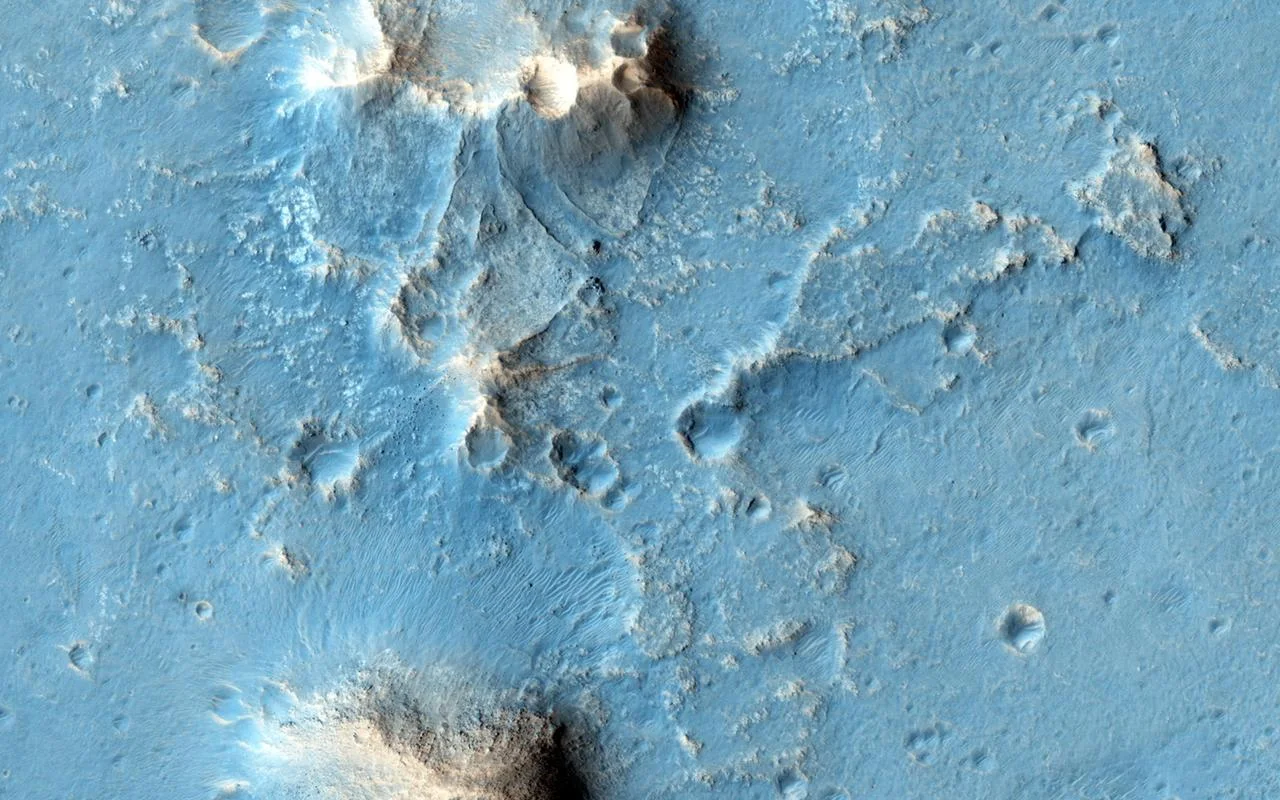
Why Wind, Not Water, Shapes These Ridges
Mars today experiences pervasive wind‑driven sediment transport, and evidence suggests that aeolian processes dominated much of the planet’s geological history. Because Mars lacks the extensive fluvial networks that sculpt Earth’s landscapes, wind can act directly on exposed bedrock. The authors noted that the transverse orientation of PBRs – at roughly 90° to the prevailing wind – distinguishes them from yardangs, which tend to align with wind flow. Simple fluid‑dynamic models predict that spacing between flow separations can create regular erosional wavelengths, matching the observed 18–51 m spacing of PBRs.
A New Landmark: Oxia Planum
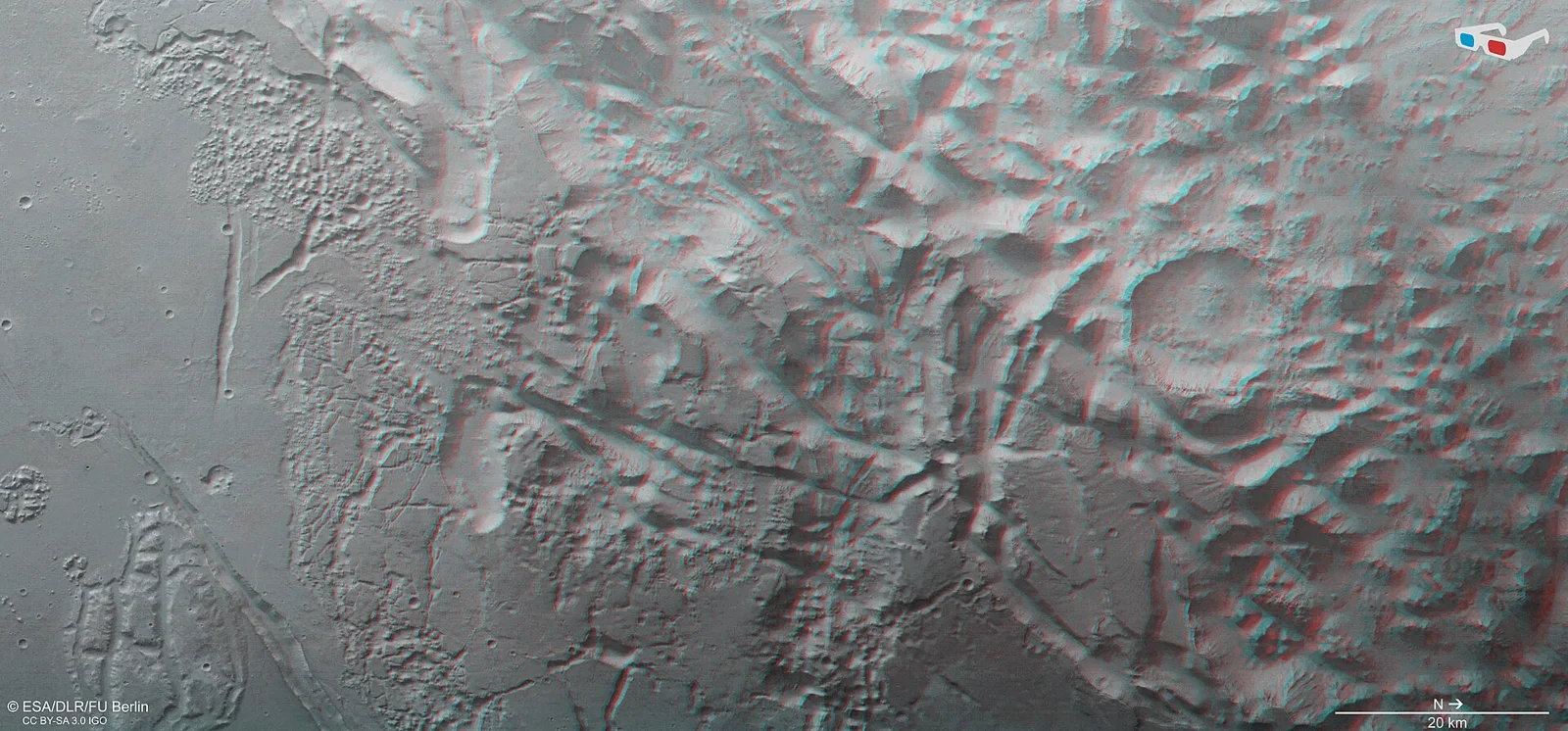
PBRs were later identified at the ExoMars 2022 landing site, Oxia Planum. Their presence there indicates that the region experienced multiple climatic shifts during the Amazonian period, the most recent era of Martian history. By mapping PBRs across Oxia Planum, researchers can infer changes in wind strength and direction, offering a window into the planet’s evolving atmosphere.
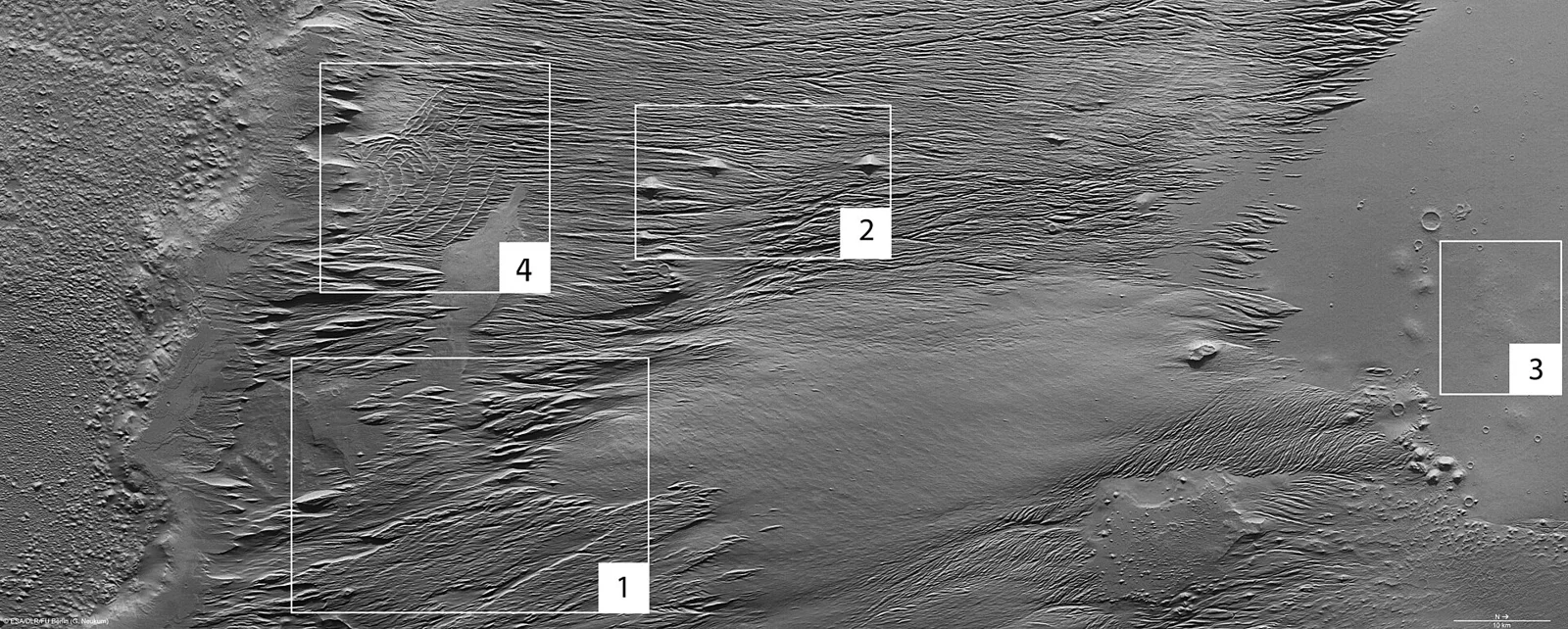
Earth’s Missing Counterpart
To date, no exact analog of PBRs exists on Earth. Montgomery has explained that while some terrestrial landforms share superficial similarities, true PBRs require extensive exposed bedrock with wind as the dominant erosive force – a rare combination on a planet where water erosion predominates. This makes PBRs a uniquely Martian signature of a dry, wind‑shaped world.
Why PBRs Matter for Mars Exploration
Recognizing PBRs helps scientists avoid misclassifying them as active dunes or indurated sedimentary deposits. Accurate interpretation of surface morphology is crucial for reconstructing past climate, selecting safe landing sites, and planning future missions that might harvest in‑situ resources. For projects like Mushroom 2 Mars, understanding wind‑carved bedrock can inform where stable, sheltered micro‑environments might exist for cultivating fungi under Martian conditions.
In short, these wind‑carved ridges not only rewrite part of Mars’ geological story but also point to niches where future life‑supporting habitats could take root.
Sources
This article was prepared with AI assistance from the sources listed above and approved by the Mushroom 2 Mars team before publication.