A Surprise from the Red Planet’s Deep Interior
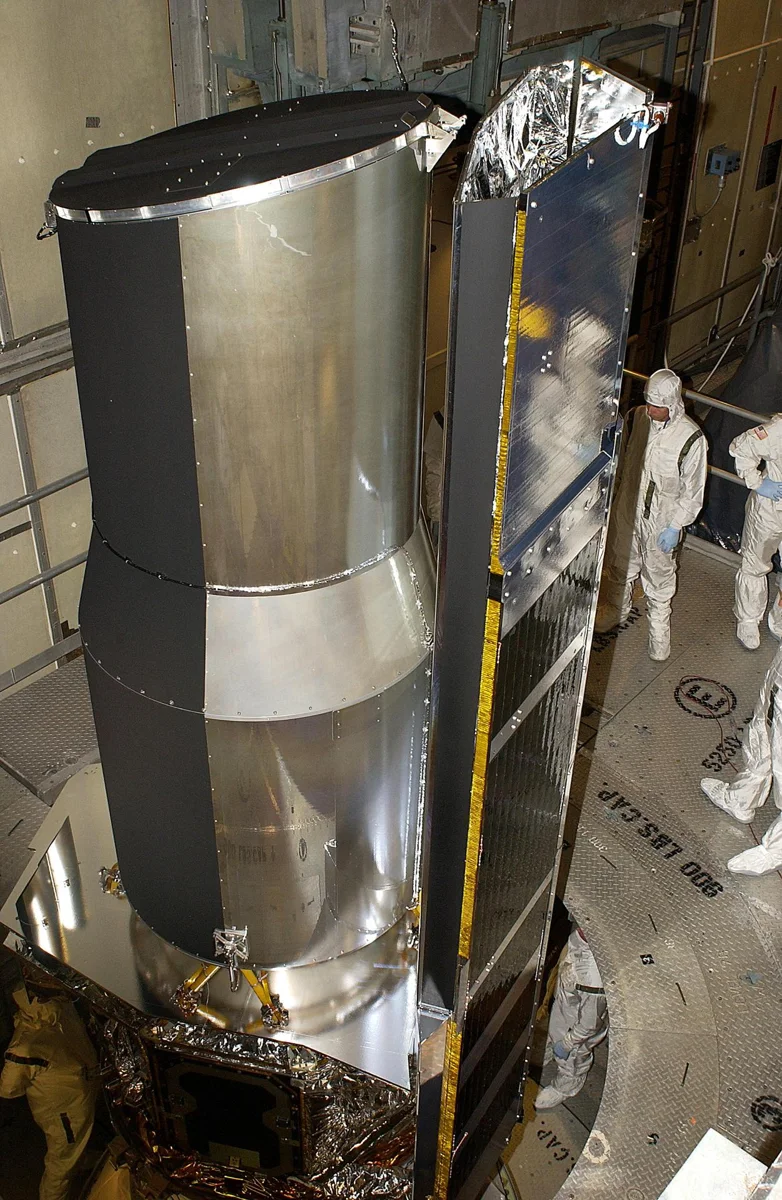
For decades, scientists treated Mars as a dead world, its surface frozen in time after billions of years of volcanic and tectonic activity. The planet’s crust is a single, solid plate – a “stagnant lid” – unlike Earth’s moving plates. That picture began to change with NASA’s InSight lander, which has been listening to the planet’s interior since 2018. In August 2021, InSight recorded a seismic event (designated S0976a) that originated beneath Valles Marineris, the Solar System’s longest and deepest canyon. The signal showed rocks slipping along a deep fault, indicating that the canyon’s ancient rift zones are still capable of movement.
What Valles Marineris Is and How It Formed
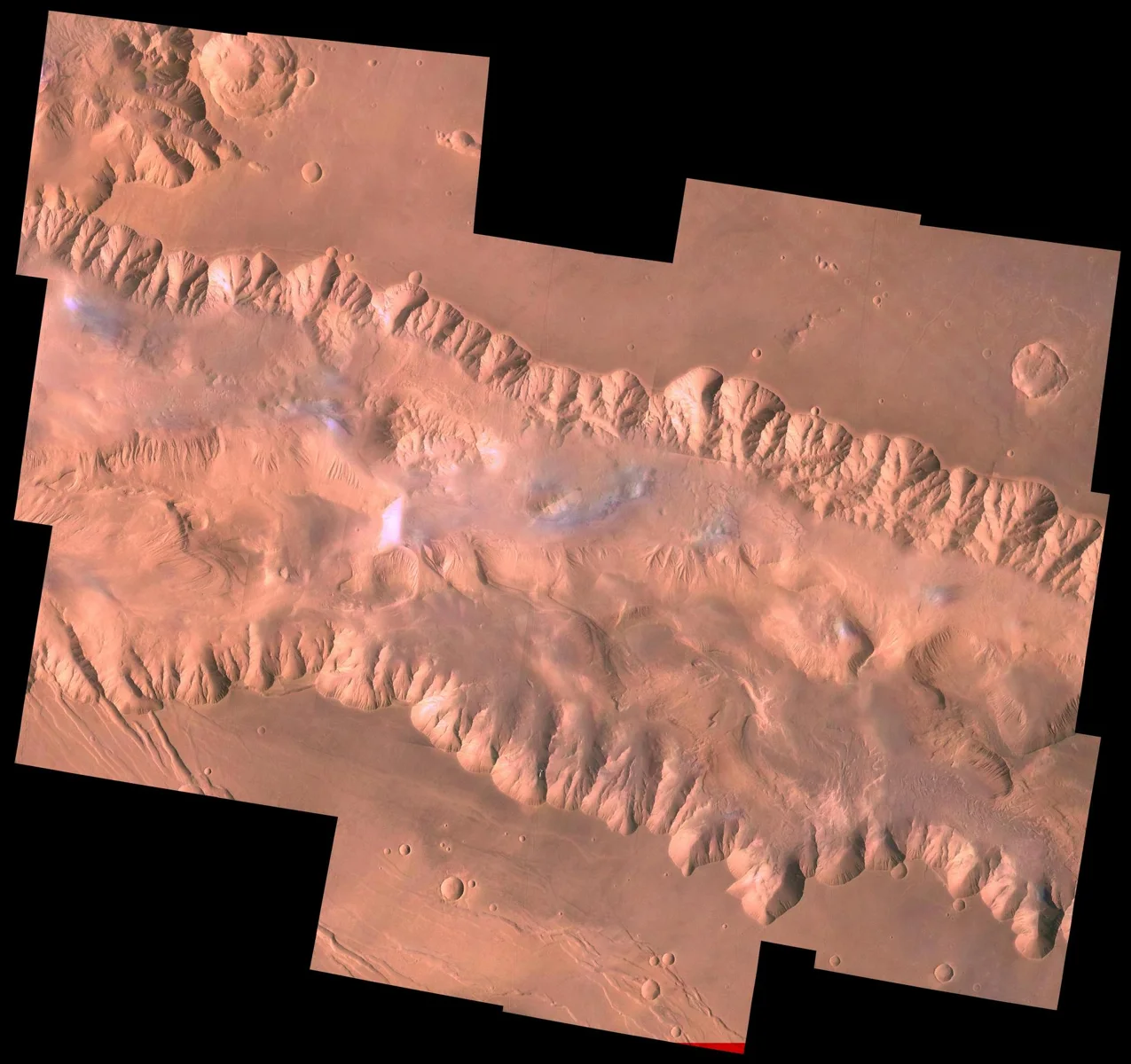
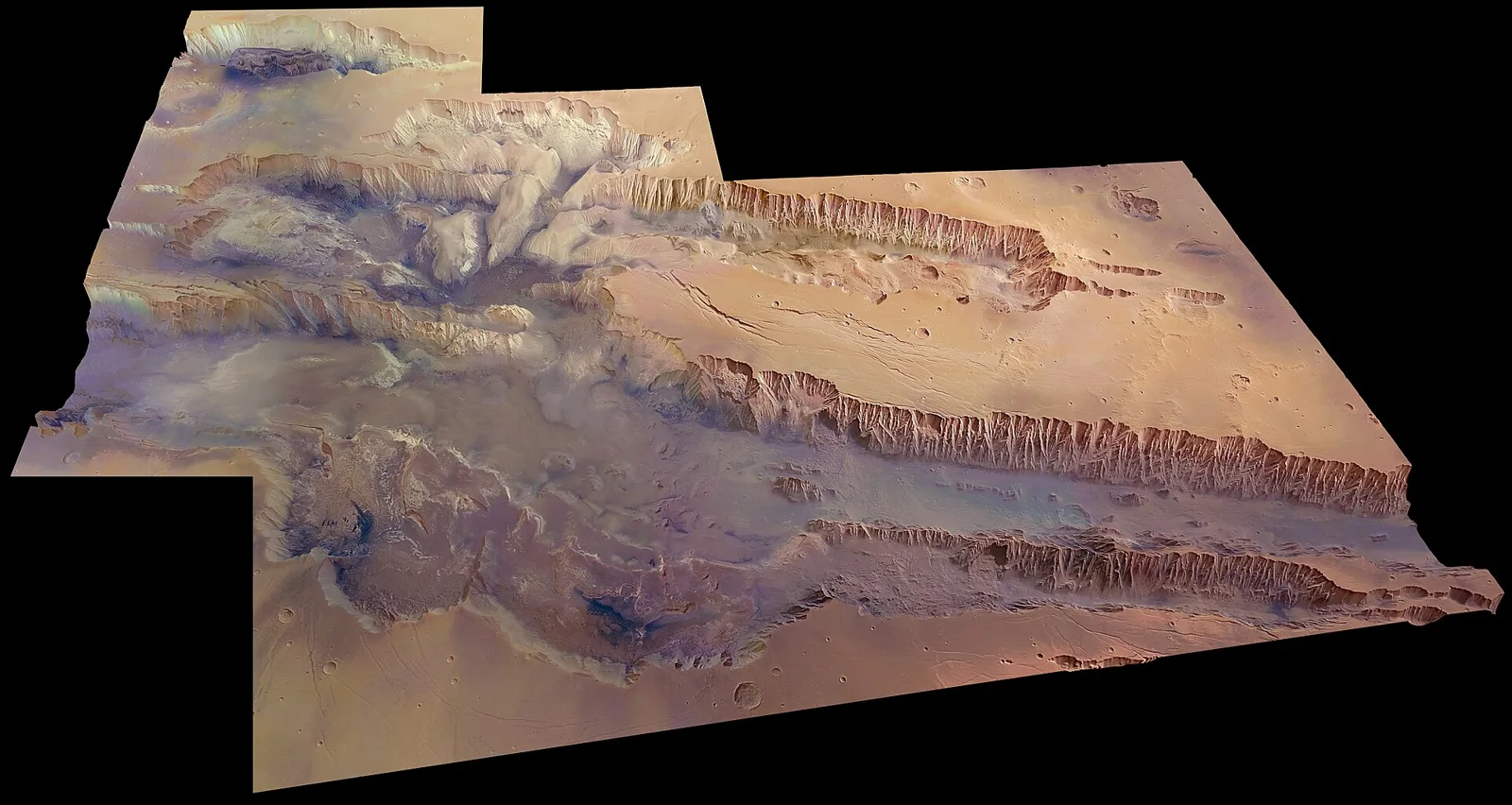
Valles Marineris stretches about 3,900 km (2,423 mi) across the Martian surface, reaching widths up to 600 km (373 mi) and depths over 9 km (5.5 mi). By comparison, Earth’s largest canyon, the Yarlung Tsangpo Grand Canyon, is roughly one‑eighth the length and far narrower. The prevailing theory is that the canyon began as a series of rift faults created by tensional forces that pulled the crust apart during the planet’s early volcanic era, when the massive Tharsis bulge was forming (4.1–3.0 billion years ago). Subsequent erosion and collapse of the rift walls likely widened and deepened the system, much like the East African Rift on Earth.

Listening to Mars: The InSight Seismic Discovery
InSight’s seismometer detected the S0976a event on August 25 2021. Initial models considered impacts, landslides, or other mass‑movement phenomena, but satellite images from the Mars Reconnaissance Orbiter showed no fresh craters or debris flows. The seismic waveform, however, matched a strike‑slip quake: blocks of crust sliding horizontally past one another along a steep fault 20–40 km (12–24 mi) beneath the canyon floor. This sideways motion is the same style of faulting that powers many earthquakes on Earth.
Why This Matters for Martian Geology
The discovery confirms that faults formed billions of years ago are still unstable enough to rupture under present‑day stresses. Those stresses likely arise from long‑term cooling of the planet’s interior, lingering volcanic pressures, and the massive weight of the canyon walls themselves. The finding adds Valles Marineris to a growing list of active regions identified by InSight, including the Cerberus Fossae fissures and parts of Elysium Planitia. Together, they suggest that Mars’ crust experiences localized stress patterns rather than a uniform, planet‑wide regime.
Implications for Future Exploration
Active faulting has practical consequences for future missions. Seismic activity can affect lander stability, underground habitat construction, and the safety of rover traverses. At the same time, the ability of faults to release stress offers a natural probe of the planet’s interior. The S0976a waves traveled through Mars’ core, giving scientists a rare glimpse of its deep structure while also pinpointing the quake’s source.
Looking Ahead: Mars, Canyons, and the Dream of Cultivation
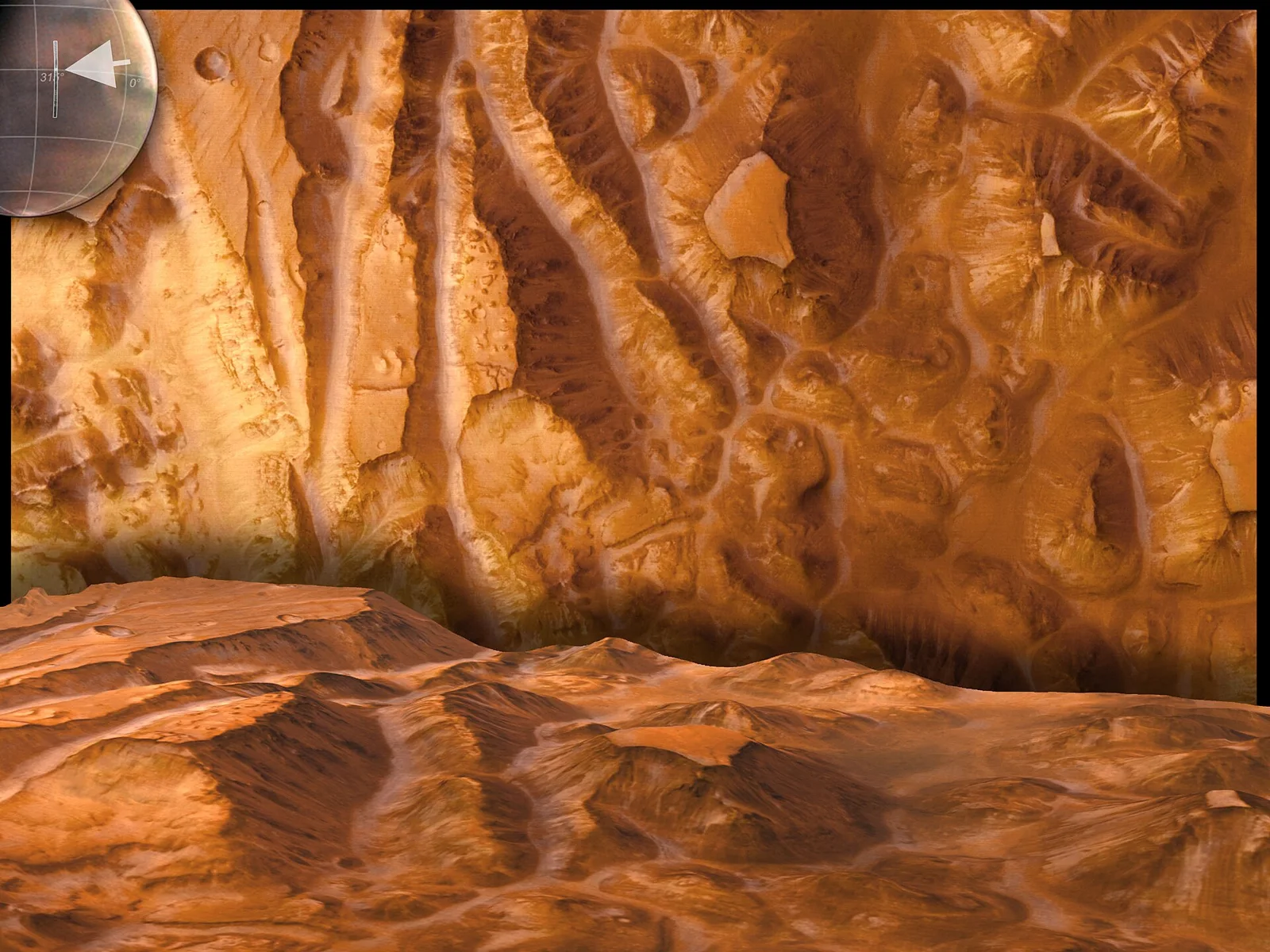
Understanding that Valles Marineris is not a static scar but a dynamic system reshapes how we view the Red Planet’s habitability. If tectonic processes are still at work, they may influence subsurface water reservoirs—key targets for any future mushroom‑cultivation experiments in Martian habitats. As we continue to listen to Mars, each tremor brings us closer to turning the dream of growing fungi on the Martian surface into reality.
Sources
This article was prepared with AI assistance from the sources listed above and approved by the Mushroom 2 Mars team before publication.