Part of the guide: Mushrooms: A Complete Guide to Identification, Cooking, and Cultivation
Ingredients you’ll need
- 200 g mixed mushrooms – button, shiitake, or oyster work well. Fresh, store‑bought varieties are fine; avoid wild‑foraged specimens unless you are an expert.
- 200 g rice noodles (thin or medium width). Rinse them after cooking to keep them from sticking.
- 2 tablespoons soy sauce (low‑sodium if you prefer).
- 1 tablespoon sesame oil for flavor and a little extra oil for the wok.
- 1 inch fresh ginger, finely grated (about 2 teaspoons).
- 2 cloves garlic, minced.
- 1 small carrot, julienned (optional for color and crunch).
- 2 spring‑green onions, sliced on the diagonal.
- 1 teaspoon toasted sesame seeds for garnish.
- Pinch of red‑pepper flakes (optional heat).
- Fresh cilantro or Thai basil for a finishing herb note.
Preparing the noodles and mushrooms
- Cook the rice noodles according to the package – usually 3–5 minutes in boiling water. Drain, rinse under cold water, and set aside.
- Clean the mushrooms with a damp paper towel; a quick wipe removes soil without soaking them. Slice larger caps into bite‑size pieces.
- Heat 1 tablespoon of neutral oil (such as canola) in a large wok or skillet over medium‑high heat. When shimmering, add the mushrooms in a single layer. Let them sit for 1 minute to develop a light sear, then stir‑fry for another 3–4 minutes until they release moisture and turn golden. Transfer to a plate.
Building the flavor base
- Add a splash of sesame oil to the same pan, then toss in the grated ginger and minced garlic. Stir for 30 seconds – the aromatics should become fragrant but not browned.
- If using carrots, add them now and stir‑fry for 1 minute; they stay crisp.
- Return the mushrooms to the pan, then pour in the soy sauce and a tablespoon of water (or vegetable broth) to create a thin glaze. Cook for another minute, allowing the sauce to coat the mushrooms.
Bringing it all together
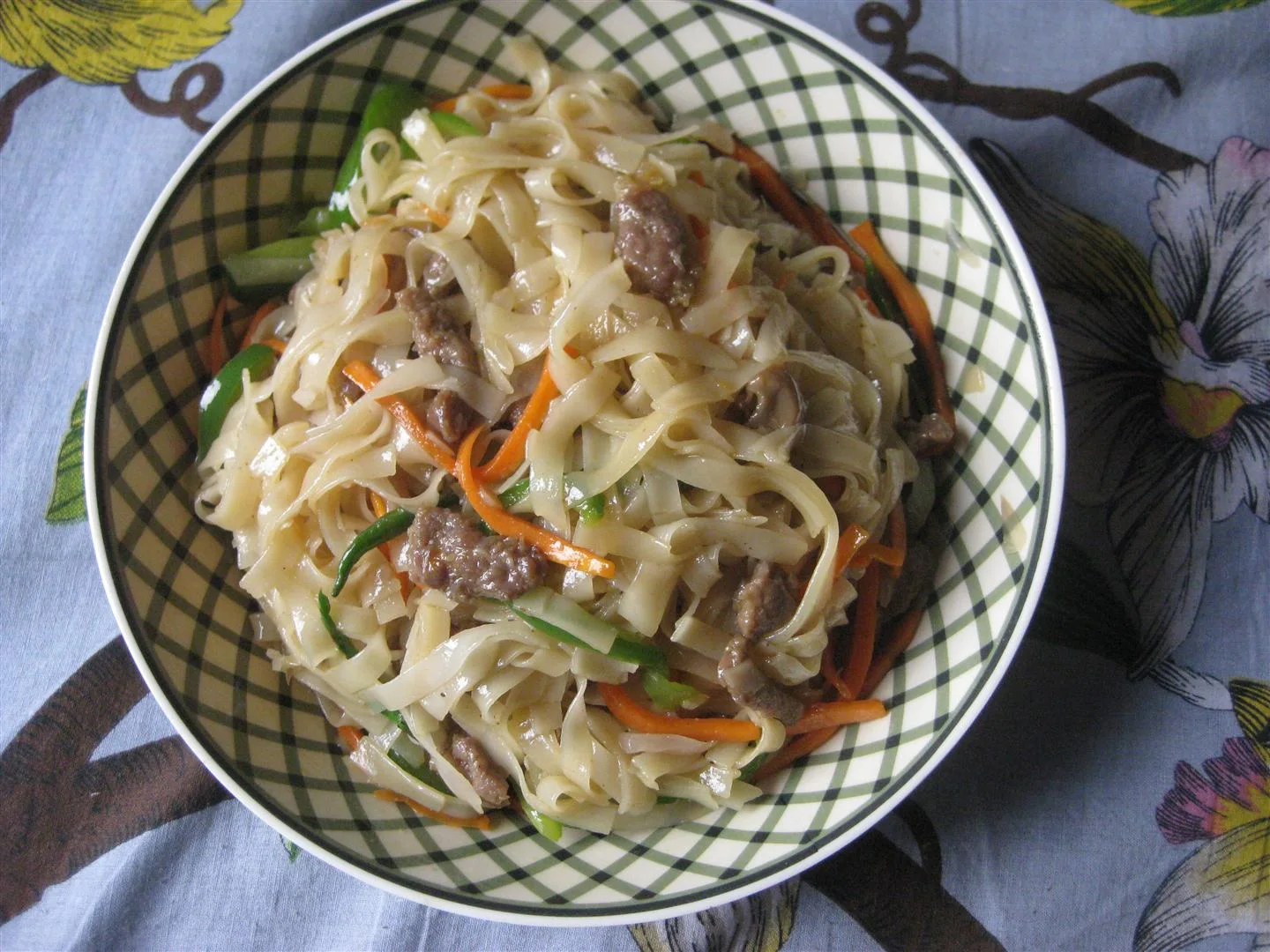
- Add the cooked rice noodles to the wok, tossing quickly to combine. The heat should be high enough to steam‑heat the noodles for 1–2 minutes; this prevents them from becoming soggy.
- Sprinkle the sliced green onions, red‑pepper flakes (if using), and a drizzle of extra sesame oil for shine. Toss once more and remove from heat.
- Serve immediately, garnished with toasted sesame seeds and fresh herbs.
Why this stir‑fry works well for weeknights
- Speed: From start to plate in about 20 minutes, thanks to pre‑cooked noodles and quick‑cook mushrooms.
- Flexibility: Swap mushrooms for any favorite variety – king oyster, pleurotus, or even canned shiitake. Add extra veggies like bell pepper or snap peas for more nutrition.
- Nutrient profile: Mushrooms provide B‑vitamins, selenium, and modest protein, while ginger contributes antioxidants that may support digestion (research suggests ginger has anti‑inflammatory properties, but effects vary among individuals). The dish is naturally vegan and gluten‑free when using tamari instead of soy sauce.
Safety notes for mushroom lovers
- Only use cultivated, store‑bought mushrooms unless you have professional identification skills. Wild mushrooms can contain toxins that survive cooking.
- Cook mushrooms thoroughly; while most edible varieties are safe raw, cooking improves texture and reduces any potential mild gastrointestinal irritation.
- Store leftovers in an airtight container in the refrigerator for up to 2 days. Reheat to a steaming temperature before eating.
A quick glance at the science of stir‑frying
Stir‑frying uses high heat and rapid movement to seal in moisture while creating a flavorful Maillard‑type browning on the surface of ingredients. A 2022 review in Food Chemistry notes that the technique preserves more vitamins in vegetables compared with prolonged boiling, because the cooking time is short and water exposure is minimal. Mushrooms, with their high water content, benefit from this method – they release their own juices, which combine with the soy‑ginger glaze to form a glossy sauce without the need for added thickeners.
From the kitchen to the Red Planet
Mushrooms are already being studied for life‑support systems on future Mars habitats. A fast, protein‑rich stir‑fry like this showcases how cultivated fungi could become a staple in space‑based meals, providing flavor, nutrition, and a taste of Earth’s comfort food.
Recipe adapted from Allrecipes’ mushroom stir‑fry guidance and supplemented with culinary best practices.
Sources
Only eat mushrooms you bought from a trusted seller or grew yourself. Never eat a wild mushroom unless an expert has identified it. Cook mushrooms thoroughly and check ingredients for allergies.
This article was prepared with AI assistance from the sources listed above and approved by the Mushroom 2 Mars team before publication.