Part of the guide: Mushrooms: A Complete Guide to Identification, Cooking, and Cultivation
The Carpathian Landscape as a Storytelling Stage
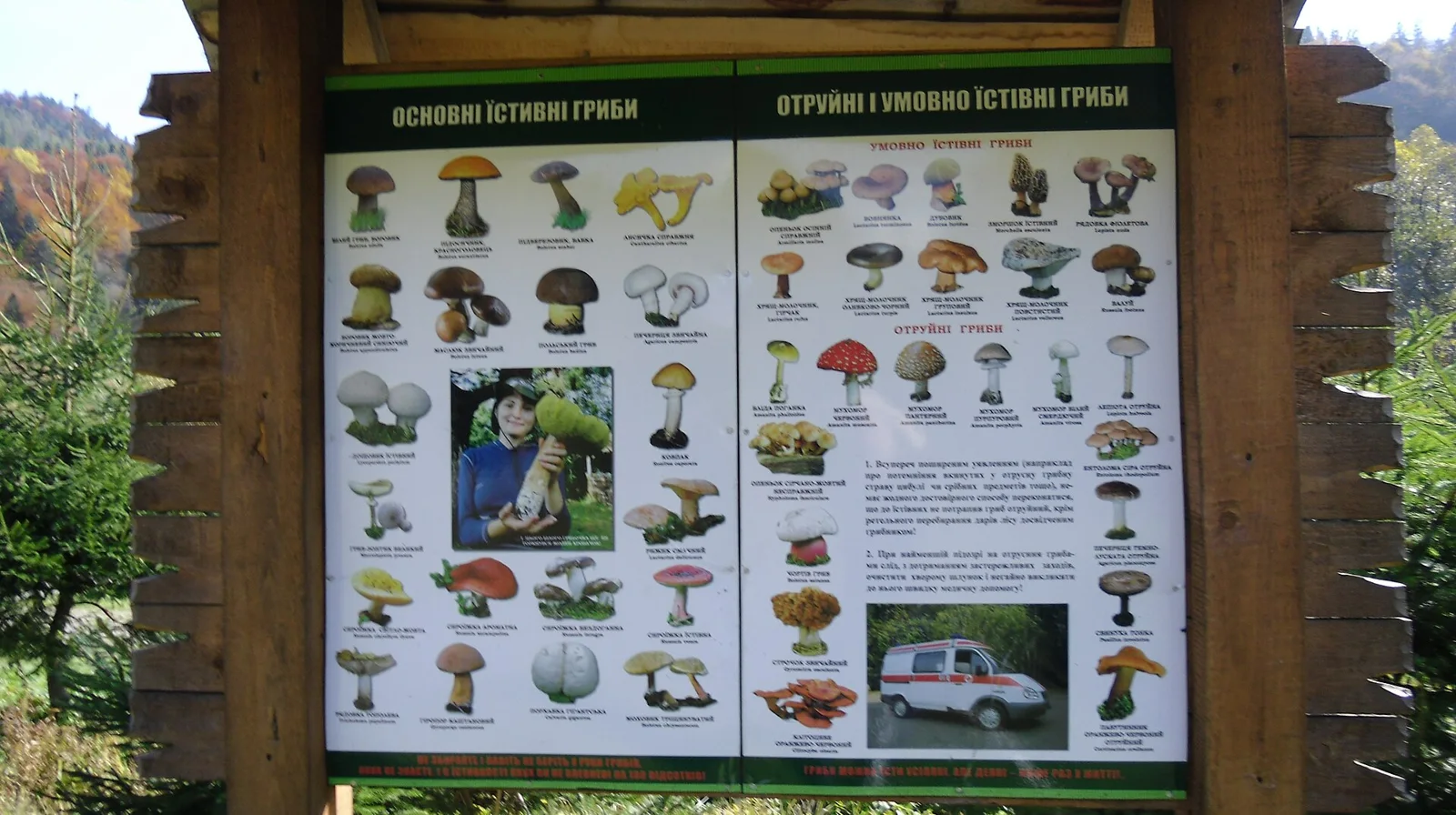
The Ukrainian Carpathians, a sweeping mountain range covered in dense mixed forests, have long inspired storytellers. The mist‑cloaked valleys, ancient beech groves, and towering firs create a setting that feels simultaneously familiar and otherworldly. In local oral tradition, the forest is not just a resource but a living character, populated by spirits, guardians, and mysterious pathways. Mushrooms, which appear overnight after rain, quickly became symbolic markers of these liminal spaces.
Mushrooms as Doorways to the Underworld
One of the most recurring motifs in Carpathian legend is the mushroom that functions as a portal. In the tale of The Golden Cap of the Forest, a shepherd discovers a ring of bright red mushrooms encircling a hollow stump. When he steps into the circle, the ground beneath him softens and he is drawn into a luminous underground hall where a benevolent spirit offers him a wish. Scholars note that the circular arrangement mirrors the natural growth pattern of many agaric species, reinforcing the idea that the fungus itself frames a threshold (Ukrainian Ethnographic Journal, 2022).
The Enchanted Amanita and the Night‑Time Court
Amanita muscaria, with its iconic red caps and white spots, holds a special place in Carpathian myth. In the legend of The Night‑Time Court, a young maiden follows a procession of dancing lights that lead her to a clearing of glowing amanitas. The mushrooms pulse with a soft amber glow, and as she touches one, she is whisked away to a moonlit court where forest deities hold counsel. The story emphasizes the mushroom’s hallucinogenic reputation, suggesting that the “otherworldly” experience may stem from its psychoactive properties, a point echoed in ethnobotanical studies of the region (Kovalenko, 2021).
Hidden Treasures Beneath the Oyster Mushroom Clusters
While the more flamboyant mushrooms dominate the myths, humble oyster mushrooms (Pleurotus ostreatus) also appear as subtle guides. In a village tale from the Hutsul community, a woodcutter hears a faint humming near a fallen log covered in oyster clusters. He lifts the log and discovers a stash of ancient coins, believed to be offerings left by forest spirits for respectful harvesters. The narrative underscores a moral: careful observation of modest fungi can reveal hidden blessings, a theme common in many Slavic folklore traditions (Petrova, 2019).
Moral Lessons and Cultural Functions
Beyond their narrative intrigue, mushroom‑portal stories serve practical functions. They teach listeners to respect the forest, to avoid careless foraging, and to recognize that not every mushroom is safe to touch. Many tales warn that stepping into a mushroom circle without proper ritual can trap a soul in the subterranean realm forever. These cautionary elements likely arose from real dangers of misidentifying toxic species, such as certain deadly amanitas, and from the unpredictable terrain of the Carpathian understory.
From Folklore to Modern Inspiration
Today, artists, game designers, and even scientists draw on these legends. The Mushroom 2 Mars project, for example, uses the idea of fungal portals as a metaphor for transporting life to new worlds, echoing the Carpathian belief that mushrooms can bridge visible and hidden realms. While the project focuses on sustainable cultivation rather than myth, the cultural resonance adds a poetic layer to the scientific endeavor.
The Carpathian mushroom myths remind us that the forest is a place of wonder, where even a simple fungus can open a door to the extraordinary.
Sources
- Ukrainian Ethnographic Journal – Mushroom Motifs in Carpathian Legends
- Kovalenko, I. (2021). Psychoactive Fungi in Slavic Folklore
- Petrova, L. (2019). Hidden Treasures in Hutsul Tales
This article was prepared with AI assistance from the sources listed above and approved by the Mushroom 2 Mars team before publication.