Part of the guide: Mushrooms: A Complete Guide to Identification, Cooking, and Cultivation
What Mycology Studies
Mycology is the scientific discipline that investigates fungi – a kingdom of organisms distinct from plants, animals, and bacteria. Researchers examine everything from the tiny spores that drift on the wind to the complex genetic networks that give each species its unique traits. The field touches taxonomy (how fungi are named and grouped), genetics, chemistry, and the ways humans use fungi for food, industry, and culture. A scientist who works in this area is called a mycologist.
A Brief Timeline of Fungal Knowledge
Humans have been fascinated by mushrooms for millennia. Early references appear in ancient Greek literature, with Euripides mentioning them in the 5th century BC and Theophrastus attempting an early classification in the 4th century BC. The Roman naturalist Pliny the Elder later described truffles in his Natural History (1st century AD).
In medieval China, the scholar Chen Renyu compiled the Junpu (1245), one of the oldest surviving mushroom manuals. The modern scientific era began with Pier Antonio Micheli’s 1737 work Nova plantarum genera, which introduced systematic naming for fungi and coined the genera Polyporus and Tuber. Carl Linnaeus incorporated fungi into his 1753 binomial system, assigning familiar names such as Agaricus and Boletus. Though Linnaeus grouped many gilled mushrooms together, later researchers split them into dozens of genera, refining the classification we use today.
The 19th century saw pioneers like Elias Magnus Fries and Christiaan Hendrik Persoon laying foundational taxonomic frameworks. Pier Andrea Saccardo later created a spore‑color based system for “imperfect” fungi, publishing the massive Sylloge Fungorum – still a valuable reference for historic names. The term “mycology” and its professional counterpart “mycologist” were popularized by M.J. Berkeley in 1836, although earlier uses appear in the work of Robert Kaye Greville.
A turning point arrived in 1969 when molecular studies revealed fungi’s closer evolutionary relationship to animals than to plants. This insight prompted mycology to emerge as an independent scientific field rather than a sub‑branch of botany.
Fungi in Ecosystems and Industry
Fungi are ecological powerhouses. Mycorrhizal fungi form symbiotic networks with plant roots, exchanging nutrients for carbon and dramatically enhancing plant growth. Other fungi decompose stubborn organic matter such as lignin, the tough polymer that gives wood its rigidity. By breaking down lignin and even complex pollutants like petroleum hydrocarbons, fungi help recycle carbon and detoxify environments, playing a crucial role in the global carbon cycle.
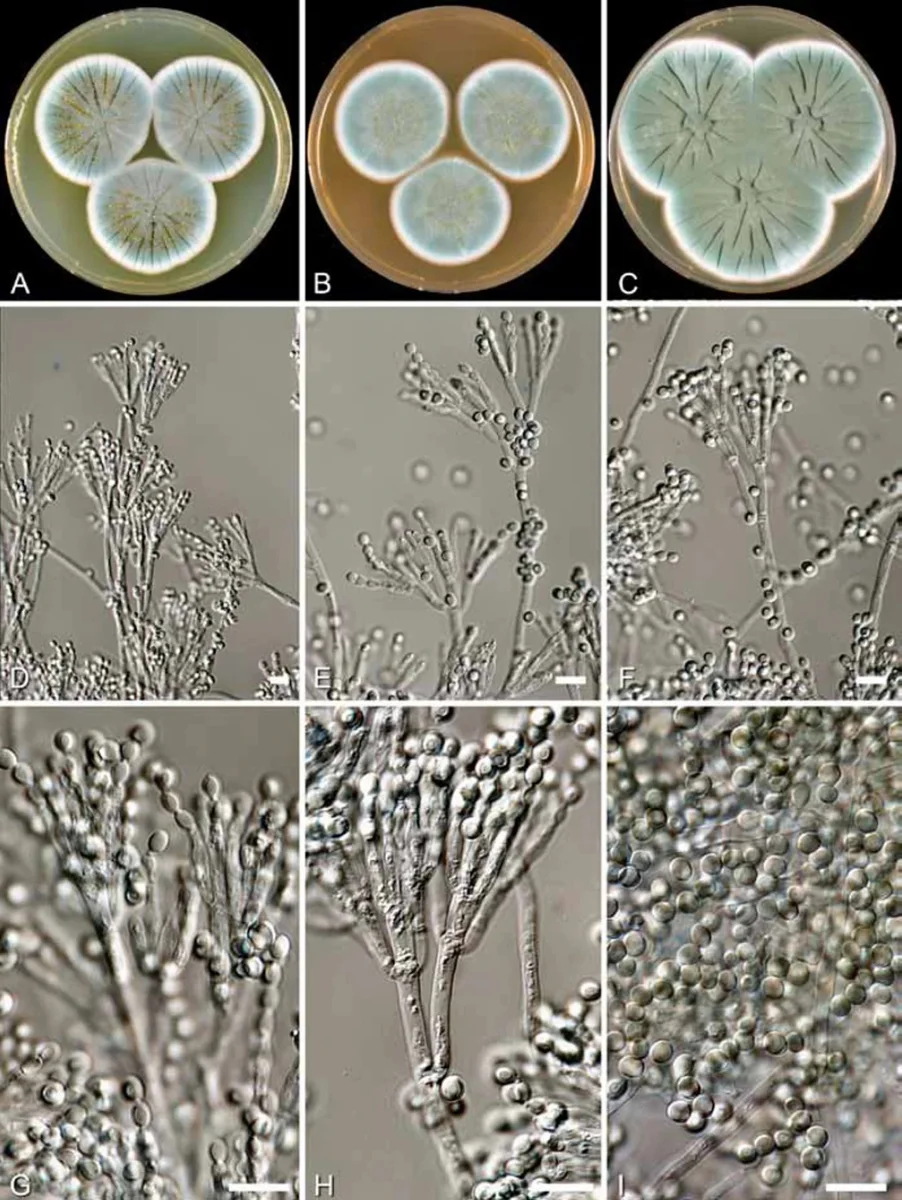
Beyond ecology, fungi produce a wealth of secondary metabolites. Some species generate antibiotics (e.g., penicillin from Penicillium), while others produce toxins that can cause food‑borne illnesses. The genus Fusarium is notable for producing mycotoxins linked to severe health issues, a subject of extensive research by scientists such as Abraham Z. Joffe.
Yeasts, a unicellular group of fungi, are indispensable in food manufacturing. They drive bread leavening, alcoholic fermentation for beer and wine, and are engineered for bio‑production of vitamins, enzymes, and even renewable fuels. Filamentous fungi like Trichoderma are employed as biological control agents, suppressing plant pathogens and offering a greener alternative to chemical pesticides.
Medical Mycology and Safety
While many fungi benefit humanity, some are harmful. Medical mycology studies fungi that cause disease in animals and humans, ranging from superficial skin infections to life‑threatening systemic illnesses. Understanding pathogenic mechanisms helps develop antifungal therapies and informs public health measures.
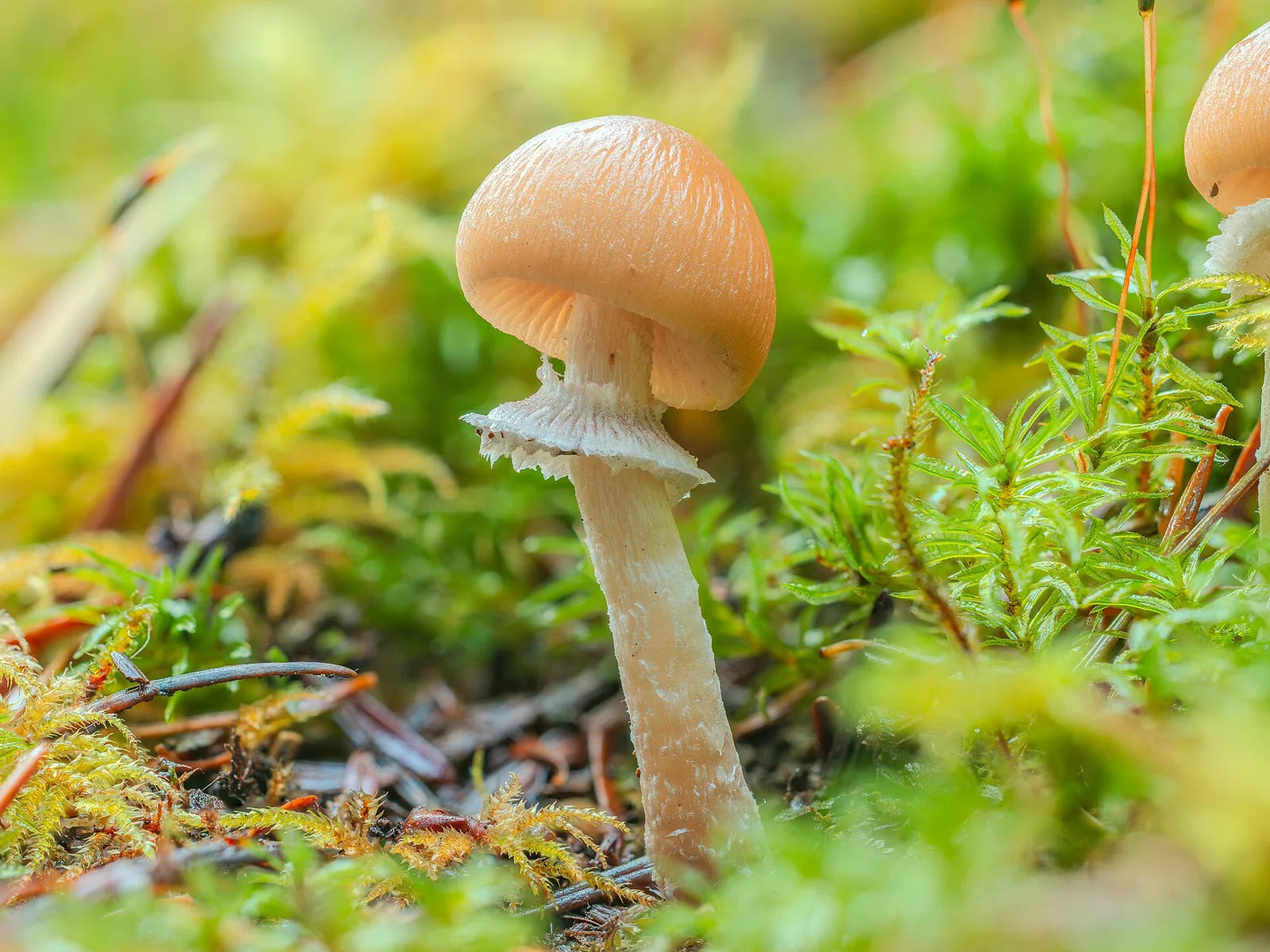
Foragers often encounter wild mushrooms, but accurate identification requires expert knowledge. Even experienced collectors can mistake edible species for toxic look‑alikes. It is essential to rely on qualified mycologists or reputable field guides and never consume a mushroom unless its identity is absolutely certain.
Modern Mycological Tools and Community
Today's mycologists use DNA sequencing to resolve relationships that morphology alone cannot clarify. Molecular barcoding has refined classification, revealing cryptic species and reshaping the fungal tree of life. Citizen science also thrives: organized field outings called “forays” bring together amateurs and professionals to document local fungal diversity. The tradition dates back to an 1868 meeting of the Woolhope Naturalists’ Field Club, which coined the term.
Digital platforms now host global databases of fungal observations, enabling researchers to track distribution changes driven by climate shifts, habitat loss, and human activity. Such data support conservation efforts aimed at preserving rare or ecologically critical fungi.
From Earth to Mars: Why Fungi Matter for Space Exploration
Fungi’s ability to recycle waste, produce nutrients, and survive extreme conditions makes them attractive candidates for life‑support systems on long‑duration missions. Experiments aboard the International Space Station have shown that certain mushroom species can grow in microgravity, hinting at future roles in closed‑loop habitats on Mars. As the Mushroom 2 Mars project explores sustainable fungal cultivation beyond Earth, the ancient science of mycology gains a new frontier.
The study of fungi bridges past and future, linking ancient myths, modern medicine, and the dream of growing food on another planet.
Sources
This article is for general information only and is not medical advice. Do not use it to diagnose or treat any condition; talk to a doctor about health questions.
This article was prepared with AI assistance from the sources listed above and approved by the Mushroom 2 Mars team before publication.