Part of the guide: Mushrooms: A Complete Guide to Identification, Cooking, and Cultivation
The Enchanted Forests of the Appalachians
The rolling hills and dense hardwood forests of the Appalachian region have long nurtured a rich oral tradition. Among the many characters that populate these stories, mushrooms often take a starring role. Their sudden appearance after rain, their sudden disappearance, and their sometimes startling shapes made them perfect symbols for mystery and transformation in the mountain narratives.
The Fairy Ring as a Portal
One of the most common motifs is the fairy ring – a perfect circle of mushrooms that glows faintly at dusk. In a 19th‑century collection of Appalachian tales compiled by folklorist John C. Miller, a farmer who steps into a ring is said to be whisked away to a hidden realm where time moves differently. The story ends with the farmer returning to find that only a single night has passed, though he experienced weeks of revelry with the “little people.”
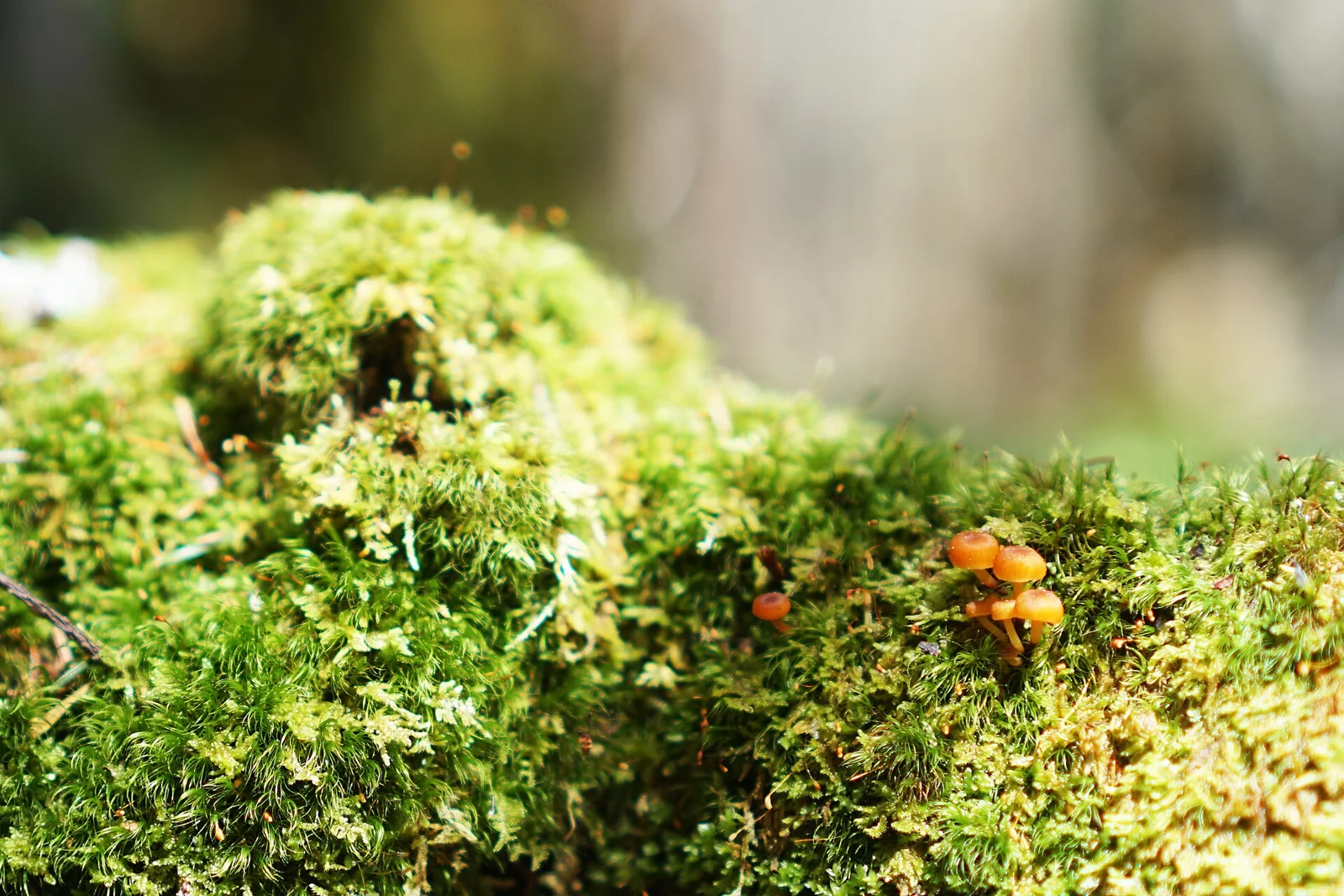
“If you hear music and see a ring of white caps, turn back, for the fair folk are dancing and you may never find your way home again.” – Miller, Appalachian Folklore (1889)
Scholars note that fairy rings were often used as cautionary devices, warning children and travelers to stay on known paths and avoid wandering into unknown terrain.
The Poisonous Amanita as a Moral Lesson
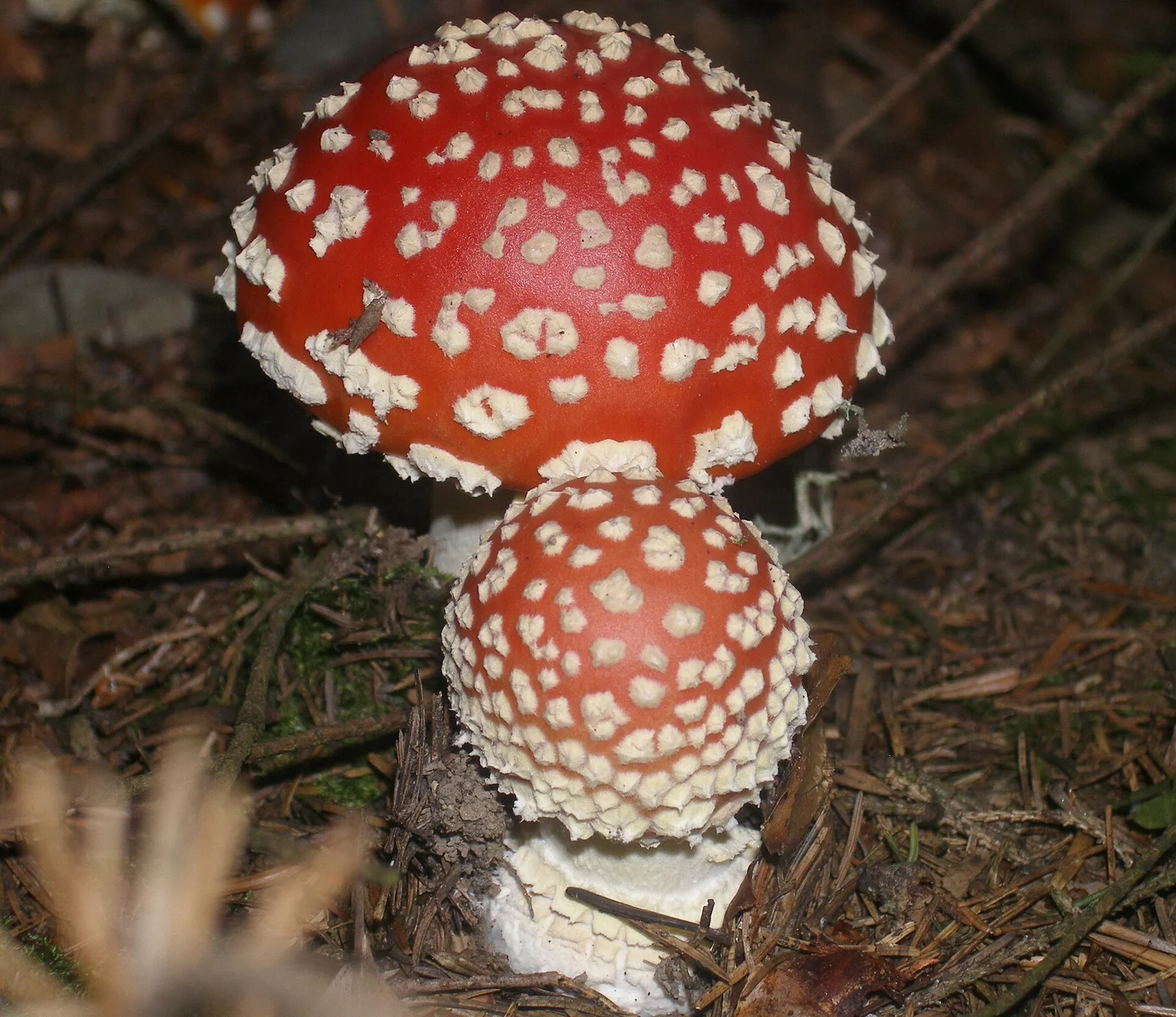
A darker strand of Appalachian mushroom lore involves the Amanita muscaria, the bright red mushroom speckled with white spots. In a tale from the Cherokee‑influenced valleys of western North Carolina, a greedy hunter discovers a patch of these mushrooms and, believing them to be a treasure, eats them. He falls into a feverish trance, sees visions of his own greed, and wakes up humbled, vowing never to take more than he needs.
The story functions as a warning about hubris and the importance of respecting nature’s boundaries. While the Amanita is indeed toxic, the legend reinforces a broader ethic of restraint rather than providing botanical instruction.
The Mushroom as a Healing Spirit (Without Medical Claims)
In several Appalachian ballads, mushrooms appear as healing spirits that guide lost souls to safety. A 1924 ballad collected by folklorist Mary L. Hart describes a wandering child who is guided by a glowing morel (Morchella spp.) to a hidden spring. The child drinks the water and is restored to health, but the song never specifies that the mushroom itself is medicinal; instead, it symbolizes hope and guidance.
Researchers of folk medicine, such as Dr. Elaine Rogers in her 2021 review of Appalachian health beliefs, suggest that such narratives reflect a cultural appreciation for the natural world’s capacity to aid humans, even if the specific biological effects of the fungi are not detailed.
The Trickster Mushroom in Trick‑Or‑Treat Lore
A playful legend from eastern Tennessee tells of a trickster mushroom that mimics the shape of a prized edible, such as a chanterelle, to fool eager foragers. The story goes that the mushroom will change color when touched, causing the forager to drop their basket. The moral: always verify a mushroom’s identity with an expert before collecting.
Modern Appalachian mycological societies echo this caution, emphasizing that even experienced pickers can be misled by look‑alikes. The legend thus serves both entertainment and practical education, reinforcing the community’s respect for expert knowledge.
From Folklore to Modern Conservation
Today, many Appalachian communities are reviving these mushroom stories as part of cultural heritage projects. The Appalachian Mycological Heritage Initiative (AMHI) hosts workshops where elders recount legends while teaching sustainable harvesting techniques. By linking myth to modern conservation, the project helps protect both the forests and the intangible cultural memory attached to them.
A Cosmic Connection
Just as Appalachian legends celebrate mushrooms as bridges between worlds, today’s scientists are exploring how fungi could help us grow food on Mars—turning age‑old folklore into a future frontier.
Sources
- Appalachian Folklore: Mushrooms in Legends
- Fairy Rings and Their Cultural Meaning
- Mushrooms in Cherokee Stories
- Health Beliefs and Folk Medicine in the Appalachians
- Appalachian Mycological Heritage Initiative
This article was prepared with AI assistance from the sources listed above and approved by the Mushroom 2 Mars team before publication.