High‑Resolution Eyes on the Red Planet
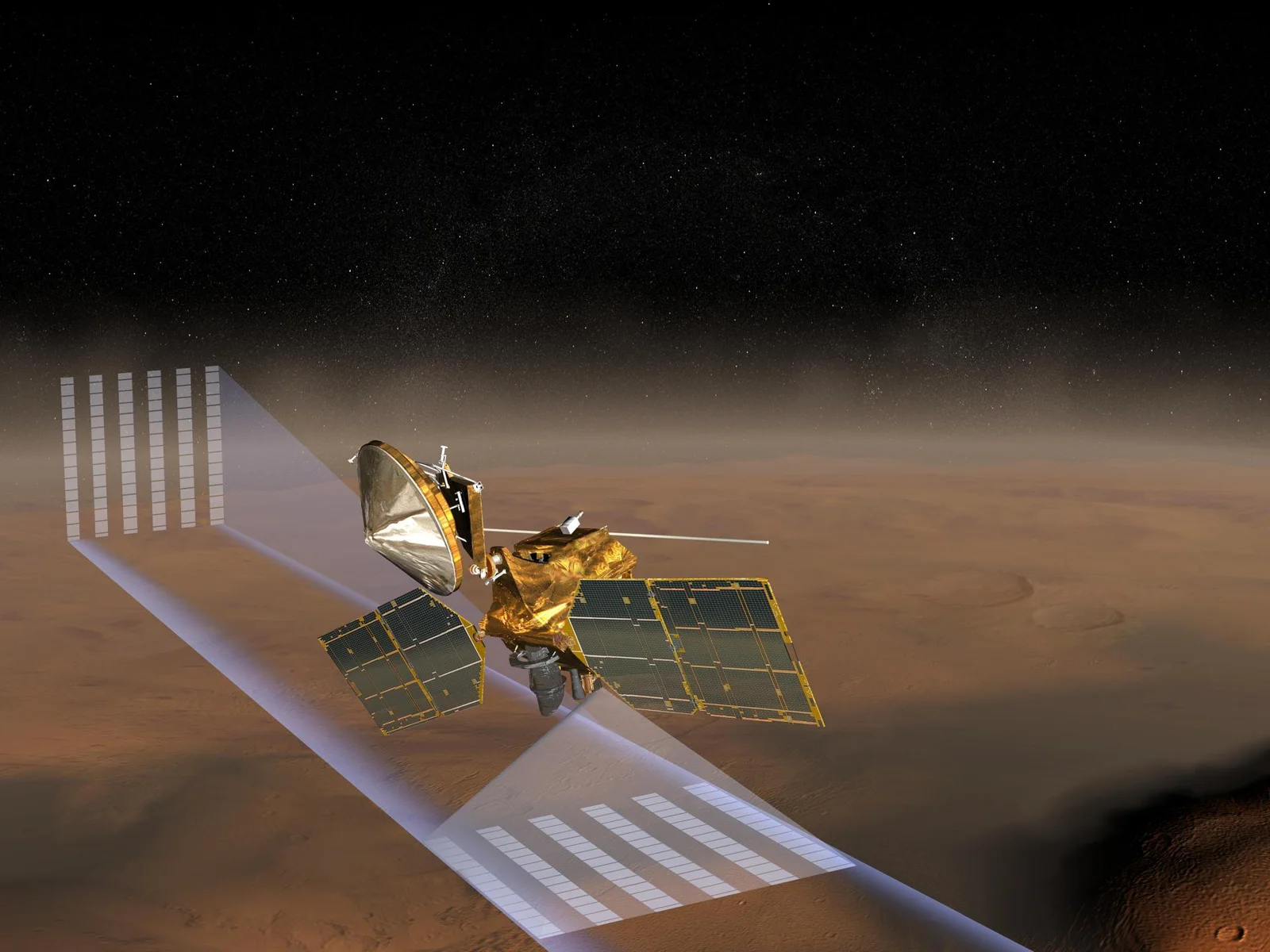
Since the late 1990s, Mars has been monitored by orbiters capable of seeing features as small as a few meters. The Mars Global Surveyor (1997‑2006) was the first to provide images fine enough to spot fresh impact scars, with a best resolution of about 1.5 m per pixel. Earlier missions such as Mariner 4 and Mariner 9 offered resolutions of 790 m and 98 m respectively—far too coarse to catch the typical sub‑10‑meter craters that dominate new impacts.
The First Modern Impact Detection
The inaugural modern‑era impact was a 14.4‑m diameter crater in southern Lucus Planum, formed sometime between 27 January 2000 and 19 March 2001. This discovery demonstrated that Mars’ thin atmosphere (≈0.6 % of Earth’s surface pressure) lets many meteoroids survive to the ground, creating craters that spacecraft can now record.
A Growing Census of Fresh Craters
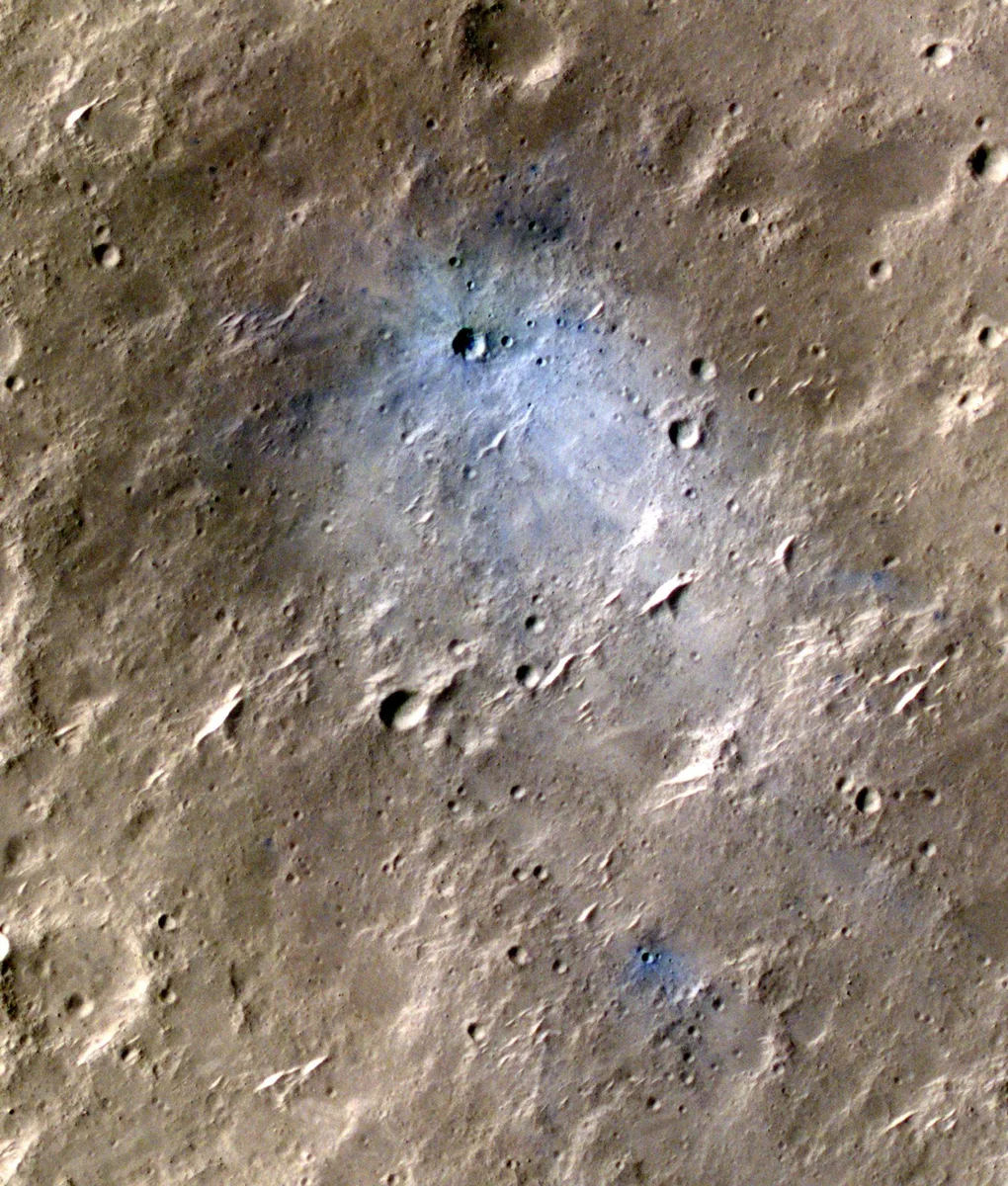
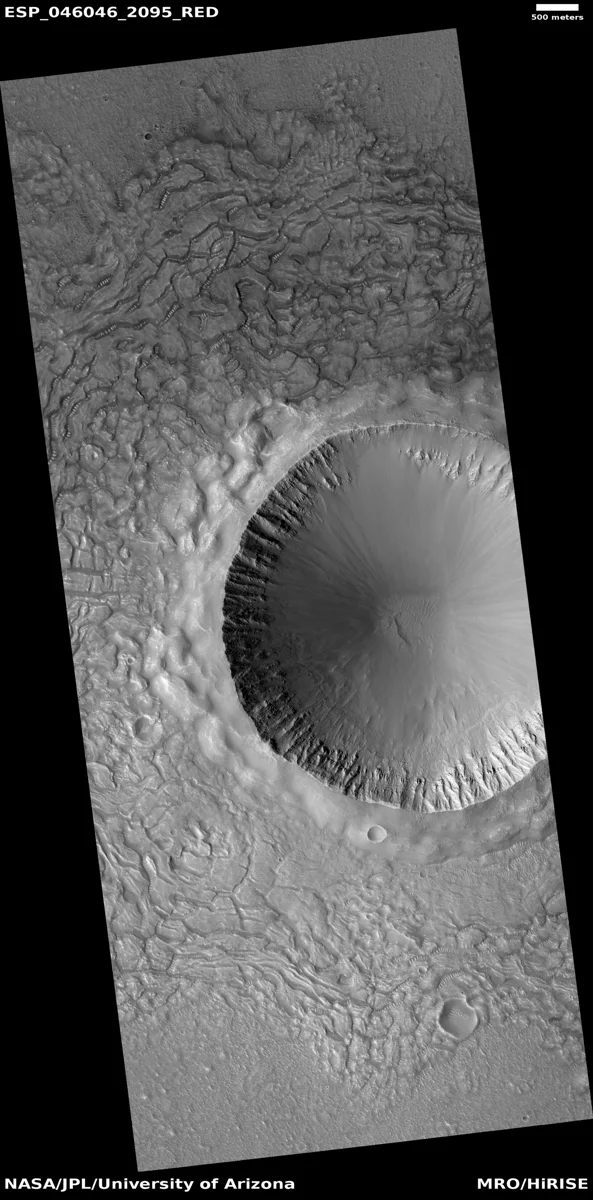
Subsequent missions—Mars Odyssey, Mars Express, and especially the high‑resolution Mars Reconnaissance Orbiter—have catalogued more than 1,200 new impact sites. Over 1,100 of those were identified by the Reconnaissance Orbiter alone. Most of the craters are under 10 m across, but the database includes dozens larger than 15 m, providing a statistical window into the current impact environment.
Why Impacts Appear in Clusters
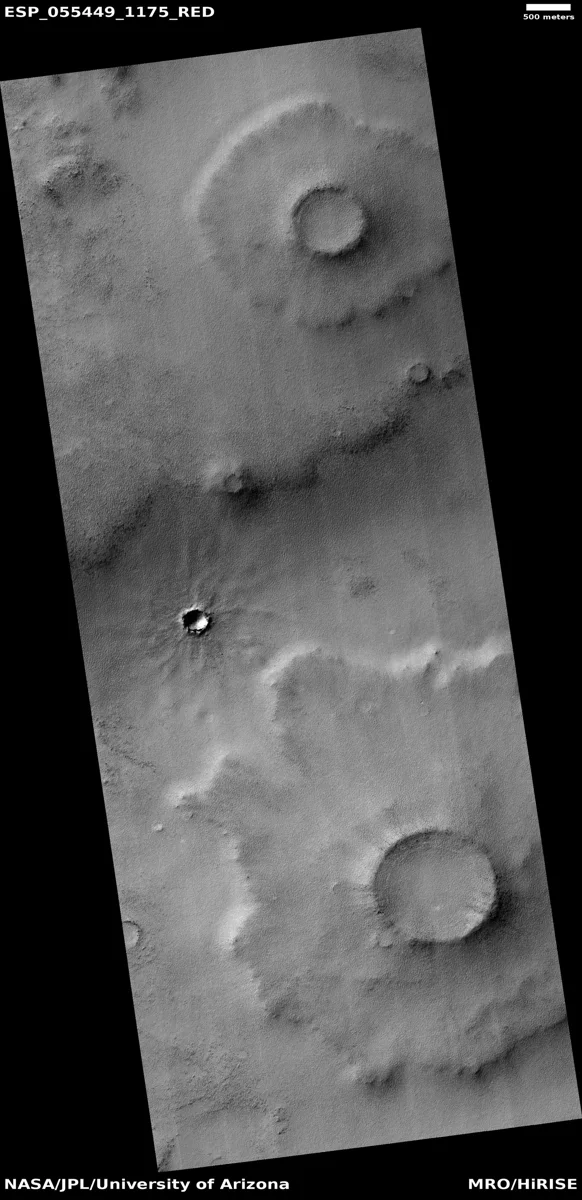
Unlike Earth, where atmospheric breakup often disperses an incoming body, Mars’ thin air means a meteoroid can remain largely intact. When a larger object fragments just before striking, the resulting pieces land close together, forming crater clusters. This clustering is a hallmark of Martian impacts and helps scientists distinguish fresh events from older, solitary craters.
Observation Bias and Geographic Hotspots
Not all parts of Mars are surveyed equally. Regions of high scientific interest—such as the Tharsis volcanic province, Olympus Mons, Elysium Mons, and Arabia Terra—receive more frequent, higher‑resolution imaging. Consequently, new craters are disproportionately reported in these areas. In contrast, vast swaths of the planet receive fewer observations, so impacts there may go unnoticed.
What the Numbers Tell Us About Martian Bombardment
Current estimates suggest that asteroids of a given size strike Mars about three times more often than Earth or the Moon. Roughly 240 craters around 4 m in diameter and between one and seven craters about 30 m across form each year, compared with less than one such event per year on Earth. The size‑frequency distribution appears shallower on Mars, hinting at either a genuine modern impact surge or the influence of atmospheric deceleration that lets smaller bodies reach the surface more often than expected.
Looking Ahead: Impacts and the Future of Mars Exploration
Continued monitoring will refine impact rates and improve our understanding of how Mars’ atmosphere shapes crater formation. For projects like Mushroom 2 Mars, knowing where fresh ejecta blankets appear could inform future site selection for mushroom habitats, as newly exposed soils may offer unique mineral compositions.
Sources
This article was prepared with AI assistance from the sources listed above and approved by the Mushroom 2 Mars team before publication.