Part of the guide: Mushrooms: A Complete Guide to Identification, Cooking, and Cultivation
Getting Started with Mushroom Cultivation
Mushroom growing begins with understanding the life cycle of fungi. Spores germinate into mycelium, which spreads through a nutrient‑rich substrate and eventually forms fruiting bodies that we harvest. By providing the right mix of moisture, temperature, and air exchange, you can coax this hidden network into producing edible mushrooms in a backyard, balcony, or even a small indoor lab. This guide walks you through the essential steps and points you to deeper dives on specific techniques.
Choosing the Right Species for Your Space
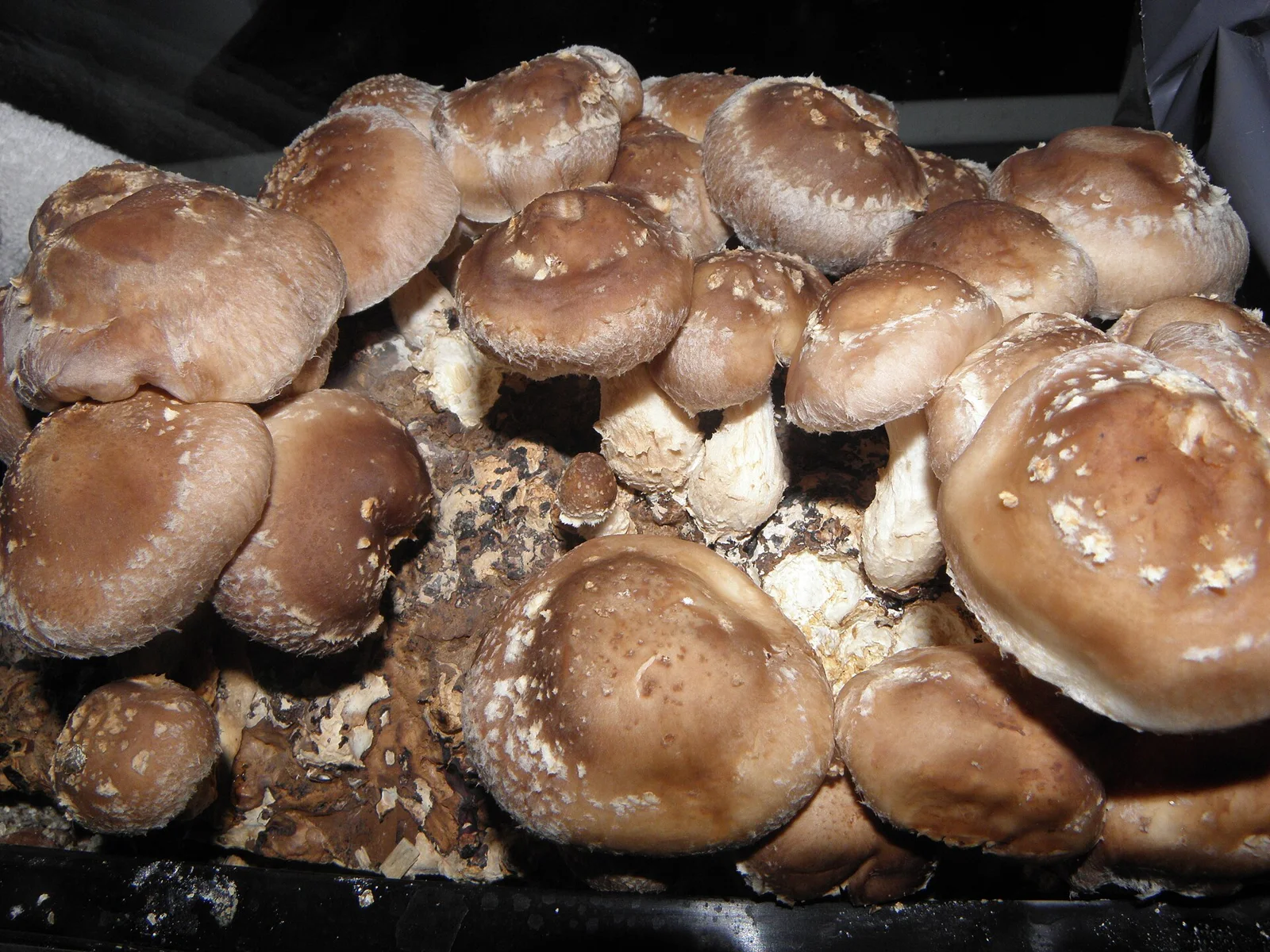
Different mushrooms have distinct needs. Oyster varieties thrive on straw and are forgiving of temperature swings, making them ideal for beginners. Shiitake prefer hardwood logs or stumps and need a longer colonisation period, but reward growers with large, meaty caps. Lion’s Mane excels on nutrient‑dense substrates like spent brewer’s grain or fruit waste. Consider your climate, available space, and the time you can commit before picking a species. For a detailed look at hardwood log preparation, see our step‑by‑step article on How to Choose and Prep Hardwood Logs for Shiitake Farming.
Building High‑Quality Substrates
A substrate supplies the food that mycelium needs to grow. Common bases include straw, sawdust, coffee grounds, and agricultural waste. To boost nutritional value, you can compost kitchen scraps or repurpose fruit residues. Our guide on DIY Composting for Nutrient‑Rich Mushroom Substrates explains how to turn everyday waste into a fertile growing medium. For those interested in turning fruit waste into a Lion’s Mane diet, check out Turning Fruit Scraps into Lion’s Mane Substrate.
Managing Temperature and Humidity Year‑Round
Mushrooms need a stable environment: most fruiting stages occur between 12 °C and 24 °C with high humidity (80‑95%). Low‑tech solutions like mulching, straw bales, or solar‑thermal blankets can smooth out seasonal fluctuations. Learn practical tricks in our article Low‑Tech Temperature Hacks for Year‑Round Outdoor Mushroom Gardens. If you prefer a more engineered approach, the Solar‑Thermal Techniques for Year‑Round Mushroom Fruiting post shows how to capture sun heat for indoor fruiting chambers.
Monitoring CO₂ and Air Flow
During colonisation, mycelium consumes oxygen and releases CO₂. Excess CO₂ can stall fruiting or produce misshapen caps. Simple DIY monitors built with Arduino can alert you when levels rise too high. Follow the instructions in Build a Low‑Cost Arduino CO₂ Monitor for Mushroom Fruiting to create your own sensor. For growers of oyster mushrooms who want a boost in size, the Low‑Cost DIY CO₂ Enrichment for Bigger Oyster Mushrooms guide outlines a cheap enrichment system.
Seasonal Planning for Outdoor Beds
If you grow outdoors, timing is crucial. A month‑by‑month calendar helps you schedule inoculation, incubation, and harvest to match local weather patterns. Our Seasonal Calendar for Outdoor Mushroom Beds: A Month‑by‑Month Guide breaks down the tasks for each season, from spring log inoculation to autumn straw fruiting.
Integrating Mushroom 2 Mars
All of these cultivation techniques feed into the broader vision of Mushroom 2 Mars, a Web3 game that rewards players for sustainable mushroom farming and ultimately aims to send fungi to the Red Planet. If you’re new to the ecosystem, start with What Is Mushroom 2 Mars? Mission, Game and Token to learn how your harvests translate into in‑game progress. When you’re ready to acquire the native token, the beginner‑friendly walkthrough in How to Buy $M2M: A Beginner's Guide will get you set up.
Next Steps and Community Resources
Now that you have a roadmap, dive deeper into the topics that match your interests. Whether you’re building a low‑maintenance shiitake orchard from tree stumps (Using Tree Stumps to Build a Low‑Maintenance Outdoor Shiitake Orchard), experimenting with spent brewer’s grain for lion’s mane (Sterilizing and Inoculating Spent Brewer’s Grain for Lion’s Mane), or converting apple pomace into shiitake substrate (Turning Apple Pomace into Shiitake Substrate for Home Growers), the Mushroom 2 Mars blog has step‑by‑step instructions.
Enjoy the process, track your results, and share your successes with the community. Every successful harvest brings us a step closer to the ultimate goal: a thriving fungal ecosystem on Mars.
In this guide
- Turning Apple Pomace into Shiitake Substrate for Home Growers - Learn how to repurpose apple processing waste into a nutritious substrate for shiitake mushrooms, with step‑by‑step preparation, inoculation
- Sterilizing and Inoculating Spent Brewer’s Grain for Lion’s Mane - Step‑by‑step guide to turn spent brewer’s grain into a clean, nutrient‑rich substrate for high‑value Lion’s Mane mushrooms.
- Mushrooms: A Complete Guide to Identification, Cooking, and Cultivation - Explore mushroom types, safe foraging, tasty recipes, and growing tips in this all‑in‑one guide for beginners and enthusiasts alike.
- Build a Low‑Cost Arduino CO₂ Monitor for Mushroom Fruiting - Step‑by‑step guide to create an affordable Arduino‑based CO₂ sensor, helping growers keep fruiting rooms in the optimal range.
- Solar‑Thermal Techniques for Year‑Round Mushroom Fruiting - Learn practical, low‑cost solar‑thermal methods to keep mushroom beds at optimal temperatures indoors and out, enabling continuous harvests.
- Low‑Cost DIY CO₂ Enrichment for Bigger Oyster Mushrooms - Learn how to build a cheap, controllable CO₂ system to accelerate growth and increase size of oyster mushroom crops, with step‑by‑step guida
- Using Tree Stumps to Build a Low‑Maintenance Outdoor Shiitake Orchard - Learn how to spot suitable hardwood stumps, prep them, and inoculate with shiitake spawn for a long‑lasting, low‑maintenance mushroom garden
- Turning Fruit Scraps into Lion’s Mane Substrate - Learn how to repurpose apple peels, banana skins, and other fruit waste into a nutritious substrate for growing lion’s mane mushrooms at hom
- Low‑Tech Temperature Hacks for Year‑Round Outdoor Mushroom Gardens - Learn practical, low‑tech ways to keep your outdoor mushroom beds at the right temperature with mulch, shade cloths, windbreaks, and more.
- How to Choose and Prep Hardwood Logs for Shiitake Farming - Step‑by‑step guide to selecting the right hardwood, drilling, and inoculating logs with shiitake spawn for a successful home mushroom garden
- Seasonal Calendar for Outdoor Mushroom Beds: A Month‑by‑Month Guide - Learn the step‑by‑step seasonal schedule for planting, caring for, and harvesting outdoor mushroom beds, from spring inoculation to fall har
- Mycology: A Complete Guide to Fungi, Cultivation, and Safety - Explore the fundamentals of mycology, from mushroom biology and cultivation to safe foraging and identification, with links to deeper articl
- DIY Composting for Nutrient‑Rich Mushroom Substrates - Learn step‑by‑step how to turn kitchen scraps and garden waste into high‑quality compost for growing oyster, shiitake, and other edible mush
- What Is Mushroom 2 Mars? Mission, Game and Token - Mushroom 2 Mars ($M2M) is a Web3 project that starts as a browser NFT game and aims to send mushroom growers to Mars. Here is the plan.
- How to Buy $M2M: A Beginner's Guide - New to crypto? Set up a wallet, get ETH and buy $M2M in the presale with this step-by-step guide, plus the safety checks to run first.
Sources
This article was prepared with AI assistance from the sources listed above and approved by the Mushroom 2 Mars team before publication.