Part of the guide: Mushrooms: A Complete Guide to Identification, Cooking, and Cultivation
Why Spent Brewer’s Grain Works for Lion’s Mane
Spent brewer’s grain (SBG) is the leftover malt and husk from beer production. It is high in protein, fiber, and residual sugars, making it an excellent nutrient source for many fungi. Lion’s mane (Hericium erinaceus) prefers substrates that retain moisture while providing a steady supply of carbohydrates, and studies have shown that SBG can support comparable yields to traditional hardwood sawdust mixes (University of Wisconsin‑Extension, 2023). Using SBG also diverts a waste stream from breweries, aligning with sustainable cultivation practices.
Gathering and Preparing the Grain
- Collect fresh SBG – Aim for grain that is less than 48 hours old to minimize contamination risk. Fresh grain still contains moisture (≈75 %).
- Break up clumps – Use a clean kitchen spoon or gloved hands to separate the grain into a uniform texture. This improves heat penetration during sterilization.
- Adjust moisture content – Lion’s mane thrives at a substrate moisture level of 60‑65 %. If the grain feels very wet, mix in dry wheat bran or straw in a 1:1 ratio until the substrate feels like a damp sponge that does not drip when squeezed.
Sterilization Procedure
Sterilizing SBG is essential because it is a nutrient‑rich medium that readily supports bacterial and mold growth.
Materials
- Large stockpot with lid or a pressure cooker (15 psi capacity)
- Aluminum foil
- Heat‑resistant bags (polypropylene or autoclavable filter bags)
- Thermometer (optional)
Steps
- Bag the substrate – Fill each bag with 2‑3 L of prepared grain, leaving about 5 cm of headspace. Seal the bag with a heat‑resistant clip.
- Add a filter patch – If using filter bags, ensure a breathable patch is positioned on the side for later gas exchange.
- Load the cooker – Place a trivet or rack in the pressure cooker, then arrange the bags upright. Add 2 inches of water to the cooker.
- Pressurize – Bring the cooker to 15 psi (121 °C). Maintain this pressure for 90 minutes. This duration reliably kills bacterial endospores and common molds (Fungi Perfecti, 2022).
- Cool down – Allow the cooker to depressurize naturally and cool to below 30 °C before handling the bags. Rapid cooling can cause condensation that promotes contamination later.
Inoculation Techniques
Choosing the Right Spawn
Lion’s mane grain spawn or liquid culture (LC) are both effective. Grain spawn offers a robust mycelial network, while LC can colonize the substrate more quickly. For home growers, a 10 % (by weight) grain spawn inoculation is a good starting point.
Inoculation Steps
- Sanitize the workspace – Wipe surfaces with 70 % isopropyl alcohol and wear disposable gloves and a face mask.
- Transfer the grain spawn – Using a sterile spoon or inoculation loop, distribute the spawn evenly across the surface of each cooled bag. For LC, inject 10‑15 mL of culture into multiple points using a sterile syringe.
- Seal and shake – Reseal the bag and gently shake to disperse the spawn throughout the substrate. This encourages uniform colonization.
- Incubate – Place the bags in a dark area at 22‑24 °C. Lion’s mane colonizes relatively quickly; you should see white mycelial growth covering the substrate within 10‑14 days.
Fruiting the Lion’s Mane
- Initiate fruiting conditions – Once the substrate is 90‑95 % colonized, move the bag to a fruiting chamber with indirect light (500–1000 lux) and high humidity (85‑95 %).
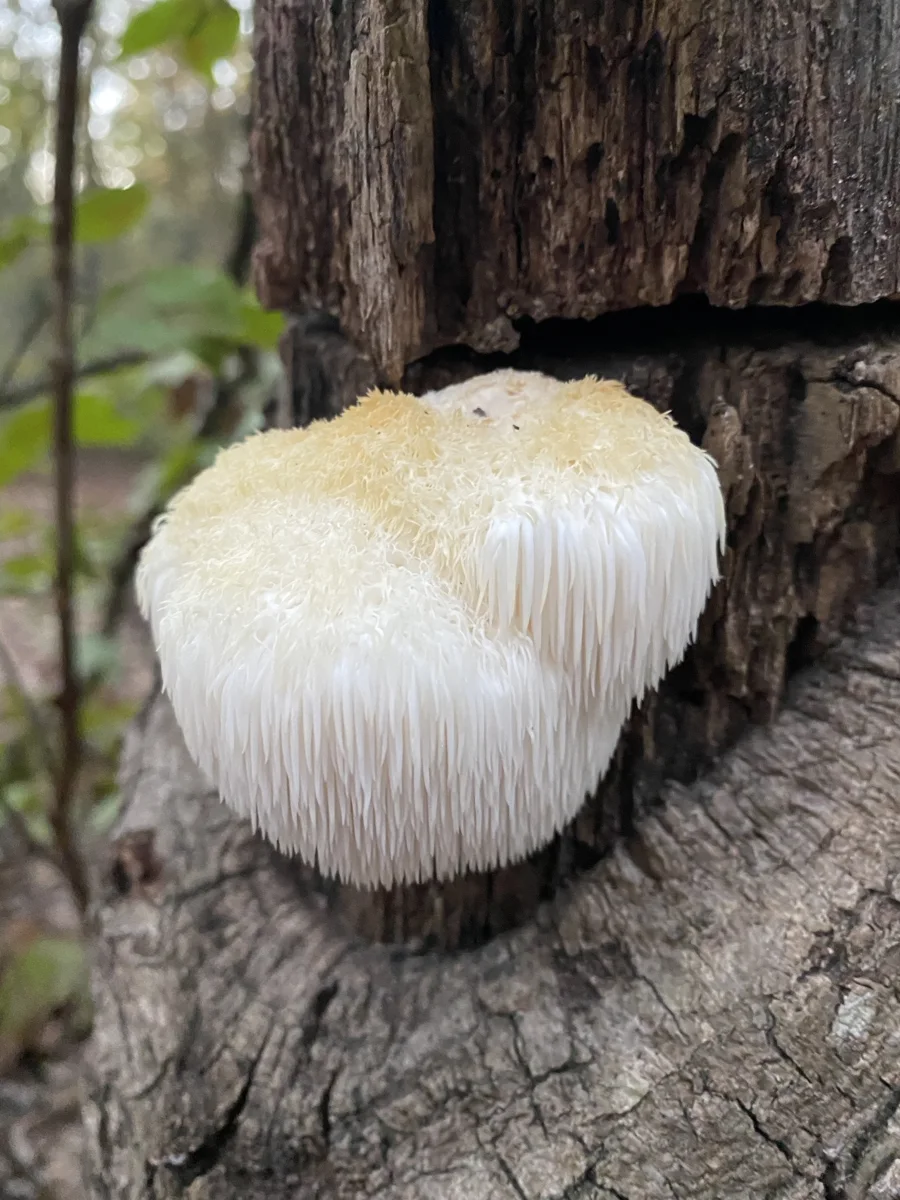
- Create fresh‑air exchange – Open the bag’s filter patch or cut a small slit in the bag’s side to allow CO₂ to escape and O₂ to enter. Lion’s mane produces its characteristic cascading “teeth” when exposed to fresh air.
- Maintain temperature – Keep the fruiting environment at 18‑20 °C. Temperatures above 22 °C can cause malformed pins.
- Harvest – When the spines are 2‑3 cm long and still white‑cream, cut the clusters with a clean knife. Harvesting early preserves texture and flavor.
Cleaning Up and Reusing the Substrate
After harvest, the spent substrate can be composted or used as a soil amendment. Its high organic content enriches garden beds, completing the circular loop from brewery to mushroom farm.
Connecting to Mars
Just as we recycle brewery waste on Earth, future Martian habitats could turn locally‑grown plant residues into mushroom substrate, providing nutritious food for crews on the Red Planet.
Sources
This article was prepared with AI assistance from the sources listed above and approved by the Mushroom 2 Mars team before publication.