What Is a Tholus?
A tholus (plural tholi) is a term used by planetary scientists to describe a small, dome‑shaped mountain or hill on a solid body such as a planet, moon, or asteroid. The word comes from the ancient Greek θόλος meaning a circular building with a conical roof, later Latinized to tholus for “cupola” or “dome.” Unlike more specific geological names, the descriptor does not assume a volcanic or tectonic origin; it simply notes the rounded, elevated shape.
How the Name Became Official
In 1973 the International Astronomical Union (IAU) adopted tholus as one of its official descriptor terms for topographic features. The IAU’s naming conventions favor neutral Greek or Latin words so that scientists can label a feature before its formation mechanism is fully understood. As of March 2015 the IAU’s catalogue listed 56 such descriptor terms, with tholus among the most frequently applied.
Where Tholi Are Found
Tholi are not limited to Mars. They have been identified on several solar‑system bodies: - Venus – The thick atmosphere makes radar mapping essential, revealing many dome‑shaped elevations. - Mars – Notable examples include Hecates Tholus and Tharsis Tholus, both part of the massive Tharsis volcanic province. - Asteroid Vesta – High‑resolution imaging from NASA’s Dawn mission showed several small domes on its surface. - Dwarf planet Ceres – The Dawn spacecraft also detected dome‑like hills on this icy world. - Jupiter’s moon Io – Known for intense volcanism, Io hosts numerous tholi that likely represent collapsed lava domes.
Famous Martian Tholi
Hecates Tholus
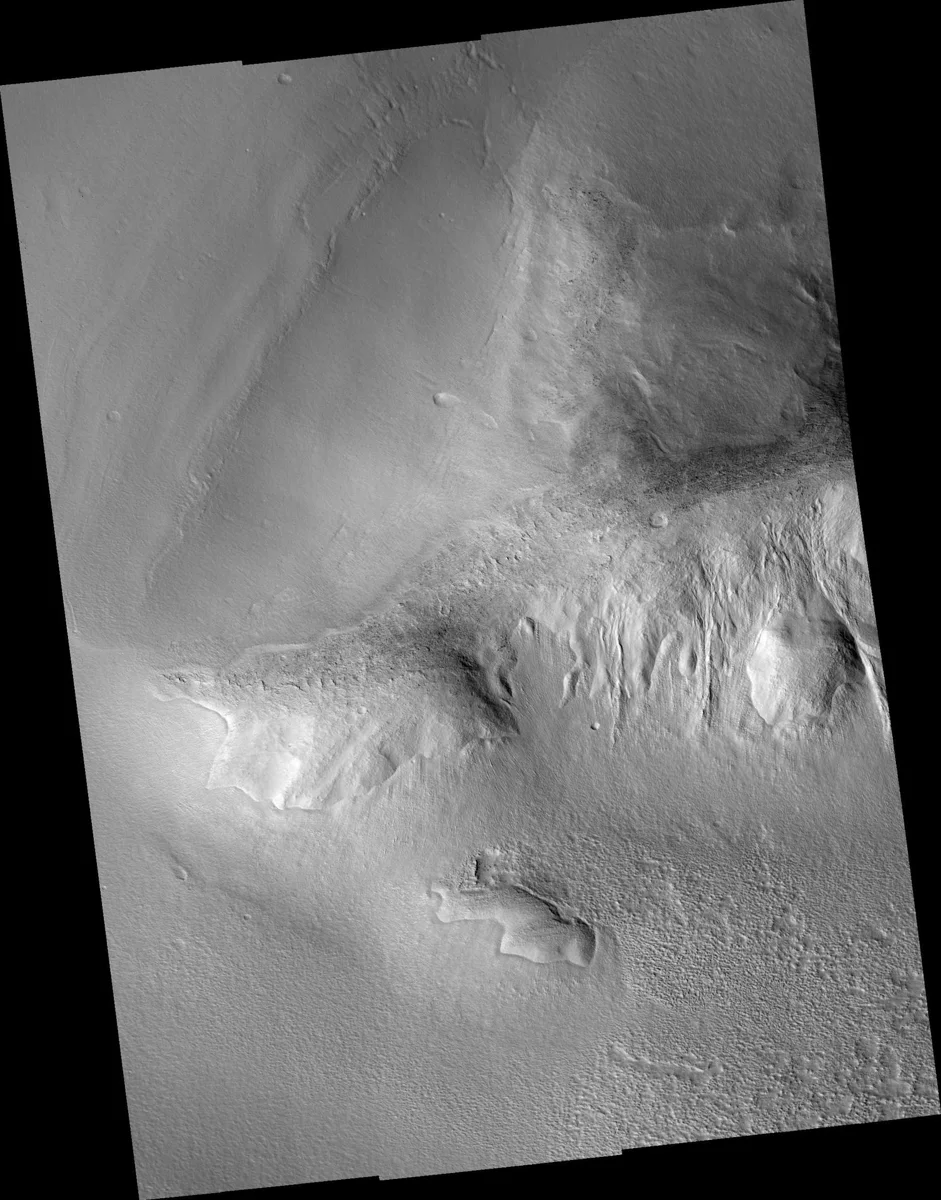
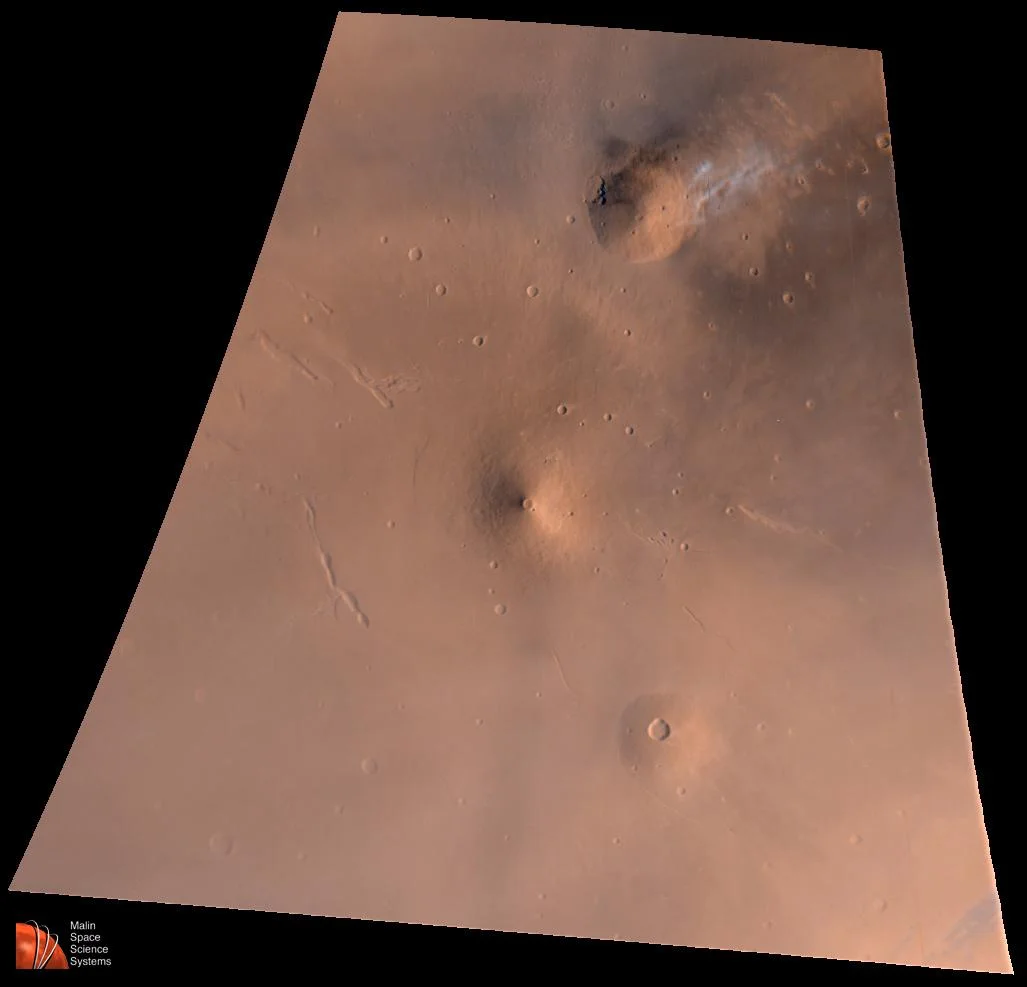
Located in the northern part of the Elysium volcanic region, Hecates Tholus rises about 5 km above the surrounding plains. Its summit is capped with a relatively flat depression, suggesting a complex eruptive history that may have involved both effusive lava flows and explosive activity.
Tharsis Tholus
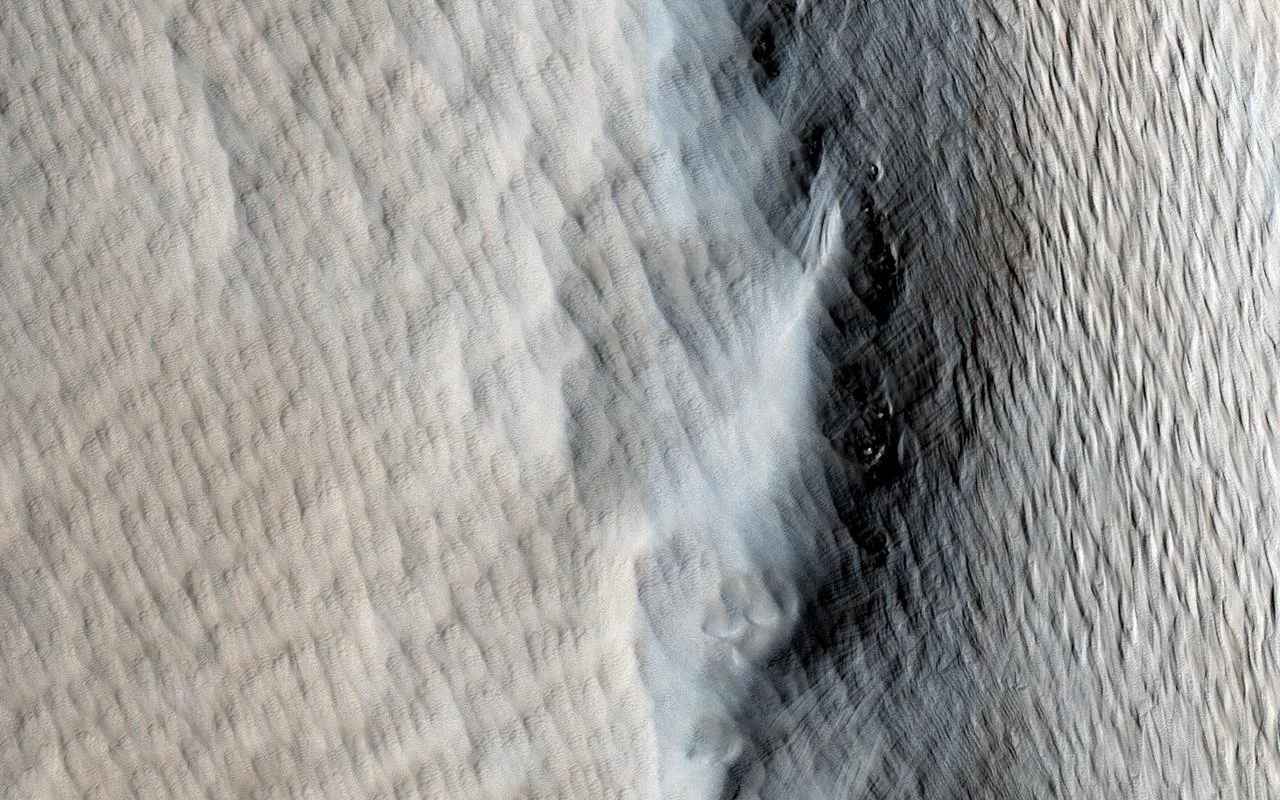
Situated on the western edge of the Tharsis rise, Tharsis Tholus reaches roughly 7 km in height. Its broad, gently sloping flanks contrast with the steep cliffs of neighboring shield volcanoes, hinting at a different magma supply or eruption style.
Why Tholi Matter to Scientists
Because the term is deliberately neutral, each tholus offers a natural laboratory for testing hypotheses about planetary processes. By comparing tholi across different worlds, researchers can: - Assess the role of volcanism versus impact‑related uplift. - Examine how gravity and crustal thickness influence dome formation. - Refine models of thermal evolution, especially on bodies like Io where tidal heating drives frequent eruptions. High‑resolution imagery from orbiters such as Mars Reconnaissance Orbiter (MRO) and Dawn enables detailed topographic mapping, allowing scientists to measure slopes, volumes, and surface textures that reveal each feature’s history.
Observing Tholi From Earth
Amateur astronomers can spot larger Martian tholi using moderate‑size telescopes during favorable oppositions. The distinctive rounded silhouettes of Hecates and Tharsis become visible against the planet’s darker basaltic plains. Online planetary‑mapping tools (e.g., NASA’s Mars Trek) let anyone explore tholi in 3‑D, offering a hands‑on way to appreciate their scale.
Linking Tholi to Future Exploration
Understanding dome‑shaped landforms helps mission planners identify stable landing sites and potential resource reservoirs. For example, volcanic domes may host subsurface ice or mineral deposits useful for in‑situ resource utilization—key considerations for crewed missions to Mars and, eventually, for projects like Mushroom 2 Mars that envision growing fungi under controlled habitats.
In short, tholi are the gentle hills that remind us how diverse planetary geology can be, and they may one day host the first mushroom farms on another world.
Sources
This article was prepared with AI assistance from the sources listed above and approved by the Mushroom 2 Mars team before publication.