Martian Polar Ice Caps: A Quick Overview
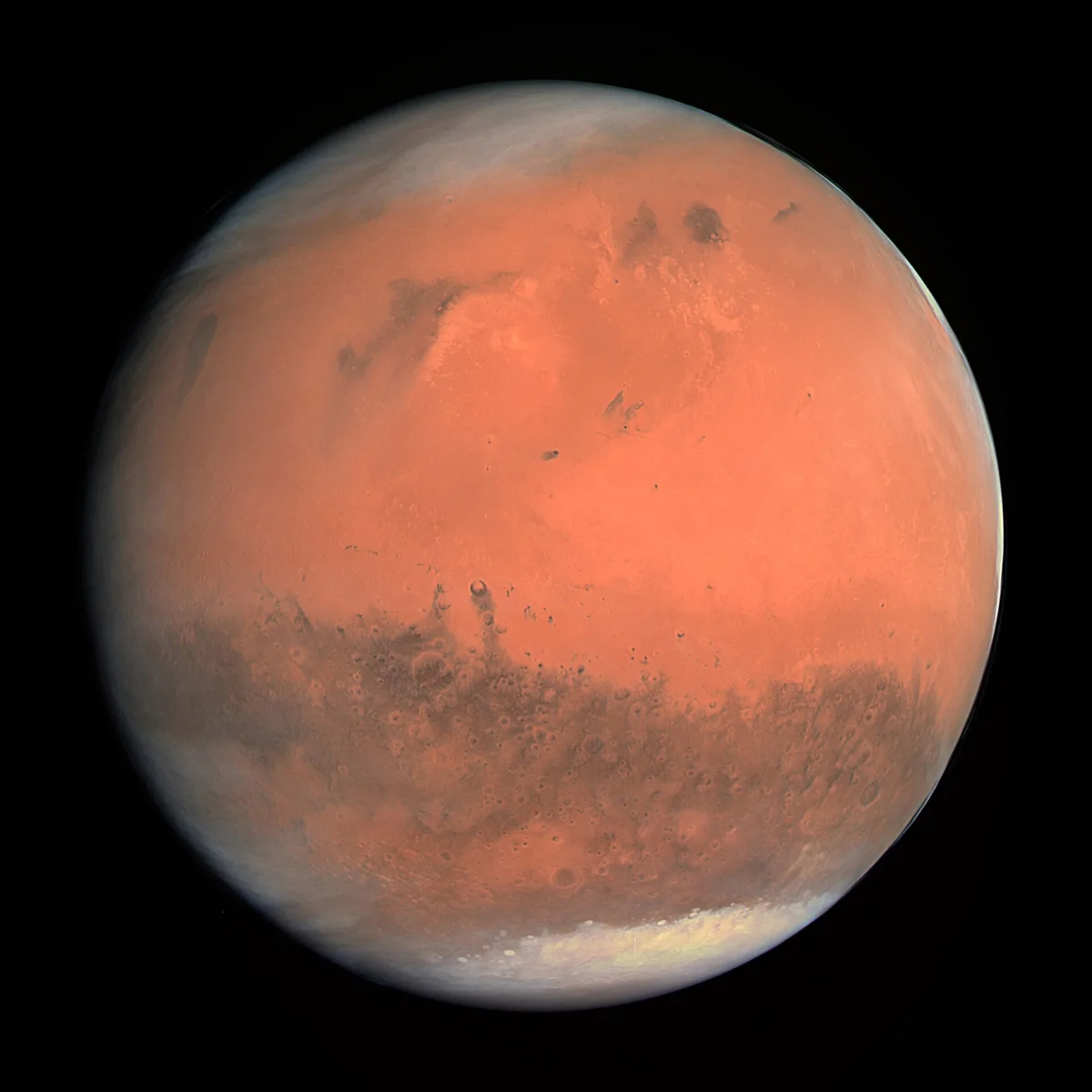
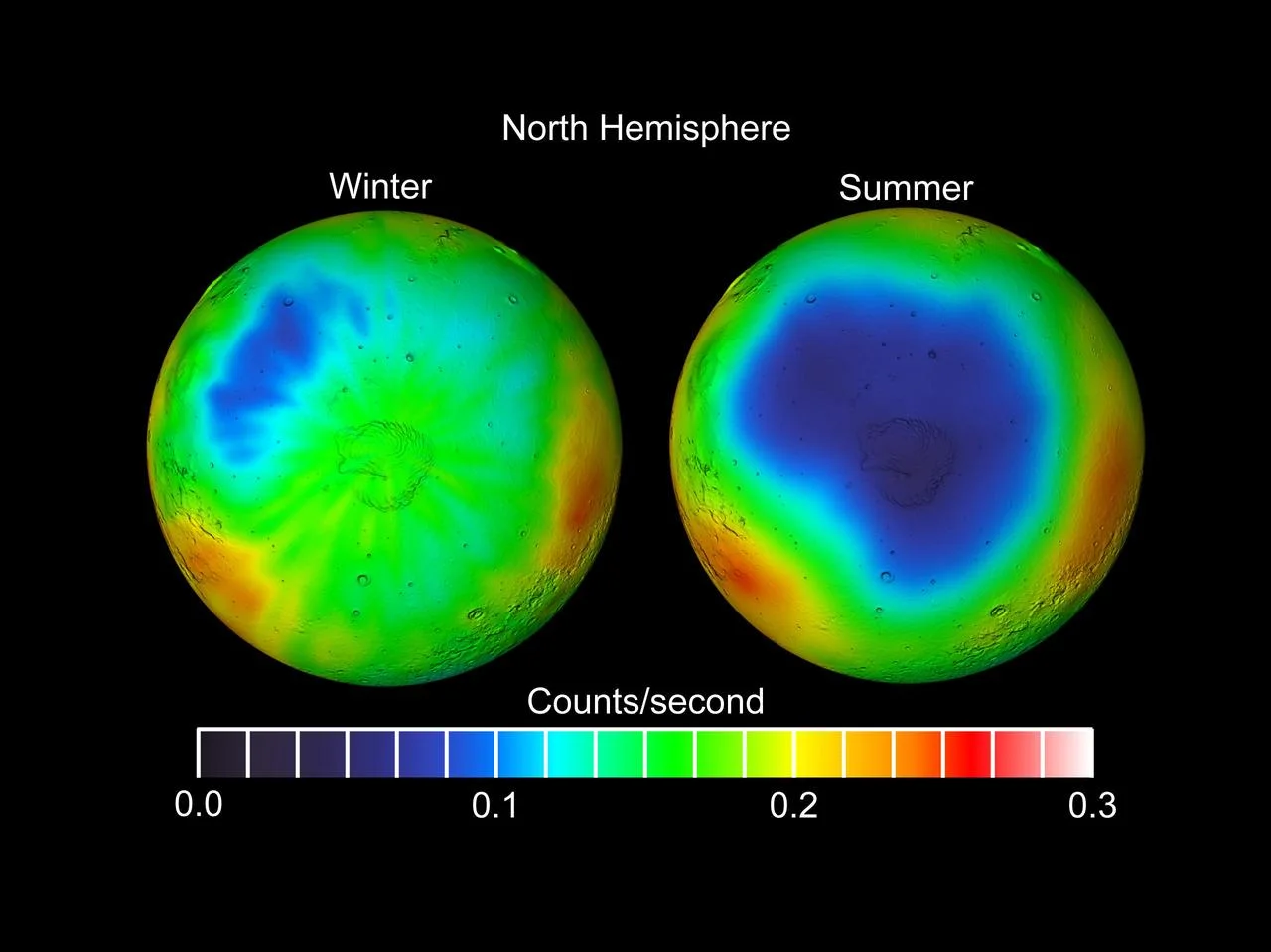
Mars, like Earth, sports polar ice caps, but the composition differs. The northern cap is made of water ice, while the southern cap is primarily carbon‑dioxide ice. Seasonal heating and cooling cause the caps to grow and shrink, a process that records the planet’s climate history.
Crater‑Scale Frost: What the Study Examined
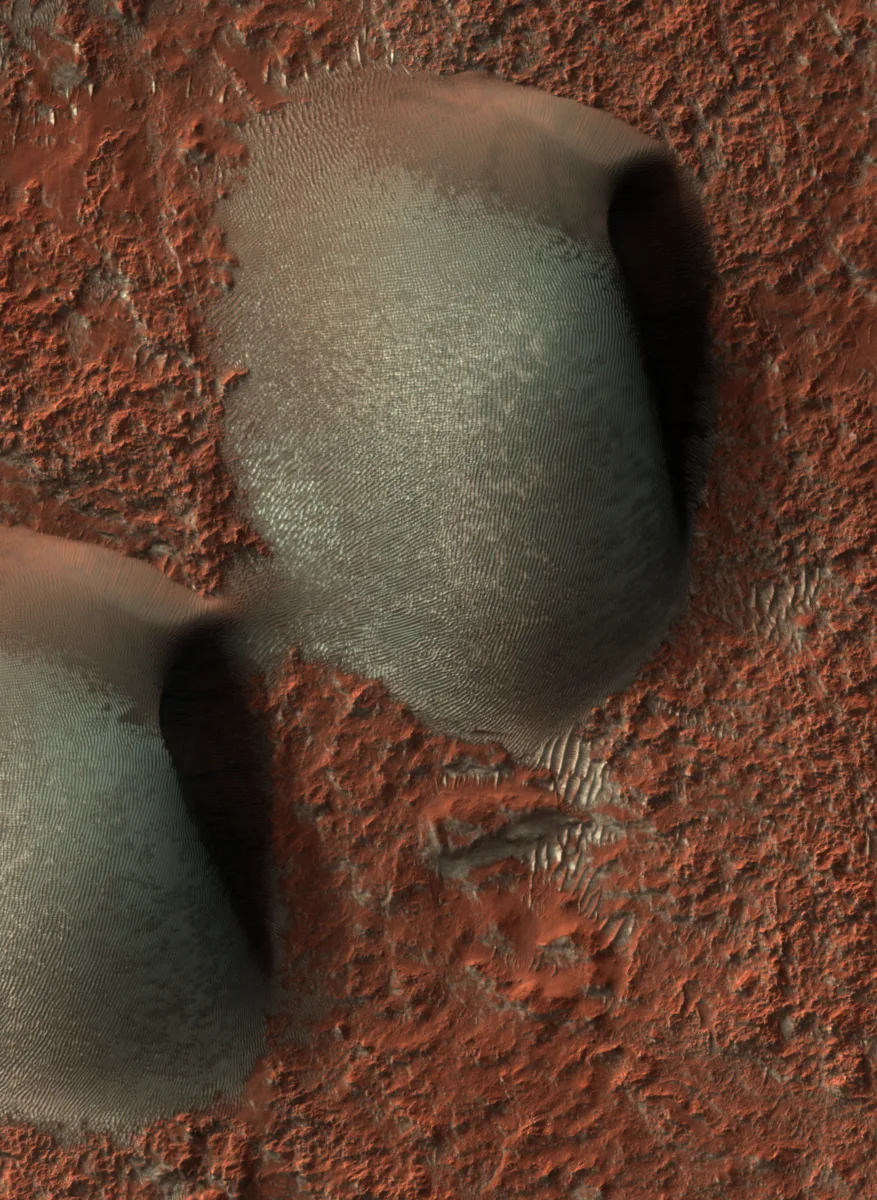
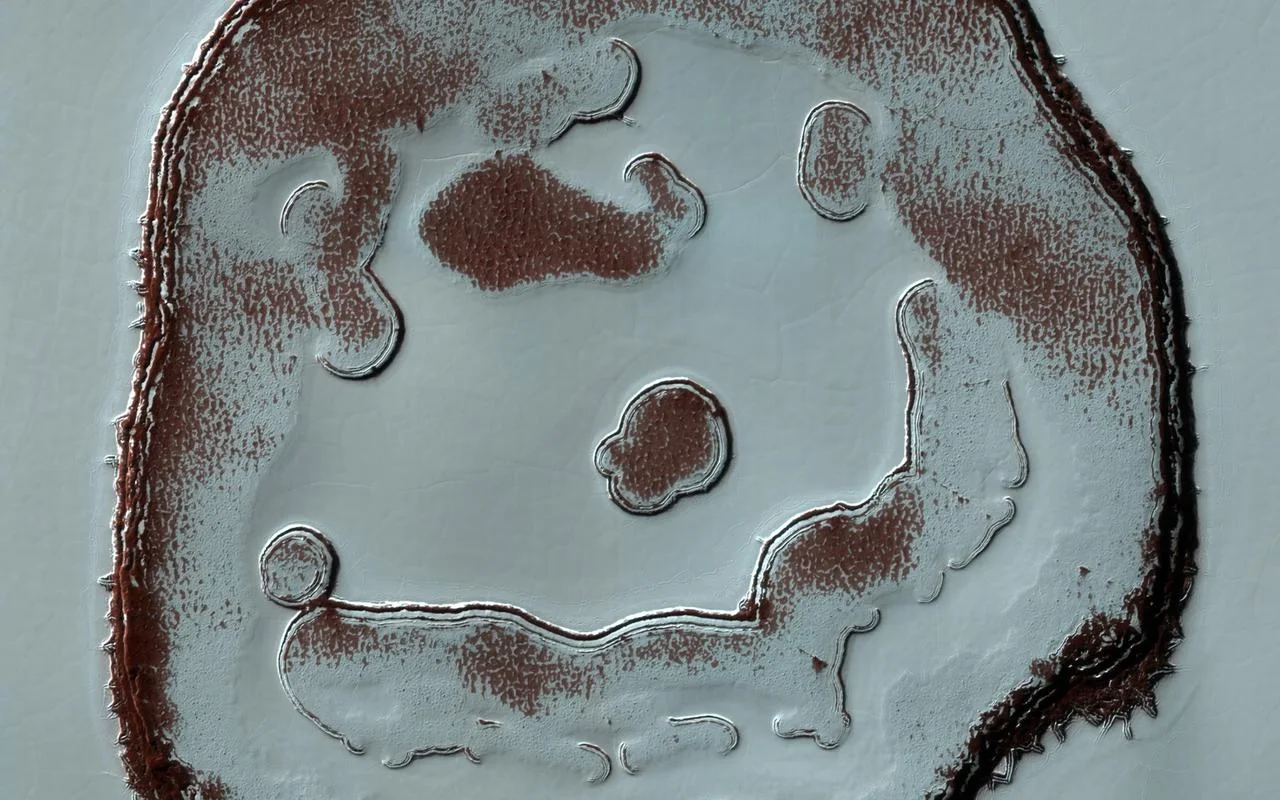
An international team focused on 36 craters inside the northern water‑ice cap. Using high‑resolution images from NASA’s Mars Reconnaissance Orbiter (HiRISE) collected between 2006 and 2025 (Mars Years 28–38), they tracked bright deposits on crater floors. These bright patches are interpreted as seasonal frost and surface ice.
Seasonal Brightness Changes Reveal Ice Motion
The analysis showed that 32 of the 36 craters displayed noticeable shifts in brightness over the course of a Martian year. Brightening in winter and dimming in summer indicate that ice deposits expand during the cold season and retreat when temperatures rise. The four craters that remained unchanged suggest that local conditions can suppress observable frost cycles.
Why Some Craters Stay Steady
The researchers noted that not every crater follows the same pattern. Factors such as crater depth, wall slope, orientation, and surrounding topography influence how sunlight and atmospheric vapor interact. In some locations, micro‑climates keep frost coverage relatively constant from one year to the next, highlighting the spatial heterogeneity of Mars’ polar region.
Local Climate vs. Planet‑Wide Trends
Mars experiences dramatic climate swings because its axial tilt varies more than Earth’s. While large‑scale changes affect the overall caps, this study emphasizes that localized processes—like the way a crater traps cold air—can drive ice dynamics independently. Understanding these micro‑climates helps scientists separate regional signals from global climate trends.
Looking Ahead: Modeling and Exploration
The findings motivate future work that couples high‑resolution imaging with atmospheric models. By simulating vapor transport and energy balance inside individual craters, researchers hope to predict how ice deposits will respond to both seasonal cycles and longer‑term climate shifts. Such models could also inform landing site selection for missions that aim to harvest water resources.
From Craters to Cultivation
While we’re still far from harvesting Martian ice, the idea of growing mushrooms in controlled habitats on the Red Planet is a tantalizing vision for future explorers. Understanding how water moves in Martian soils—even at the scale of a crater—will be essential for any life‑support system that relies on local resources.
Keep looking up and keep experimenting—science is a journey, not a destination.
Sources
This article was prepared with AI assistance from the sources listed above and approved by the Mushroom 2 Mars team before publication.