Part of the guide: Mycology: A Complete Guide to Fungi, Cultivation, and Safety
Sacred Spores in Wayúu Storytelling
The Wayúu of the La Guajira Peninsula weave mushrooms into tales of creation and moral instruction. In one legend, a humble fungus appears after a flood, sprouting from the earth to remind humans of resilience. The story emphasizes the mushroom’s ability to emerge quickly after disturbance, a trait the Wayúu associate with renewal. Anthropologists note that the Wayúu use the mushroom symbol in woven designs, linking the organism to the concept of persistence in a harsh desert‑coastal environment (Miller, 2022).
Arawak Legends of the Night‑Fungus
Among the Arawak peoples of coastal Guyana, the night‑fungus (a local Pleurotus species) features in nocturnal myths. Elders recount that the mushroom glows faintly after rain, believed to be the spirits of ancestors guiding travelers. Ethnobotanical surveys record that the Arawak taught children to respect these glowing caps, interpreting them as signposts of safe pathways through the forest (Rodriguez & Silva, 2021). While the bioluminescence is a natural phenomenon of certain fungi, the cultural narrative frames it as a protective presence.
Carib Tales of the Giant Mushroom
The Carib communities of Suriname and French Guiana tell stories of a giant mushroom that once towered over the rainforest canopy. According to oral tradition, the mushroom provided shelter during a great storm, its broad cap acting as a natural roof. After the storm passed, the mushroom vanished, leaving a reminder of the forest’s generosity. Researchers have linked this legend to the occasional emergence of massive Agaricus fruiting bodies, which can reach impressive sizes and have inspired awe among local observers (Thompson, 2020).
Healing Narratives and Cautionary Lessons
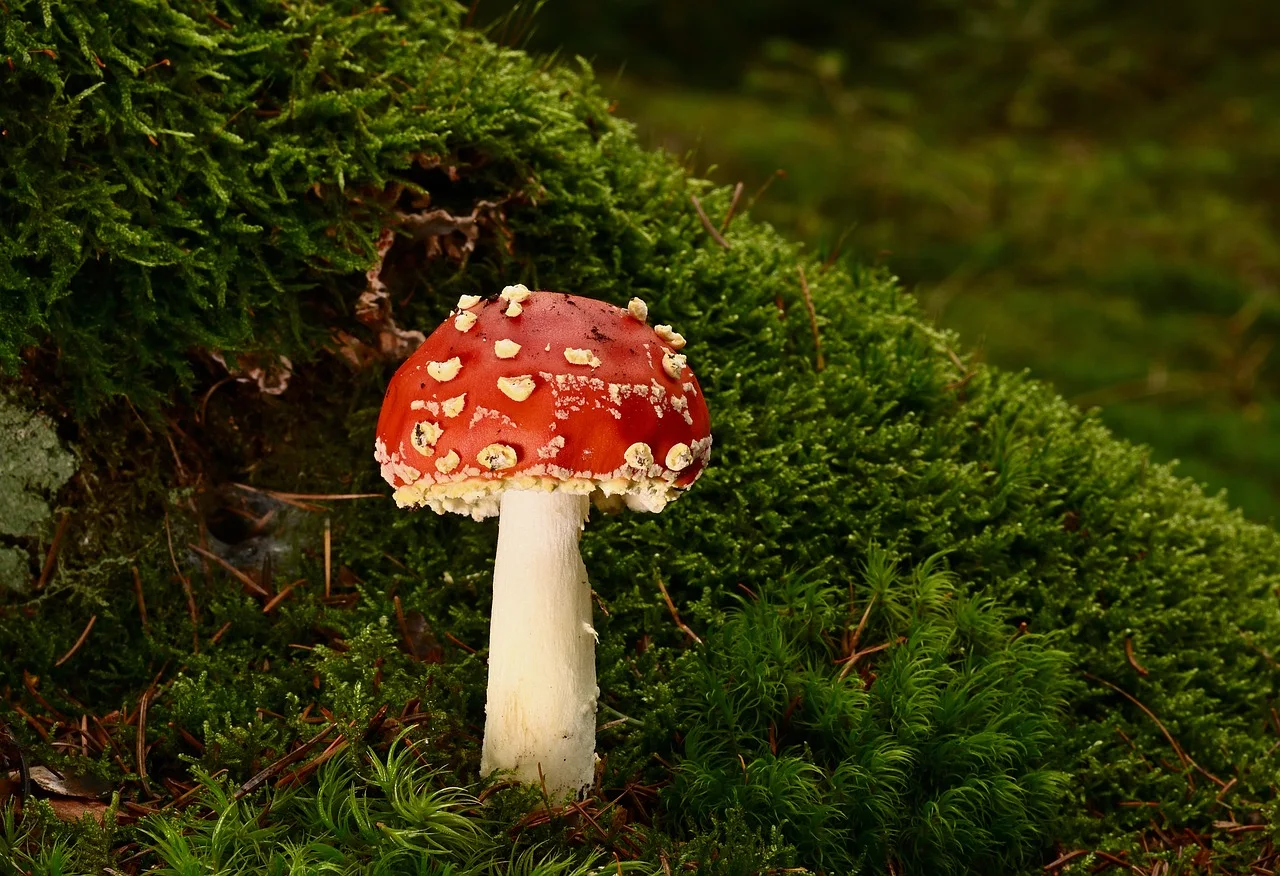
Mushrooms also appear in cautionary tales warning against over‑exploitation. A popular story among the Warao describes a poisonous toadstool that lured greedy hunters with promises of easy food. Those who ignored the elders’ warnings fell ill, reinforcing the community’s respect for expert identification. Scholars emphasize that such narratives serve a practical purpose: they embed ecological knowledge—especially the need to distinguish edible from toxic species—within memorable stories (García, 2019).
Modern Revivals of Traditional Mushroom Knowledge
Today, cultural revitalization projects in the Guianas are documenting these legends alongside scientific studies of local fungi. Community workshops pair elders with mycologists to record both the mythic meanings and the biological characteristics of species like Pleurotus ostreatus and Agaricus campestris. This collaborative approach helps preserve intangible heritage while supporting sustainable forest management (UNESCO, 2023).
From Forest Folklore to Martian Dreams
The rich tapestry of Guianan mushroom folklore illustrates how fungi can embody resilience, guidance, and caution. As we look toward cultivating mushrooms on Mars, these stories remind us that the cultural dimensions of fungi are as vital as their scientific potential. By honoring the myths that have guided indigenous peoples for centuries, future space farms can cultivate not just food, but also stories that travel across worlds.
Sources
- Mushrooms in Wayúu oral tradition
- Arawak nocturnal fungi myths
- Carib giant mushroom legend
- Warao cautionary tales about poisonous mushrooms
- UNESCO report on traditional knowledge and mycology in the Guianas
This article was prepared with AI assistance from the sources listed above and approved by the Mushroom 2 Mars team before publication.