The Quest for Directly Imaging Earth‑Like Worlds
The search for planets that could host life has accelerated since the first exoplanet discovery in 1995. While missions such as the James Webb Space Telescope have revealed atmospheric clues, actually seeing a planet as a distinct point of light remains a major hurdle. The proposed Habitable Worlds Observatory (HWO) aims to bridge that gap by providing the first telescope capable of directly imaging Earth‑size planets around Sun‑like stars.
What the HWO Architecture Study Examined
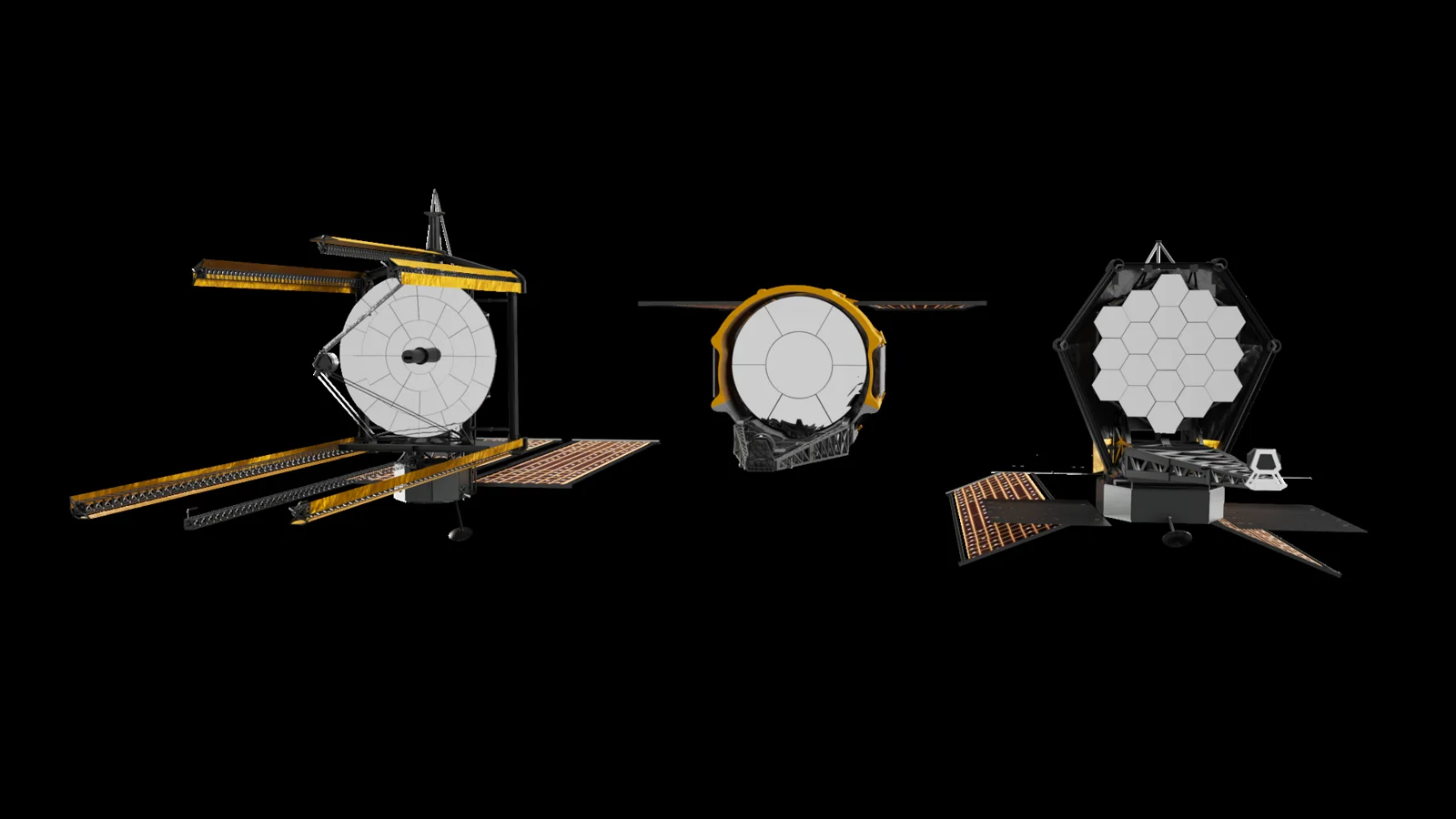
In June 2026, a team of NASA engineers and JPL scientists published a study in the Journal of Astronomical Telescopes, Instruments, and Systems that explored five possible design pathways, called Exploratory Analytic Cases (EACs). The paper focused on the first three cases, each varying the mirror geometry, overall diameter and whether the optical train sits on‑axis or off‑axis. These parameters dictate how much starlight the telescope can collect and how cleanly a coronagraph can block the star’s glare.
Off‑Axis vs. On‑Axis: Why It Matters
An on‑axis telescope places secondary mirrors and support structures directly in the incoming light path, which inevitably blocks a fraction of the beam and creates diffraction spikes. An off‑axis layout moves those components outside the field of view, delivering an unobstructed pupil and improving contrast—critical for spotting faint planets next to bright stars. The study’s engineers concluded that off‑axis designs generally offer superior light‑gathering efficiency for HWO’s science goals.
Mirror Size and Shape Options
The three examined cases were: - EAC 1: 6 m inscribed diameter, 7.2 m circumscribed, off‑axis. - EAC 2: 6 m round mirror, off‑axis. - EAC 3: 8 m outer‑diameter mirror, on‑axis.
Inscribed versus circumscribed measurements describe the inner usable aperture versus the full outer edge of the mirror assembly. A larger outer‑diameter (as in EAC 3) provides more collecting area, but the on‑axis configuration introduces central obscuration that can reduce contrast. The team favored the off‑axis options (EAC 1 and EAC 2) because they combine ample aperture with a clear optical path.
Temperature Control and the Coronagraph
Direct imaging relies on a coronagraph instrument (CI) that suppresses starlight to reveal nearby planets. The study highlighted thermal stability as a key design driver: temperature fluctuations can distort the mirror surface and degrade coronagraph performance. By borrowing thermal‑control techniques from JWST and the upcoming Roman Space Telescope, the engineering team devised models that keep the optics within tight temperature tolerances, enhancing the CI’s ability to block stellar glare.
The Role of the Systems Engineering Team
The Systems Engineering Team (SET), spanning multiple NASA centers and the Jet Propulsion Laboratory, used model‑driven practices rooted in JWST heritage and refined by Roman experience. They built parametric tools to trade off mirror size, shape, and axis configuration, and shared these models with industry partners to accelerate technology maturation. According to the study, the SET completed end‑to‑end modeling for EAC 1, providing a concrete baseline for future trade studies.
Looking Ahead to the 2040s Launch
Although HWO will not launch until the 2040s, the architecture work being done today shapes the telescope’s eventual capability to answer whether Earth is unique. By prioritizing off‑axis designs with large, thermally‑stable mirrors, NASA aims to maximize the chance of directly imaging true Earth analogs. As the project progresses, additional concepts and engineering refinements will emerge, keeping the scientific community eager for the next breakthrough.
And who knows—maybe one day the same engineering principles that let us see distant worlds will help us grow mushrooms on Mars, feeding the next generation of explorers.
Sources
This article was prepared with AI assistance from the sources listed above and approved by the Mushroom 2 Mars team before publication.