A New Ear on Mars
The InSight lander touched down on the Martian surface on 26 November 2018, carrying the Seismic Experiment for Interior Structure (SEIS) as its flagship instrument. Deployed on 19 December, SEIS began listening for the subtle tremors that travel through the planet’s crust, mantle and core. By measuring these marsquakes, scientists can piece together three‑dimensional maps of the deep interior—information that helps us compare Mars with Earth, the Moon, and other rocky bodies.
From Viking to InSight: A Brief History
Early attempts to hear Mars began with the Viking missions in 1976. Those landers carried seismometers mounted on the spacecraft itself, which meant that wind and lander operations swamped the faint planetary signals. Only a single possible marsquake was recorded, and the data were insufficient for detailed interior models. Decades later, InSight’s SEIS, placed directly on the ground and shielded from wind, finally gave researchers a clear acoustic window into the planet.
Engineering a Sensitive Seismometer for a Windy World
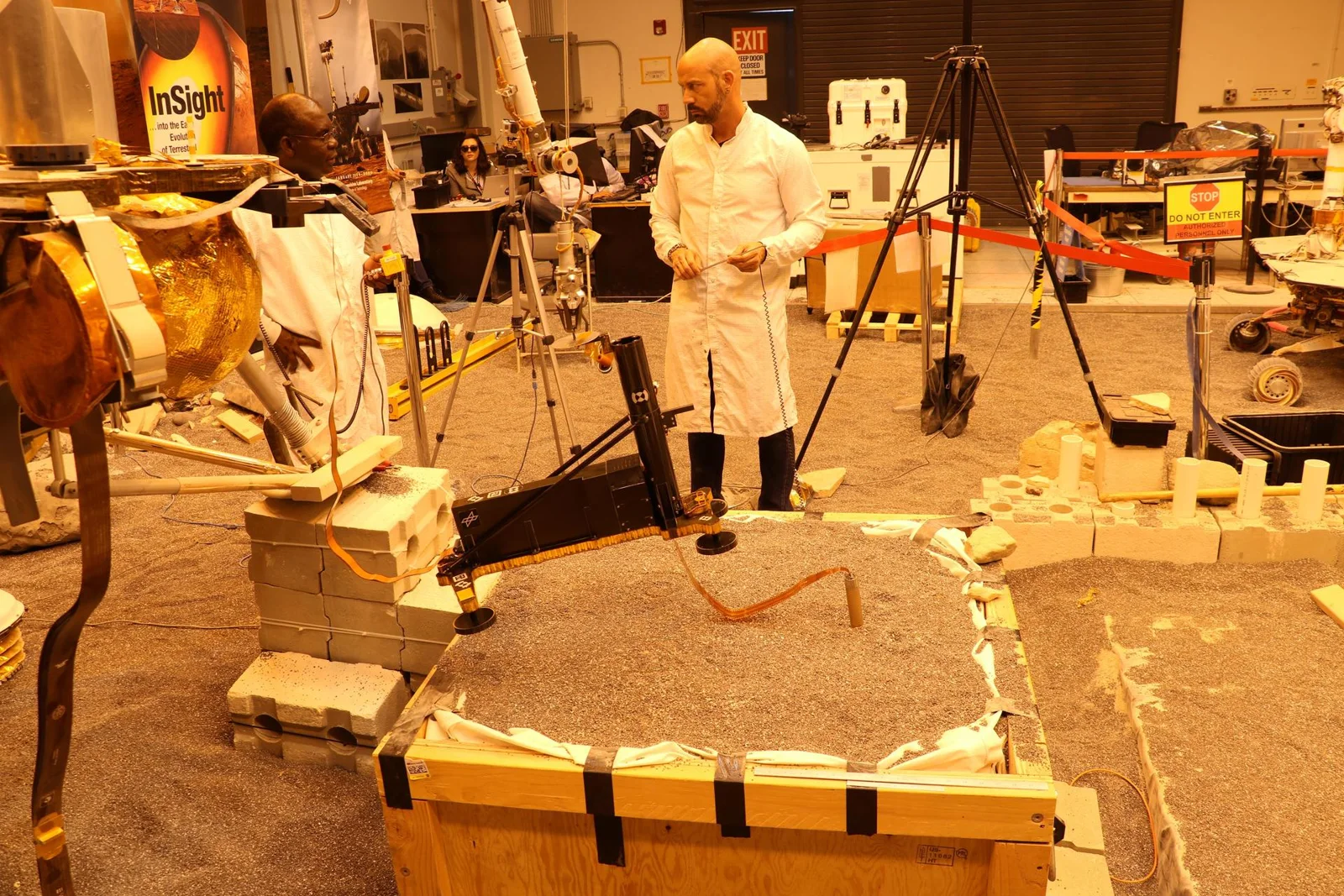
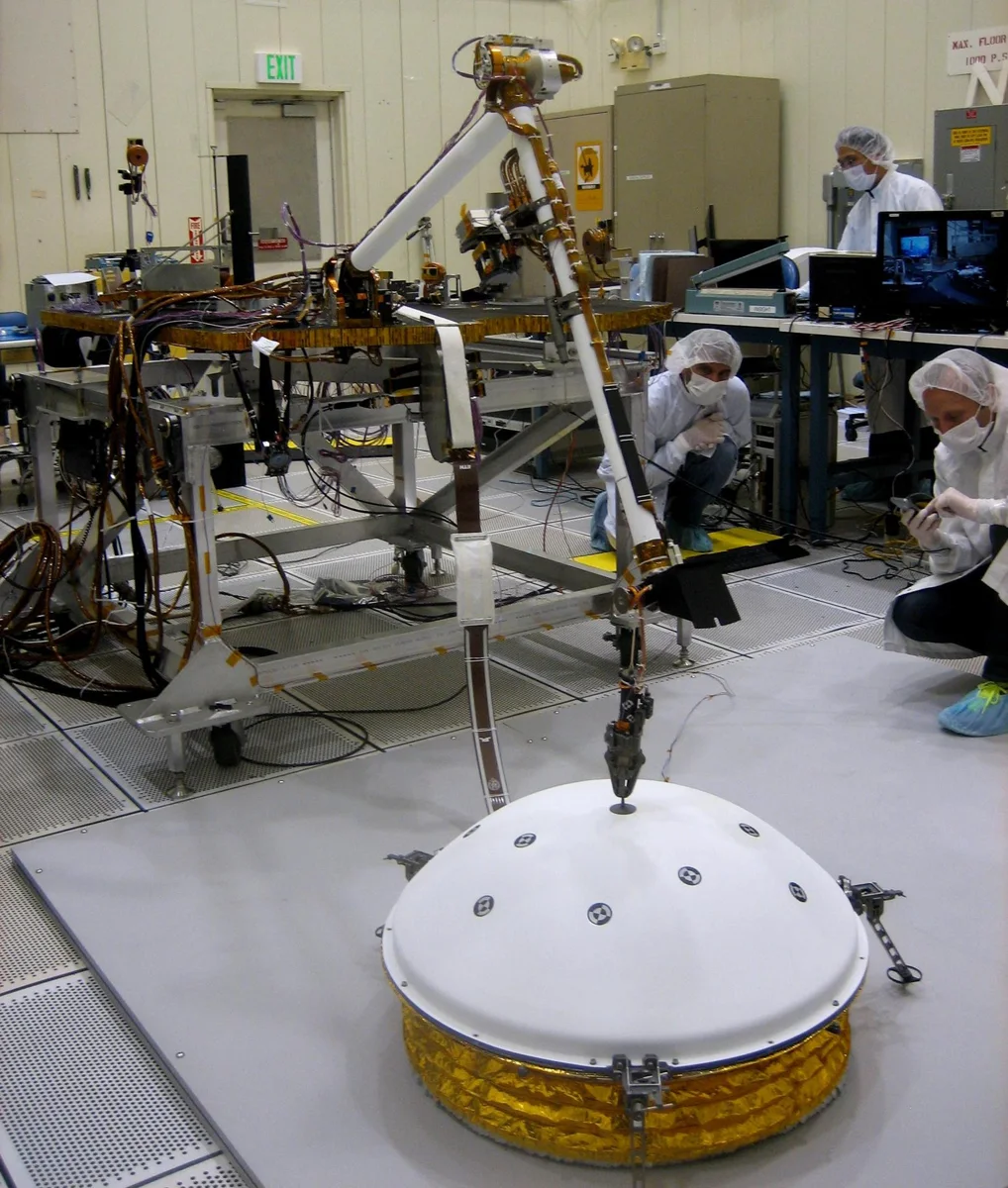
SEIS was a joint effort by CNES, the Institut de Physique du Globe de Paris, ETH Zurich, the Max Planck Institute for Solar System Research, Imperial College, ISAE‑Supaero and JPL. The instrument combines a three‑axis very‑broad‑band sensor with a three‑axis short‑period sensor, both housed in a vacuum‑tight thermal enclosure. Because Mars experiences far less seismic activity than Earth, minimizing wind‑induced vibrations was essential. A heavy wind and thermal shield, plus a tripod that rests directly on the regolith, protect the sensors while a robotic arm precisely places them on the surface.
First Signals: Marsquakes and a Meteor Impact
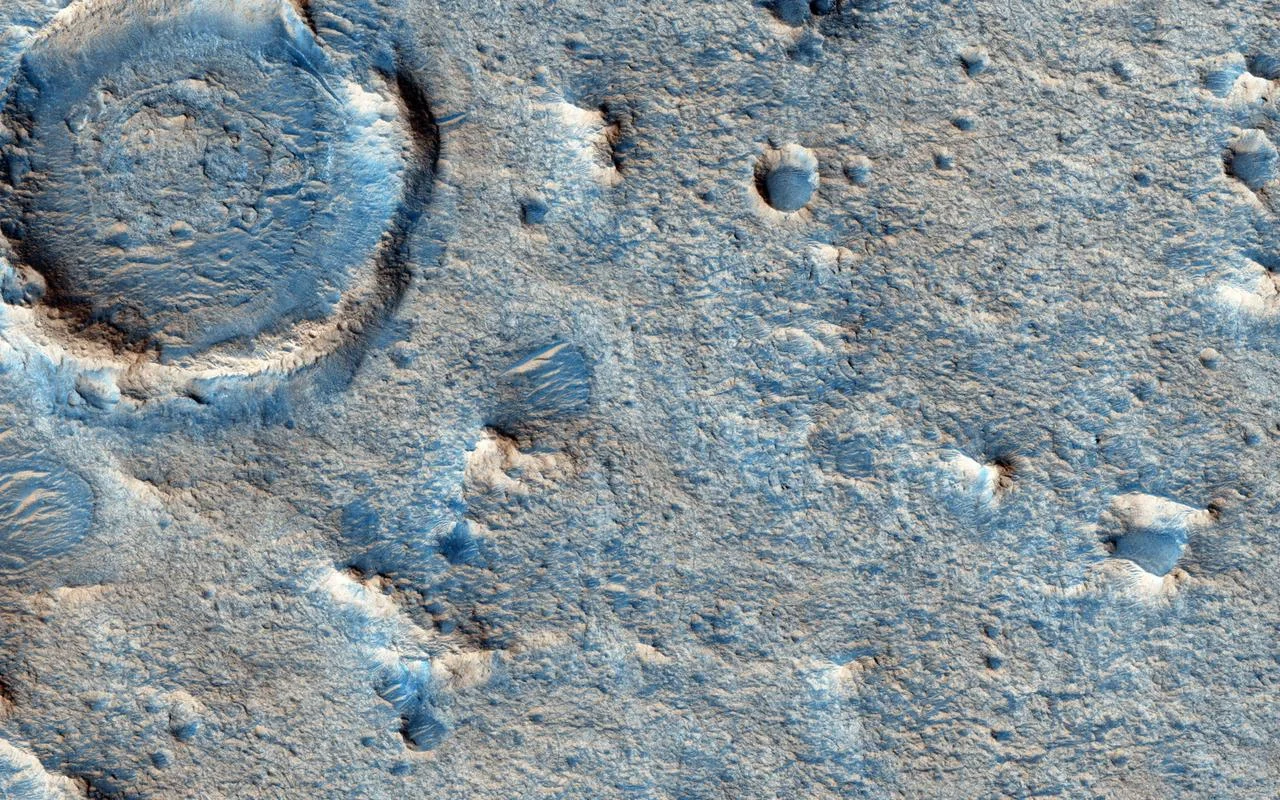
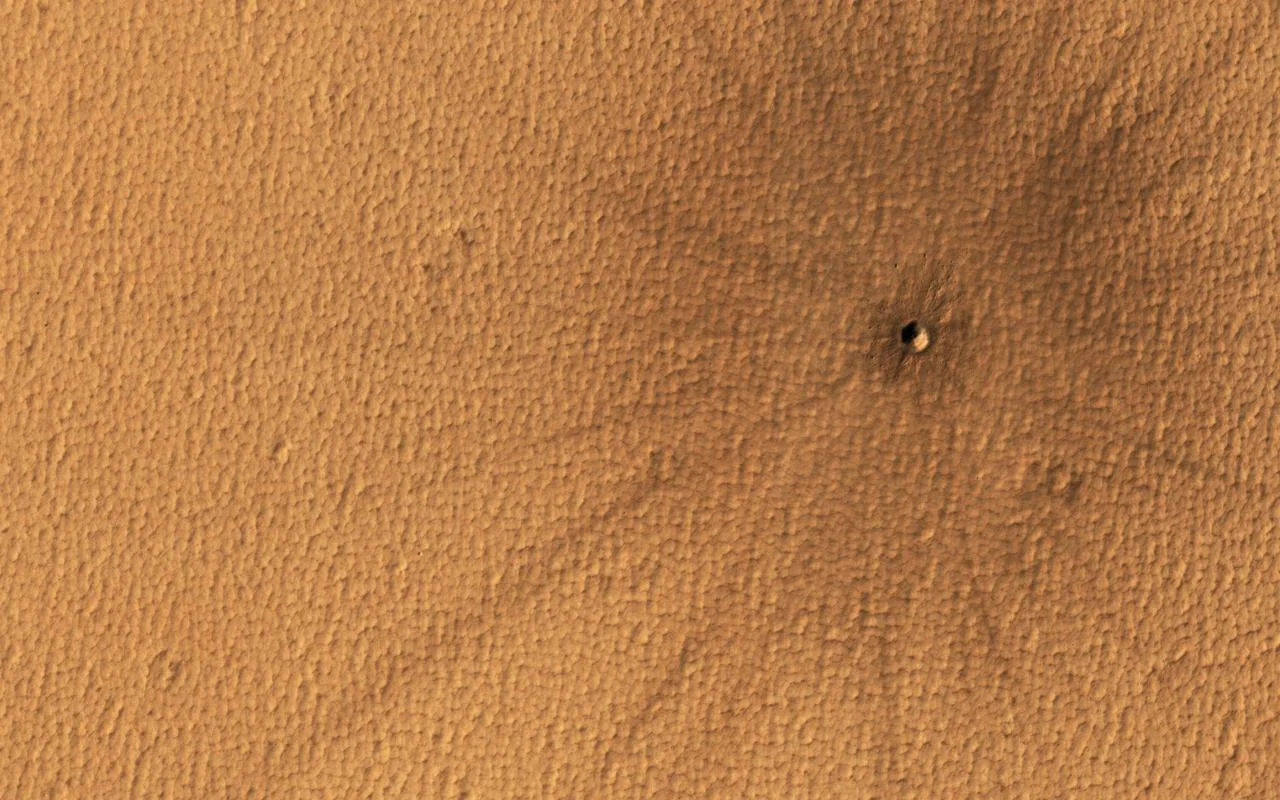
SEIS quickly proved its worth. In 2019 it recorded a series of marsquakes in the Cerberus Fossae region, confirming that the planet is seismically active, albeit at a lower level than Earth. On 24 December 2021 the instrument captured a distinct high‑energy event that turned out to be a meteor striking the surface, later confirmed by orbital imagery of a fresh 150‑meter crater. By the official end of the InSight mission on 21 December 2022, SEIS had logged 1 319 marsquakes, providing a rich dataset for scientists worldwide.
How SEIS Turns Vibrations into a Planetary Blueprint
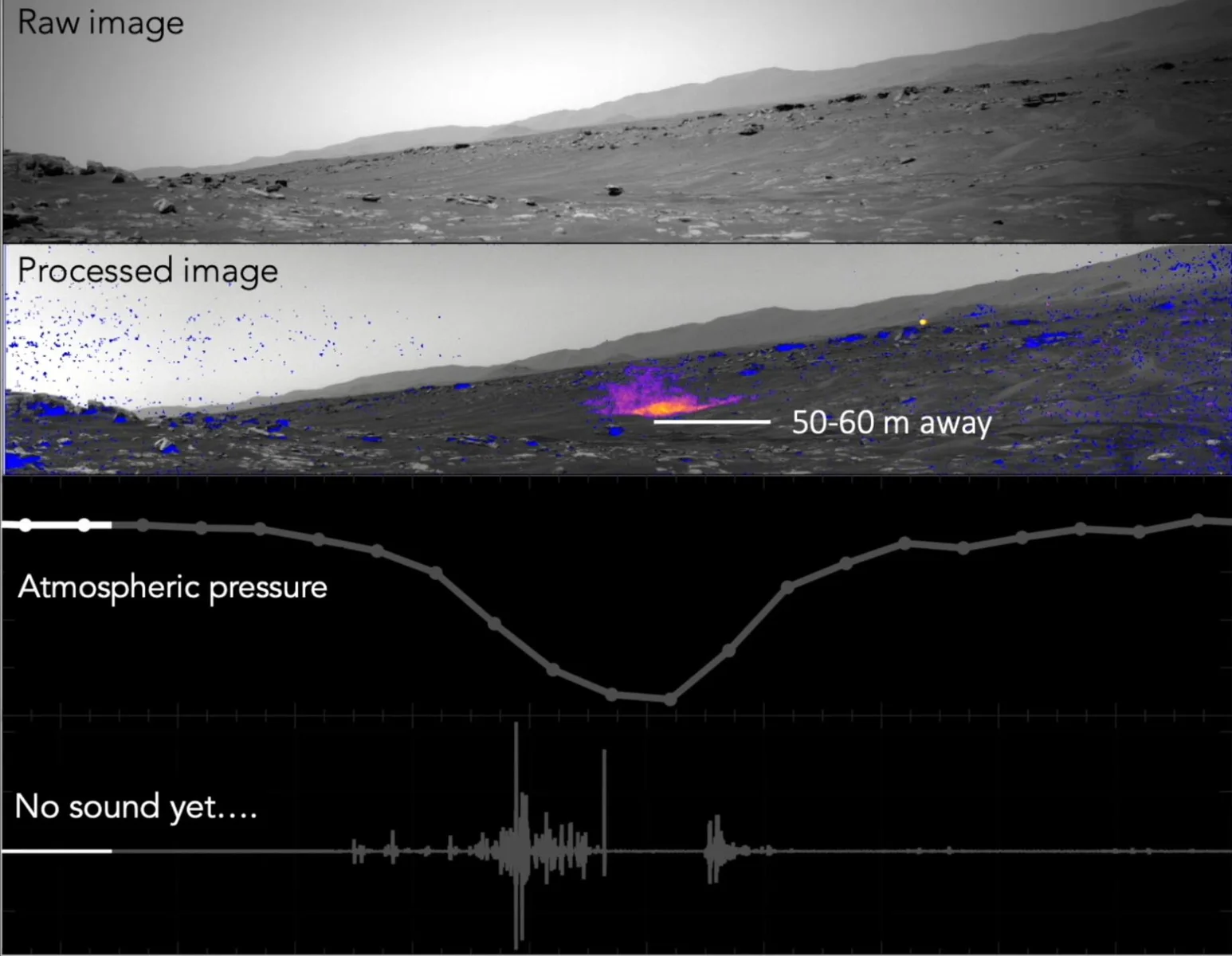
Seismic waves travel through a planet in two main forms: compressional P‑waves and shear S‑waves. By measuring the arrival times of these waves at a single site, researchers can infer the depth and material properties of the layers they passed through. SEIS also detects higher‑frequency signals up to 50 Hz, atmospheric pressure waves, and even tidal forces from Phobos. When combined with data from InSight’s other instruments—such as the Heat Flow and Physical Properties Package and the Rotation and Interior Structure Experiment—these observations allow scientists to constrain the thickness of the crust, the size of the core, and whether the core is solid or liquid.
What We’ve Learned About Mars’ Inner Workings
Early analyses suggest that Mars’ crust is thinner than previously thought, ranging from about 14 km to 20 km in different regions. The mantle appears to be less convective than Earth’s, which may explain the planet’s lack of plate tectonics. Seismic data also hint at a core that is partially liquid, similar to Earth’s outer core, but much smaller—roughly half the radius of Earth’s core. These insights are reshaping models of how terrestrial planets form and evolve.
Looking Ahead: From Seismic Maps to Martian Gardens
The detailed interior models derived from SEIS help engineers assess the stability of subsurface habitats and the feasibility of using geothermal energy on Mars. For projects like Mushroom 2 Mars, understanding the planet’s heat flow and seismic stability is crucial for designing safe, long‑term mushroom cultivation chambers that could one day thrive beneath the Martian regolith.
Sources
This article was prepared with AI assistance from the sources listed above and approved by the Mushroom 2 Mars team before publication.