Understanding Fungiculture
Fungiculture refers to the intentional cultivation of fungi, most commonly for edible mushrooms. Unlike plants, mushrooms do not photosynthesize; they obtain all nutrients from a prepared growth medium. Successful cultivation hinges on four key factors: humidity (95‑100% RH), temperature, substrate moisture (50‑75%), and a clean inoculum. Spores are the reproductive units, but because they pick up airborne microbes easily, growers usually start with spawn—mycelium that has already colonized sterilized grains such as rye or millet.
Preparing Spawn: The Foundation of a Healthy Crop
Spawn is created by inoculating sterilized grain with mycelium in a clean environment, often a laminar flow cabinet. The grain provides a nutrient‑rich, low‑moisture platform for the mycelium to expand. Once the grain is fully colonized (usually a few weeks), it can be transferred to a larger substrate. Because spawn is already a living culture, it outcompetes most contaminants, giving growers a reliable start.
Outdoor Log Cultivation
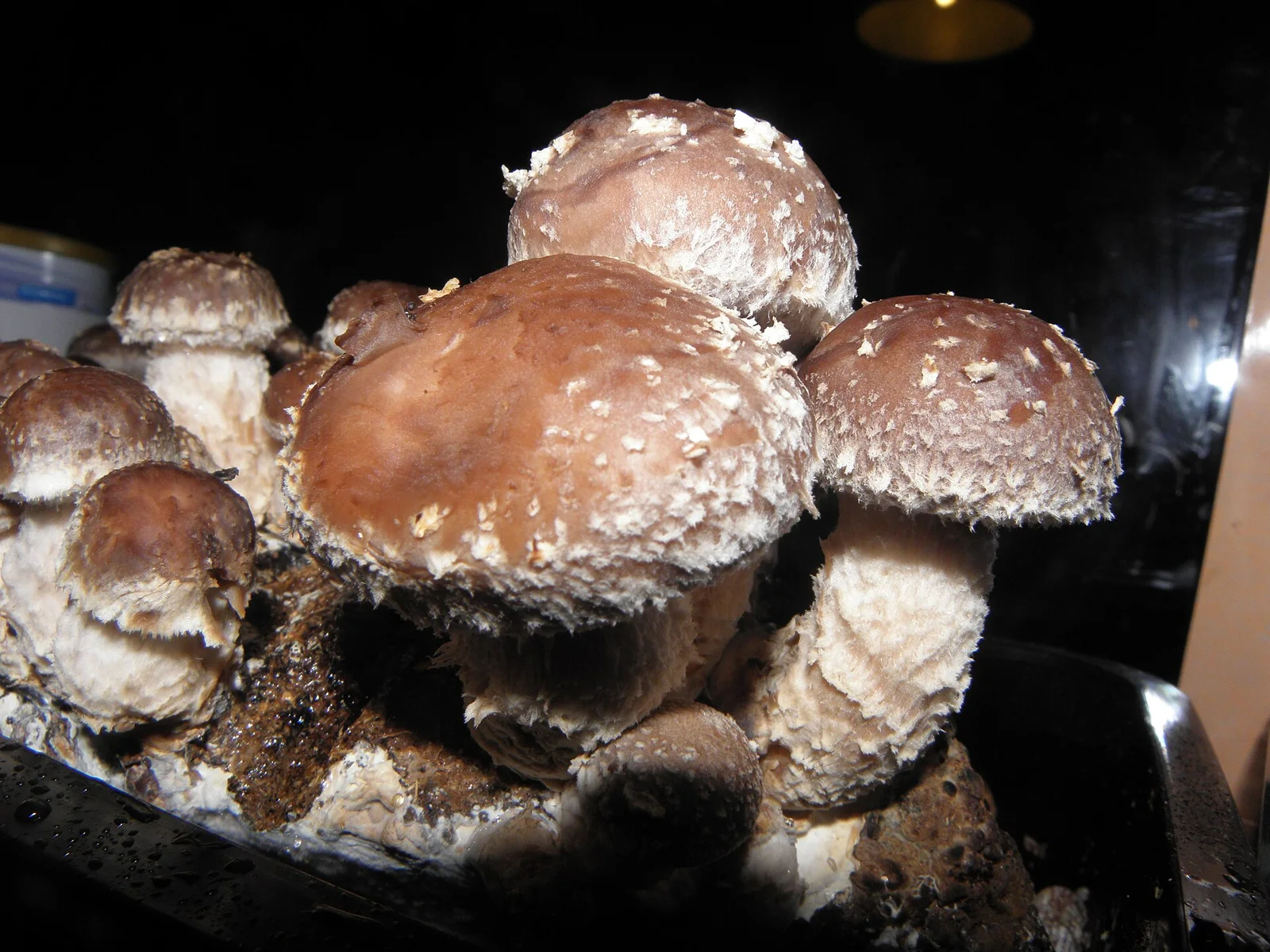
Log cultivation is a traditional method that mimics natural mushroom growth. Hardwood logs (10‑15 cm diameter) are drilled, filled with spawn, and sealed with hot wax. After a 12‑ to 15‑month incubation under a forest canopy, the logs are soaked for 24 hours, prompting fruiting within a week. Shiitake and oyster mushrooms are the most common species grown this way. Softwoods are avoided for shiitake because their resin can inhibit mycelial development. While log growing is low‑tech and environmentally friendly, it accounts for less than 5 % of commercial production due to its seasonal and unpredictable nature.
Indoor Tray Systems: Precision and Scale
Modern commercial farms rely on indoor tray cultivation, a practice that began in French caves where temperature and humidity remain stable year‑round. Trays are filled with a sterilized substrate (often a mix of sawdust, straw, and compost) and inoculated with spawn. The closed environment allows growers to fine‑tune light, temperature, and airflow, dramatically reducing contamination risk. This method supports continuous, year‑long production and is the backbone of large‑scale operations. Automation is rapidly advancing; robotic arms equipped with computer vision now harvest mushrooms from shelf systems, improving speed and reducing labor shortages.
Managing Moisture and Airflow
Both log and tray methods require careful moisture management. Substrate moisture should stay between 50‑75 % to keep mycelium active without fostering bacterial growth. For trays, misting systems maintain the high relative humidity needed for pinning, while fans provide fresh air exchange to prevent CO₂ buildup, which can deform caps. In log systems, soaking the logs briefly before fruiting supplies the necessary water pulse, after which natural rainfall or ambient humidity sustains growth.
From Earth to Mars: Why Fungiculture Matters
Mushrooms convert organic waste into protein‑rich food, making them ideal for closed‑loop life‑support systems. As we look toward sustainable habitats on Mars, the ability to grow fungi in controlled environments—whether on trays or compact log‑like modules—could provide a reliable source of nutrition and even building materials. The same principles that guide a backyard log farm or a high‑tech indoor facility will help future Martian colonists cultivate their own fungal harvests.
Sources
This article was prepared with AI assistance from the sources listed above and approved by the Mushroom 2 Mars team before publication.