Part of the guide: Mushrooms: A Complete Guide to Identification, Cooking, and Cultivation
Spotting the Brown Puffball in the Field
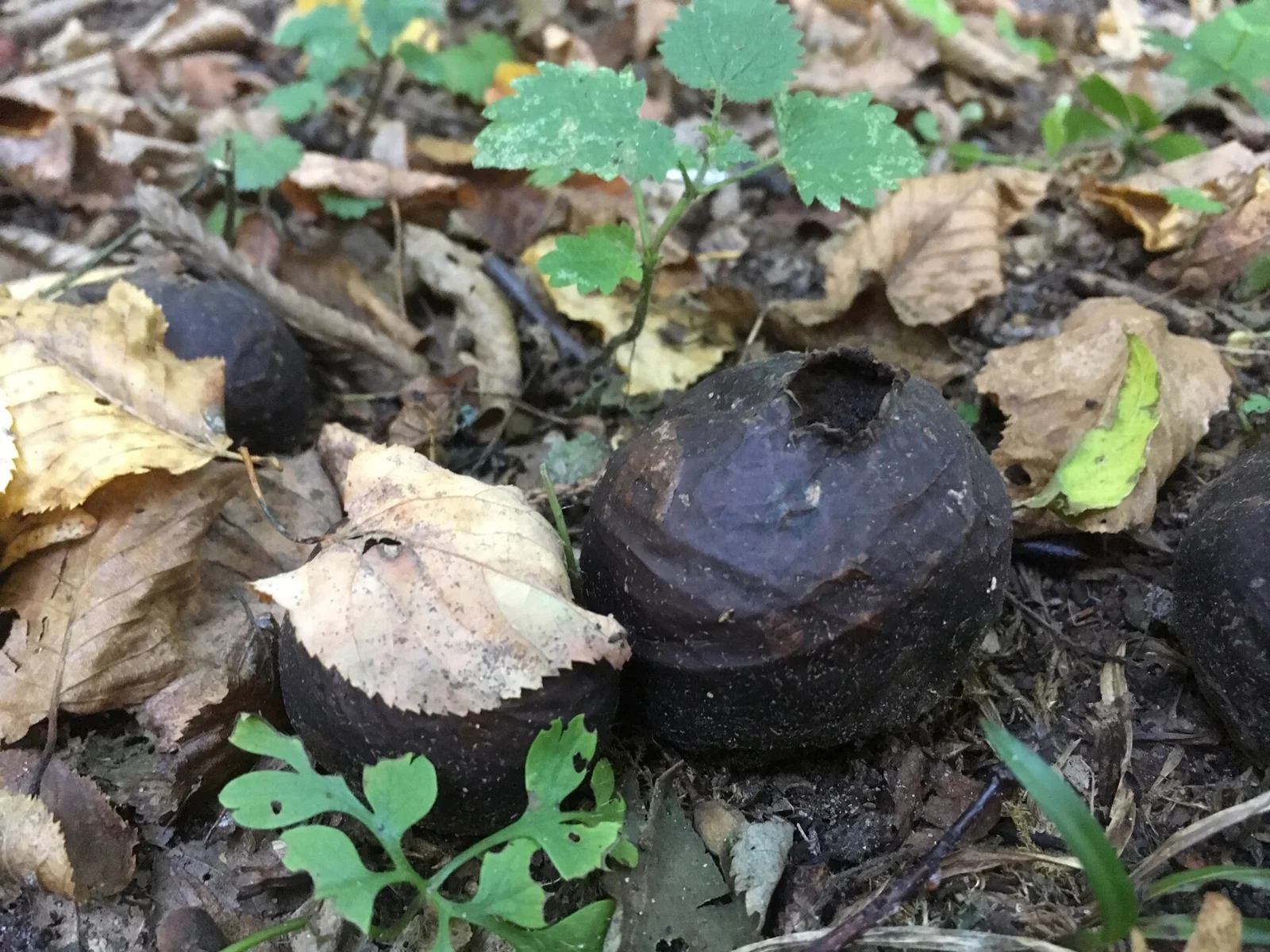
Bovista nigrescens, often called the brown puffball or black bovist, grows as a roughly spherical fruit body about 3–6 cm across. When young, the outer skin is a clean cream‑white; as it matures the surface flakes away in large scales, revealing a dark purple‑brown to almost black inner wall. The mushroom rests on a single mycelial cord that can break, allowing the puffball to roll across grass or pastureland. Look for the tiny apical pore at the top – a split that lets the spores escape when the puffball is mature.
How the Puffball Develops
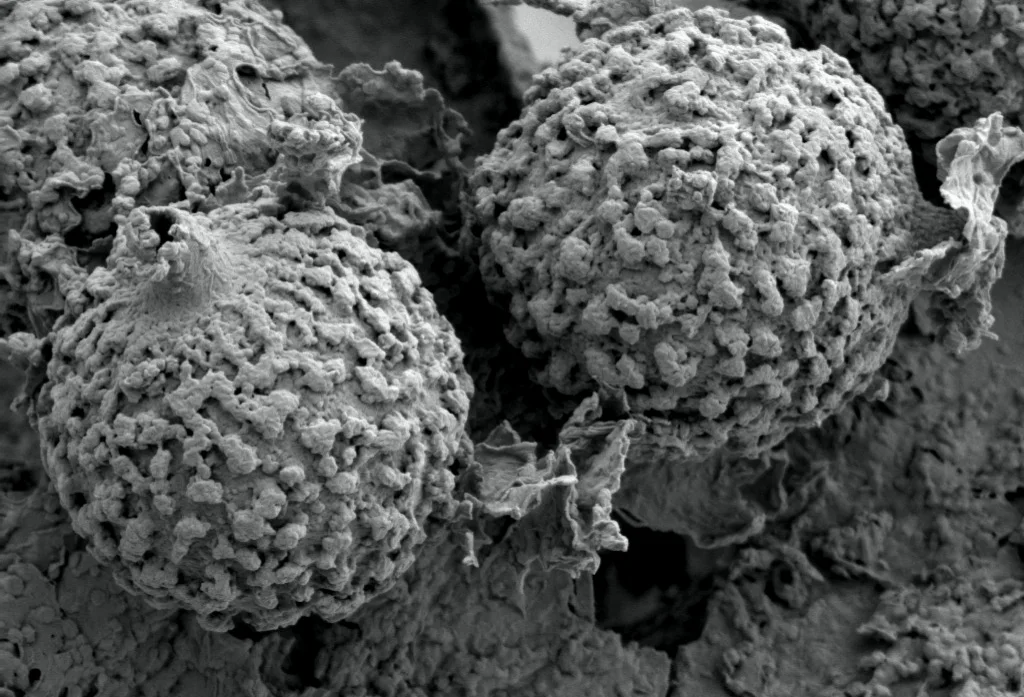
Inside the outer wall lies the gleba, a spore‑laden tissue that starts white and darkens to a deep purple‑brown as the mushroom ages. The capillitium – a network of highly branched, brown, dendroid threads – helps disperse the spores. Each spore is ovoid, about 4.5–6 µm in diameter, thick‑walled, and bears a tiny oil droplet and a wart‑like pedicel. Molecular studies using ITS and LSU DNA sequences have placed B. nigrescens firmly within the Lycoperdaceae family, confirming its relationships to other puffballs.
Where You’ll Find It
Brown puffballs favor open grasslands, pastures, lawns, and even roadside verges. They are most common from late summer through autumn, but dried specimens can persist for months. While they are relatively uncommon overall, they appear more frequently in northern and western Europe, thriving at elevations up to 2,500 m (≈8,200 ft). The single mycelial cord that anchors the fruit body to the substrate often detaches, leaving the puffball free to roll with the wind – a helpful clue for identification.
Culinary Use: When Young Is Best
Only young, firm puffballs are considered edible. At this stage the interior is still white and the texture is crisp, similar to a fresh mushroom cap. To prepare, slice the puffball in half and inspect the gleba – it should be uniformly white without any darkening. Cook the slices by sautéing in butter or oil, or add them to soups and stews. Because the species is not widely cultivated, most culinary use involves foraging responsibly and confirming identification with an expert; never consume wild mushrooms unless you are certain of the species.
From Pasture to Space: Growing Puffballs on Mars
Researchers interested in sustainable food production for long‑duration space missions are exploring puffballs like B. nigrescens for their simple substrate needs and rapid growth. While still experimental, the idea is that these compact fungi could be cultivated in controlled habitats, providing a nutritious supplement for future Martian crews.
Key Identification Checklist
- Size: 3–6 cm diameter
- Shape: Spherical, slightly pointed at the base
- Surface: White when young, flaking to dark scales as it matures
- Attachment: Single mycelial cord that may break
- Interior (young): Uniform white gleba
- Spore print: Dark brown (visible only when fully mature)
Sources
This guide is not a foraging or identification manual. Many edible mushrooms have toxic look-alikes. Never eat a wild mushroom unless an expert has identified it in person.
This article was prepared with AI assistance from the sources listed above and approved by the Mushroom 2 Mars team before publication.