Part of the guide: Mushrooms: A Complete Guide to Identification, Cooking, and Cultivation
A Brief History and Taxonomic Roots
Boletus reticulatus, often called the summer cep, was first described by German naturalist Jacob Christian Schäffer in 1774. Schäffer’s name took priority over the later French name Boletus aestivalis given by Jean‑Jacques Paulet in 1793, even though both names appeared in the literature for many years. The species belongs to the Boletus section Boletus, a group that includes well‑known relatives such as B. aereus, B. edulis, and B. pinophilus. Genetic work shows the summer cep is a sister species to B. aereus and shares a more distant common ancestor with lineages formerly called B. edulis from China and Korea, diverging roughly six to seven million years ago.
Distinctive Appearance – What to Look For
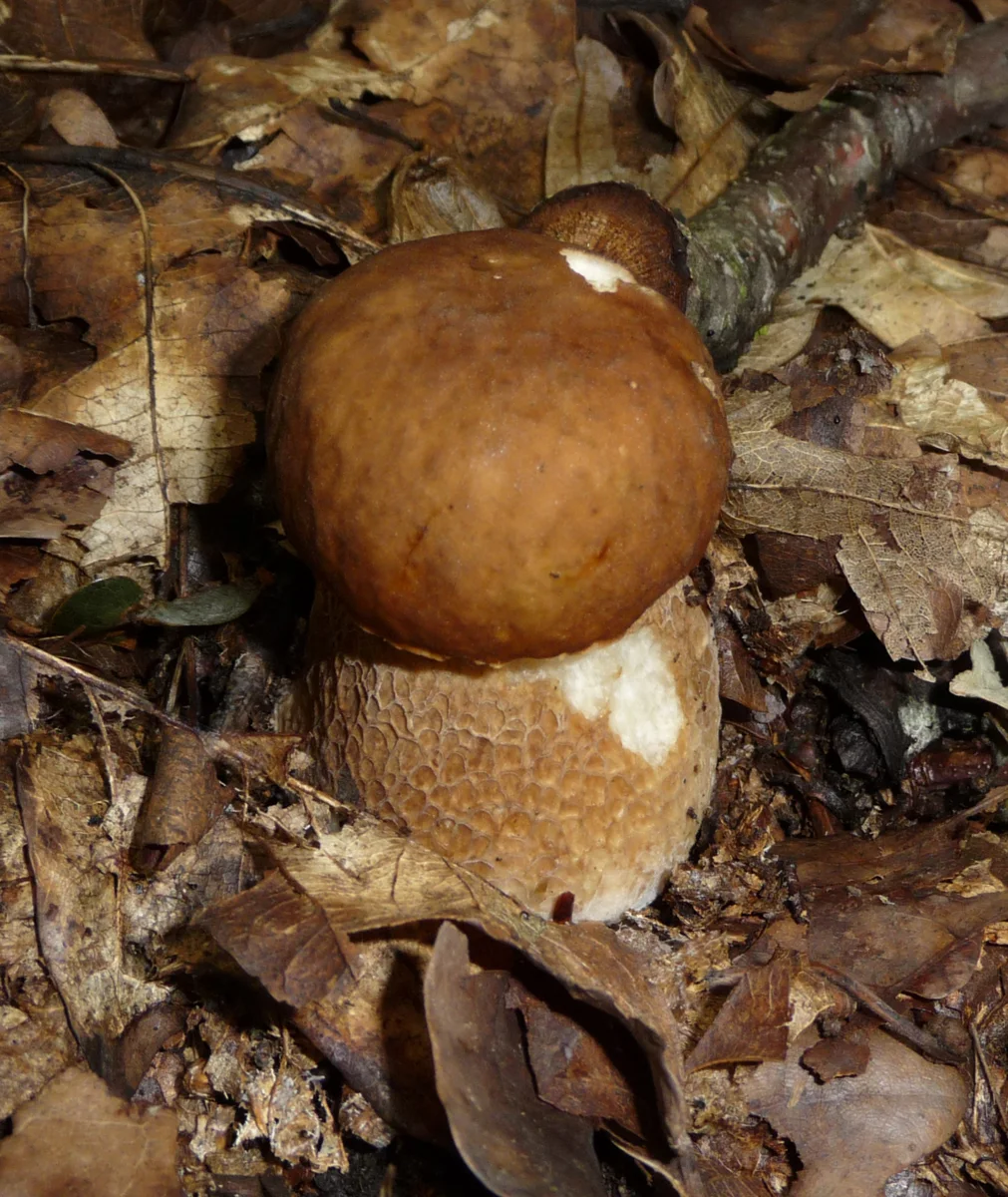
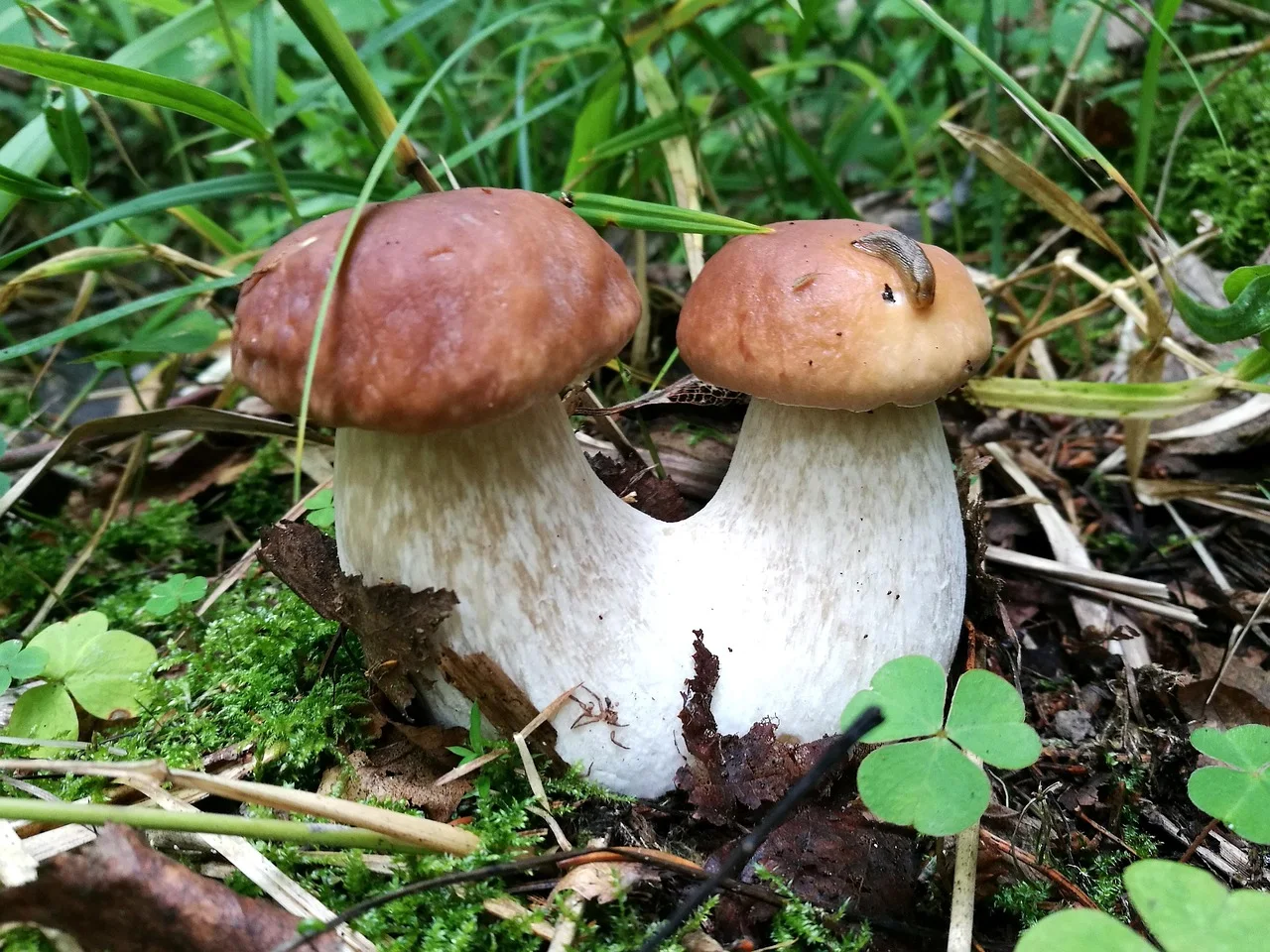
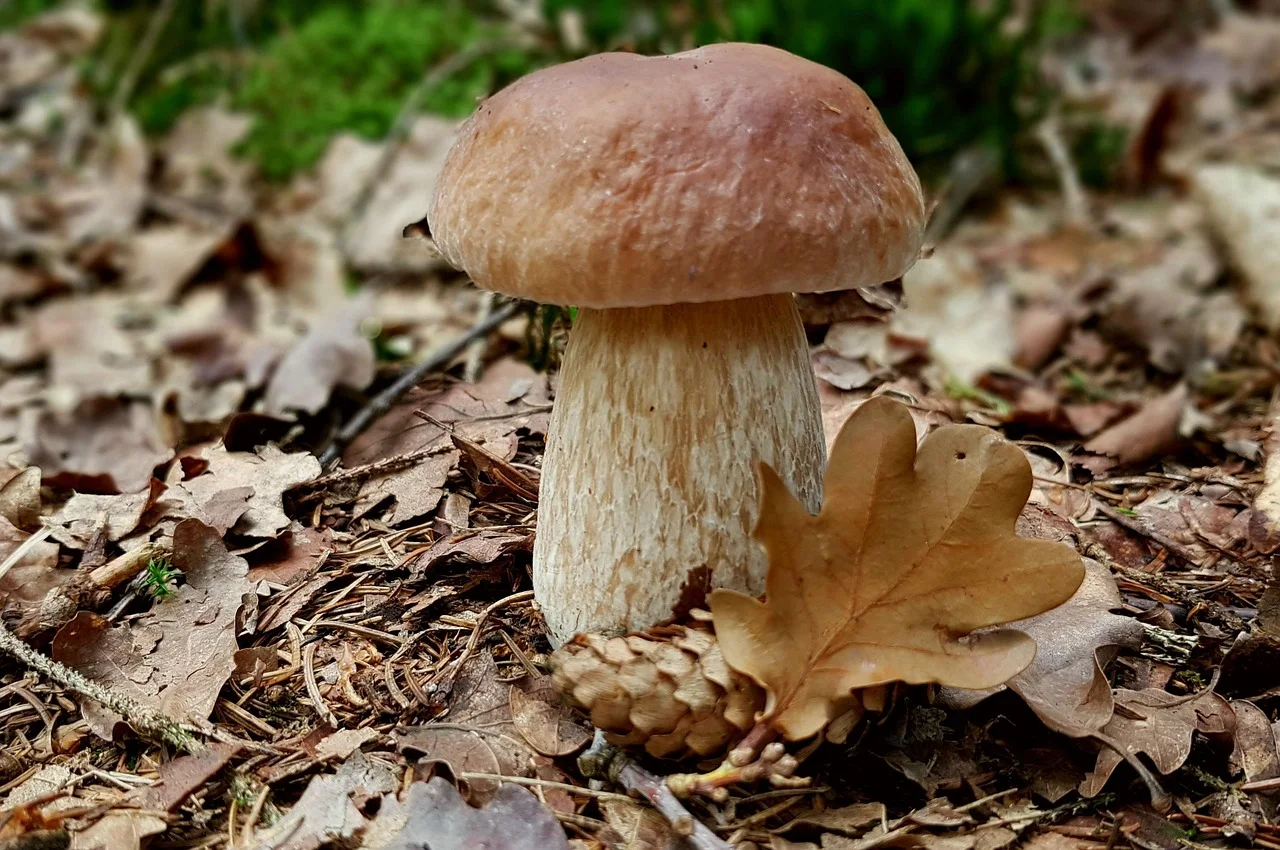
The summer cep is a large, fleshy bolete with a cap that can reach up to 30 cm (12 in) across. The cap surface is velvety brown to chocolate‑red and often cracks when dry, revealing a whitish flesh underneath—a pattern that gives the mushroom its “netted” look. Unlike the classic porcini (B. edulis), the summer cep usually lacks a white edge on the cap margin. The pores start white, turn pale yellow with age, and finally brown. The stipe is central, up to about 12 cm tall, and displays a striking reticulated (net‑like) pattern that may range from white to brown. The flesh stays firm and white, emitting a pleasant mushroom aroma, though it can become softer than other boletes as it matures.
Where It Grows – European Summer Hotspots
B. reticulatus forms a mycorrhizal partnership with oak (Quercus) trees, thriving in deciduous woodlands after warm, humid spells. It appears from early summer through autumn, especially in southern and western France and the Apennine region of Italy. Its range extends eastward across Ukraine, parts of Russia (including the Crimean Peninsula and as far as Primorsky Krai), and even into introduced populations in southern Africa under exotic pine (Pinus patula). Because it is less host‑specific than some other boletes, it can be found under a variety of oak species throughout Europe.
Nutritional Profile – What the Science Says
Analyses of dried summer cep fruit bodies from Portugal report about 334 kcal per 100 g dry weight. The macronutrient breakdown of 100 g dried material is roughly 22.6 g protein, 55.1 g carbohydrates, and 2.6 g fat. Fresh mushrooms are about 91 % water, so the caloric content of a typical serving is modest. The fatty acid profile is dominated by unsaturated fats, primarily cis‑linoleic acid, followed by cis‑oleic, palmitic, and stearic acids. Carbohydrates include glucose, mannitol, α,α‑trehalose, glycogen, and a high proportion of chitin (80–90 % of dry matter), contributing to the mushroom’s insoluble fiber content. The fruiting bodies also contain higher levels of tocopherol (vitamin E) than many other mushroom species, a factor that may influence their antioxidant capacity.
Culinary Uses – From Forest to Table
The summer cep is prized for its mild, nutty flavor and firm texture, though it is slightly softer than the classic porcini. It works well in sautés, soups, and risottos, where its flesh holds up to brief cooking without disintegrating. A simple preparation involves cleaning the caps with a damp cloth, slicing them, and sautéing in butter or olive oil with garlic and fresh herbs for 5‑7 minutes until golden. Adding a splash of white wine or vegetable broth at the end creates a flavorful sauce that pairs nicely with pasta or polenta. Because the mushroom is high in water, it releases moisture quickly; cooking over medium‑high heat helps evaporate excess liquid and concentrate flavor. Always source B. reticulatus from reliable foragers or markets—wild‑picked specimens should be positively identified by an expert before consumption.
Conservation and Future Potential
While the summer cep is common in many parts of Europe, habitat loss and climate change could affect its distribution. Its reliance on oak forests means that sustainable forest management is key to preserving its populations. Interestingly, the species’ robust mycorrhizal relationship and relatively fast fruiting cycle make it a candidate for experimental cultivation in controlled environments. Researchers are exploring how bolete species might be grown on substrates that mimic forest soils, a line of inquiry that could eventually support mushroom production for space habitats—an area of interest for projects aiming to grow fungi on Mars.
Boletus reticulatus offers a fascinating blend of history, biology, and culinary appeal. Whether encountered on a summer hike or prepared in a kitchen, this bolete reminds us of the intricate connections between forest ecosystems and the foods we enjoy, and it hints at the possibilities of mushroom cultivation beyond Earth.
Sources
This guide is not a foraging or identification manual. Many edible mushrooms have toxic look-alikes. Never eat a wild mushroom unless an expert has identified it in person.
This article was prepared with AI assistance from the sources listed above and approved by the Mushroom 2 Mars team before publication.