Part of the guide: Mushrooms: A Complete Guide to Identification, Cooking, and Cultivation
Taxonomic background
Boletus variipes was first recorded by the American mycologist Charles Horton Peck in the late 19th century. A later variety, B. variipes var. fagicola, was added by Smith and Thiers in the early 1970s. Molecular work published in 2010 showed that the name had been applied to several genetically distinct groups. Populations east of the Rockies are closely related to a Japanese bolete, while those from Central America and the southeastern United States form a separate lineage that has since been renamed. A third group from the Philippines retains the original name but is more distantly related.
What the mushroom looks like
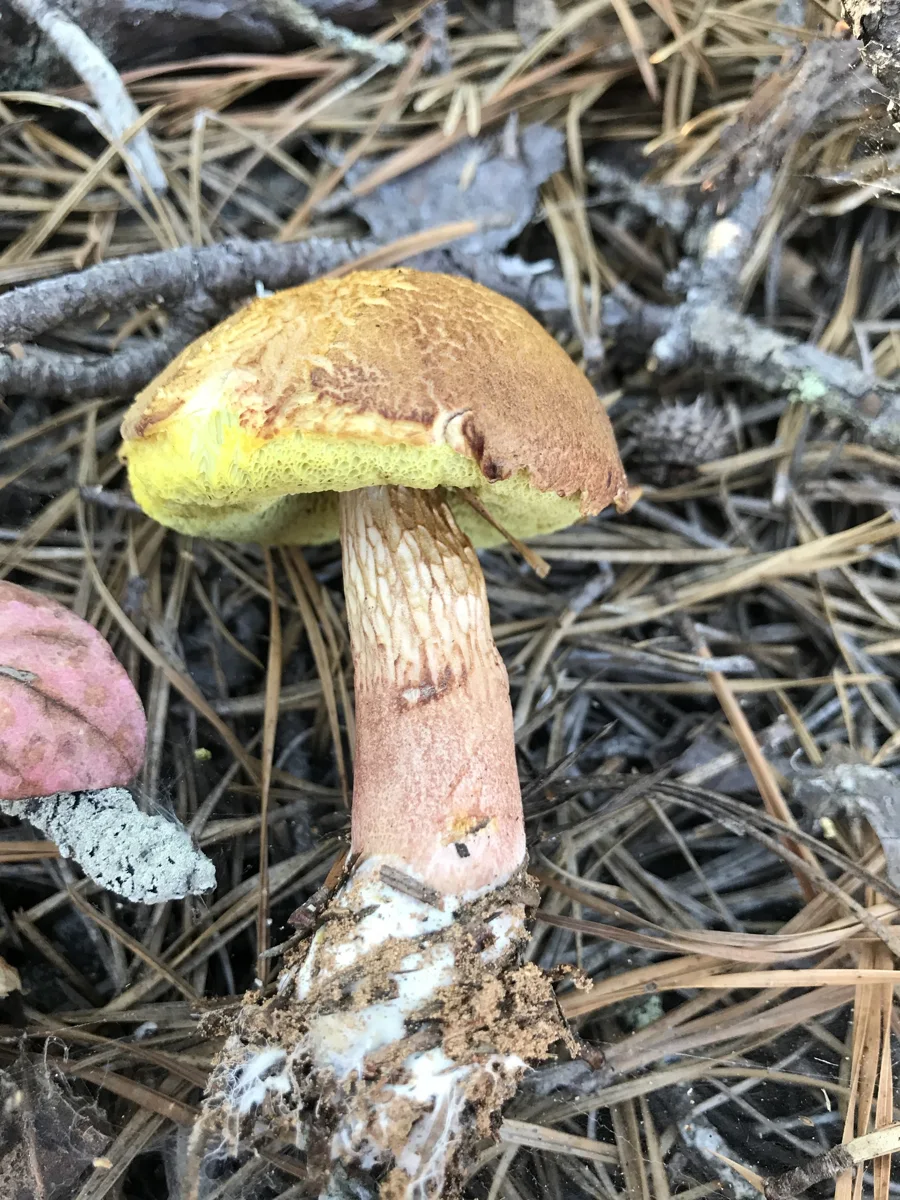
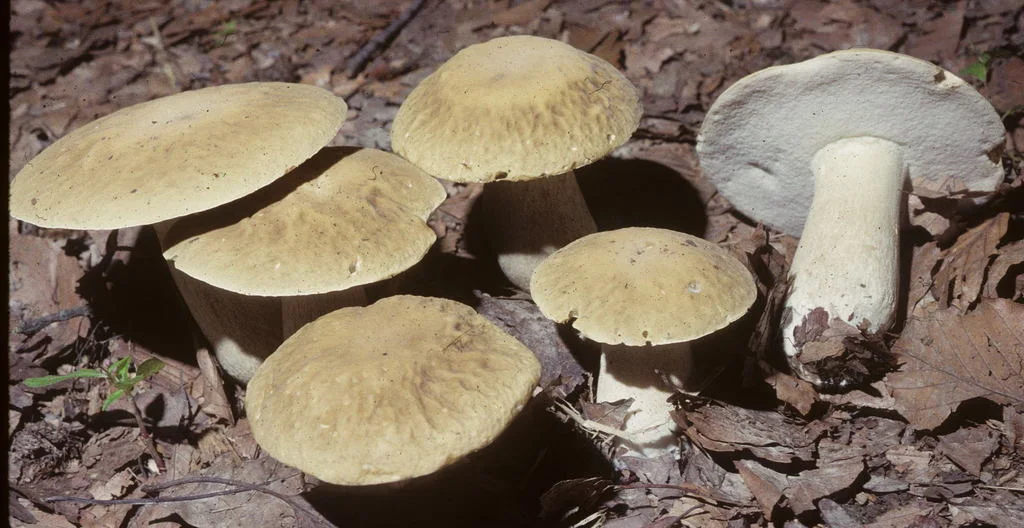
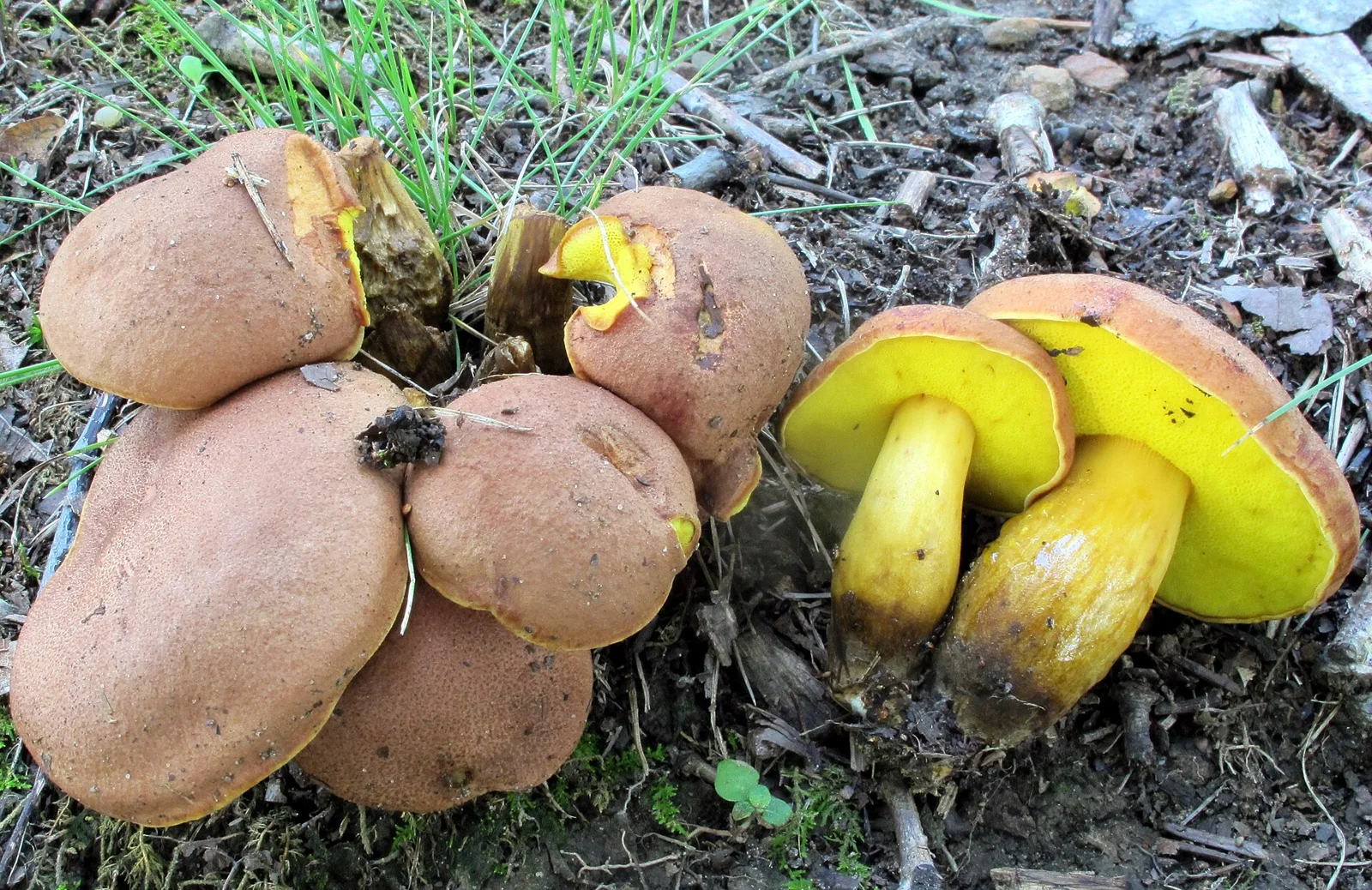
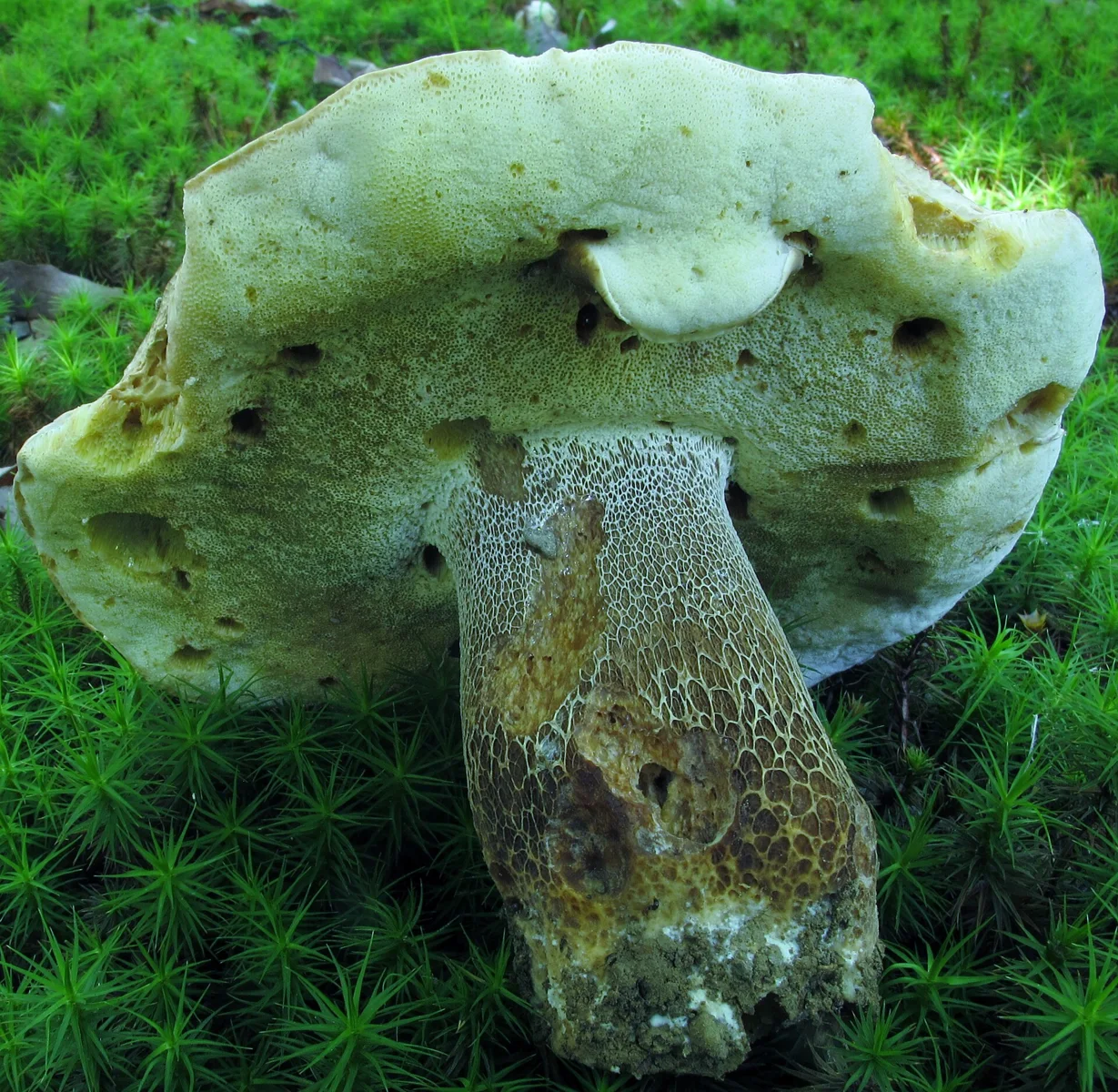
The cap of B. variipes is dry and ranges from tan to a muted brown‑gray, typically 6–20 cm across. Young caps are smooth, but older specimens often develop fine cracks or a patchy texture. Under the cap, the pore surface starts out white and appears "stuffed"; as the spores mature it shifts to a yellow‑olive hue. Pores are relatively large, about one to two per millimetre. The stem (stipe) is 8–15 cm long and 0.5–1.5 cm thick, ranging from whitish to brown and often showing a net‑like (reticulate) pattern. The flesh stays its original colour when cut, and the spore print is a characteristic olive brown.
Where it grows
Boletus variipes forms a mycorrhizal partnership with hardwood trees, especially oaks, and is most common in eastern North America. It has also been reported from Costa Rica, extending its range into Central America. The fungus prefers forested soils where its tree hosts thrive, appearing in summer and early autumn after rains.
Look‑alikes and relatives
The species is closely related to the celebrated king bolete (Boletus edulis), sharing a similar overall shape and habitat. However, B. variipes lacks the strong, nutty aroma of B. edulis and its pores transition to olive rather than staying white‑cream. Because many boletes have subtle differences, it is advisable to consult a local field guide or expert when confirming identity, especially before any culinary use.
Culinary uses
Chefs and foragers describe the taste of B. variipes as mild and pleasant, making it a versatile ingredient. Its firm flesh holds up well to sautéing, roasting, or incorporation into soups and stews. A simple preparation involves cleaning the caps with a damp cloth, slicing them, and cooking in butter or oil over medium heat until golden. Adding a splash of white wine or vegetable broth can enhance the subtle flavor. As with all wild mushrooms, only specimens positively identified as B. variipes should be consumed, and they should be cooked thoroughly.
Conservation and outlook
While B. variipes is currently common in its core range, habitat loss due to deforestation and urban expansion can affect local populations. Maintaining healthy hardwood forests benefits both the trees and their fungal partners. Sustainable foraging practices—such as taking only a few specimens from any one patch and leaving the mycelium undisturbed—help ensure that future generations can enjoy this bolete.
From forest floor to future farms
Research into growing mycorrhizal mushrooms like B. variipes in controlled environments is advancing, offering the possibility of cultivating this edible bolete without relying on wild forests. Such techniques could one day support the Mushroom 2 Mars project’s vision of producing nutritious fungi on extraterrestrial habitats, where reliable food sources are essential.
Sources
This guide is not a foraging or identification manual. Many edible mushrooms have toxic look-alikes. Never eat a wild mushroom unless an expert has identified it in person.
This article was prepared with AI assistance from the sources listed above and approved by the Mushroom 2 Mars team before publication.