Part of the guide: Mushrooms: A Complete Guide to Identification, Cooking, and Cultivation
Taxonomic Journey
Aureoboletus projectellus has travelled through several genera since its first description. American mycologist William A. Murrill named it Ceriomyces projectellus in 1938 after collecting specimens in Lynchburg, Virginia. The species was later moved to Boletus, then to Boletellus by Rolf Singer in 1945. DNA‑based studies by Roy Halling in 2015 placed it in the modern genus Aureoboletus, reflecting its genetic ties to other bolete relatives.
What It Looks Like
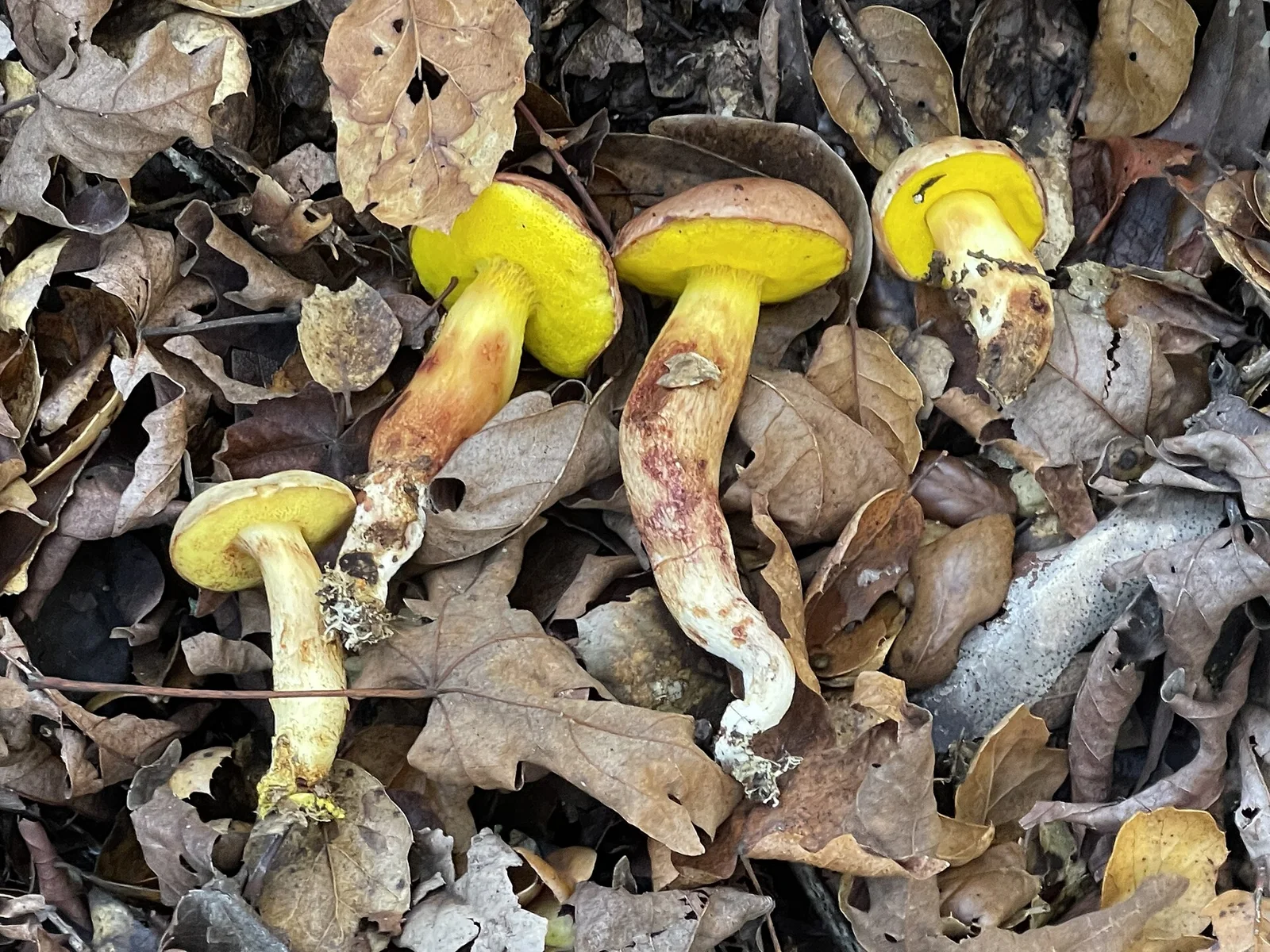
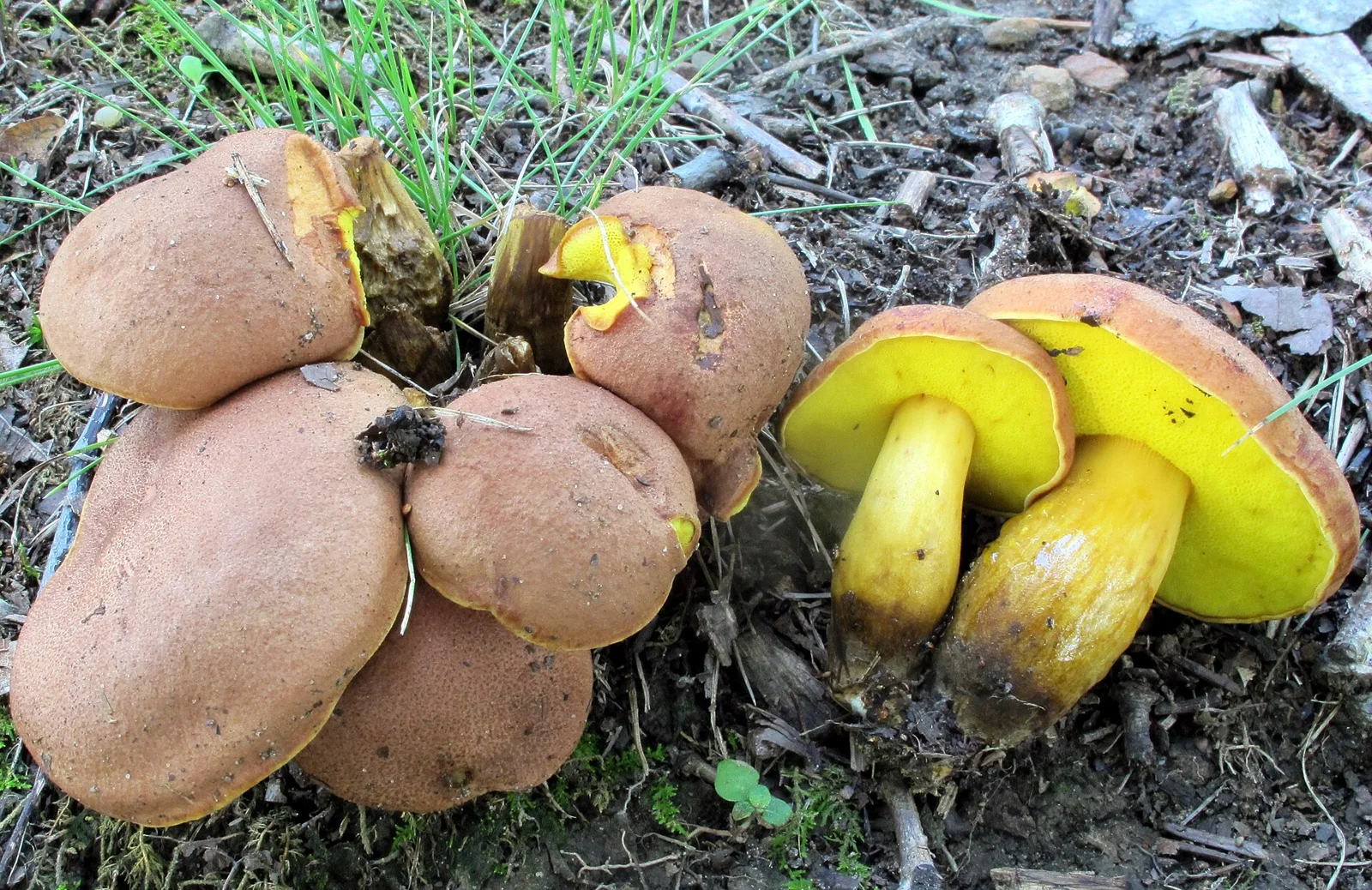
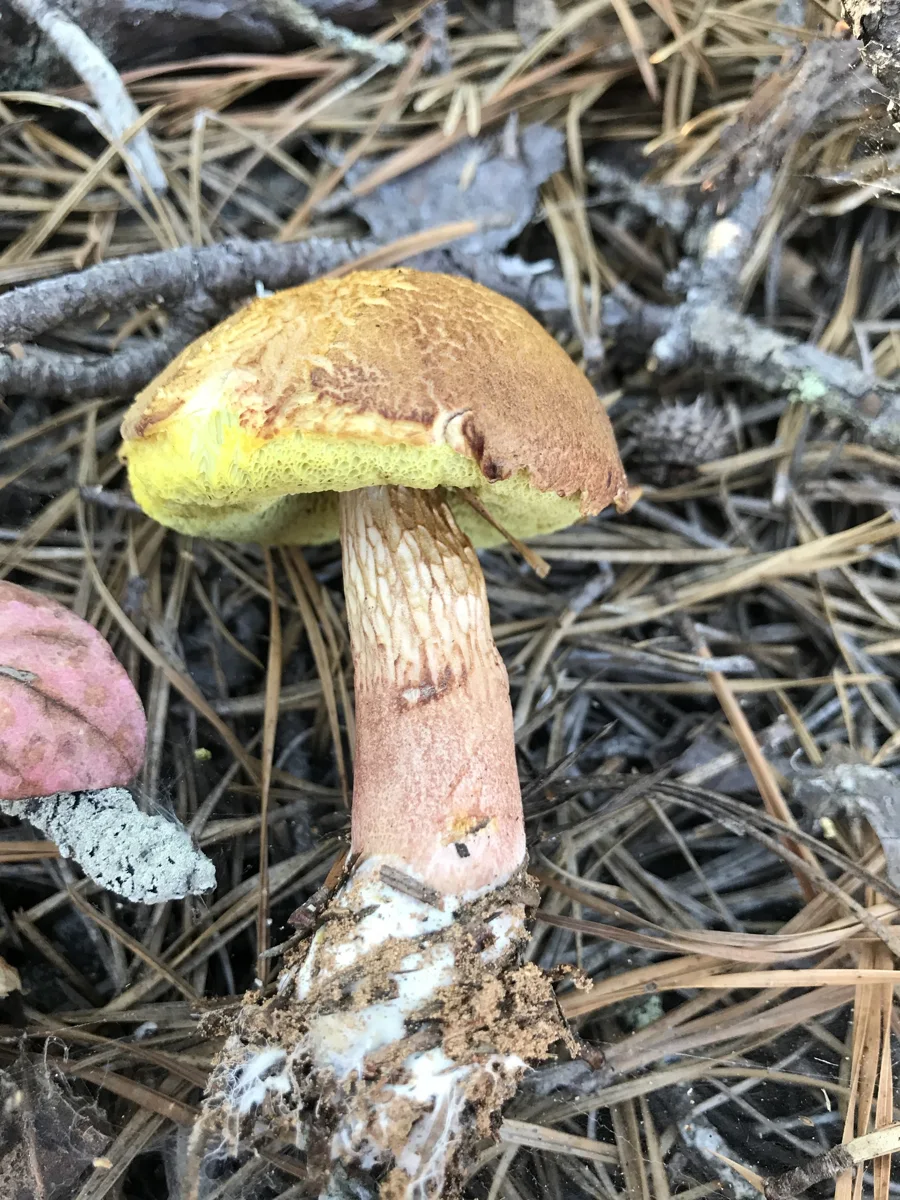
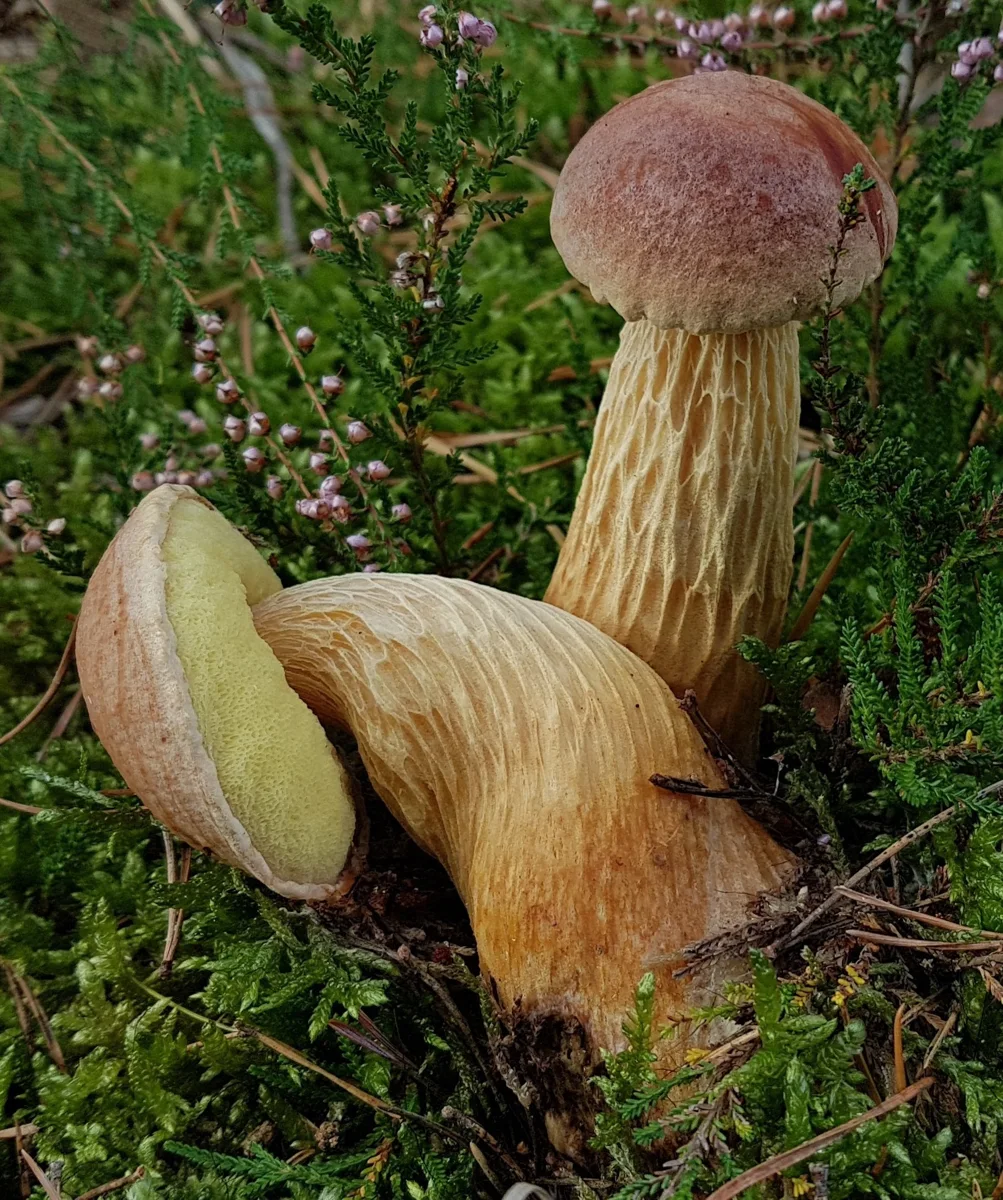
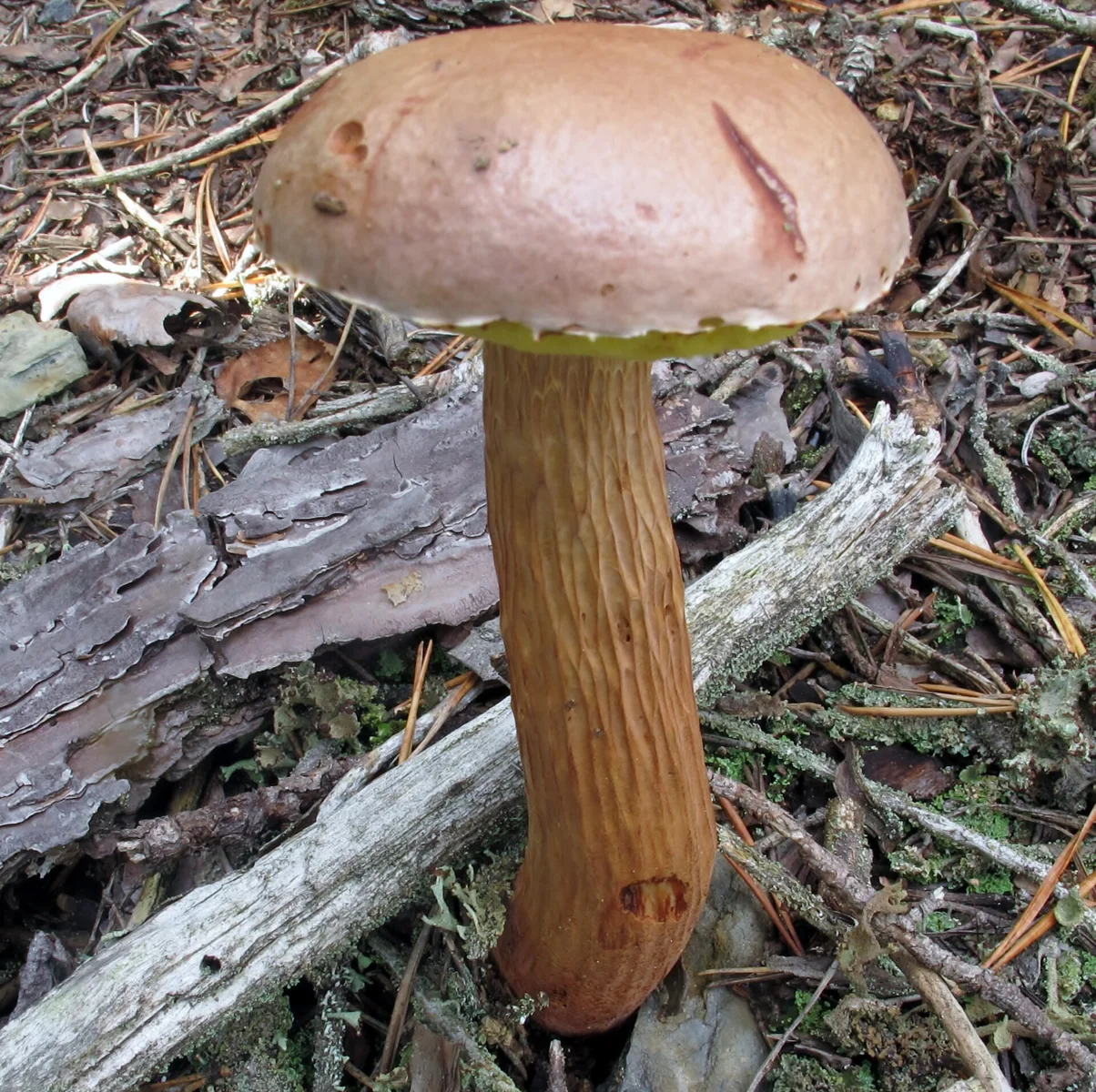
The cap starts convex and flattens with age, reaching 4–20 cm across. Young caps are dry and velvety, often cinnamon‑brown to reddish‑brown, sometimes with gray or olive‑green tones. The flesh is whitish, sometimes with a faint rosy hue, and has an acidic taste but no strong odor. Unlike many boletes, the flesh does not bruise blue; instead it slowly turns yellow‑brown when cut.
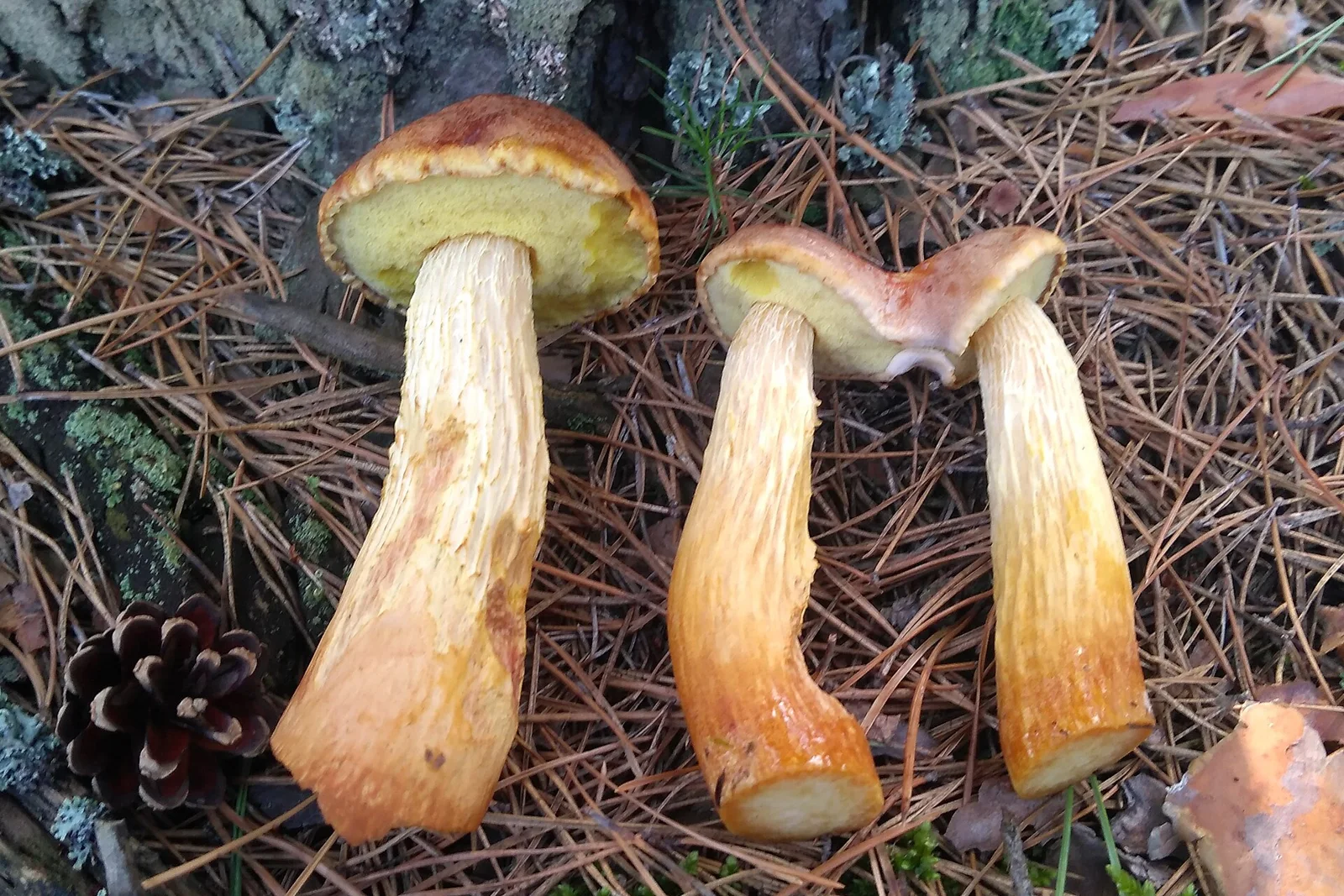
Beneath the cap, the pores begin yellow and shift to a brown‑olive shade as the mushroom matures. Pores are round, 0.5–2 mm wide, and the tube layer is up to 2.5 cm deep. The stem is solid, 9–24 cm long and 1–5 cm thick, matching the cap color or appearing lighter. A distinctive reticulate (net‑like) pattern covers the upper two‑thirds of the stalk, while the lower part may show a white, woolly (tomentose) texture that becomes sticky when wet.
Spore prints are olive‑brown, and the spores themselves are the largest among North American boletes—oval to spindle‑shaped, smooth, measuring 18–33 µm by 7.5–12 µm.
Habitat and Geographic Spread
Aureoboletus projectellus forms a mycorrhizal partnership with pine trees, extracting nutrients from the soil while providing the host with increased water and mineral uptake. Fruit bodies appear on the forest floor, either solitary, scattered, or in small clusters.
In North America, its range stretches from eastern Canada (New Brunswick) down the Appalachian corridor to North Carolina, and westward to Michigan, with additional records from Mexico. The species crossed the Atlantic in the 2010s: DNA‑verified finds in Lithuania (2011), Latvia (2013, named “fungus of the year 2014”), Poland (since 2016), Norway, Denmark, Sweden, Estonia, and Finland (first reported 2023). Its expanding European presence highlights how fungal spores can travel long distances, possibly via wind, animal vectors, or human activity.
Culinary Potential
The mushroom is listed as edible and can be cooked directly—frying works well without the need for pre‑boiling, a convenience not shared by all boletes. As with any wild mushroom, only specimens positively identified by an expert should be consumed; misidentification can lead to serious health risks. When preparing, clean the caps gently with a soft brush or damp cloth, slice uniformly, and fry in butter or oil until golden. The mild, slightly acidic flavor pairs nicely with sautéed greens or as a topping for risotto.
Beyond the Plate: Dyeing and Other Uses
Mushroom enthusiasts also use A. projectellus for natural dyeing. Depending on the mordant (e.g., alum, iron, or tin), the fruiting bodies can yield shades ranging from yellow and orange to greenish tones. The process involves simmering the mushroom tissue in water, adding the chosen mordant, and then immersing the fabric. This practice connects traditional fungal dyeing with modern sustainable textile experiments.
Looking Ahead: From Forest Floors to Martian Labs
Mushrooms like Aureoboletus projectellus illustrate how fungal symbioses support forest health—a principle that could inform future bioregenerative life‑support systems on Mars. Understanding their growth patterns, nutritional value, and ecological roles helps pave the way for cultivating fungi beyond Earth.
Sources
This guide is not a foraging or identification manual. Many edible mushrooms have toxic look-alikes. Never eat a wild mushroom unless an expert has identified it in person.
This article was prepared with AI assistance from the sources listed above and approved by the Mushroom 2 Mars team before publication.