Part of the guide: Mushrooms: A Complete Guide to Identification, Cooking, and Cultivation
A Brief Taxonomic Snapshot
Aureoboletus innixus belongs to the Boletaceae family, a group best known for fleshy mushrooms with pores instead of gills. First recorded by the American mycologist Charles C. Frost in the late 19th century, the species was described from specimens collected in New England. Its scientific name reflects the golden‑yellow hue of the young pore surface ("aureo" meaning golden).
Where It Grows and When to Look for It
This bolete favors hardwood forests across the eastern United States and southeastern Canada. It typically appears in the summer and early fall, emerging from the leaf litter and soil near oak, beech, and birch trees. The fungus forms a mycorrhizal partnership with these trees, exchanging nutrients for carbohydrates. Foragers who respect sustainable practices can locate it by scanning the forest floor for its distinctive caps beneath the canopy during moist, warm periods.
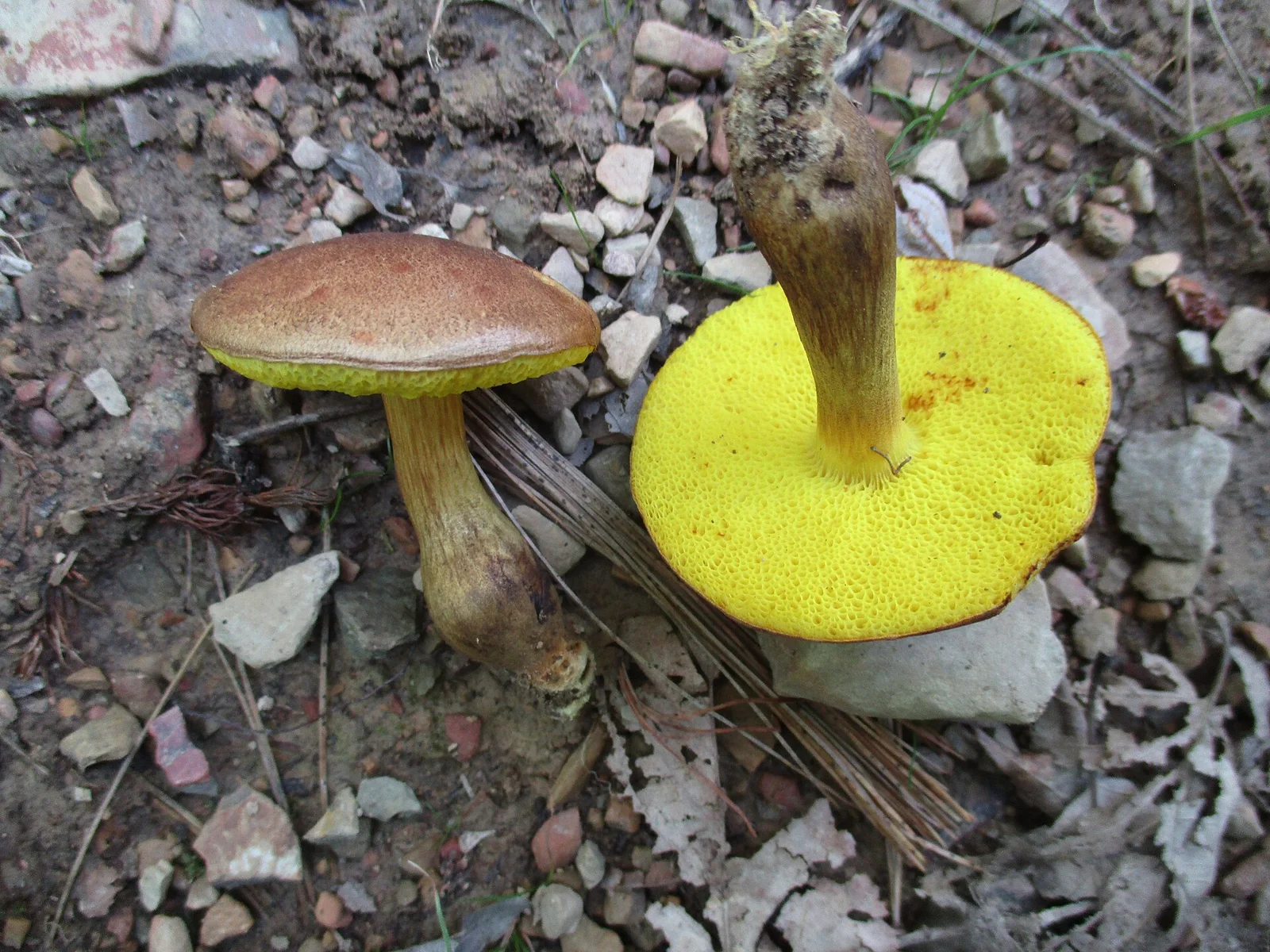
Key Features for Accurate Identification
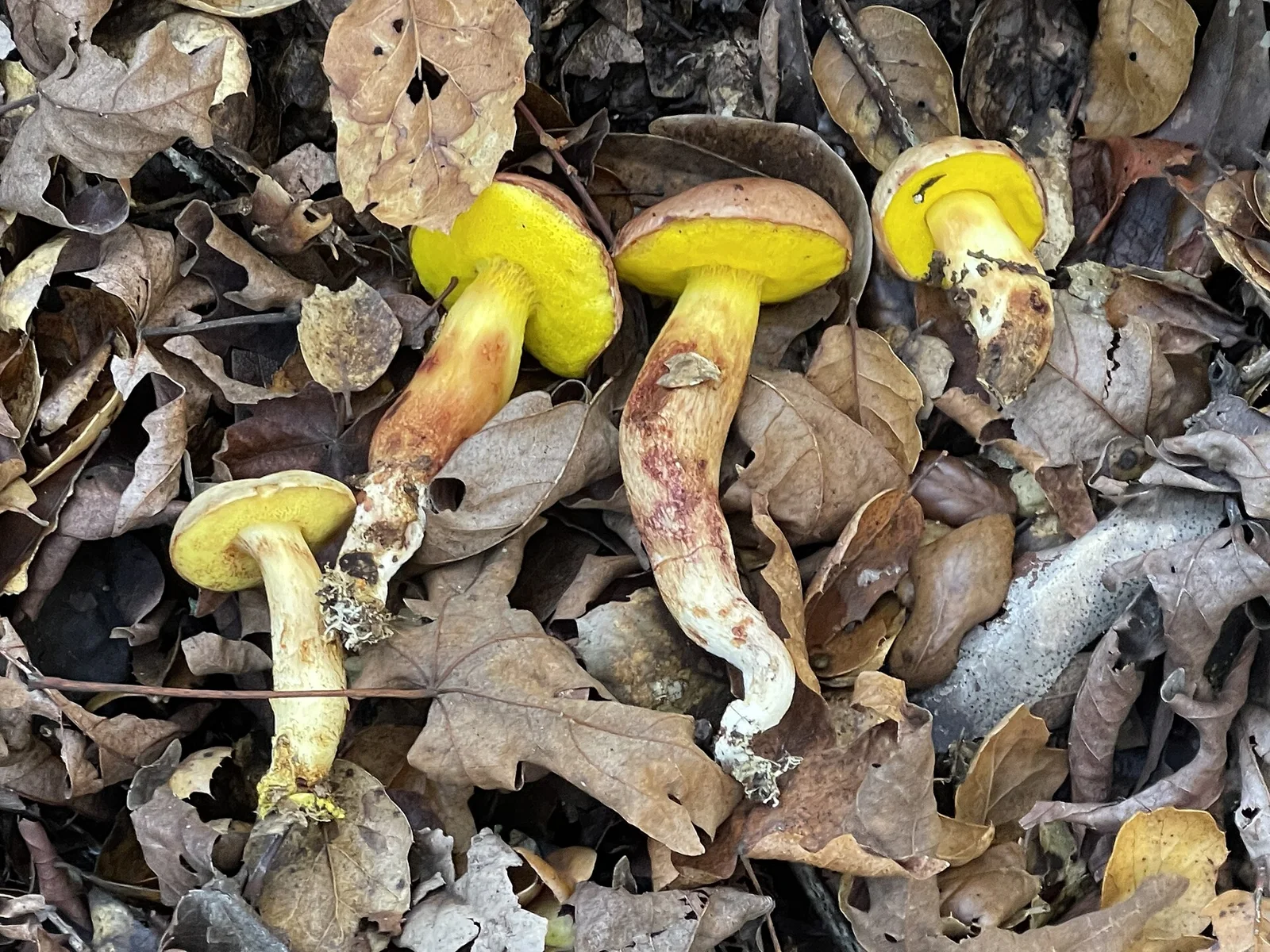
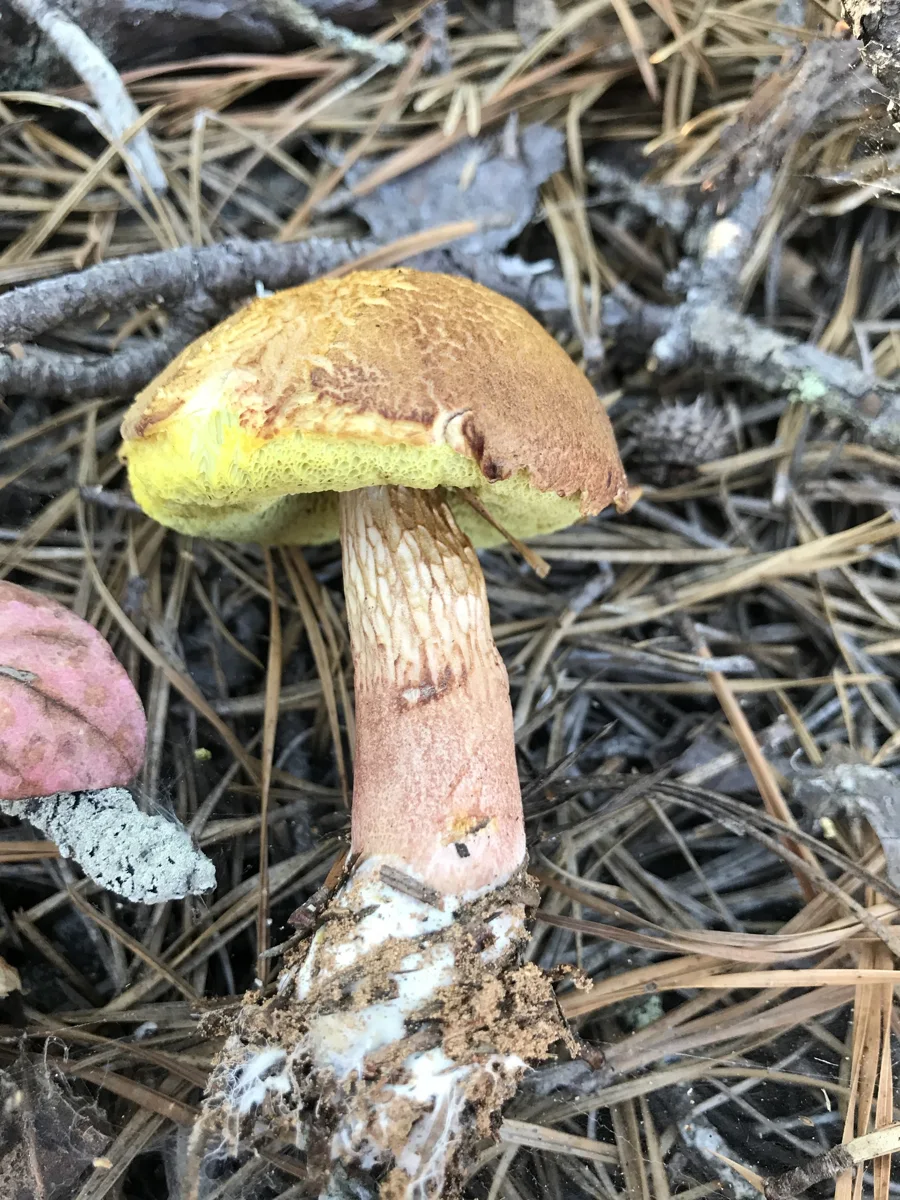
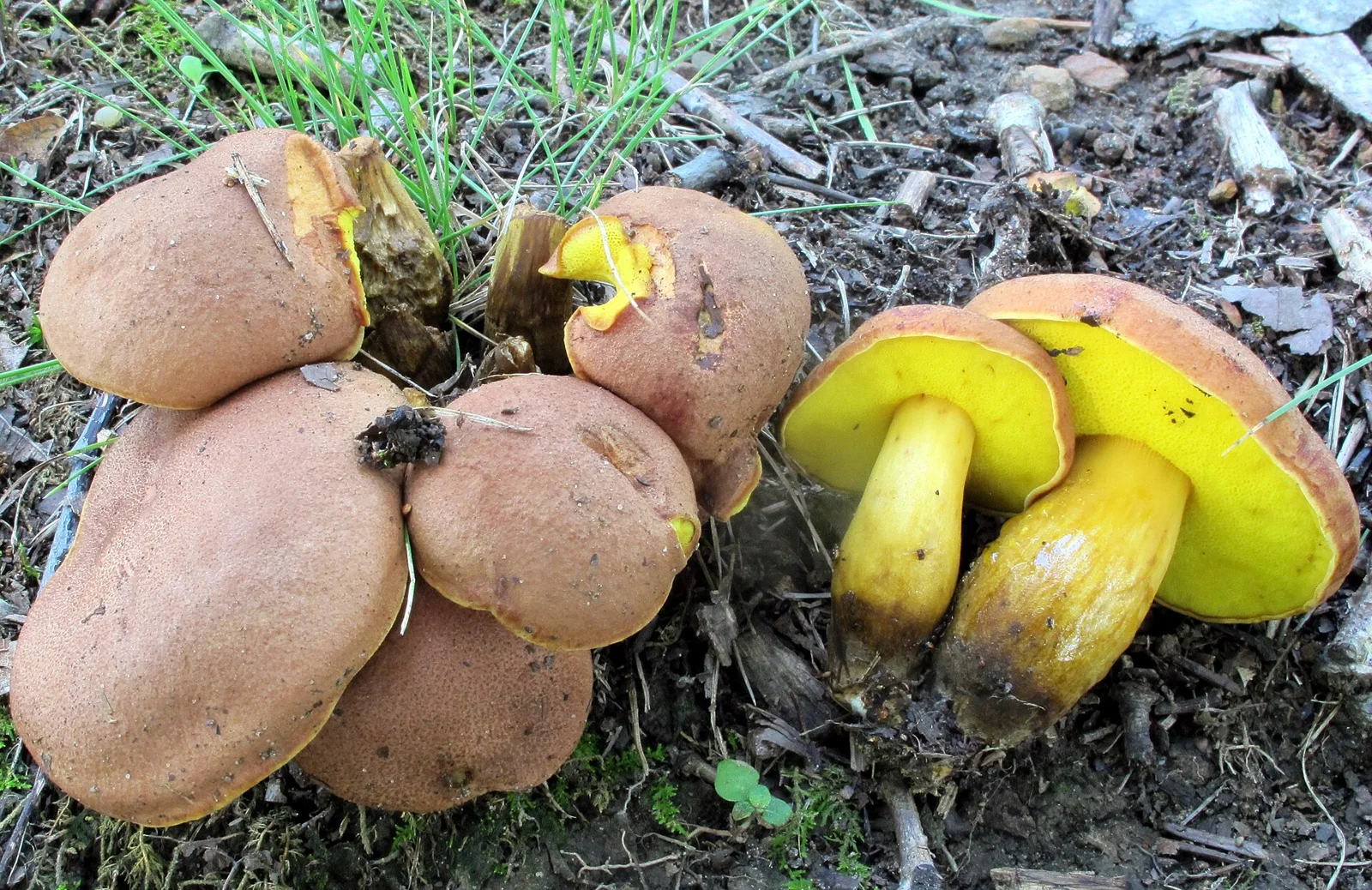
Identifying Aureoboletus innixus relies on several macroscopic clues: - Cap: Convex, 3–8 cm across, ranging from dull reddish‑brown to yellow‑brown. The surface is smooth, lacking the sticky feel of some boletes. - Stem: 3–6 cm long, 1–1.6 cm thick, often bulbous near the top and tapering toward the base. - Pore Surface: Bright yellow when young, fading to a paler tone with age. Young specimens show 1–3 pores per millimeter; mature pores can expand to about 2 mm wide. - Spore Print: Olive‑brown, a useful diagnostic when confirming bolete species. - Microscopic Traits: Ellipsoid, smooth spores measuring 8–11 µm by 3–5 µm.
A common source of confusion is Aureoboletus auriporus, which shares a similar size and habit but displays a cap that ranges from pink‑cinnamon to dark reddish‑brown. Careful attention to cap coloration and pore brightness helps separate the two.
Edibility and Simple Cooking Ideas
Aureoboletus innixus is considered edible, though it is not a culinary star. Its flavor is mild, and the texture holds up well to gentle cooking. When preparing, always use mushrooms sourced from a reliable, knowledgeable forager—never consume wild‑picked specimens unless positively identified by an expert.
Simple Sautéed Bolete Recipe 1. Clean the caps and stems with a damp cloth; avoid soaking to prevent waterlogging. 2. Slice the mushroom pieces uniformly (about ½ cm thick). 3. Heat a tablespoon of neutral oil in a skillet over medium‑high heat. 4. Add the slices, seasoning lightly with salt and pepper. 5. Cook for 4–5 minutes, stirring occasionally, until the edges turn golden and the mushrooms release their moisture. 6. Finish with a splash of fresh lemon juice or a sprinkle of chopped parsley for brightness.
Serve the sautéed bolete alongside roasted vegetables, grain bowls, or as a topping for toasted sourdough. Cooking temperatures should reach at least 165 °F (74 °C) to ensure any potential microorganisms are neutralized.
Conservation Concerns and Sustainable Harvesting
While Aureoboletus innixus is not currently listed as threatened, its reliance on mature hardwood ecosystems makes it vulnerable to habitat loss. Logging practices that remove old‑growth trees or alter forest composition can reduce the mycorrhizal networks essential for bolete fruiting. Foragers can aid conservation by: - Harvesting only a few specimens per patch, leaving the majority to release spores. - Avoiding collection in protected areas or during peak fruiting seasons. - Reporting unusual declines to local mycological societies.
Promoting healthy forest stewardship benefits not only this species but the broader fungal community that supports soil health and tree growth.
From Forest Floors to Martian Greenhouses
The Mushroom 2 Mars project explores how fungi might help sustain life on the Red Planet. Species like Aureoboletus innixus, with its mycorrhizal abilities, offer a model for future experiments on using fungi to improve soil structure and nutrient cycling in extraterrestrial habitats. While we are still far from cultivating wild boletes on Mars, the scientific principles gleaned from Earth’s forests guide the vision of a fungal‑rich future beyond our planet.
Sources
This guide is not a foraging or identification manual. Many edible mushrooms have toxic look-alikes. Never eat a wild mushroom unless an expert has identified it in person.
This article was prepared with AI assistance from the sources listed above and approved by the Mushroom 2 Mars team before publication.