Part of the guide: Mushrooms: A Complete Guide to Identification, Cooking, and Cultivation
Taxonomic Background
Boletus separans belongs to the family Boletaceae. It was first described as a new species in 1873 by American mycologist Charles Horton Peck. Although it was moved to the genus Xanthoconium in 1998 by Roy Halling and Ernst Both, DNA‑based studies published in 2013 showed that it fits more comfortably back within Boletus sensu stricto.
Physical Description
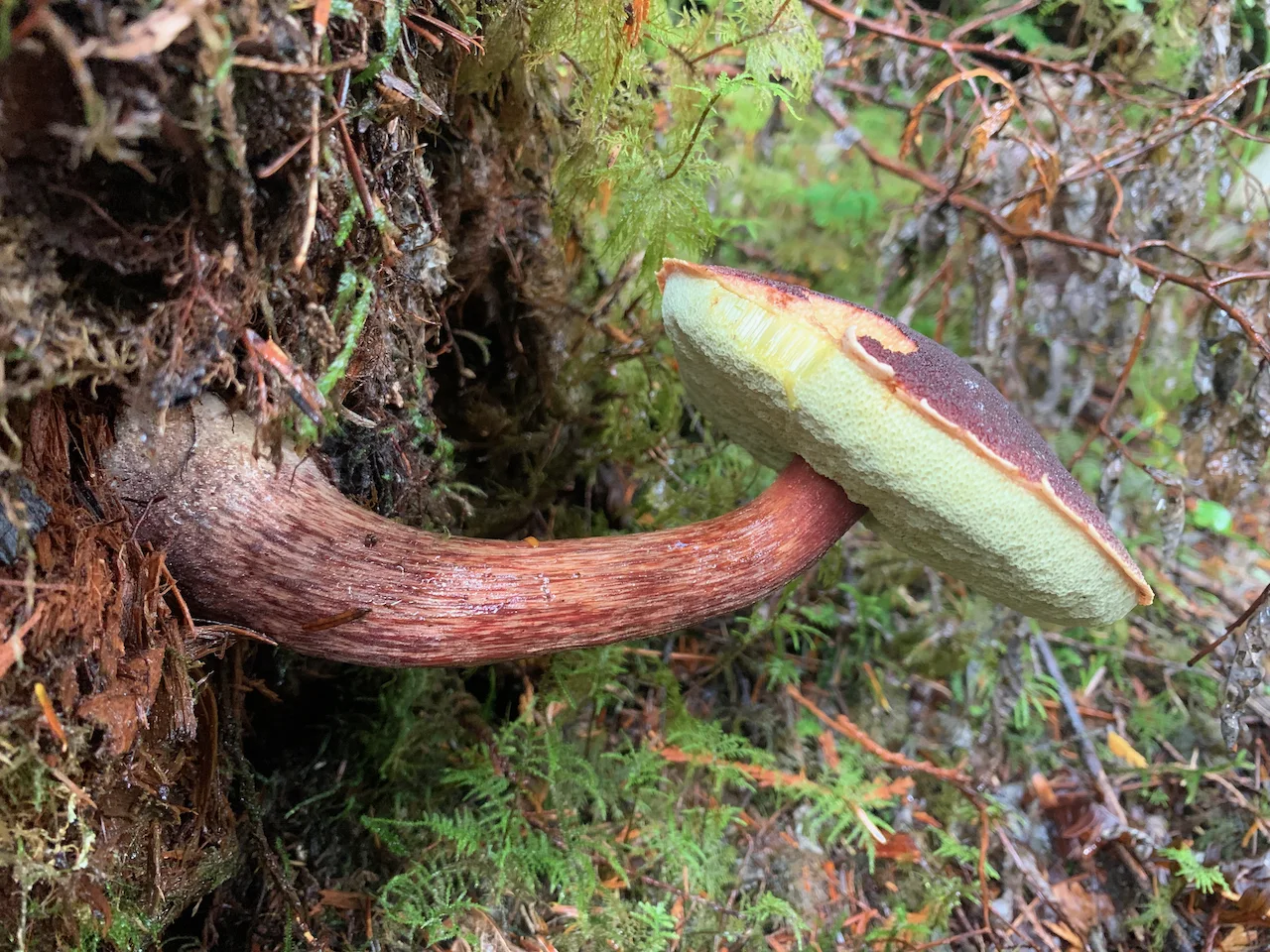
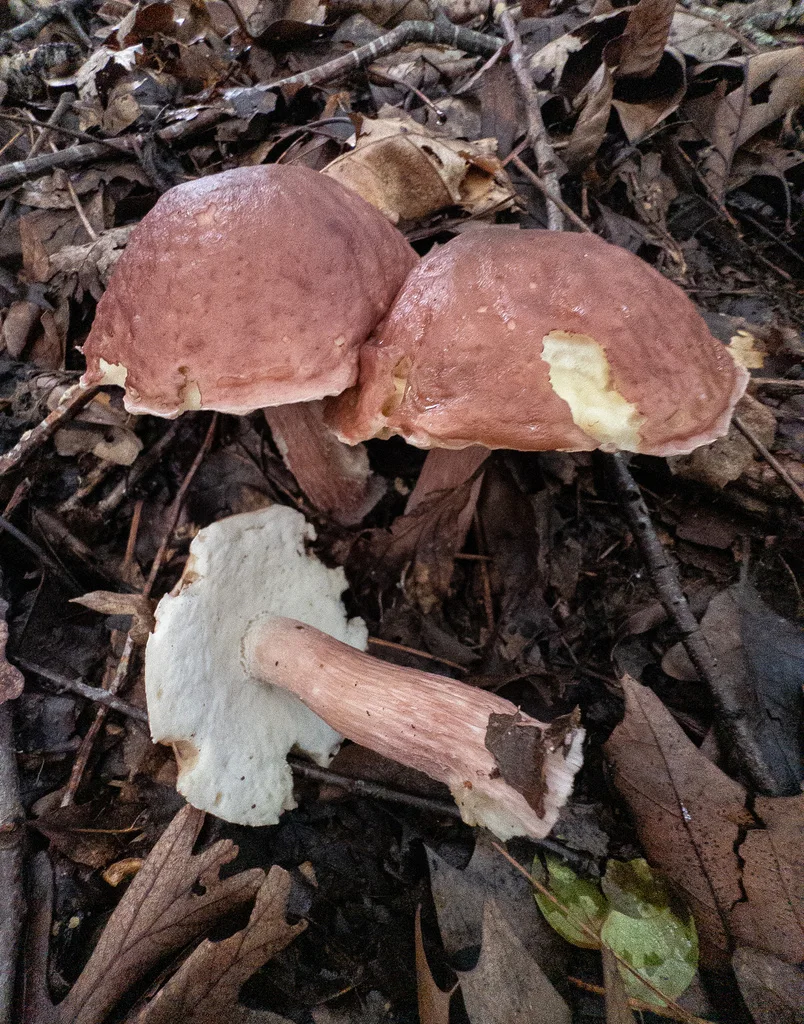
The cap of B. separans ranges from 4 to 12 cm across and displays a brownish hue with a surface marked by dented pits. Under the cap are 1–3 pores per millimetre; they start white and gradually turn yellow with age. The stem stands 4–12 cm tall and measures 1.5–3 cm in thickness. The flesh is white, emits a mild scent, and tastes bland, though it can develop an unpleasant odor when the mushroom dries. A brownish spore print confirms its identity. It can be confused with Xanthoconium purpureum and Tylopilus rubrobrunneus, so careful comparison of cap texture, pore colour, and stem dimensions is essential.
Habitat and Seasonal Occurrence
Boletus separans is a ground‑dwelling bolete found throughout the eastern United States. Fruit bodies appear from early summer through early fall, typically between June and September. They favor hardwood forests where leaf litter provides a nutrient‑rich substrate.
Edibility and Culinary Potential
According to mycological references, B. separans is considered a choice edible mushroom. Its mild flavor makes it a versatile ingredient in many dishes. When cooking, slice the caps and stems, sauté them in butter or oil until they release moisture and turn golden, then finish with herbs, garlic, or a splash of wine. Because the mushroom’s scent can become off‑putting when dried, it is best used fresh. As with any wild mushroom, only consume specimens that have been positively identified by an expert; never rely on casual field guides for foraging decisions.
Safe Handling and Preparation Tips
- Cleaning: Gently brush off soil; avoid soaking, which can make the flesh soggy.
- Cooking temperature: Sauté over medium‑high heat until the mushrooms release their juices and begin to brown (about 5‑7 minutes).
- Pairings: Their subtle taste pairs well with earthy herbs such as thyme, rosemary, or sage, and they complement both meat‑based and vegan dishes.
- Storage: Keep fresh caps in a paper bag in the refrigerator for up to three days. Do not store dried specimens for long periods, as the odor may become unpleasant.
Connecting to the Stars
Understanding the ecology of Boletus separans helps us appreciate how fungi might be cultivated in closed‑loop habitats, a key consideration for future mushroom‑based food systems on Mars.
Sources
This guide is not a foraging or identification manual. Many edible mushrooms have toxic look-alikes. Never eat a wild mushroom unless an expert has identified it in person.
This article was prepared with AI assistance from the sources listed above and approved by the Mushroom 2 Mars team before publication.