Part of the guide: Mushrooms: A Complete Guide to Identification, Cooking, and Cultivation
What Are Blewit Mushrooms?
Blewit mushrooms belong to the genus Collybia and include two closely related species: the wood blewit (Collybia nuda) and the field blewit, also called blue‑leg (Collybia personata). Historically they were placed in the genus Lepista, but recent DNA studies showed that Lepista nests inside Clitocybe, leading taxonomists to move both species to Collybia in 2023. Despite the shift in scientific names, the common name “blewit” remains popular among foragers and chefs.
Spotting Blewits in the Wild
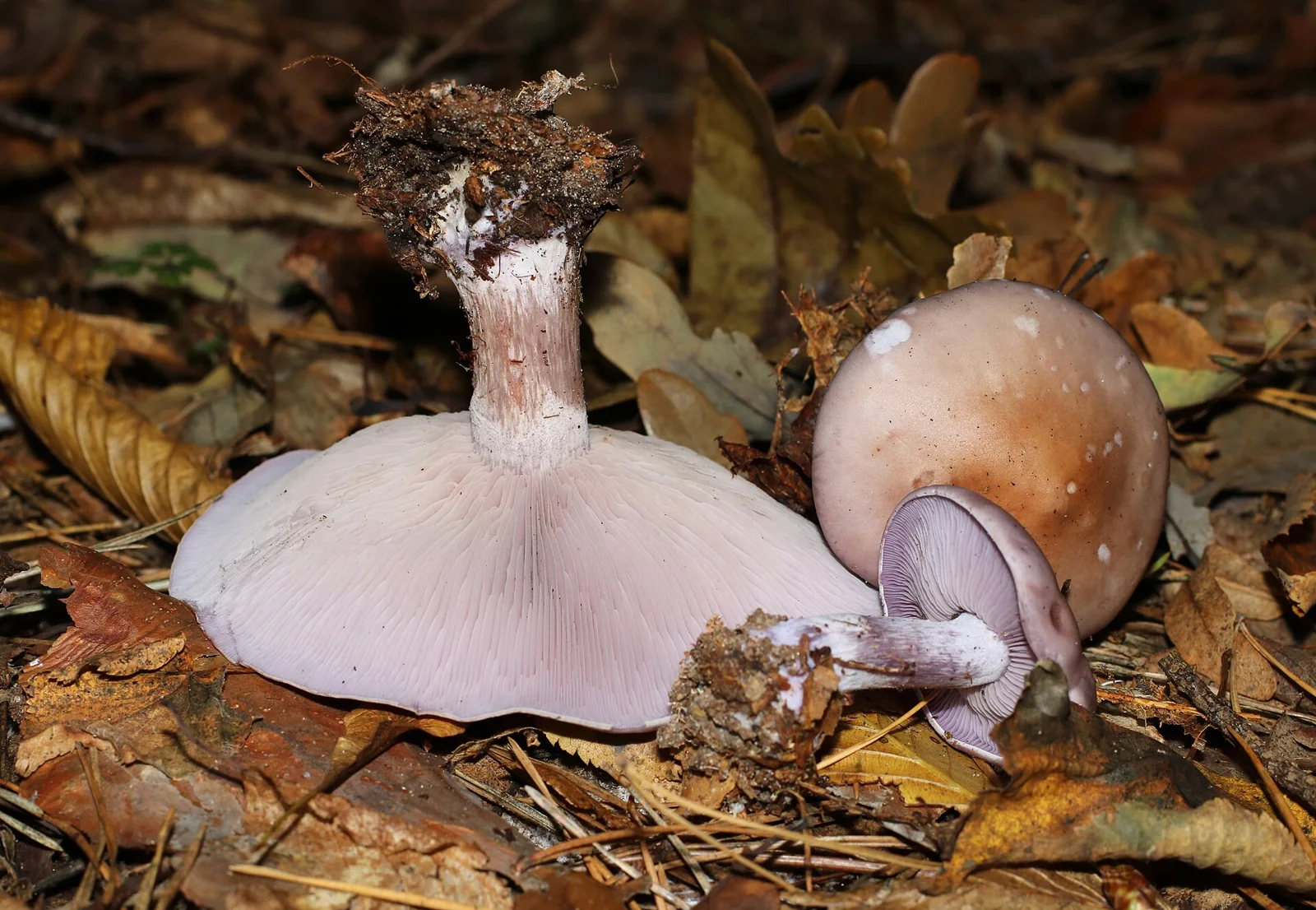
Both species grow on the forest floor, but they have slightly different habitats. Wood blewits favor decaying wood, leaf litter, and mossy patches in mixed woodlands, while field blewits are more often found in open grasslands, meadows, and occasionally in cultivated fields. Key field marks include: - Cap: 5–15 cm across, smooth, initially convex, becoming broadly bell‑shaped. The color ranges from lilac‑gray to deep violet, fading to a paler tan with age. - Gills: Crowded, free from the stem, and initially pale lilac, turning pinkish‑brown as spores mature. - Stem: Slender, up to 12 cm long, often with a bluish tint—hence the nickname “blue‑leg.” - Spore print: Pinkish‑brown, a useful confirmatory trait. Because both species are porous, they absorb moisture quickly. Picking on a dry day reduces the risk of soggy caps and helps keep the mushrooms firm.
Safe Handling and Storage
While both wood and field blewits are edible, they require careful handling. Field blewits are notorious for harboring fly larvae, especially in warm, damp conditions. For this reason, they should be cleaned promptly after harvest and used within a day or two. Wood blewits store slightly better but still benefit from refrigeration and quick cooking. Never consume raw blewits; cooking destroys heat‑sensitive compounds that can cause mild gastrointestinal upset in some people.
Culinary Potential of Blewits
Blewits have earned a reputation as “excellent mushrooms” among chefs, thanks to their delicate flavor and silky texture. Popular preparation methods include: - Cream sauces: Sauté sliced blewits in butter, then deglaze with white wine and finish with cream for a velvety sauce perfect over pasta or rice. - Sautéed: Cook quickly in butter or oil with garlic and herbs; the mushrooms release a subtle, nutty aroma. - Stews: Wood blewits hold up well in long‑cooking dishes, adding depth to vegetable or meat stews. - Omelette filling: Lightly cooked blewits mixed with cheese make a savory breakfast option. When cooking, aim for a medium‑high heat until the liquid evaporates and the mushrooms develop a light golden crust. This technique preserves texture while enhancing flavor.
Basic Home Cultivation
For growers who want a reliable supply, blewits can be cultivated on sterilized substrate similar to other agarics. A simple recipe involves: 1. Substrate preparation: Mix equal parts hardwood sawdust and straw, add 2 % gypsum, and hydrate to 60 % moisture. 2. Sterilization: Autoclave or pressure‑cook the substrate at 121 °C for 90 minutes. 3. Inoculation: Introduce a high‑quality Collybia spawn, mixing it evenly into the cooled substrate. 4. Incubation: Keep the bagged substrate at 20‑24 °C in darkness for 2‑3 weeks until the mycelium fully colonizes. 5. Fruiting: Transfer the colonized block to a fruiting chamber with high humidity (85‑95 %) and fresh air exchange. Lower the temperature to 15‑18 °C and provide indirect light. Pins appear within a week, and mature caps develop in another 5‑7 days. While commercial growers often favor more robust species like oyster mushrooms, blewits offer a niche market for specialty chefs and home enthusiasts seeking unique flavors.
Cultural and Historical Notes
Blewit mushrooms have appeared in European folklore as “fairy mushrooms,” partly because of their striking violet hue. In older field guides, they were sometimes associated with mythic “blue‑legged” spirits that guarded forest groves. Modern mycologists appreciate blewits not only for their culinary merits but also for their role in forest ecosystems, where they help decompose woody debris and recycle nutrients.
For mushroom lovers dreaming of the red planet, the same principles of careful identification, safe cooking, and sustainable cultivation that apply to blewits on Earth could one day support a tasty, fungal harvest on Mars.
Sources
This guide is not a foraging or identification manual. Many edible mushrooms have toxic look-alikes. Never eat a wild mushroom unless an expert has identified it in person.
This article was prepared with AI assistance from the sources listed above and approved by the Mushroom 2 Mars team before publication.