Part of the guide: Mycology: A Complete Guide to Fungi, Cultivation, and Safety
A Royal Legacy in the Forest
Amanita caesarea, often called Caesar's mushroom or royal amanita, belongs to the genus Amanita. First described by the Italian naturalist Giovanni Antonio Scopoli in 1772 as Agaricus caesareus, it was later placed in Amanita by Persoon in 1801. The name reflects its ancient popularity: Roman emperors, especially Claudius, prized this bright orange‑capped fungus, calling it bōlētus after the Greek word used by Galen. Modern languages preserve the regal link – French calls it impériale, Polish cesarski, and German Kaiserling.
Spotting the Caesar’s Mushroom
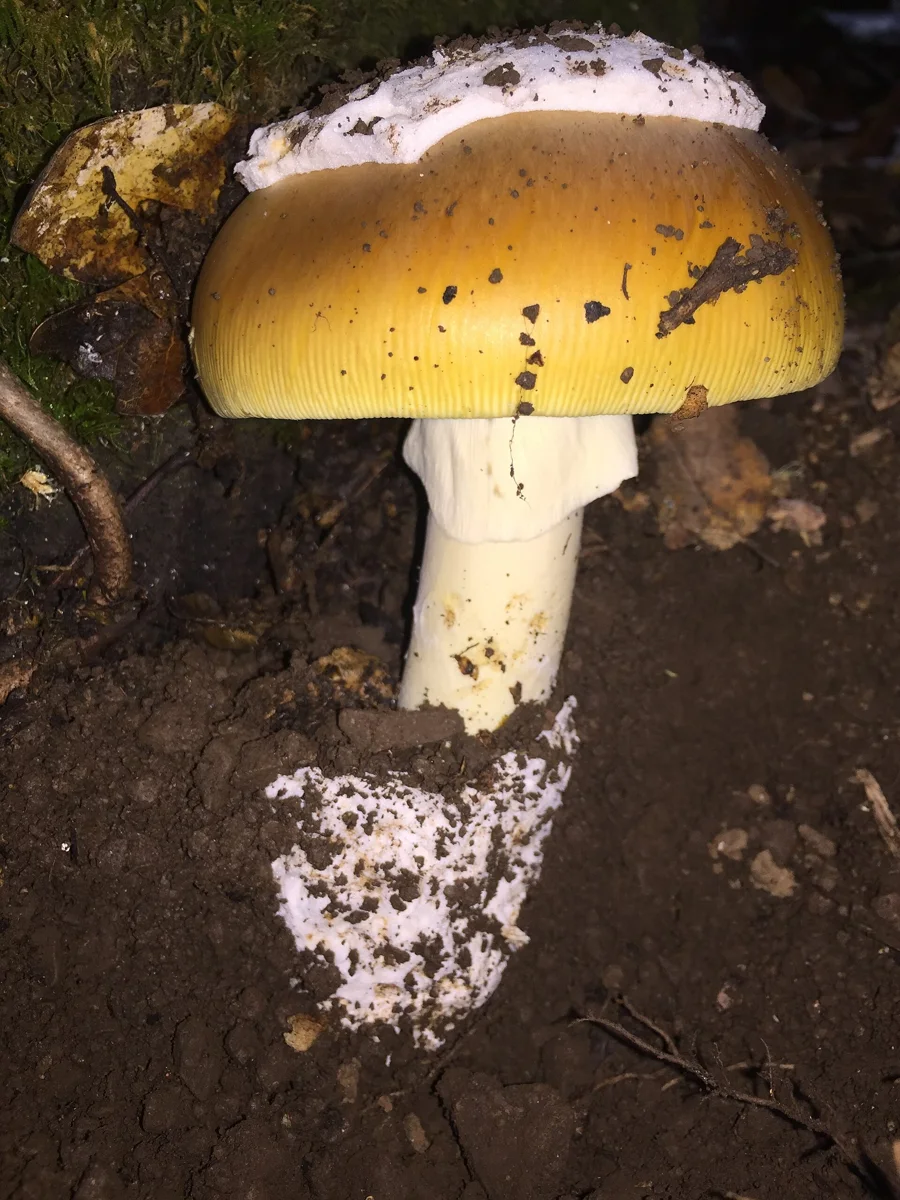
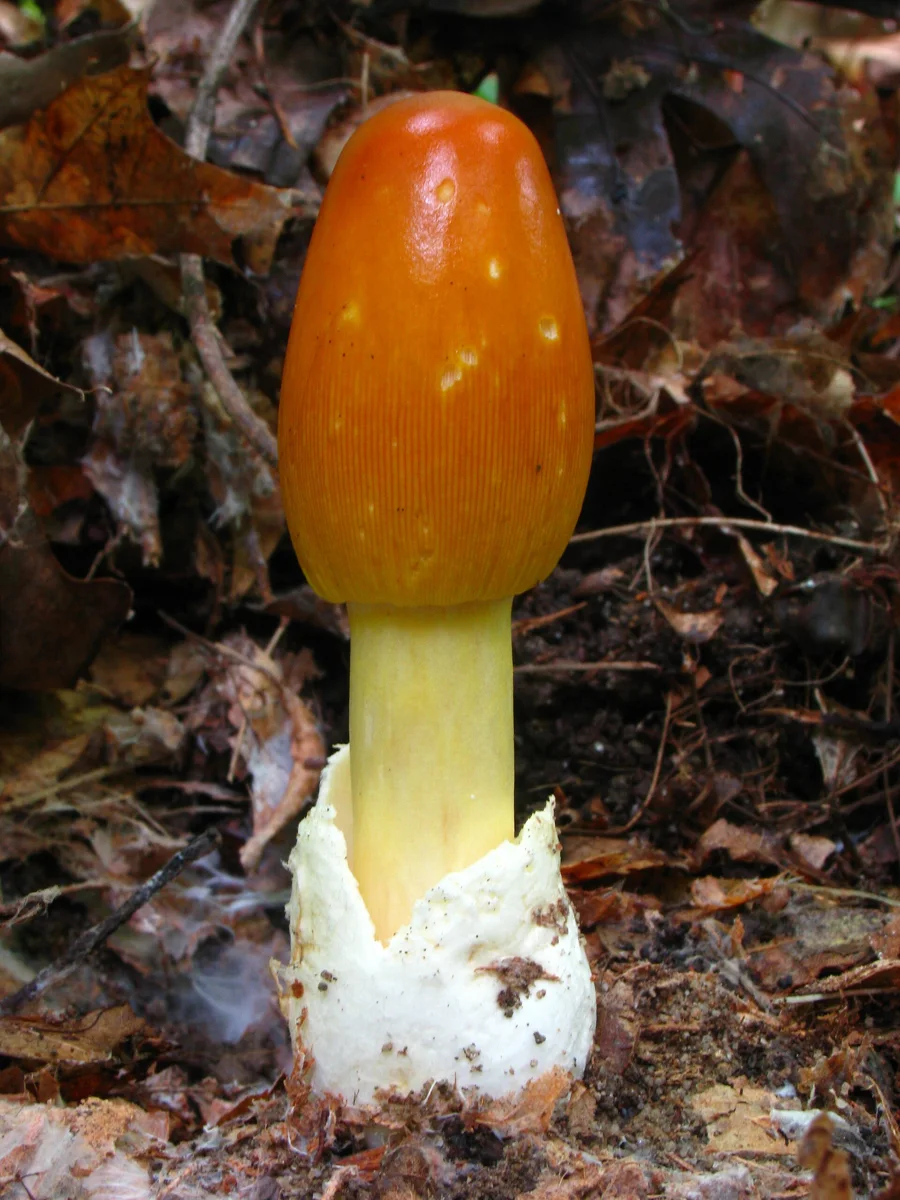
Accurate identification is essential because several deadly Amanita species look similar. Key field marks of A. caesarea include: - Cap: orange to red, smooth, 5‑20 cm wide, initially hemispherical then flattening with a striated edge. - Gills: free to slightly attached, bright yellow, densely packed. - Stipe: yellow‑orange, 5‑15 cm tall, bearing a loose, often striate ring. - Volva: a white, cup‑shaped sack at the base, a remnant of the universal veil. - Spore print: white to faintly yellow.
Never rely on a single characteristic; the combination of orange cap, yellow gills, and white volva distinguishes it from the poisonous Amanita muscaria (red with white flakes) and the deadly death caps. When foraging, always confirm with an experienced mycologist – wild mushrooms should never be eaten without expert verification.
Where It Grows
The Caesar’s mushroom favors oak and pine forests across a broad range: southern Europe, North Africa, parts of Eurasia, and even scattered locales in North America. In Europe it often appears along historic Roman roads, suggesting ancient human‑assisted spread. Fruit bodies emerge from early summer to mid‑autumn, either solitary or in small clusters. The fungus forms mycorrhizal relationships with trees, exchanging nutrients for sugars, which explains its affinity for mature hardwoods.
Chemistry and Safety
Laboratory analyses have revealed several interesting compounds. The fruit bodies contain notable levels of organic acids – about 6 g per kilogram – with malic and ascorbic acids predominating. Ergosterol, a precursor of vitamin D₂, is also present. However, studies of heavy‑metal accumulation show that A. caesarea can contain cadmium and lead concentrations exceeding EU limits for cultivated mushrooms. While occasional consumption is unlikely to cause harm, chronic intake of contaminated specimens could pose health risks. This underscores the importance of sourcing mushrooms from clean, unpolluted habitats.
Culinary Tradition
Across its range, A. caesarea is celebrated as a delicacy. In Italy it is known as ovolo or “fungo reale” and is often sautéed in butter, paired with fresh herbs, or used in risotto. Mexican cooks roast the caps with epazote (Dysphania ambrosioides) for a smoky flavor. In the Himalayas and Tibetan plateau, the mushroom is dried and rehydrated for soups and stews. Because the flesh is firm and mildly flavored, it adapts well to a variety of preparations – from simple pan‑frying to elegant sauces. When cooking, heat the mushroom to at least 70 °C (158 °F) to ensure any surface microbes are destroyed, and serve promptly.
Conservation and Future Outlook
Wild populations of A. caesarea face pressures from habitat loss and over‑harvesting. The species appears on the Red Data Book of Ukraine and enjoys legal protection in Croatia, Slovenia, the Czech Republic, and Germany. Sustainable foraging practices and cultivation research are essential. Notably, the mushroom was first domesticated in 1984, opening possibilities for controlled production.
As the Mushroom 2 Mars project explores how fungi can thrive beyond Earth, the hardy, nutrient‑rich Caesar’s mushroom offers a tantalizing model for future space‑based cultivation – a royal taste that could travel to the Red Planet.
Sources
This guide is not a foraging or identification manual. Many edible mushrooms have toxic look-alikes. Never eat a wild mushroom unless an expert has identified it in person.
This article was prepared with AI assistance from the sources listed above and approved by the Mushroom 2 Mars team before publication.