Taxonomy and Recent Reclassification
Albatrellopsis confluens belongs to the family Albatrellaceae. In 1993 the species was moved from the genus Albatrellus to Albatrellopsis after detailed morphological study and phylogenetic analysis. Later molecular work confirmed its close relationship to Albatrellopsis flettii, supporting the taxonomic shift.
Physical Description and Key Identification Features
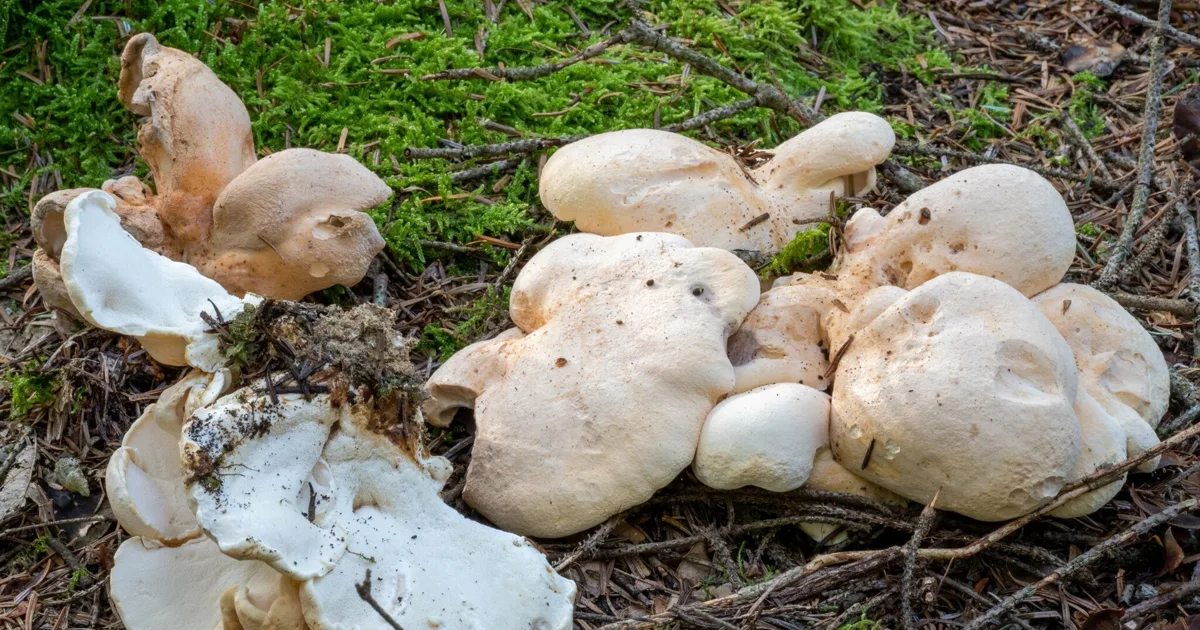
The cap of the fused polypore ranges from 3 – 15 cm in diameter and can appear hemispherical or irregularly circular. Its surface is typically cream or apricot with an orange tint, sometimes shifting toward reddish‑brown or ochre as it ages. The edge is flaky and the skin may crack during dry periods. A distinctive trait is the tendency to grow in clusters of fused fruit bodies that can span up to 50 cm across.
Beneath the cap, the hymenophore consists of short tubes (up to 3 mm) that run down the stem (decurrent). The pores are tiny and circular, producing a white spore print. Spores are broadly ovate to nearly spherical, smooth, colorless, and measure about 4.5–5 µm × 3–3.5 µm.
The stipe is modest—3–6 cm long and 2–2.5 cm wide—often central but sometimes eccentric or lateral. Its color varies from pure white to a faint apricot or rusty hue, occasionally spotted. The flesh is cream‑colored, emits a weak pleasant odor, and tastes bitter, especially in older specimens.
Similar Species to Watch For
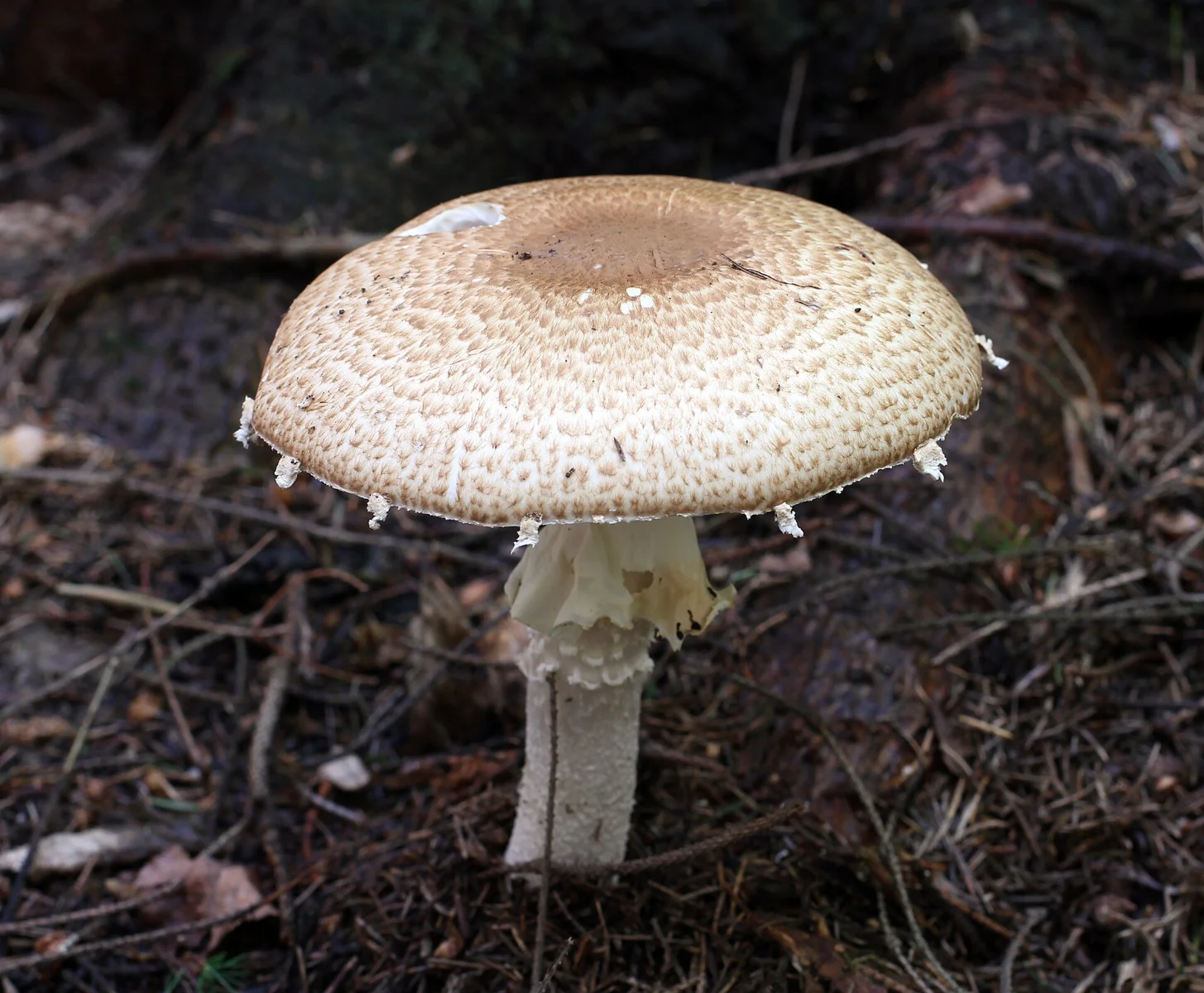
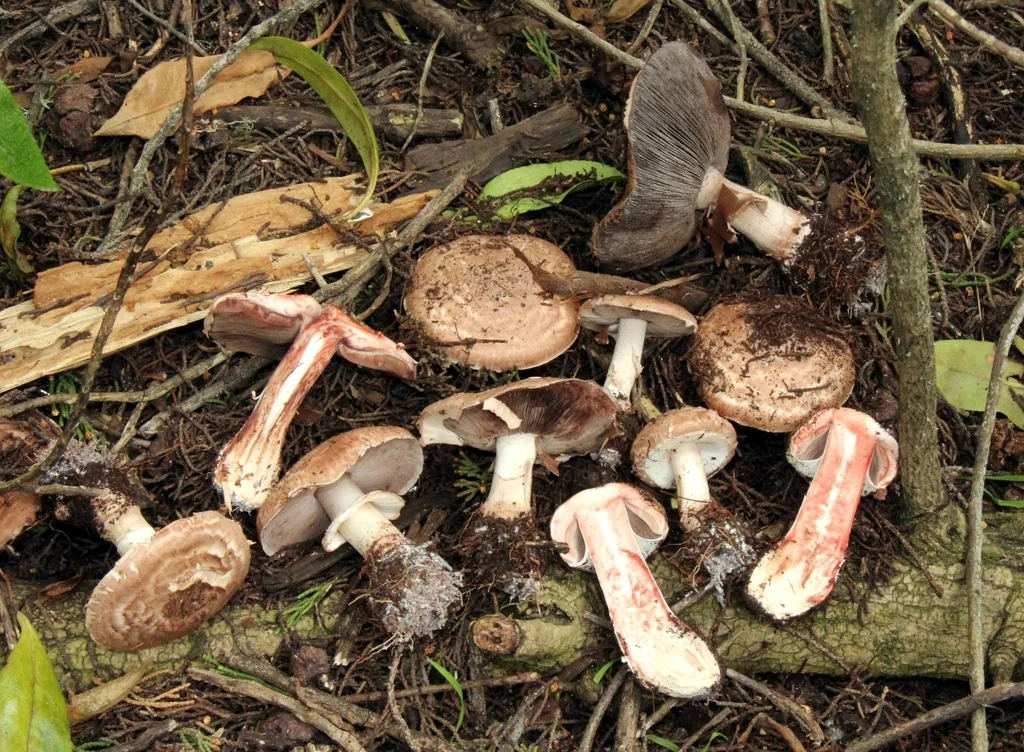
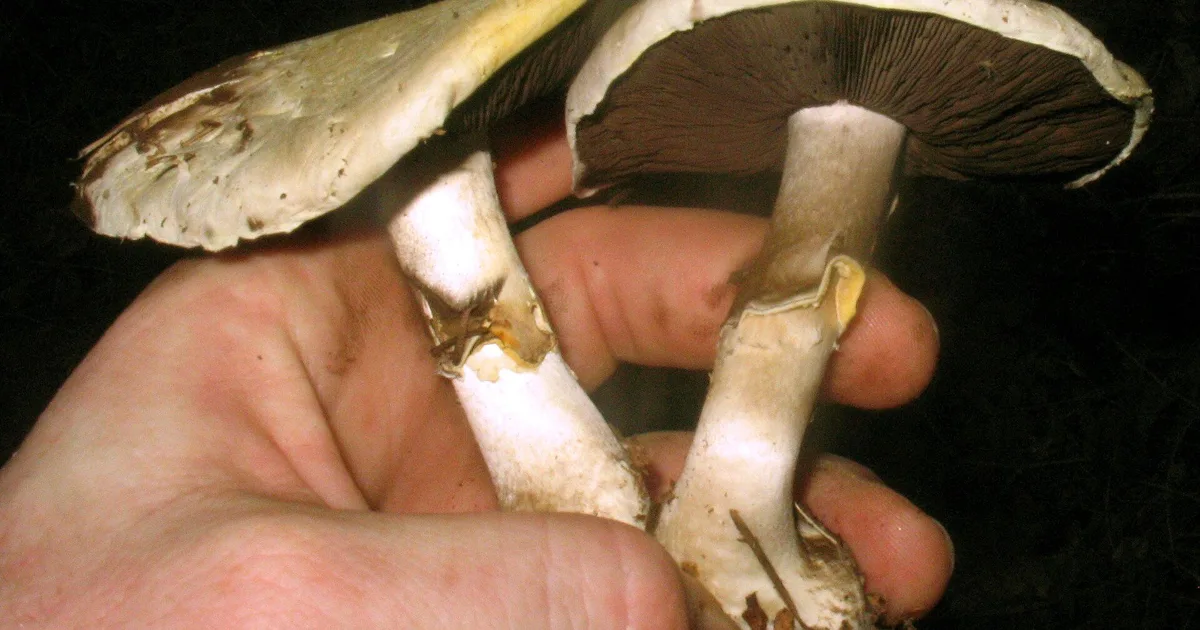
Several polypores can be confused with A. confluens: - Albatrellus subrubescens has a more pronounced stem and a cap that shifts from brown‑purple to brick‑brown in pine forests. - Albatrellus ovinus displays a very light cap, lemon‑yellow pores, and does not form fused clumps. - Laeticutis cristata shows a yellow‑green to brown cap and prefers beech or coniferous mountain woods. - Hydnum species (e.g., H. rufescens, H. repandum) feature tooth‑like spines rather than pores.
Paying attention to cap color, stem development, and growth habit helps avoid misidentification.
Distribution, Habitat, and Seasonal Timing
Albatrellopsis confluens is a saprotrophic fungus found across Europe, North America, Japan, and even on Australia’s Yorke Peninsula. It prefers coniferous or mixed forests, especially mountain spruce stands. Fruit bodies appear on the ground, either singly or in dense clumps, from July through October. Because it grows on the forest floor rather than on wood, it often blends into leaf litter, making careful observation important.
Edibility and Sustainable Harvesting
When young, the fused polypore is technically edible, though its bitterness increases with age. Because the mushroom is relatively rare and its taste is not highly prized, most mycologists advise against harvesting large quantities. If you do collect a young specimen, cook it thoroughly—like other polypores, it benefits from simmering or braising to soften the texture and reduce bitterness. Never consume wild‑picked mushrooms without a positive identification from an expert.
Bioactive Compounds and Current Research
One of the most intriguing aspects of A. confluens is its production of the compound grifolin. Laboratory studies have shown that grifolin can trigger apoptosis (programmed cell death) and halt cell‑cycle progression in ovarian cancer and human osteosarcoma cell lines. The effect appears linked to inhibition of signaling pathways such as ERK1/2 and PI3K/AKT. Additional research points to anti‑inflammatory and antioxidant activities, though these findings are still early‑stage and limited to cell‑culture models.
While the data are promising, it is important to note that grifolin’s therapeutic potential has not been validated in human clinical trials. Consequently, the fused polypore should be appreciated for its ecological role and biochemical curiosity rather than as a medicinal shortcut.
Connecting to the Martian Dream
For Mushroom 2 Mars enthusiasts, the hardy, cluster‑forming habit of Albatrellopsis confluens offers inspiration for designing resilient fungal habitats that could thrive in the challenging conditions of a future Martian greenhouse.
Sources
This guide is not a foraging or identification manual. Many edible mushrooms have toxic look-alikes. Never eat a wild mushroom unless an expert has identified it in person.
This article was prepared with AI assistance from the sources listed above and approved by the Mushroom 2 Mars team before publication.