Two Rings, One Identity
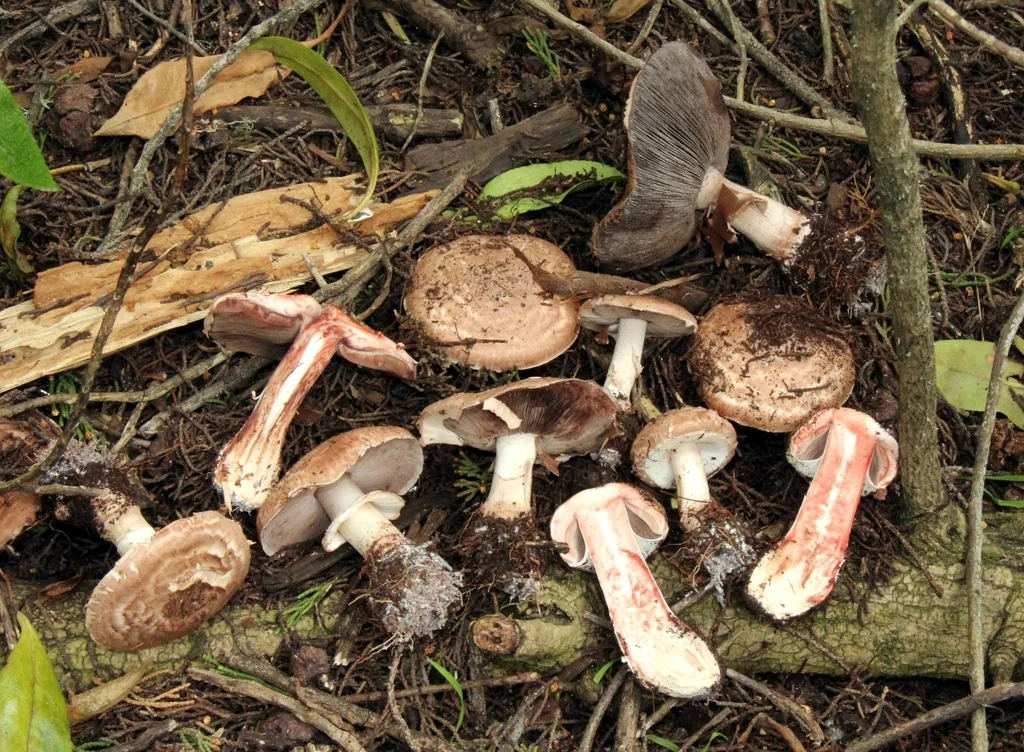
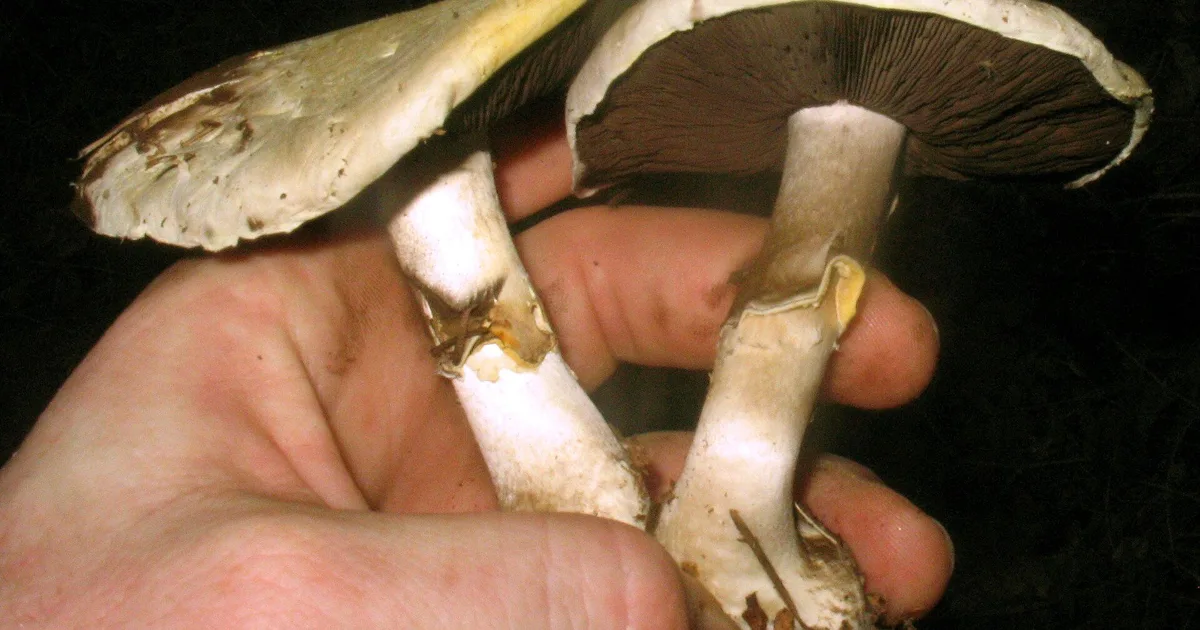
Agaricus bitorquis earns its name from the Latin bitorquis—“two collars.” When the veil that covers the developing gills tears away, it leaves a thick, funnel‑shaped upper ring and a thinner, skirt‑like lower ring on the stipe. This double‑ring feature sets it apart from the common button mushroom (Agaricus bisporus) and even from its look‑alike, Agaricus campestris, which has only a single fragile ring.
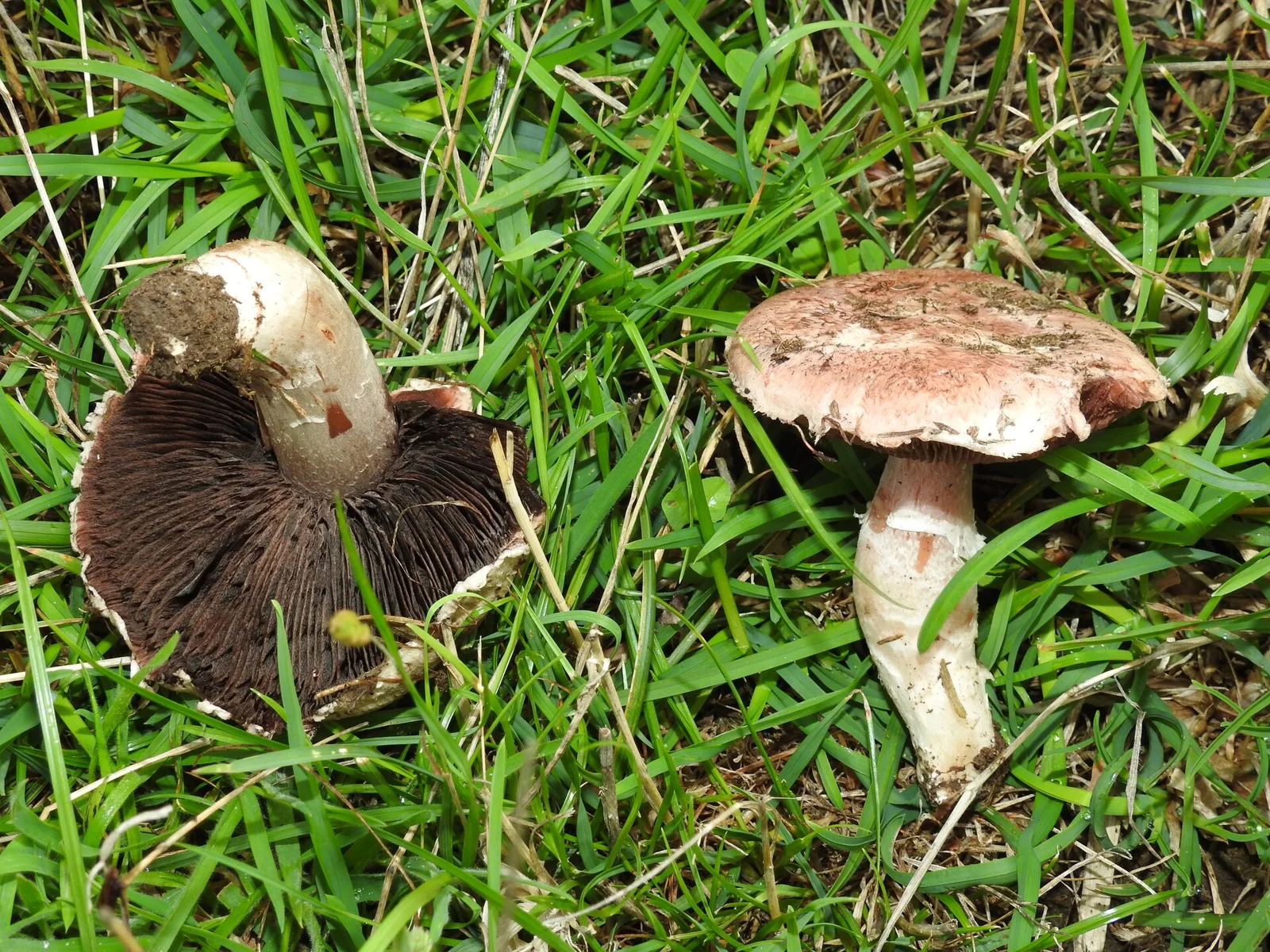
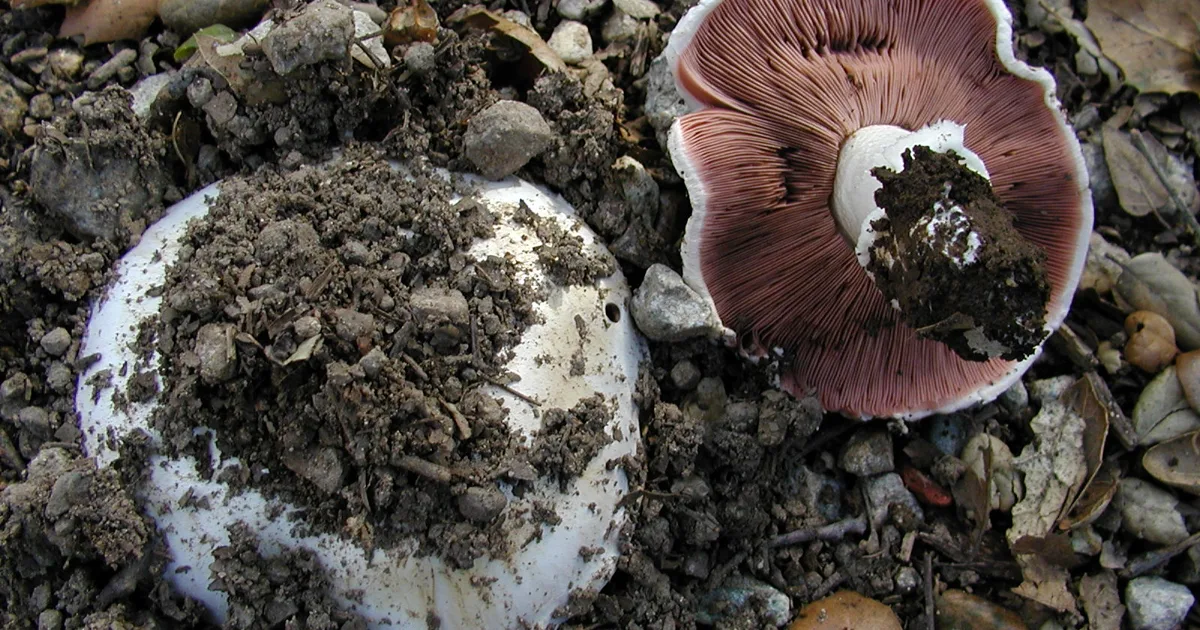
The cap of the pavement mushroom is dry, smooth, and white, ranging from 4 cm to 18 cm in diameter. Young caps are convex, flattening with age and sometimes taking on a yellowish tint as they mature. The gills are free, very narrow, and start out a light pink before turning dark reddish‑brown as spores develop. A chocolate‑brown spore print confirms its identity.
Where It Grows: City Streets and Gardens
Unlike many forest‑dwelling fungi, A. bitorquis thrives in human‑made environments. It appears solitary or in small groups on garden beds, roadside verges, and especially on pavement where winter de‑icing salts are used. The mushroom often pushes through asphalt or concrete, maturing partly underground, which can leave a gritty texture on wild‑collected specimens.
Geographically, the species is cosmopolitan. It has been recorded across North America, Europe, and Asia, and also in New Zealand, South Africa, and Australia. Its adaptability to disturbed soils and tolerance of urban pollutants make it a frequent find for city foragers.
From Field to Farm: Cultivation Highlights
Commercial cultivation of A. bitorquis began in 1968. Growers are attracted to several practical traits:
- Heat tolerance – It can thrive at higher temperatures than the standard button mushroom, easing cooling demands during hot summers.
- CO₂ resilience – The species tolerates elevated carbon‑dioxide levels, which can occur in tightly packed growing rooms.
- Disease resistance – It shows greater resistance to common viral diseases that affect A. bisporus.
- Bruising durability – The flesh bruises less, maintaining an attractive appearance during harvest and transport.
Recent breeding efforts have produced strains that withstand even higher temperatures, offering a promising alternative for producers facing climate‑related challenges.
Eating the Pavement Mushroom Safely
When properly identified, A. bitorquis is considered a choice edible mushroom with a classic “mushroomy” flavor. Because it often grows underground, wild specimens may feel gritty; a gentle rinse and a quick brush can remove surface particles.
Nutritionally, the mushroom supplies all essential amino acids among its 18 identified amino acids, making it a wholesome protein source. However, as with any urban‑foraged fungus, it can accumulate heavy metals—particularly lead—from contaminated soils. Foragers should avoid picking mushrooms near heavy traffic, industrial sites, or areas known to be polluted.
Simple Sauté Recipe
Ingredients - 300 g fresh A. bitorquis, cleaned and sliced - 2 tbsp olive oil - 1 clove garlic, minced - 1 sprig fresh thyme - Salt and pepper to taste
Steps
1. Heat the oil in a skillet over medium‑high heat (about 180 °C/350 °F).
2. Add the garlic and thyme; stir for 30 seconds until fragrant.
3. Toss the sliced mushrooms into the pan in a single layer. Cook without stirring for 2 minutes to develop a golden crust.
4. Stir and continue cooking 3‑4 minutes, until the mushrooms are tender and lightly browned.
5. Season with salt and pepper, remove the thyme sprig, and serve over pasta, rice, or as a side.
This quick preparation highlights the mushroom’s texture while keeping cooking time short, preserving its nutrients.
Microscopic Details for the Curious
Under the microscope, A. bitorquis reveals elliptical, smooth basidiospores measuring 5–7 µm by 4–5.5 µm. Basidia are typically four‑spored, though two‑spored forms also appear. Numerous cystidia are present, aiding mycologists in confirming the species during lab analysis.
A Note on Mars
Because A. bitorquis tolerates higher temperatures and variable CO₂ levels, it is a candidate for future off‑world mushroom farms, perhaps even on the Red Planet’s habitats.
Sources
This guide is not a foraging or identification manual. Many edible mushrooms have toxic look-alikes. Never eat a wild mushroom unless an expert has identified it in person.
This article was prepared with AI assistance from the sources listed above and approved by the Mushroom 2 Mars team before publication.