Part of the guide: Mushrooms: A Complete Guide to Identification, Cooking, and Cultivation
A bright‑yellow friend in the forest
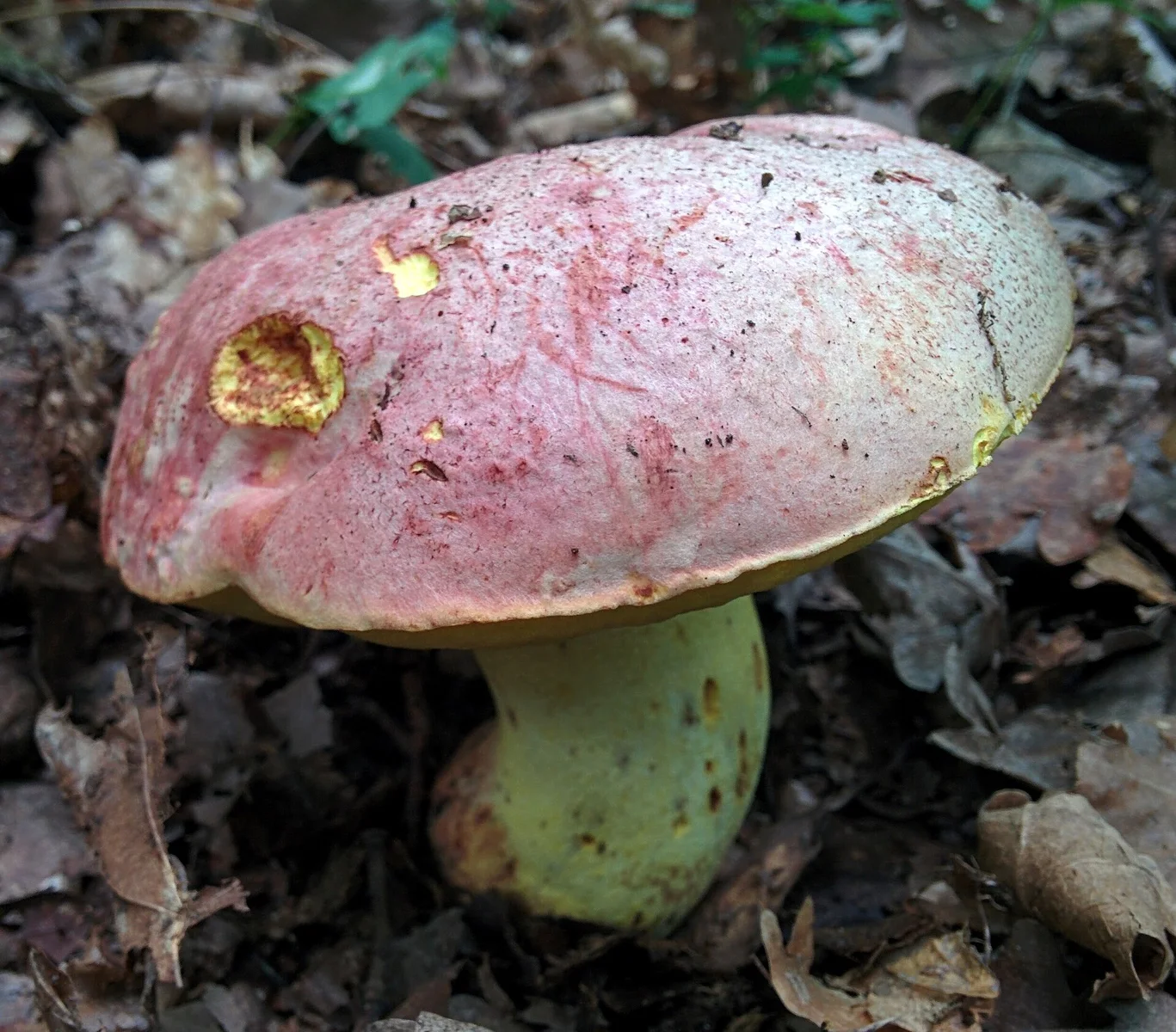
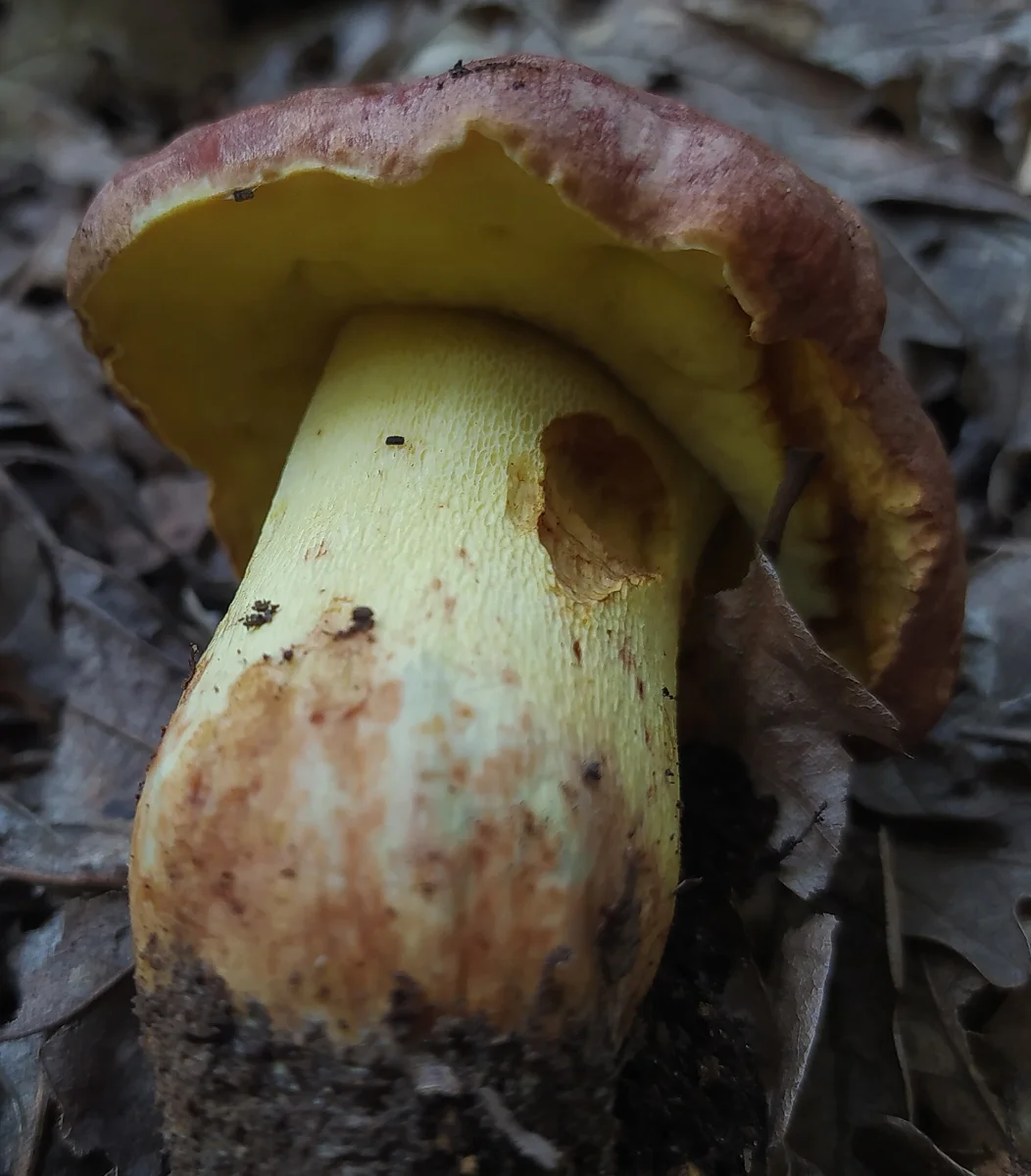
Butyriboletus appendiculatus, often called the butter bolete, is a striking pored mushroom that favors oak‑dominated woodlands. Its caps range from brown‑tan to a warm yellow‑brown and can reach up to 20 cm across. The underside is covered with butter‑colored pores that may blush blue when bruised, a useful field clue. The stout stem mirrors the cap’s hue, sometimes showing faint net‑like lines near the top. When the flesh is cut, it turns a vivid blue before eventually fading back toward its original yellow tone.
Where it grows and how to find it
This bolete forms loose groups or dense colonies beneath broad‑leaf trees, especially oaks and beeches. In Europe it prefers ancient, mature woodlands where old oaks linger, while in North America it is most common in the Pacific Northwest, often appearing with live oak and tanoak. Look for the mushroom on the forest floor in late summer to early autumn, checking the soil around the tree roots for the characteristic caps.
Distinguishing it from look‑alikes
Several boletes share a similar shape and color palette. The European Butyriboletus subappendiculatus lacks the blue bruising reaction and tends to have paler caps, usually under conifers rather than hardwoods. Butyriboletus regius and the celebrated Boletus edulis (the king bolete) also appear in oak woods, but the king bolete’s pores remain white‑to‑cream and never turn blue. Observing the bruising response and noting the tree association are the quickest ways to confirm B. appendiculatus.
Culinary potential and safe preparation
The butter bolete is prized for its firm, mildly earthy flesh, which many chefs rate as “choice.” When cooked, the blue staining fades, passing through gray before the flesh regains its buttery hue. This transformation makes the mushroom a vivid addition to soups, sauces, and stews. To prepare, clean the caps with a damp brush or cloth—avoid soaking, as the pores can become soggy. Slice the mushrooms and sauté them in butter or oil over medium heat until they release their moisture and begin to brown, about 5–7 minutes. Adding garlic, thyme, and a splash of white wine creates a simple, flavorful side dish. As with any mushroom, cook it thoroughly; raw consumption is not recommended.
Safety note: While many enjoy this bolete without issue, a minority may experience an allergic reaction. If you are trying it for the first time, start with a small portion and watch for any discomfort.
A brief look at its scientific story
First described in 1774 by German naturalist Jacob Christian Schäffer, the species was originally placed in the genus Boletus. Later, taxonomic revisions based on DNA analysis split the traditional Boletus group, and in 2014 the new genus Butyriboletus was erected to accommodate this and related species. The specific name appendiculatus translates to “with a small appendage,” a nod to subtle morphological features observed under the microscope.
From forest floor to future farms
Mushroom enthusiasts and researchers are exploring how boletes like the butter bolete could be cultivated in controlled environments—an interest that aligns with the broader goal of growing fungi beyond Earth. Understanding its symbiotic relationship with oak roots helps inform substrate design for indoor cultivation, a step that could one day support sustainable food production on space habitats.
Whether you’re foraging responsibly in a woodland, cooking a hearty stew, or imagining fungal farms on Mars, the butter bolete offers a blend of beauty, flavor, and scientific intrigue.
Sources
This guide is not a foraging or identification manual. Many edible mushrooms have toxic look-alikes. Never eat a wild mushroom unless an expert has identified it in person.
This article was prepared with AI assistance from the sources listed above and approved by the Mushroom 2 Mars team before publication.