A Giant Step for U.S. Rockets
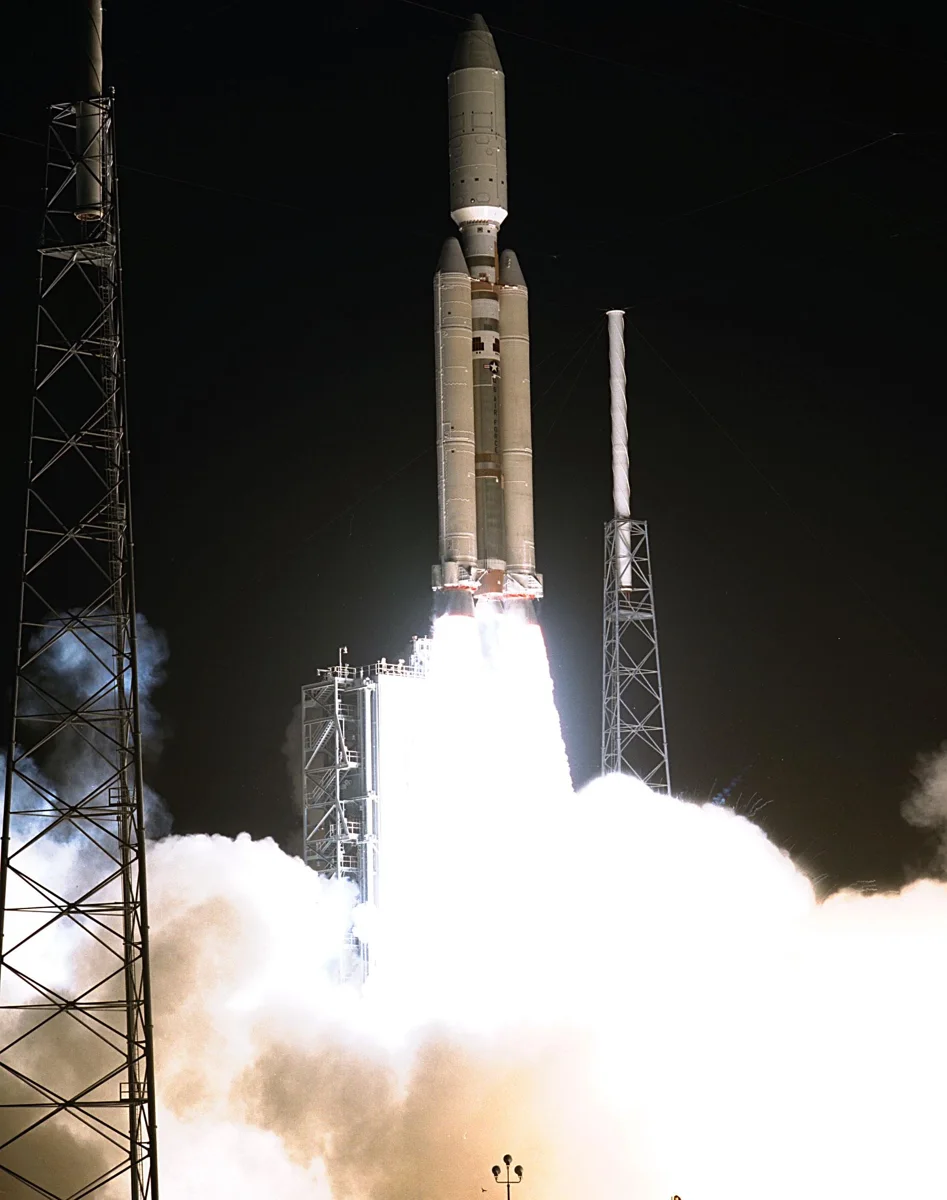
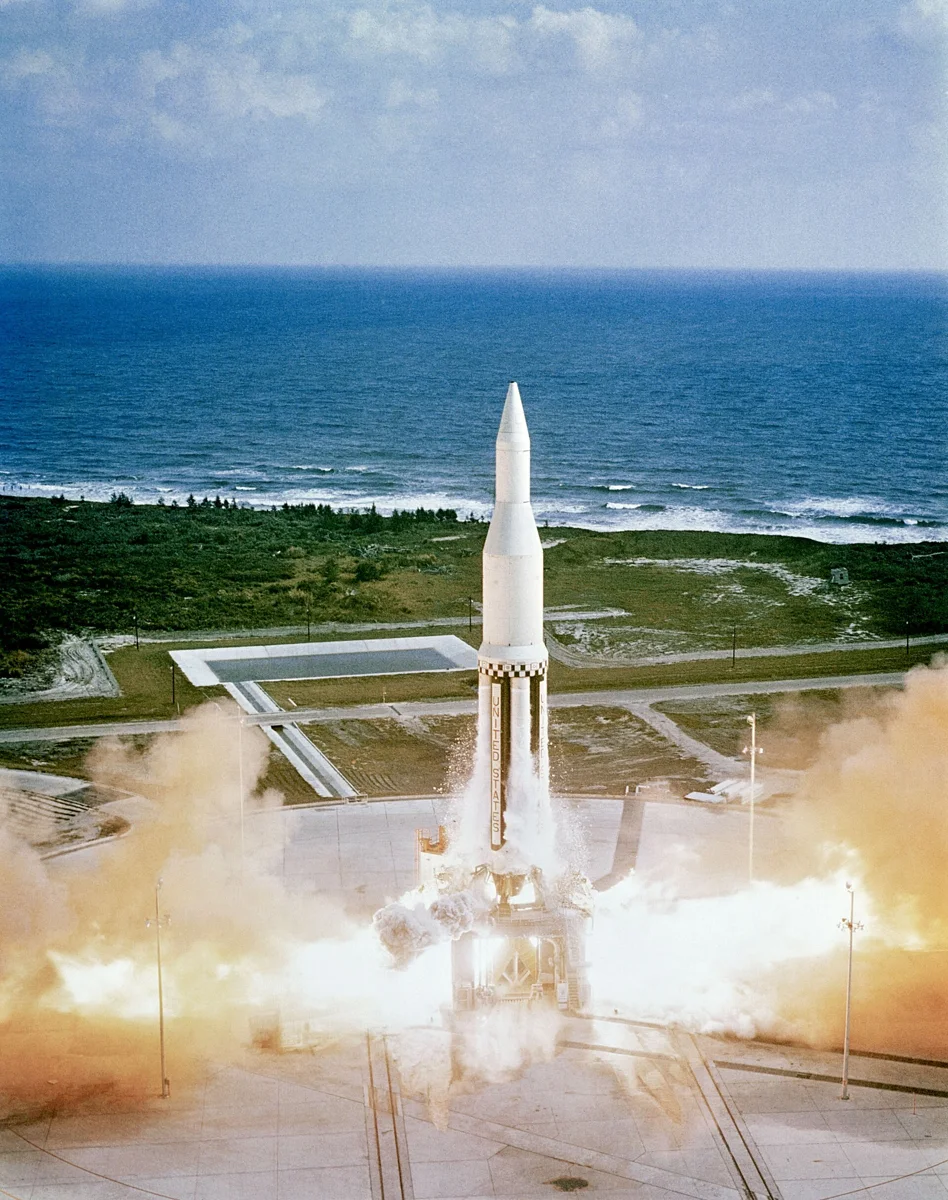
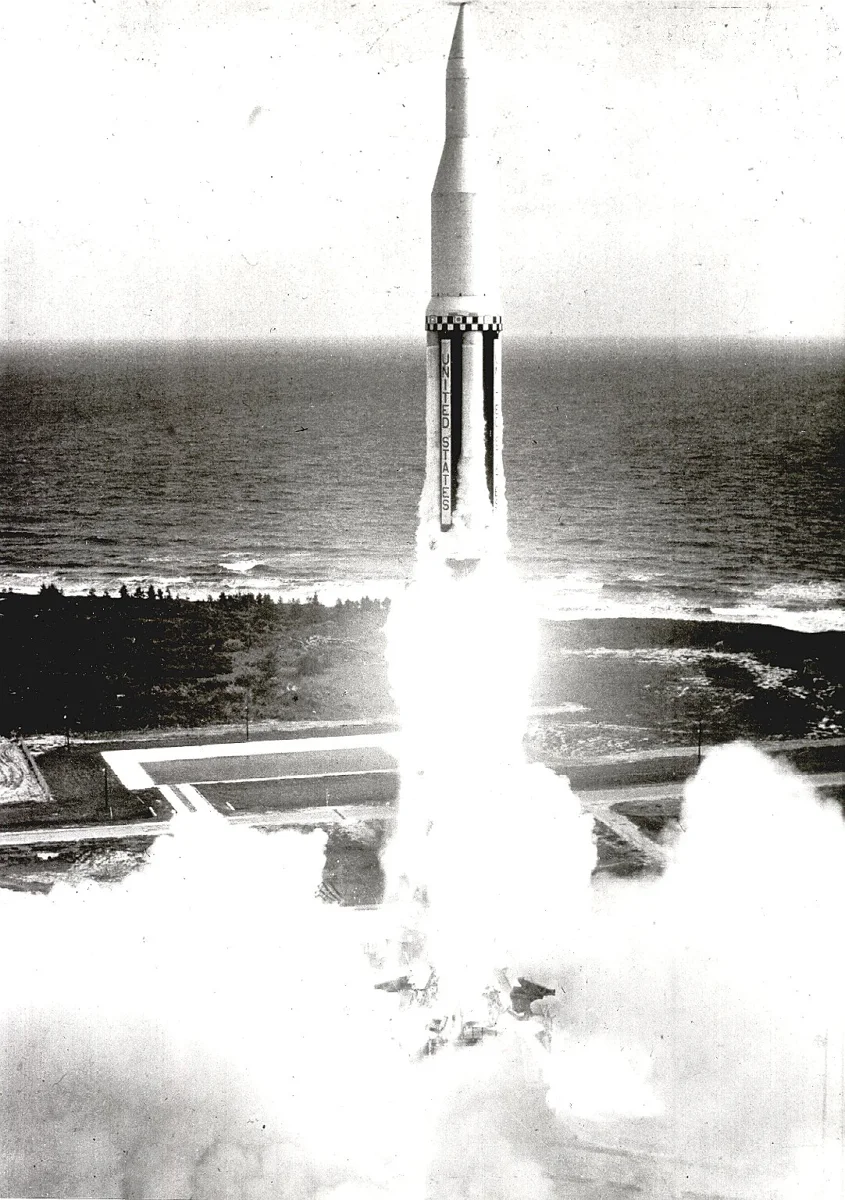
On October 27 1961 NASA sent the Saturn I aloft from Launch Complex 34 at Cape Canaveral. It was the first test flight of the Saturn family, a line of heavy‑lift launch vehicles that would later include the Saturn V that carried Apollo crews to the Moon. The rocket rose 162 feet into the sky, generated about 1.3 million pounds of thrust, and reached an altitude of roughly 85 miles before splashing down in the Atlantic after a 15‑minute flight.
Why the Saturn I Was a Game‑Changer
Prior rockets such as the Jupiter‑C were modest by today’s standards. The Saturn I was almost three times taller than the Jupiter‑C and produced more than ten times its thrust. Its size allowed it to carry payloads far beyond low‑Earth orbit, a capability essential for the lunar missions envisioned in the early 1960s. The vehicle began life in 1957 as the “Saturn C‑1” under the direction of Wernher von Braun at the Advanced Research Projects Agency, with a goal of achieving 1.5 million pounds of thrust – a target later met by upgraded versions.
The Launch Day Details
The weather on launch day was unusually calm, giving engineers a clear window for the test. After liftoff, the Saturn I’s eight H‑1 engines burned for about two minutes before shutting down 1.6 seconds early. NASA later traced the early cutoff to an excess of liquid‑oxygen in the propellant feed, a problem that was quickly corrected in subsequent flights. Despite the brief anomaly, the mission was deemed “essentially flawless” by NASA, marking the first of 32 successful Saturn launches between 1961 and 1973 (10 Saturn I, 9 Saturn IB, and 13 Saturn V).
Building the Launch Infrastructure
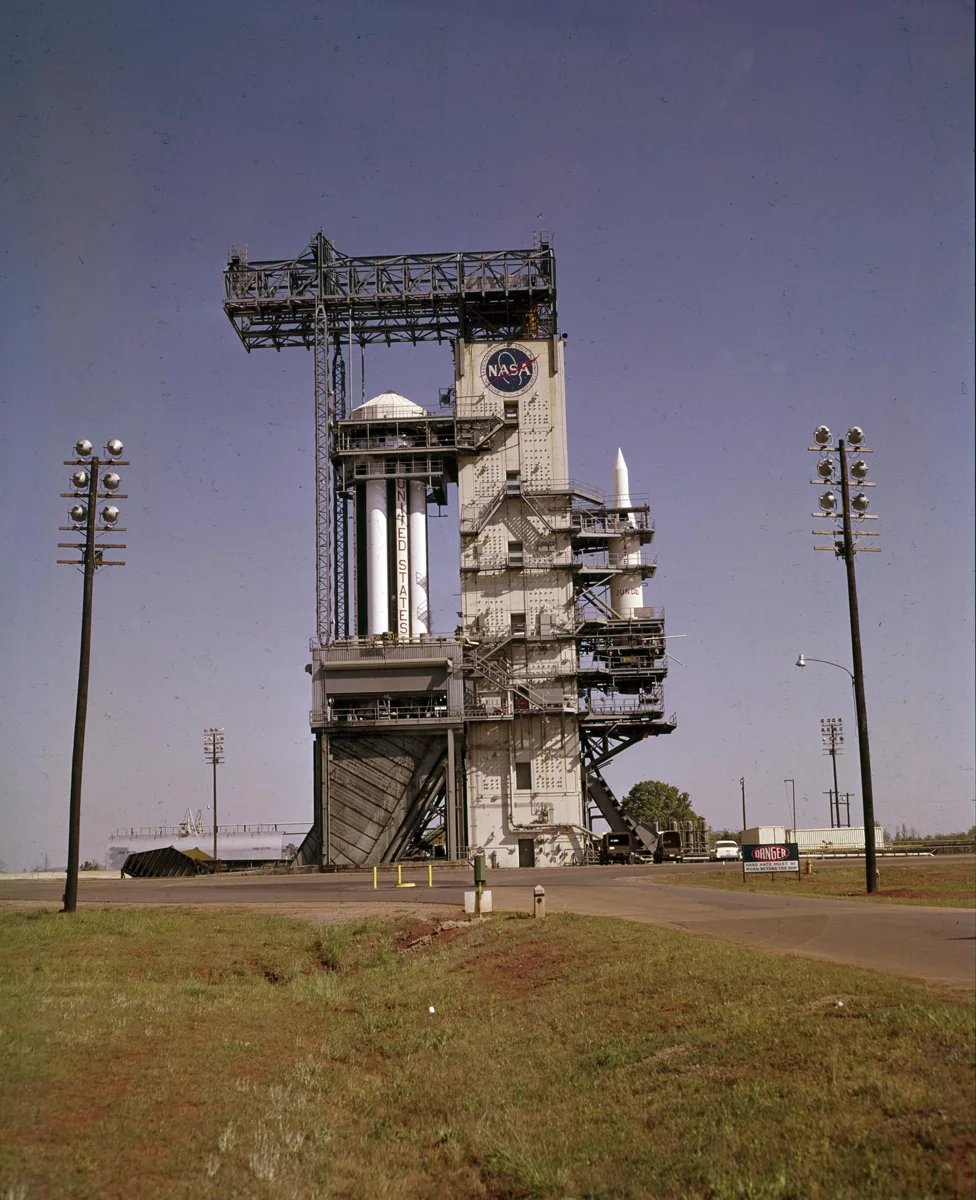
Launch Complex 34 was specially constructed for the Saturn I. NASA took charge of the pad in June 1961, installing the massive service towers and flame‑deflection systems required for a vehicle of this scale. The pad’s design later influenced the facilities used for the Saturn IB and Saturn V, illustrating how early infrastructure investments paid dividends throughout the Apollo era.
From Saturn I to the Moon‑Landing Giant
The Saturn I’s successful test flight gave engineers confidence to iterate rapidly. Later versions reached the full 1.5 million pound thrust target, and the Saturn IB refined the design for crewed Earth‑orbit missions such as Apollo 8. Ultimately, the Saturn V—standing 363 feet tall and delivering 7.5 million pounds of thrust—owed its lineage to the humble Saturn I test that proved a heavy‑lift concept could work reliably.
Legacy and Lessons for Future Exploration
Even today, the Saturn I’s story offers valuable lessons for modern space programs. It shows how incremental testing, robust infrastructure, and rapid problem‑solving can accelerate technology development. As private firms and agencies plan new heavy‑lift rockets for lunar bases and Mars missions, the Saturn family remains a reference point for scaling up launch capability.
For those curious about the connection to our own mushroom‑on‑Mars project: the same spirit of bold experimentation that lifted the Saturn I skyward now drives us to grow fungi in space, preparing the next generation of life‑support systems for the Red Planet.
Sources
This article was prepared with AI assistance from the sources listed above and approved by the Mushroom 2 Mars team before publication.