Part of the guide: Mushrooms: A Complete Guide to Identification, Cooking, and Cultivation
Why Grape Pomace?
Grape pomace – the skins, seeds and stems left after pressing wine – makes up roughly 20‑30% of a grape’s weight. It is rich in lignocellulose, minerals and residual sugars, which can support fungal growth while diverting a large amount of organic waste from landfills. Studies in Applied Microbiology and Journal of Agricultural Science have shown that supplementing traditional hardwood sawdust with pomace improves colonisation speed for Lentinula edodes (shiitake) without compromising yield (Matsumoto et al., 2022). Using pomace therefore aligns with circular‑economy goals and reduces the carbon footprint of mushroom production.
Collecting and Preparing the Pomace
- Source fresh pomace – obtain it directly from a winery within 24 hours of pressing to limit microbial contamination. Fresh material retains higher moisture (≈70 % w/w) and nutrients.
- Dry the pomace – spread it thinly on a clean tray and air‑dry for 2‑4 hours, then place in a low‑temperature oven (45‑55 °C) for 12‑16 hours. Drying reduces competing bacteria and brings the moisture content to a manageable 10‑15 %.
- Grind to uniform size – using a kitchen processor or coarse mill, break the dried pomace into particles 5‑10 mm in length. Uniform size improves mixing with the main substrate and ensures even colonisation.
Formulating the Substrate Blend
| Ingredient | Typical Ratio (by dry weight) |
|---|---|
| Hardwood sawdust (oak, beech) | 60 % |
| Grape pomace (dry) | 30 % |
| Wheat bran (nutrient supplement) | 5 % |
| Gypsum (calcium source) | 5 % |
Mix the dry components thoroughly in a large container. The wheat bran and gypsum provide additional nitrogen and calcium, which are beneficial for shiitake fruiting. Adjust the final moisture to 60‑65 % by adding sterile water drop‑wise and squeezing a handful – a few drops should be released when the mixture is squeezed.
Pasteurisation and Sterilisation Options
Low‑tech pasteurisation: Fill heat‑proof bags with the substrate and submerge them in a water bath at 70 °C for 90 minutes. This kills most competing microbes while preserving beneficial microbes that can aid colonisation.
Laboratory‑grade sterilisation: For larger operations, use an autoclave or pressure cooker at 121 °C for 60 minutes. Sterilisation is more energy‑intensive but eliminates the risk of contamination entirely.
After heating, let the substrate cool to below 30 °C before proceeding to inoculation.
Inoculation with Shiitake Spawn
- Choose the spawn type – grain spawn (e.g., rye or millet) is commonly used for shiitake. Liquid spawn can also be mixed in, but grain spawn offers easier handling for home growers.
- Mix spawn into the substrate – for a 10 kg batch of dry substrate, add 500‑800 g of grain spawn (5‑8 % of the dry weight). Work quickly in a clean environment to minimise exposure to airborne spores.
- Pack into bags or containers – fill polypropylene bags (15‑20 µm filter patch) or reusable containers, leaving a small opening for gas exchange.
- Seal and incubate – close the bags with a heat sealer or twist tie. Store them in a dark, humid space at 22‑25 °C. Colonisation typically takes 3‑4 weeks; the mycelium will turn the substrate white and firm.
Initiating Fruiting
Once the substrate is fully colonised, move the bags to a fruiting chamber: - Temperature: 16‑18 °C - Relative humidity: 85‑90 % - Fresh air exchange: 4‑6 times per hour (small openings or periodic fan bursts) - Light: indirect daylight or 500‑lux fluorescent light on a 12 h/12 h cycle
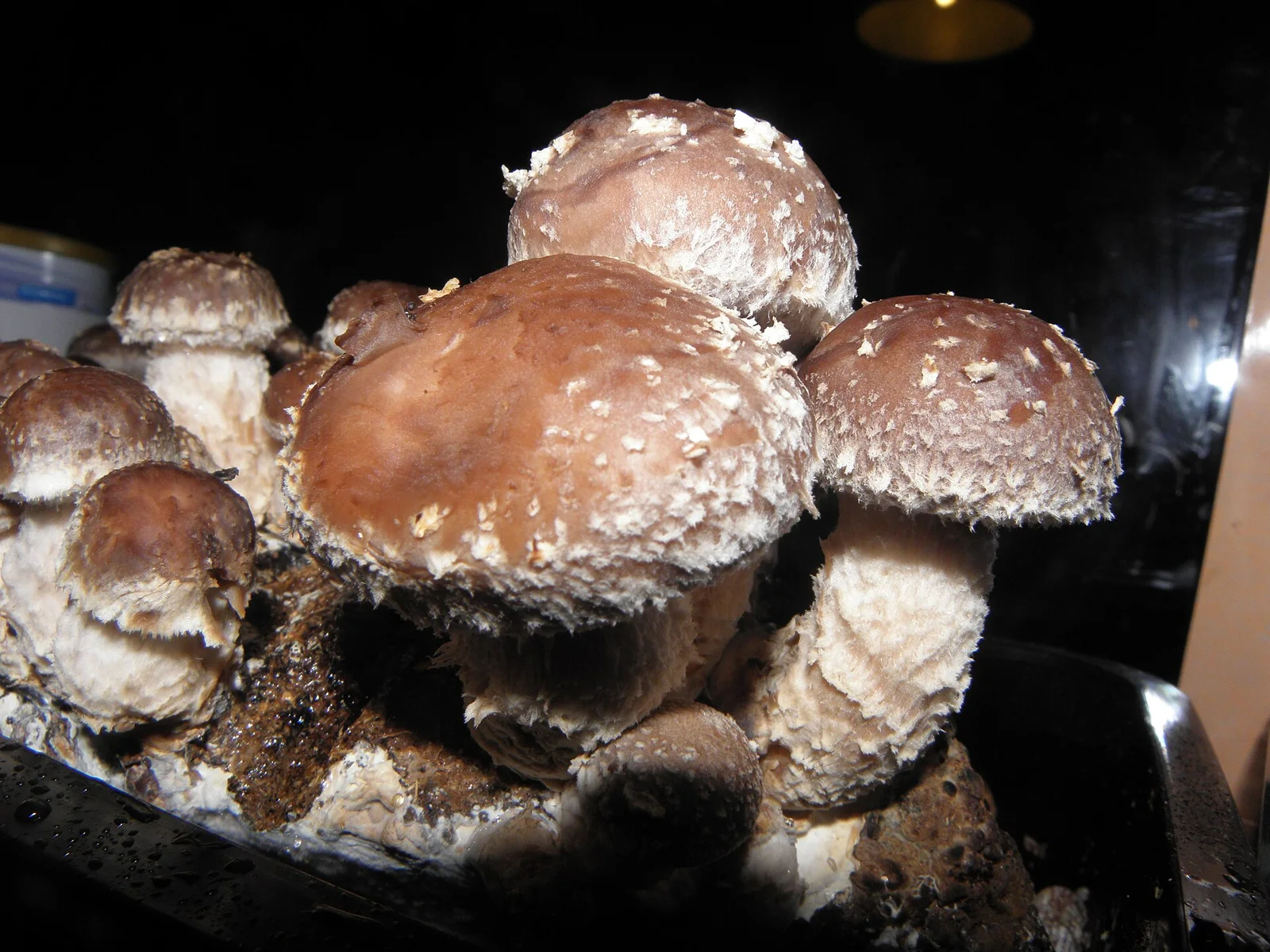
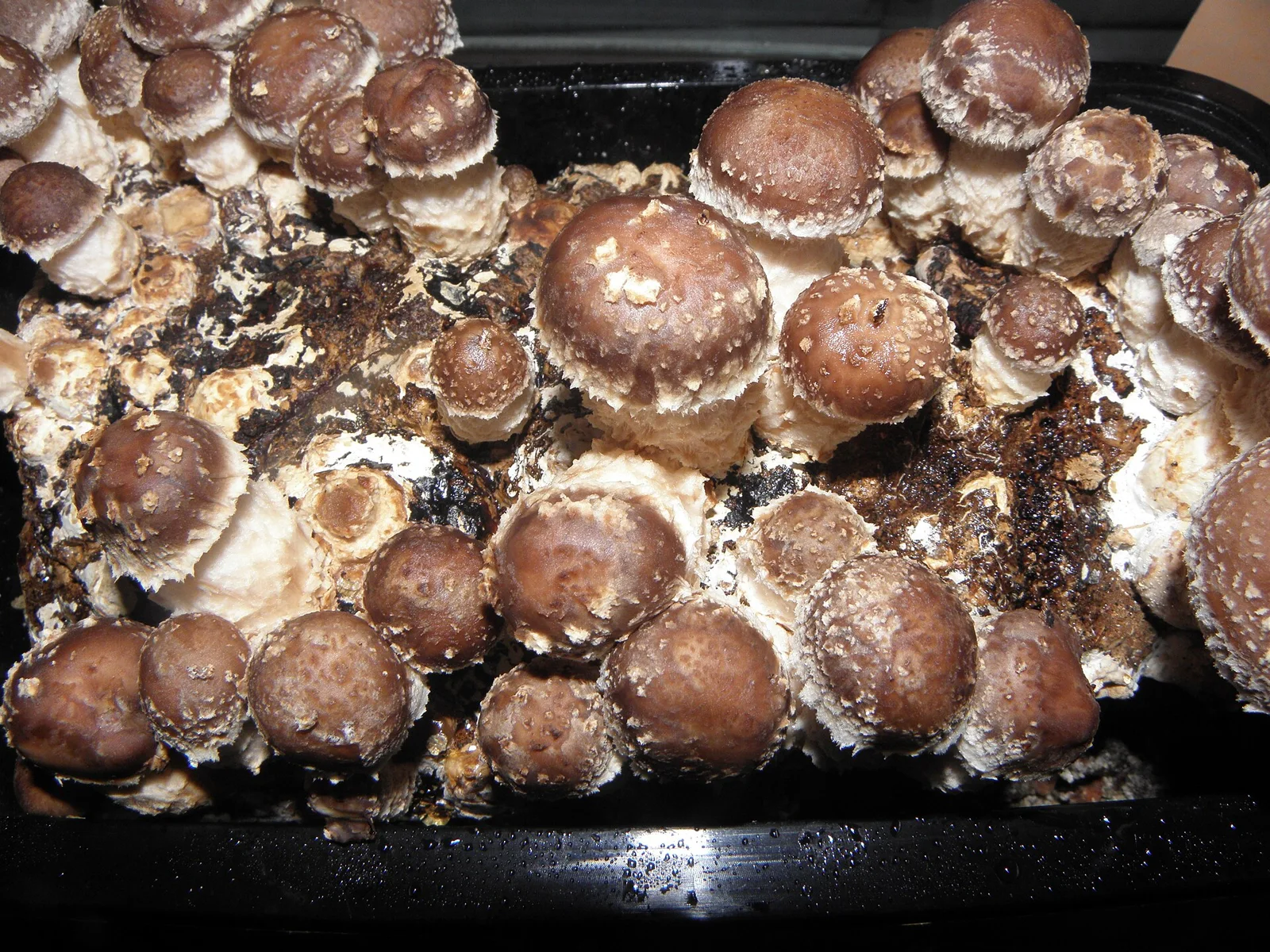
Cut small slits (2‑3 cm) in the bag walls to allow mushroom primordia to emerge. Maintain humidity by misting with a fine‑spray bottle and ensure good ventilation to prevent CO₂ buildup. Shiitake caps usually appear within 7‑10 days and can be harvested by cutting at the base when the caps are fully expanded.
Benefits and Outlook
Using grape pomace reduces waste, cuts substrate costs, and can improve the nutritional profile of the resulting mushrooms – studies have reported higher phenolic content in shiitake grown on pomace‑enriched media (Liu et al., 2023). For small‑scale growers, the method requires only basic kitchen equipment and a modest investment in spawn. On a larger scale, wineries could partner with mushroom farms to create a closed‑loop system, turning a by‑product into a high‑value food.
And as we look toward growing food on other worlds, the ability to recycle organic residues like grape pomace into nutritious mushrooms could be a key piece of sustainable agriculture on Mars.
Sources
- Utilization of Grape Pomace as a Supplement in Shiitake (Lentinula edodes) Substrate
- Effect of Grape Pomace Enrichment on Nutritional Quality of Shiitake Mushrooms
- Basic Techniques for Mushroom Cultivation – Pasteurisation and Sterilisation
This article was prepared with AI assistance from the sources listed above and approved by the Mushroom 2 Mars team before publication.