Jets from the Heart of a Galaxy
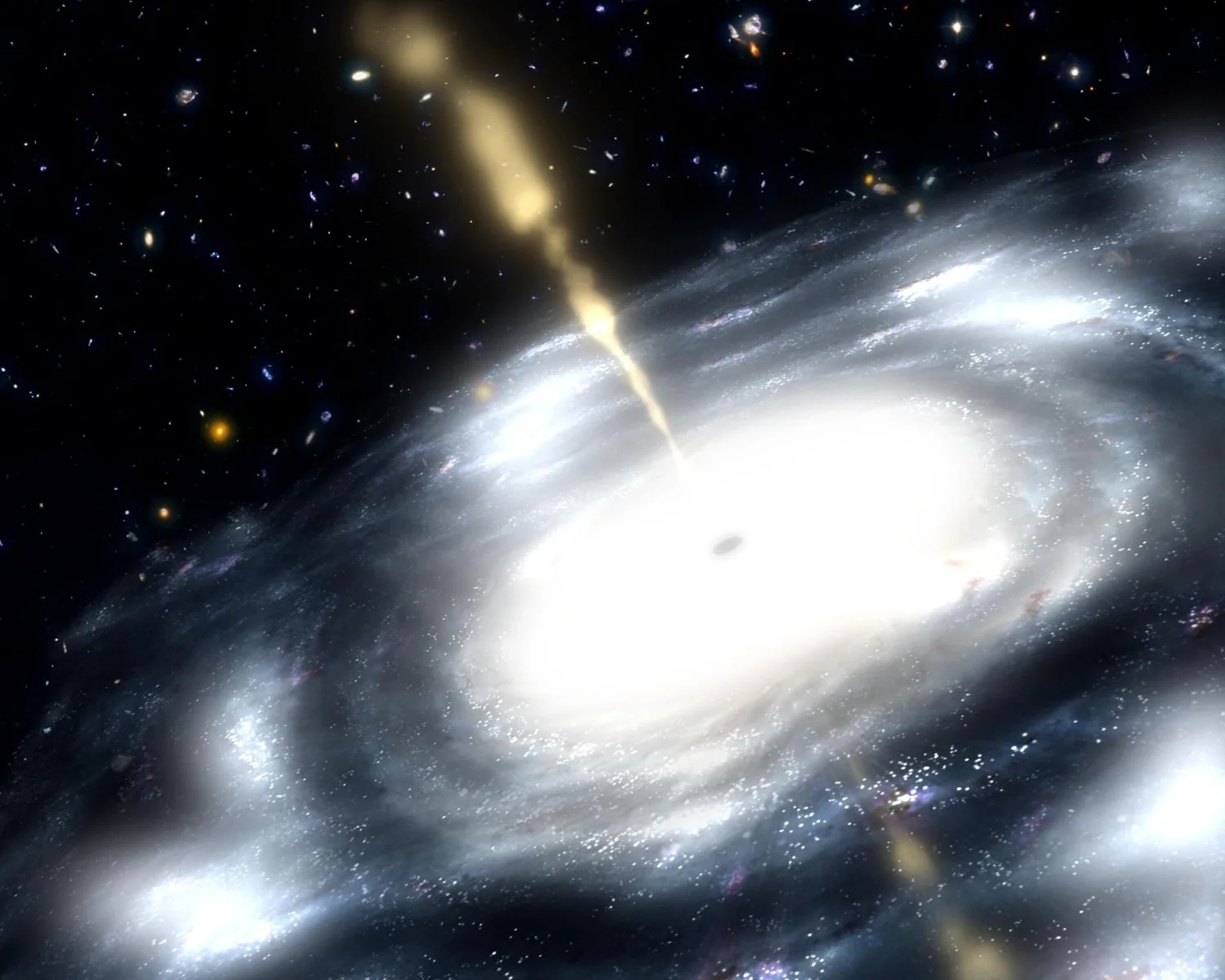
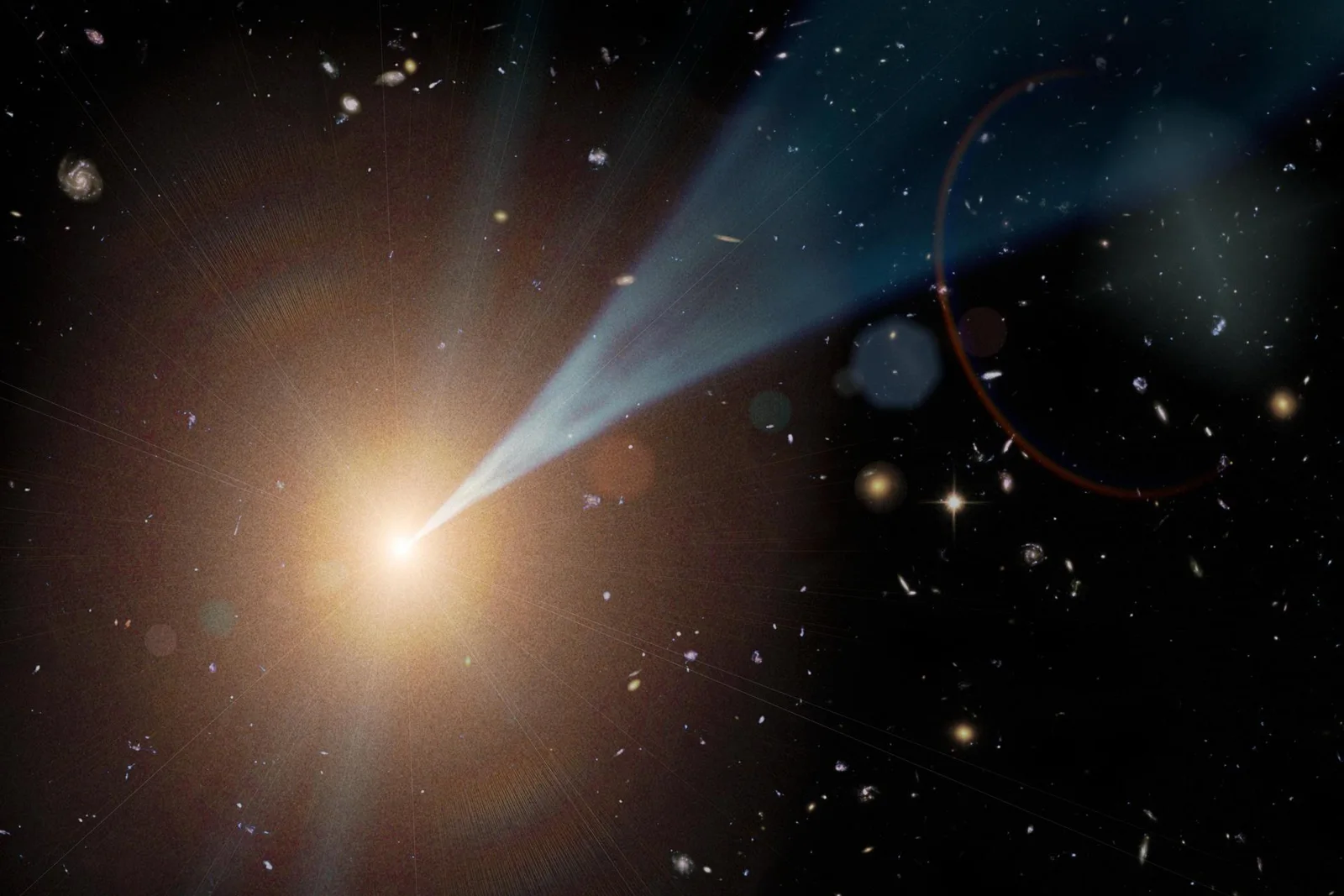
Supermassive black holes sit at the centers of most large galaxies. Although they can contain millions to billions of times the Sun’s mass, their physical size is comparable to a solar system. When gas and dust fall toward these gravitational giants, some of the material is converted into powerful, narrow streams of ionized gas that shoot out at near‑light speeds. Astronomers call these streams jets, and they are a hallmark of so‑called active galactic nuclei (AGN). For decades, scientists have known that jets can carve cavities in the hot gas that fills galaxy clusters, but a new study published in The Astrophysical Journal Letters reveals a subtler, far‑reaching influence on the gas that surrounds an individual galaxy itself.
The Circumgalactic Medium – A Galactic Reservoir
Beyond the bright stellar disk of a galaxy lies an extended halo of tenuous gas known as the circumgalactic medium (CGM). This halo stretches out to hundreds of thousands of light‑years and acts as a reservoir that slowly cools, condenses, and rains back onto the galaxy, supplying fresh fuel for new stars. Observations using quasar sightlines and absorption‑line spectroscopy have shown that much of the CGM remains hot and sits near the galaxy’s outer edge, prompting the question: what keeps this material from collapsing inward?
Mapping Ionized Hydrogen with H‑Alpha Light
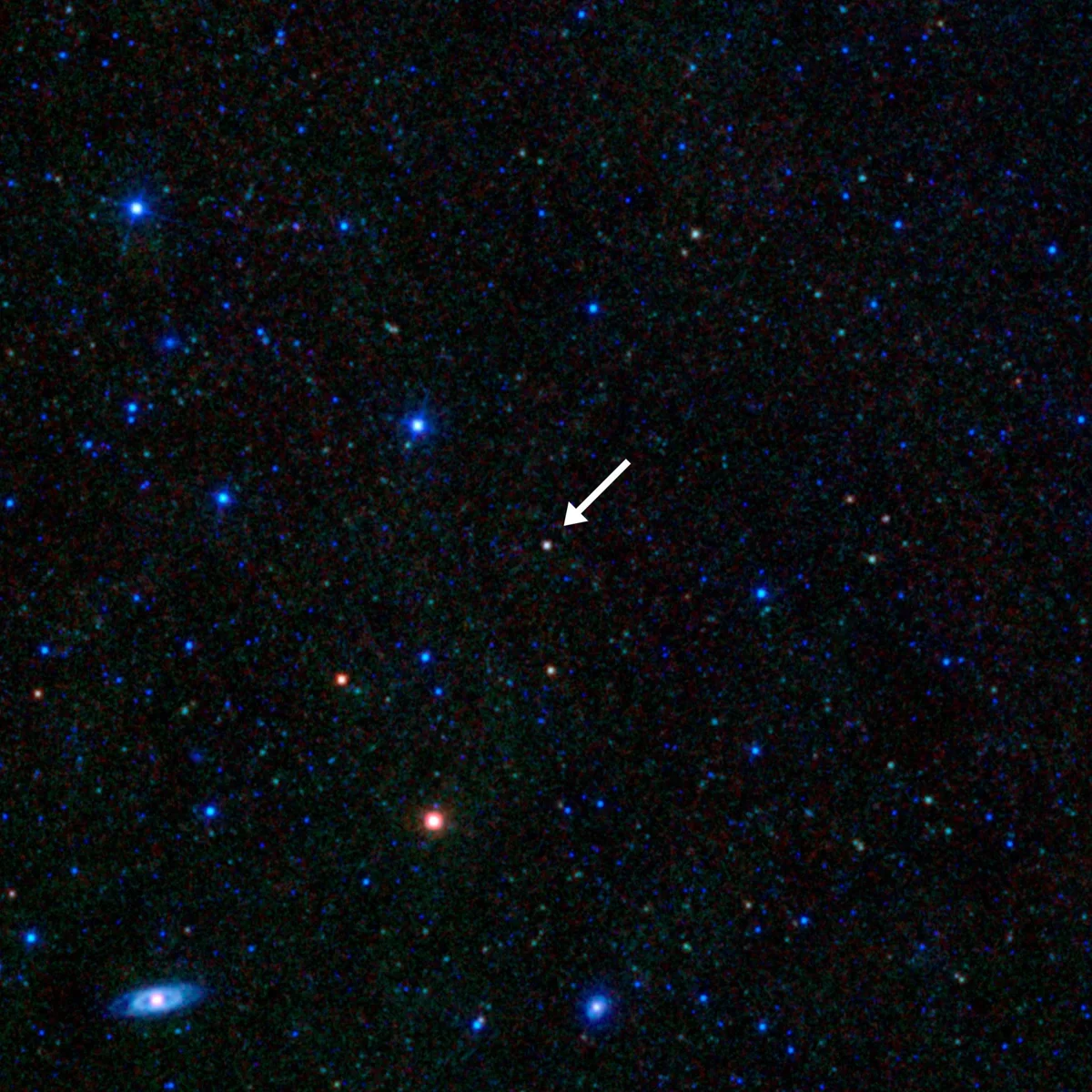
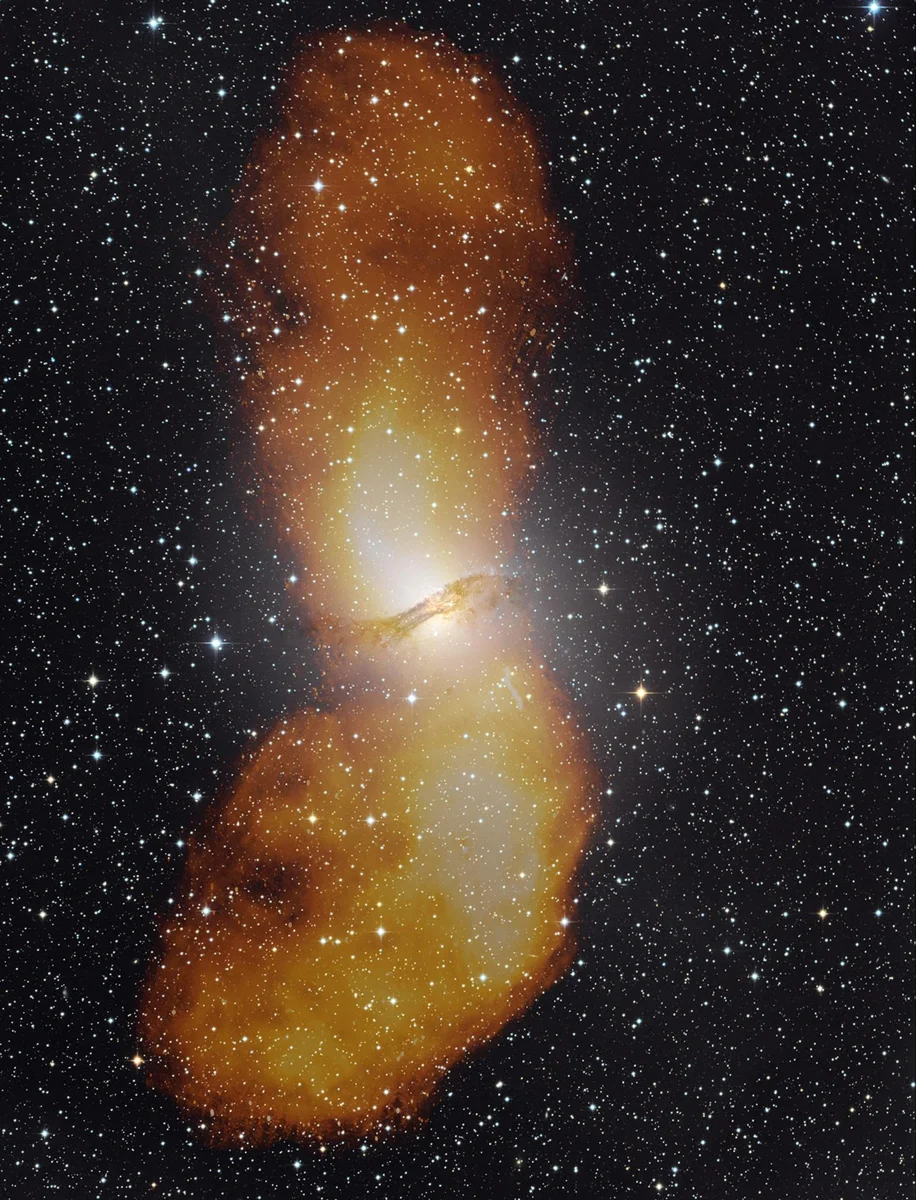
The research team, led by Namrata Roy, examined thousands of galaxies that host radio‑loud jets. They combined two large surveys: the Dark Energy Spectroscopic Instrument (DESI) for precise redshifts and the LOFAR Two‑meter Sky Survey (LoTSS) for low‑frequency radio maps of jet structures. By looking for H‑alpha emission—the bright red line produced when ionized hydrogen recombines—they could pinpoint regions of warm (≈10,000 K) gas. As expected, strong H‑alpha signals appeared close to the jets where the jets directly interact with the surrounding medium.
Jets Reach Farther Than Expected
Surprisingly, the authors also detected faint H‑alpha emission aligned with the jets but extending well beyond the immediate jet‑CGM interface. This suggests that the jets are capable of transporting energy far into the halo, heating gas that lies many kiloparsecs from the galaxy’s core. Complementary measurements of a magnesium absorption line indicated that, overall, the CGM temperature is modestly lower than the jet‑heated zones, reinforcing the idea that the jets create localized hot “pockets” while the bulk of the halo stays cooler.
Consequences for Star Formation
Heating the CGM has a direct impact on the galaxy’s life cycle. Warm gas is less prone to condense under gravity, meaning less material can fall back onto the disk to form new stars. In effect, the black hole’s jets act like a cosmic stirrer, mixing and heating the halo and throttling the supply line for star formation. While other processes—such as supernova feedback, galaxy mergers, and cosmic inflows—also regulate star birth, this study highlights a subtle but measurable channel by which a central black hole can influence the entire galaxy.
A Broader View of Black Hole‑Galaxy Co‑Evolution
The classic picture of black hole feedback often focuses on dramatic events: a star ripped apart, a burst of X‑ray radiation, or a massive outflow that clears the galaxy’s core. The new findings add nuance, showing that even steady, collimated jets can leak energy into the far‑flung CGM. Over cosmic timescales, repeated heating episodes could gradually reshape the halo’s density profile, potentially altering how galaxies grow and evolve.
Why This Matters for Future Exploration
Understanding the balance between cooling inflows and heating outflows is essential for building accurate models of galaxy formation. The CGM is also a key target for upcoming observatories such as the James Webb Space Telescope and the European Space Agency’s Athena X‑ray mission, which will probe the faint glow of hot gas around distant galaxies. Insights from studies like this one help astronomers interpret those future observations and refine simulations of the universe’s large‑scale structure.
Even on Earth, we cultivate mushrooms in controlled environments; in space, learning how black holes stir galactic “soil” guides us toward growing life‑supporting ecosystems on places like Mars.
Sources
This article was prepared with AI assistance from the sources listed above and approved by the Mushroom 2 Mars team before publication.