The Thin Atmosphere Challenge
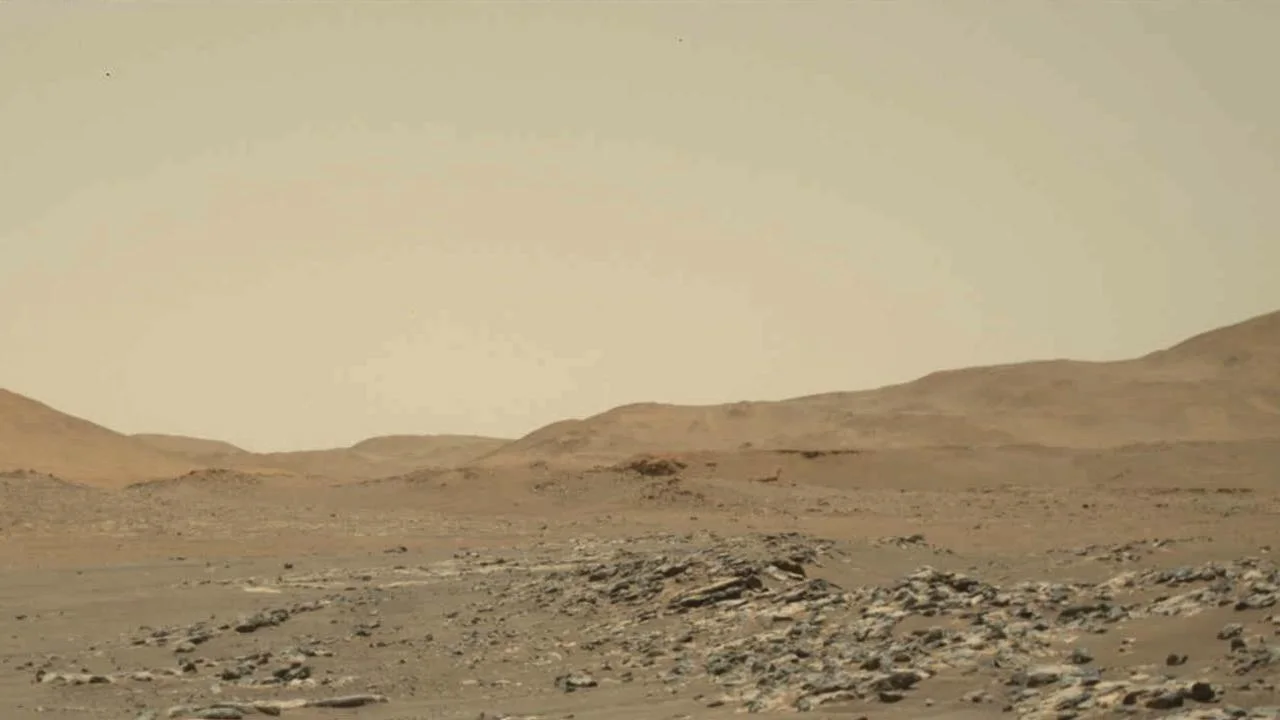
Mars’ atmosphere is less than 1% as dense as Earth’s at sea level, making lift a major engineering hurdle. While the air is mostly carbon dioxide, its low pressure means traditional wings generate far less lift. Engineers compensate by using ultra‑light structures, very fast‑spinning rotors, and high‑efficiency electric propellers. The planet’s lower gravity—about 38% of Earth’s—helps, but the thin air still requires designs that differ fundamentally from Earth‑bound aircraft.
Early Dreams and Early Designs
The idea of flying on Mars predates actual spaceflight. A 1918 Danish film imagined a crewed craft called Excelsior heading to the Red Planet. In the 1960s, NASA contracted Ford/Philco Aeronutronic to design a lifting‑body lander based on atmospheric estimates that later proved too optimistic. The 1970s saw the Mini‑Sniffer, a small prop‑driven aircraft that could run on hydrazine without atmospheric oxygen, tested extensively on Earth to simulate a CO₂‑rich environment. Although never flown on Mars, it demonstrated that propulsion could be independent of the surrounding air.
The First Real Flight: Ingenuity
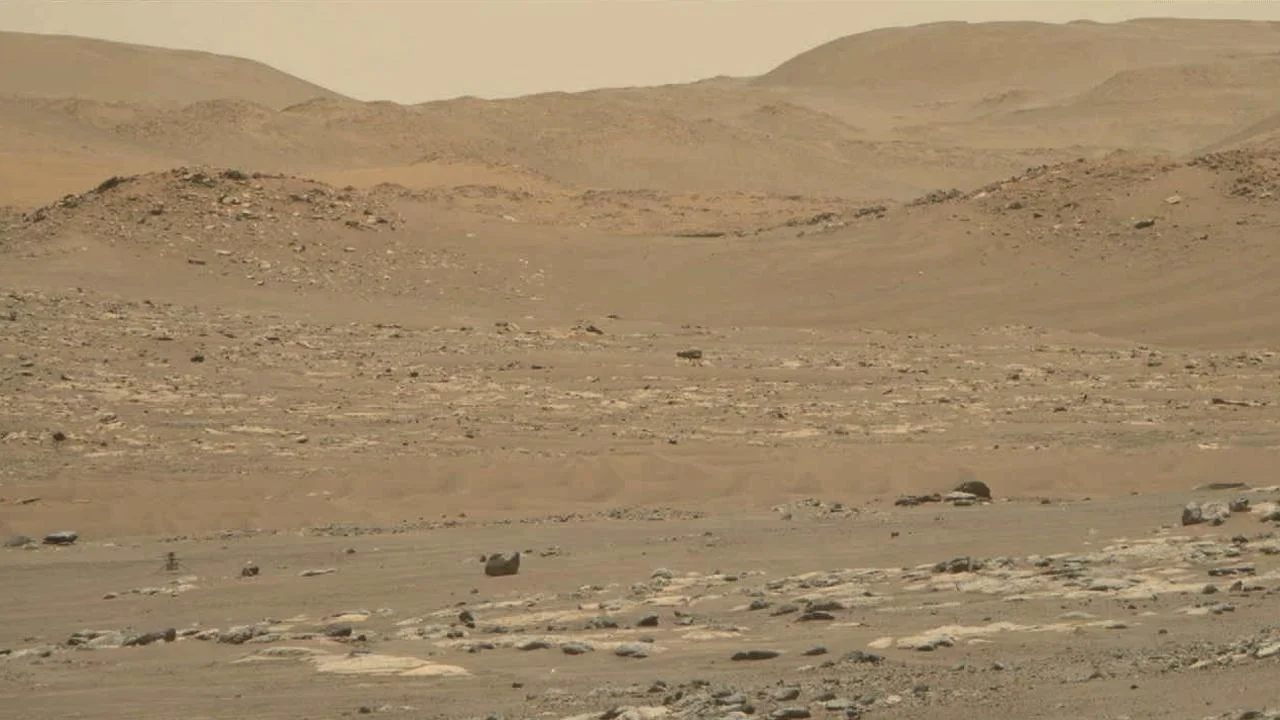
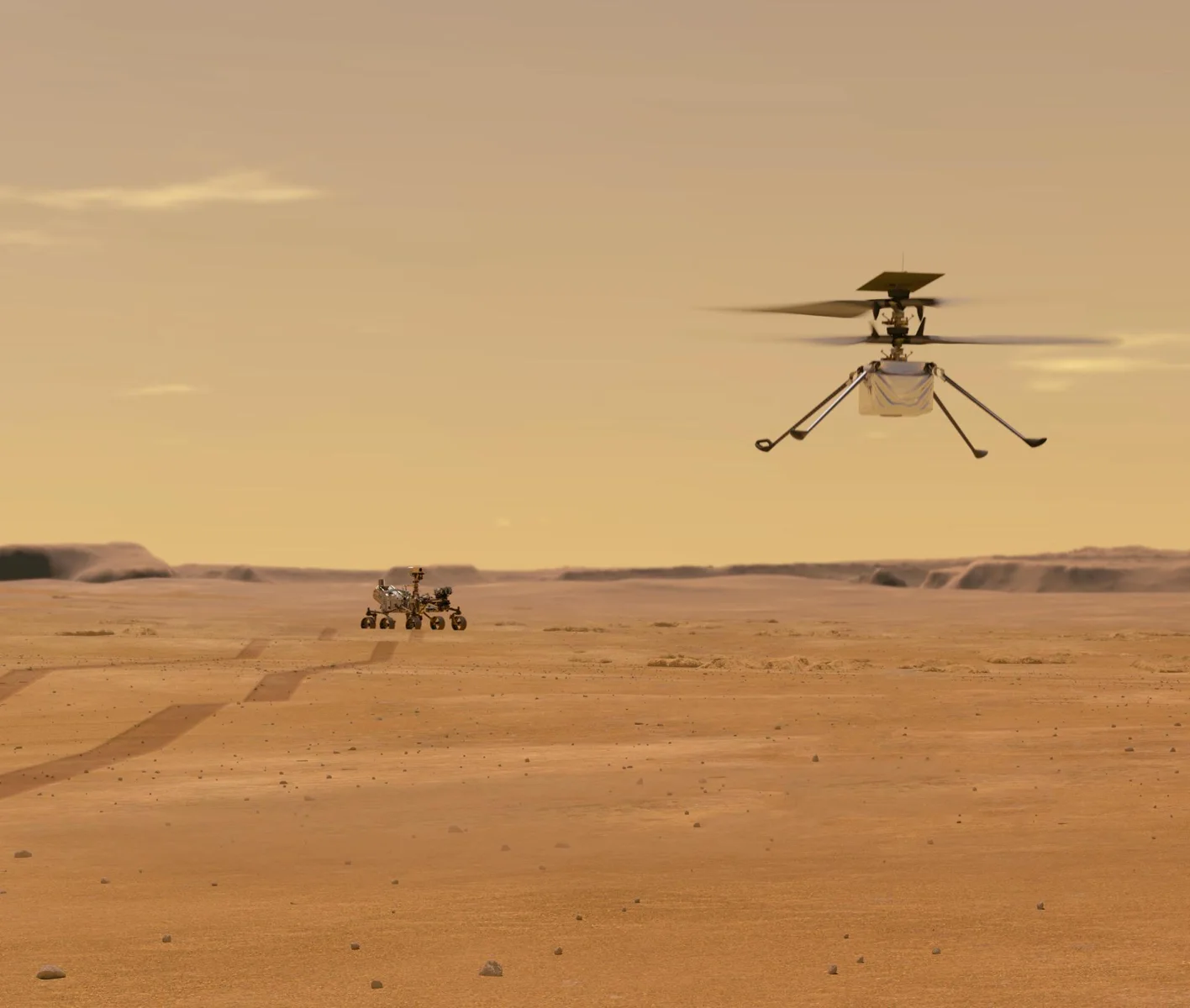
On April 19, 2021, NASA’s helicopter Ingenuity made history by performing the first powered, controlled flight on another planet. Stored aboard the Perseverance rover, Ingenuity lifted off, hovered, and completed a series of 72 flights covering more than 17 km of total distance. Over 1,036 sols (about 2 years and 10 months) it provided aerial reconnaissance, testing rotor blade durability and autonomous navigation in the harsh Martian environment. Its retirement came after rotor damage, but the data gathered continues to inform future designs.
Concepts for Future Aircraft
Since Ingenuity, several proposals have emerged, each targeting different scientific goals: - ARES (Aerial Regional‑scale Environmental Survey) aims to map atmospheric composition over large regions. - MAGE (Mars Airborne Geophysical Explorer) would carry magnetometers and seismic sensors. - Daedalus, a glider concept from the Mars Scout program, planned a 400 km flight across Valles Marineris. - Sky‑Sailor envisions a solar‑powered plane deploying micro‑robots for distributed measurements. Most concepts rely on electric motors powered by solar panels, though hydrazine has been explored for its ability to operate without atmospheric oxygen. Low Reynolds numbers in the Martian atmosphere mean that airflow behaves differently, prompting research into flexible, UV‑cured wing materials that can expand after deployment.
Testing on Earth and Lessons Learned
Prototype Mars aircraft have been tested at altitudes around 30 km on Earth, where the pressure roughly matches that on the Martian surface. These tests reveal that lift generation is highly sensitive to blade speed and surface finish. The Reynolds number—ratio of inertial to viscous forces—remains low, affecting stall characteristics and control surface effectiveness. Engineers also discovered that dust accumulation can quickly degrade turbine performance, as seen in a 1996 JPL experiment where a magnesium‑fuel turbojet clogged with carbon dust after reaching 30,000 RPM.
Looking Ahead: Piloted Flights and Beyond
Long‑term aspirations include crewed aircraft that could scout terrain, locate resources, or assist habitats. Such vehicles would need robust life‑support, radiation shielding, and reliable power sources—challenges that are currently the focus of research in both aerospace and planetary science communities. Even without humans on board, autonomous flyers could dramatically extend the reach of rovers, providing high‑resolution imaging and atmospheric sampling far beyond the rover’s immediate vicinity.
As we continue to push the boundaries of flight on Earth, each breakthrough brings us a step closer to sending our own mushroom farms soaring over the Martian landscape.
Sources
This article was prepared with AI assistance from the sources listed above and approved by the Mushroom 2 Mars team before publication.