A Brief History of Discovery
Europa was first spotted by Galileo Galilei on 8 January 1610, alongside its three larger siblings Io, Ganymede and Callisto. Simon Marius may have observed it independently a day later and later suggested the name after the mythic Phoenician princess who became Zeus’s lover. For centuries the moon was simply called Jupiter II, but the poetic name stuck in the mid‑20th century and is now used universally.
Orbit, Rotation, and Tidal Locking
Europa circles Jupiter every 3.55 days at a distance of roughly 670,900 km. Its orbit is almost perfectly circular (eccentricity 0.009) and only slightly inclined to Jupiter’s equator (0.47°). Like the other Galilean moons, Europa is tidally locked, meaning one face always points toward Jupiter. A subtle non‑synchronous rotation has been hinted at, but the dominant picture remains a locked hemisphere with Jupiter hanging directly overhead at the sub‑Jovian point.
Surface Features: Cracks, Streaks, and Unusual Smoothness
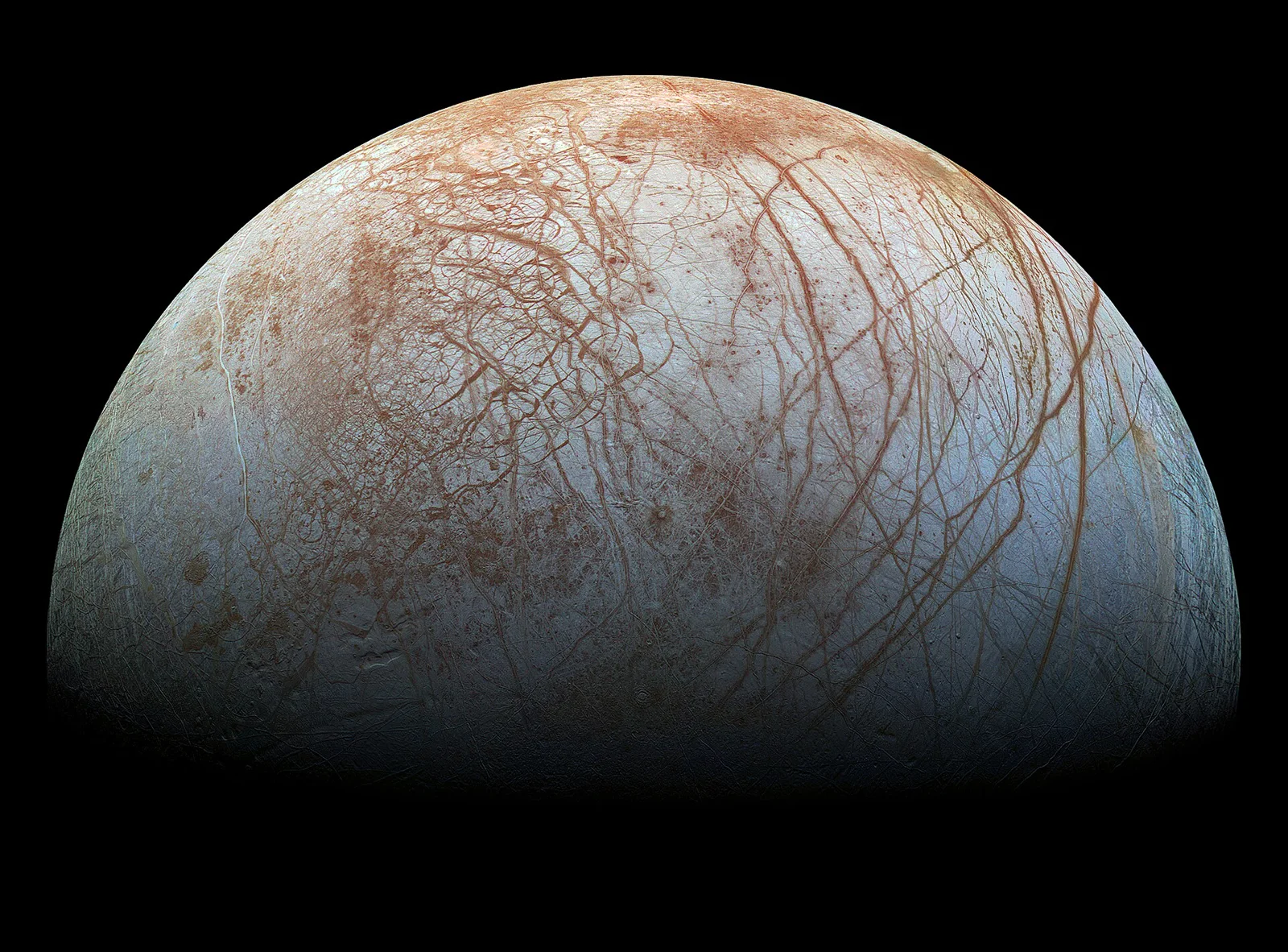
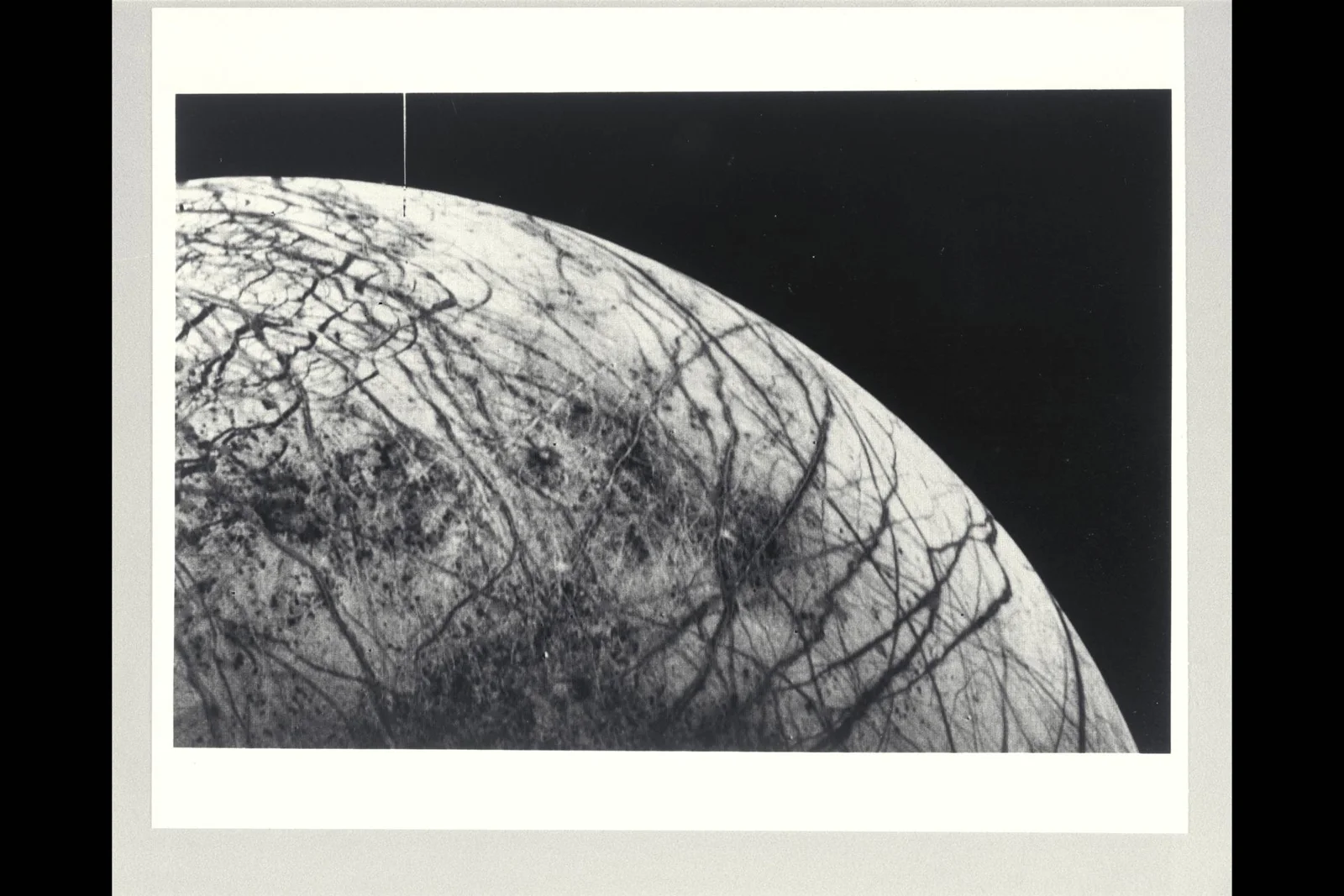
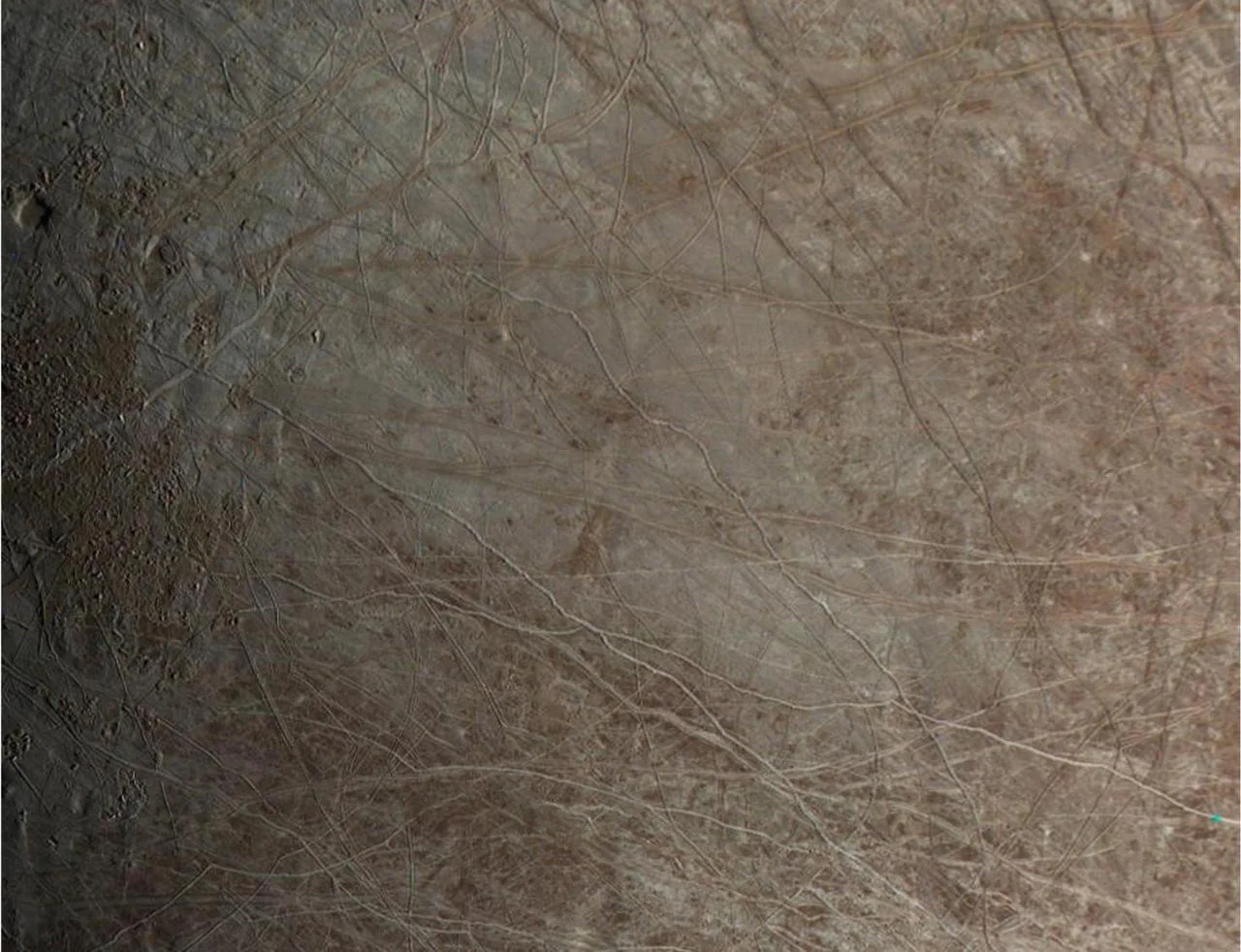
Through a modest telescope or binoculars, Europa appears as a pale, almost featureless disk. High‑resolution images from the Galileo mission reveal a surface riddled with light‑tan lineaments—fractures and ridges that criss‑cross the icy crust. The lack of large impact basins makes Europa the smoothest solid body known in the Solar System. Scientists attribute this youthful appearance to a subsurface ocean that continually reshapes the ice shell, much like Earth’s plate tectonics, but driven by tidal heating rather than mantle convection.
The Hidden Ocean and Its Habitability Potential
Beneath the cracked ice lies a global ocean estimated to be 60–100 km deep, sitting atop a silicate mantle that may contain an iron‑nickel core. Tidal flexing generates heat, keeping the water liquid despite the frigid exterior. Spectroscopic data suggest that salts from the ocean may coat some surface features, indicating exchange between the ocean and the seafloor. In 2018, analysis of Galileo data reinforced the presence of water‑vapor plumes—tiny geysers that could spray ocean material into space, offering a potential shortcut for future life‑search missions.
Current and Future Missions: From Flybys to Landers
Europa has been visited only by flybys so far. The Galileo spacecraft (1995‑2003) delivered the bulk of what we know, while NASA’s Juno probe skimmed within 320 km of the moon in September 2022, providing fresh close‑up imagery. The European Space Agency’s JUICE mission, launched in April 2023, will perform two Europa flybys on its way to Ganymede. NASA’s Europa Clipper, launched on 14 October 2024, is slated to conduct dozens of close flybys, mapping the surface, sampling plume material, and characterising the ice shell in unprecedented detail.
Why Europa Captivates Scientists and Dreamers Alike
The combination of a vast liquid ocean, a chemically active seafloor, and relatively young surface makes Europa a prime candidate in the search for extraterrestrial life. Even if we never land a probe directly on the icy crust, plume sampling could allow us to analyze ocean water without drilling through kilometers of ice. As humanity plans deeper exploration of the outer Solar System, Europa stands out as a world where the familiar—water—meets the alien, sparking both scientific curiosity and the imagination of future colonists.
Just as we imagine cultivating mushrooms in space, Europa reminds us that life‑supporting water may already be waiting beneath an alien sky.
Sources
This article was prepared with AI assistance from the sources listed above and approved by the Mushroom 2 Mars team before publication.