A Different Kind of Countdown
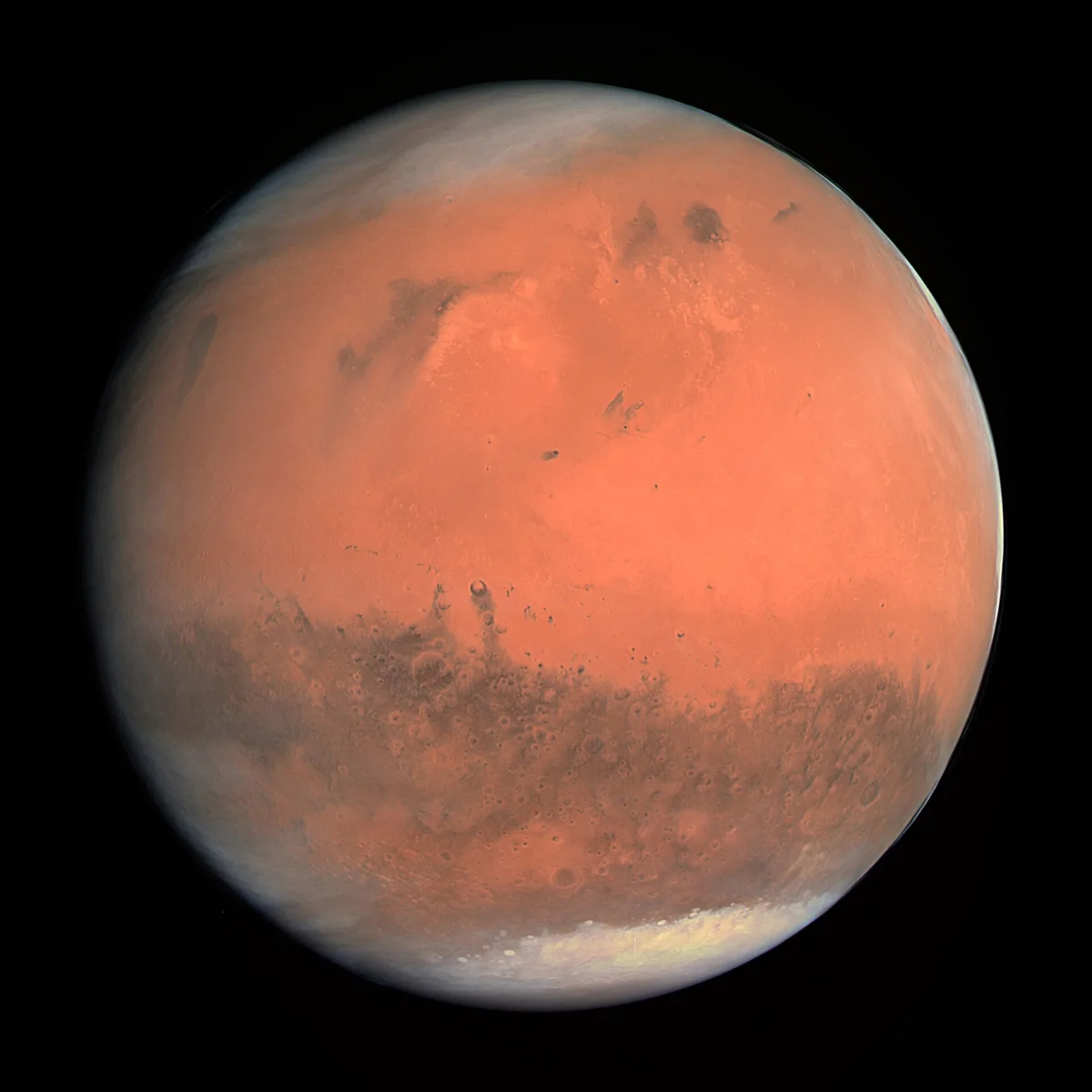
On 30 September 2026, at 10:16 CEST (08:16 UTC), the Red Planet will start a new orbit around the Sun, marking the beginning of its 39th martian year. Unlike Earth’s calendar, the martian year began with a historic dust storm in 1956, and the counting system was formalised back in 1955. If you’re curious about your "martian age," simply divide your Earth age by 1.88 – you’ll appear younger on Mars, at least in terms of elapsed time.

Sols, Years, and the Northern Equinox
A single Martian day, called a sol, lasts 24 hours 39 minutes, a bit longer than an Earth day. A full Martian year spans 687 Earth days, or 668 sols, which is almost twice as long as a year on Earth. The new year on Mars is tied to the northern spring equinox – the moment when the Sun shines directly over the planet’s equator, bringing daylight to both hemispheres. This timing is the opposite of Earth’s seasonal calendar: while it is spring in the northern hemisphere, the southern hemisphere experiences autumn.
Unequal Seasons on a Red World
Mars, like Earth, has four seasons, but they differ in length because the planet’s orbit is more elliptical. When Mars is closest to the Sun (perihelion), the southern hemisphere tilts toward the Sun, leading to a hotter, shorter summer there, while the northern summer is longer and milder. The axial tilt also means that during the northern winter, the southern hemisphere receives more sunlight, creating a dynamic climate pattern that scientists continue to study.
Dust Seasons and Extreme Weather
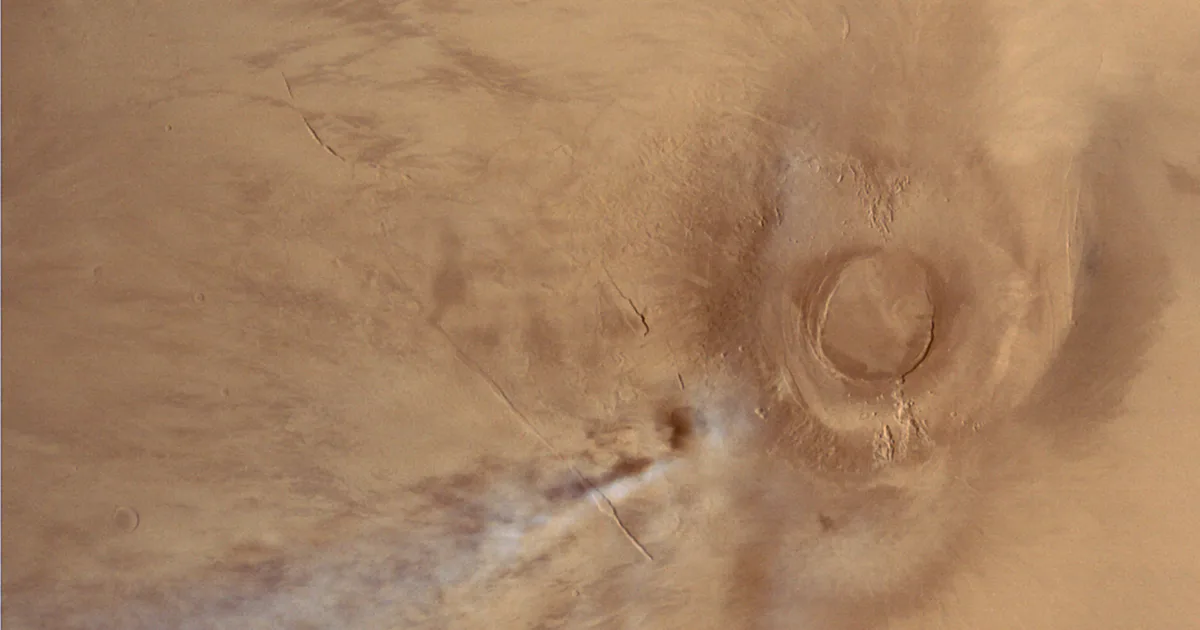
The second half of each martian year is notorious for dust storms that can engulf the entire planet. As Mars approaches perihelion, solar heating lifts fine dust particles from the surface. These particles absorb sunlight, warming the thin atmosphere and generating powerful winds that can loft dust high into the sky. One of the most striking weather features is the Arsia Mons elongated cloud, an ice‑crystal formation that can stretch up to 1 800 km.
Temperatures on Mars swing dramatically. On a summer noon, daytime highs can reach around 0 °C, but nighttime lows plunge to –60 °C. In winter, night temperatures can dip to a frigid –110 °C. These extremes pose challenges for future habitats and underline the importance of robust thermal design.
Looking Ahead: Future Martian New Years
The next few Martian New Years are already plotted: | Martian Year | Earth Date | |---|---| | 40 | 17 August 2028 | | 41 | 5 July 2030 | | 42 | 22 May 2032 | These dates give mission planners a clear timeline for future launches, habitat construction, and even cultural celebrations on the Red Planet. Imagine gathering with fellow colonists to ring in a new year under a sky dotted with the Arsia Mons cloud – a reminder that even on another world, the human impulse to mark time endures.
Whether you’re a space enthusiast or a budding mushroom farmer dreaming of Martian soils, the rhythm of the Martian calendar adds a fresh perspective on time, seasons, and the challenges of life beyond Earth.
Sources
This article was prepared with AI assistance from the sources listed above and approved by the Mushroom 2 Mars team before publication.