Part of the guide: Mushrooms: A Complete Guide to Identification, Cooking, and Cultivation
A Crown‑Shaped Coral Fungus
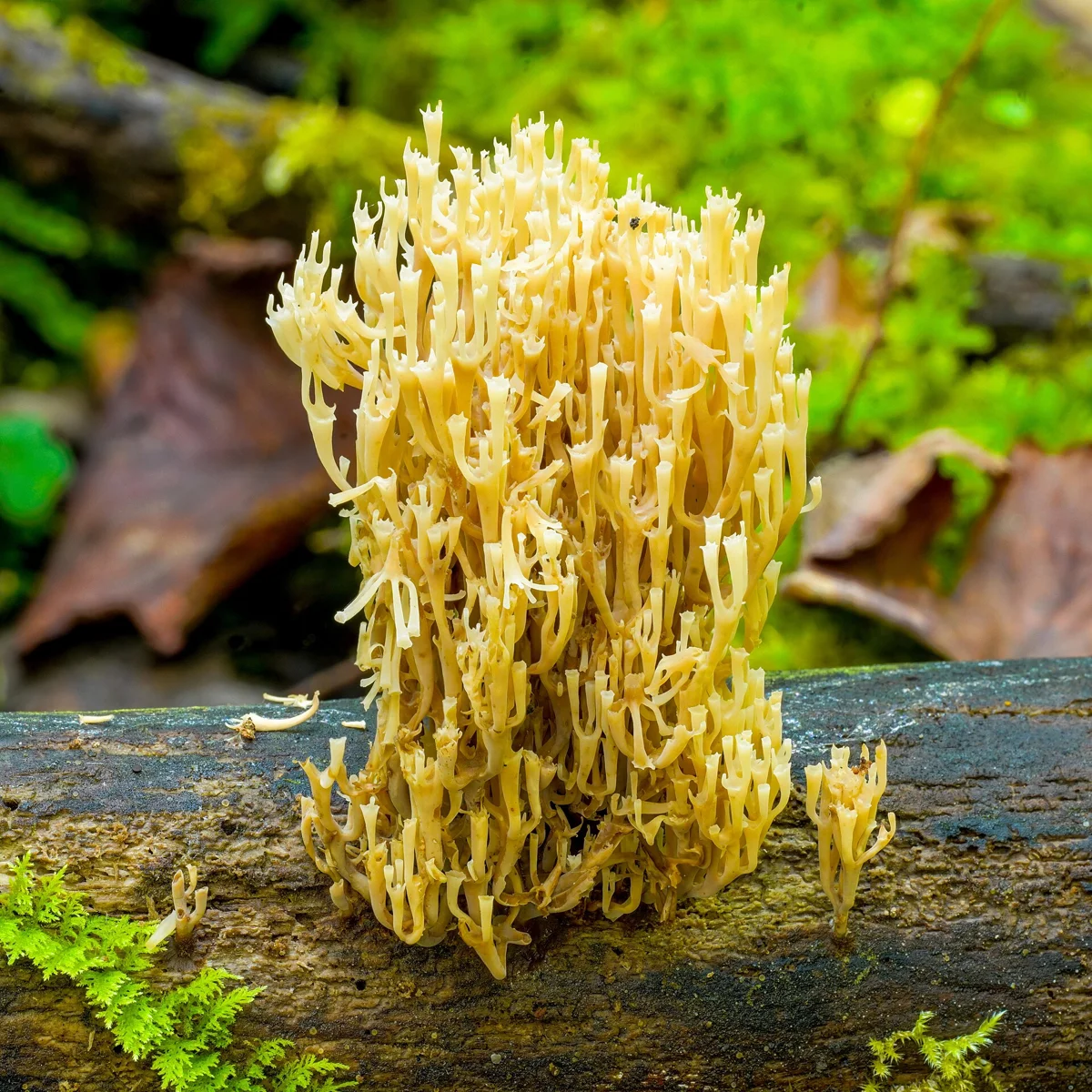
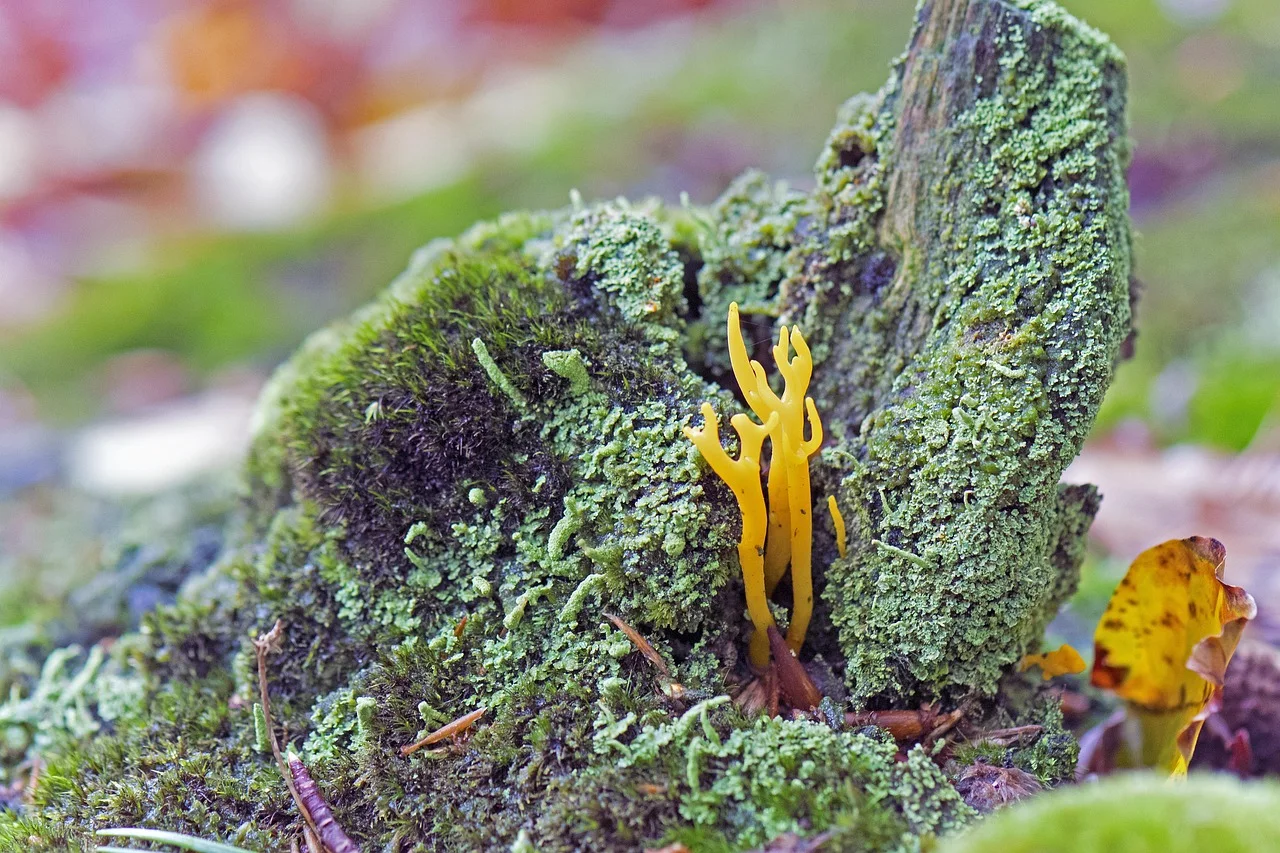
Artomyces pyxidatus, often called crown coral or crown‑tipped coral fungus, is a small coral‑like mushroom whose branching tips form a tiny crown. The species name pyxidatus means “box‑like,” a nod to that characteristic shape. Fruit bodies are hard, typically 4–10 cm tall, and range from cream to a light tan. The spore print is white, and the fungus produces basidia and basidiospores on the surface of its delicate branches.
Where It Grows
In eastern North America the fungus appears on decaying wood from June through September, and it is also common throughout northern Canada during the growing season. Though rare in western Europe, it has been recorded in Britain as recently as 2023, following a historic 1886 specimen. In the pine forests of northeastern India the mushroom is known locally as the “eight sisters of India.”
How to Tell It Apart
The crown‑like tips are the most reliable field mark. Similar coral fungi include species of Clavulina and Ramaria, but those lack the distinct crown. DNA work shows A. pyxidatus is closely related to members of the genera Russula, Lentinellus, and Auriscalpium vulgare. When foraging, always rely on expert identification—never eat wild mushrooms unless you are 100 % sure of the species.
Culinary Potential
While the fruit bodies are usually small, they are considered edible raw but are far tastier when cooked. Traditional recipes from tribal groups in northeast India often fry the fungus with chopped potatoes, creating a crisp, earthy side dish. When preparing, clean the pieces gently, sauté in butter or oil over medium heat, and cook until golden brown—about 5‑7 minutes. Serve as a garnish for grain bowls or as a standalone appetizer.
Bioactive Compounds
Laboratory cultures of A. pyxidatus have yielded several sesquiterpene molecules, including pyxidatols A‑C, tsuicoline E, and omphadiol. Research on these compounds is still early, and scientists are exploring potential antioxidant or antimicrobial properties, but no health claims can be made at this stage.
From Earth to Mars
Understanding the growth habits of diverse fungi like Artomyces pyxidatus helps inform sustainable food production in closed environments—knowledge that could one day support mushroom cultivation on Martian habitats.
Sources
This guide is not a foraging or identification manual. Many edible mushrooms have toxic look-alikes. Never eat a wild mushroom unless an expert has identified it in person.
This article was prepared with AI assistance from the sources listed above and approved by the Mushroom 2 Mars team before publication.