Diving Into a Simulated EVA
During the SEA STAR mission, a team of aquanauts lived 22 feet (7 m) below the surface in the Jules’ Undersea Lab off Florida. Their "spacesuits" were standard scuba gear modified with gloves and powerful flashlights. The goal was to mimic the constraints of an Extravehicular Activity (EVA) in space—limited mobility, low visibility, and no easy way to bail out.
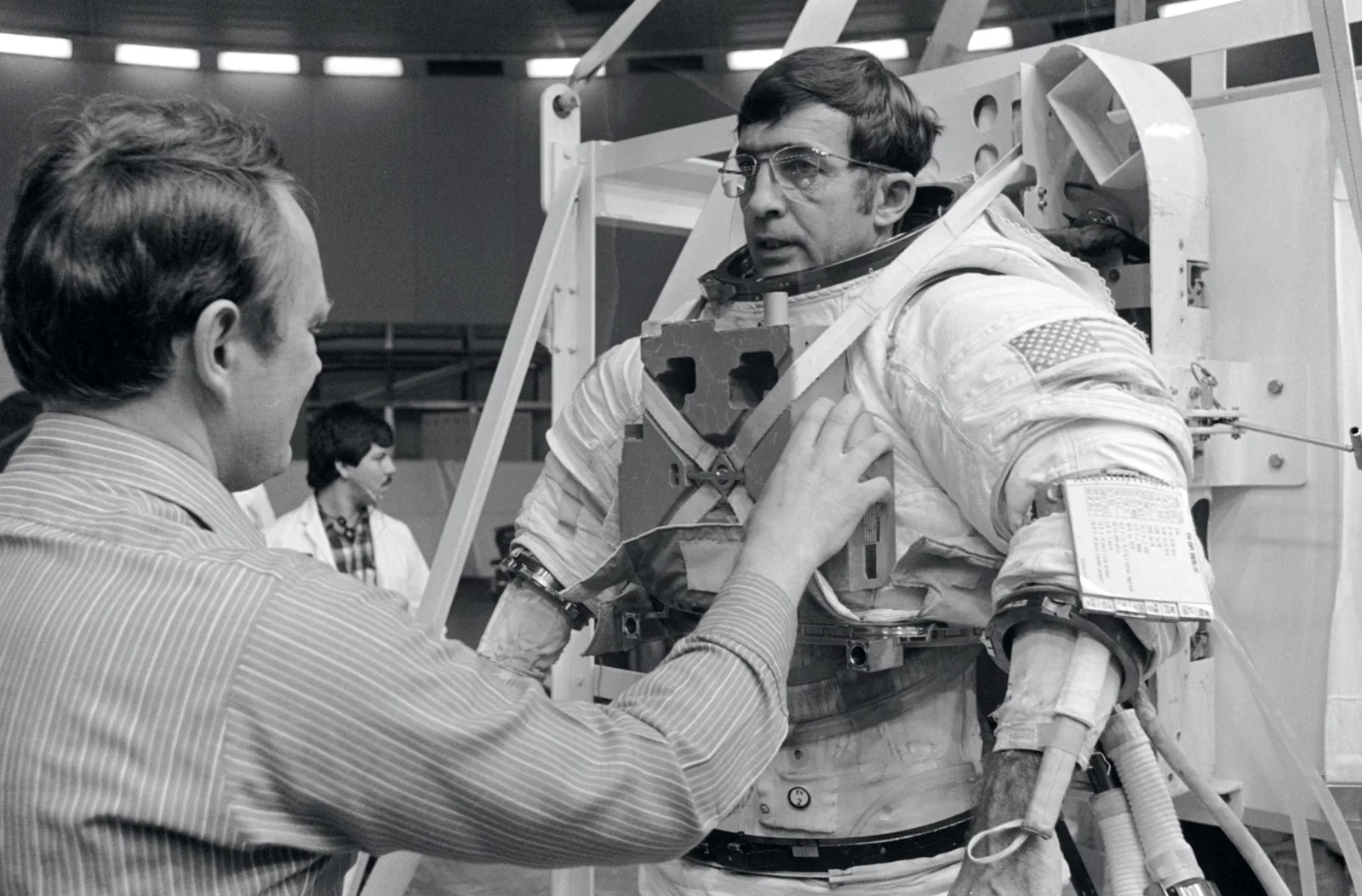
The Weight Difference Between Real and Analog Suits
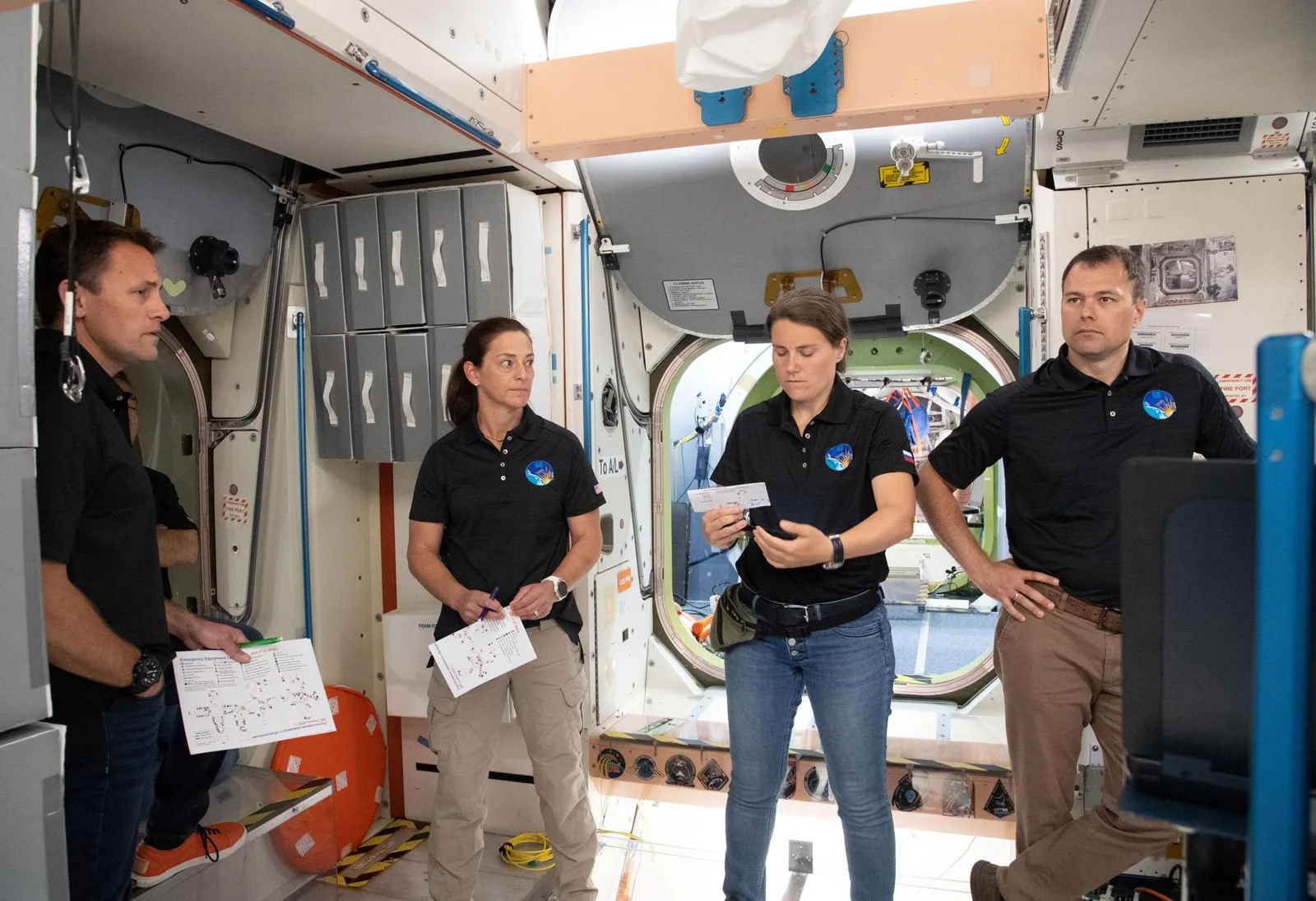
A full‑size space suit on the International Space Station can weigh about 310 lb (141 kg) when equipped with life‑support hardware. In contrast, analog suits used for underwater training are limited to roughly 30 lb (14 kg). While the mass is far lower, the inability to simply remove the helmet and breathe ambient air creates a psychological pressure similar to that felt by astronauts.
Why Gloves and Flashlights Matter
Gloves protect divers from sharp marine growth such as barnacles, but they also restrict dexterity—a direct parallel to the bulky gloves astronauts wear during real EVAs. Flashlights become essential in the murky water, where visibility may be only a few feet. This limited sight forces crew members to stay close together and rely on precise hand signals, mirroring the visual‑communication challenges faced when radio systems fail in space.
Communication Without Words
Before each underwater EVA, the crew rehearsed primary and backup procedures. During the dive they used standard scuba hand‑signs and invented mission‑specific gestures. This visual language proved valuable for land‑based analog missions, where communication hardware can be unreliable. The emphasis on clear, concise signals helps prevent the kind of missteps that could jeopardize a spacewalk.
Managing Fear and Orientation
Even with meticulous planning, the unknown can provoke anxiety. In open‑water diving, a lost diver would ascend to the surface, but the SEA STAR crew was committed to a five‑day saturation stay, eliminating that safety net. The low‑visibility environment forced the commander to refine navigation skills, constantly checking orientation and staying within sight of teammates.
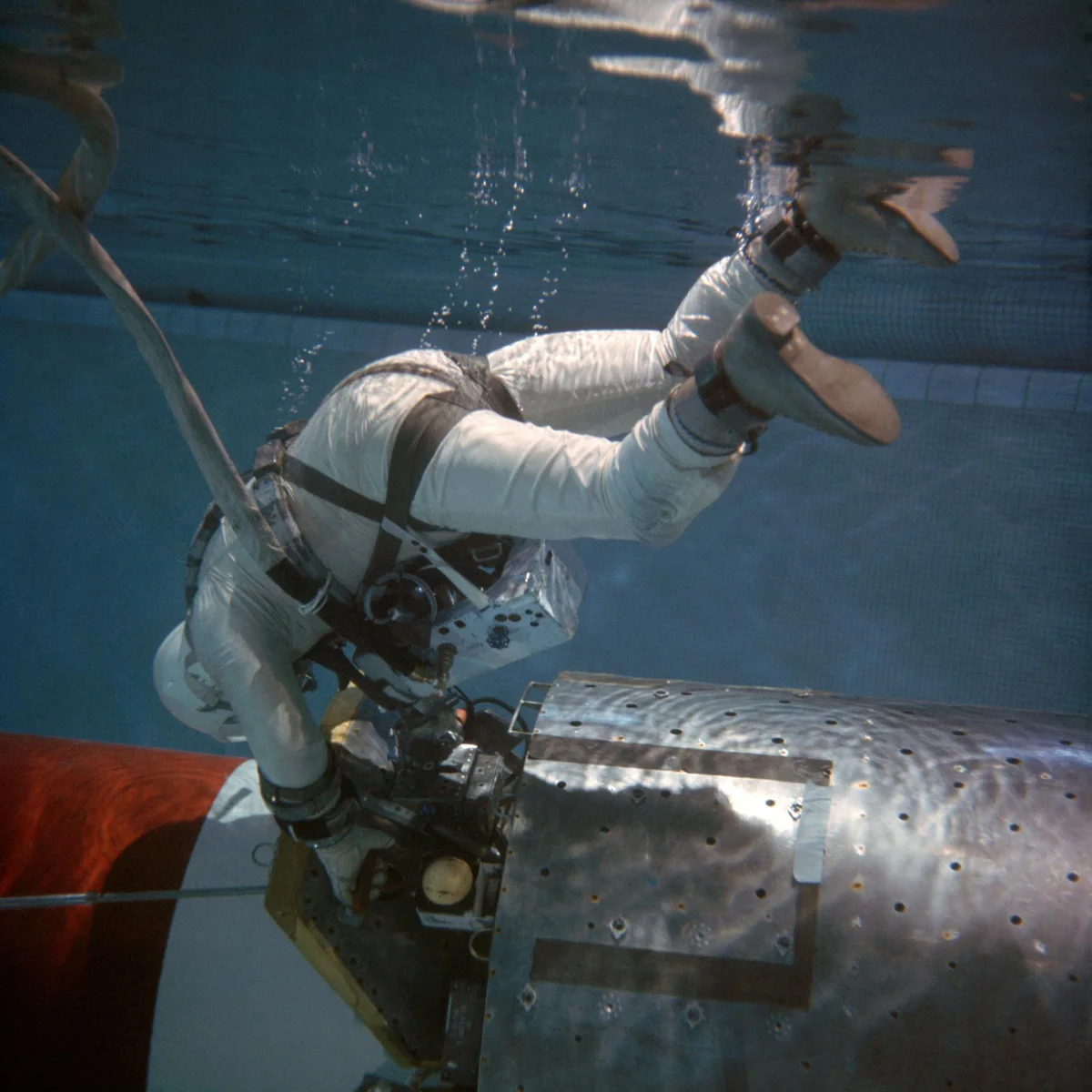
Translating Underwater Experience to Martian Missions
The physiological stresses of saturation diving—such as nitrogen absorption and pressure‑related health risks—share similarities with the isolation and confined habitats astronauts will encounter on Mars. By confronting equipment failures, communication breakdowns, and limited mobility underwater, crews build resilience that will be essential for long‑duration planetary exploration.
The next step for mushroom growers on Earth may be to test cultivation techniques in underwater labs, just as space agencies test EVA protocols beneath the sea—both seeking to push the boundaries of life in extreme environments.
Sources
This article was prepared with AI assistance from the sources listed above and approved by the Mushroom 2 Mars team before publication.