A historic lift‑off from Florida
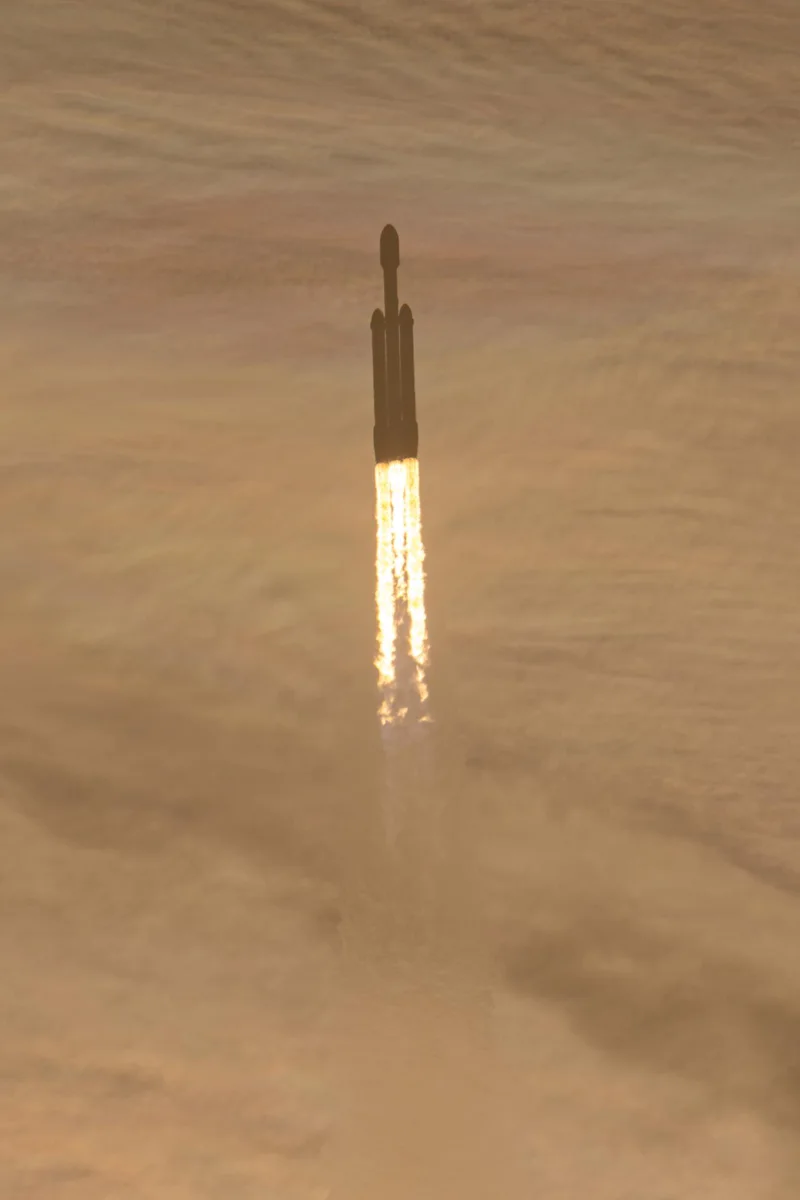
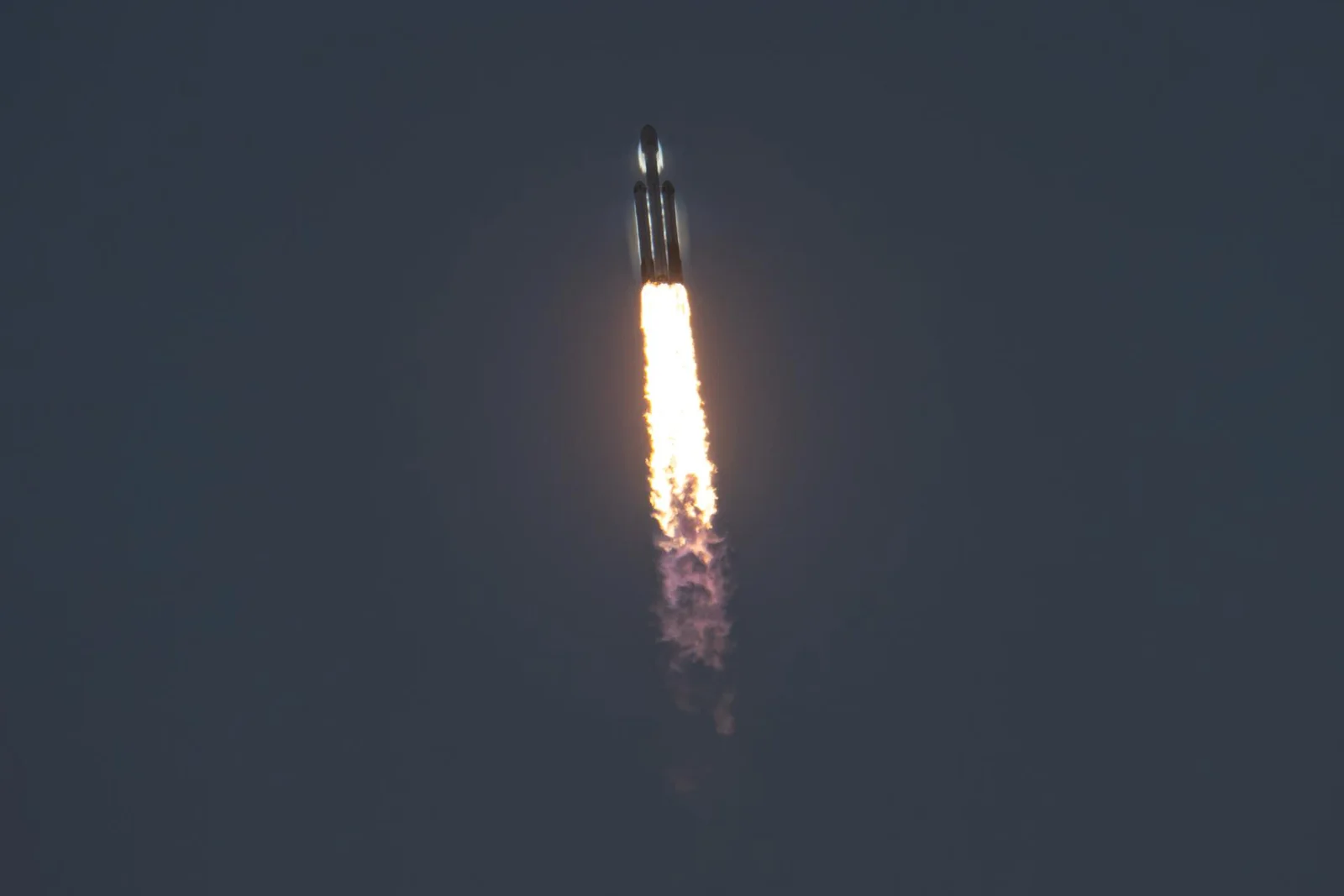
On 30 August 2026, NASA’s Nancy Grace Roman Space Telescope rode to space aboard a SpaceX Falcon Heavy from Launch Complex 39A at Kennedy Space Center. The launch occurred at 07:26 EDT (12:26 BST, 13:26 CEST). The powerful rocket carried the 2.4‑metre primary‑mirror telescope into a trajectory toward the Sun‑Earth Lagrange 2 (L2) point, roughly 1.5 million km from Earth. The launch image shows the Falcon Heavy silhouetted against the Sun, a striking reminder of the scale of modern spaceflight.
Why Roman matters: dark energy, dark matter and exoplanets
Roman’s primary science goal is to chart the expansion of the Universe. By measuring the clustering of galaxies and the light from thousands of Type Ia supernovae, astronomers hope to determine whether dark energy – the mysterious force accelerating cosmic expansion – is constant or evolving over time. A clearer picture of dark energy would reshape cosmology.
At the same time, Roman will conduct an unprecedented census of exoplanets. Its wide‑field infrared vision can detect cold worlds and even free‑floating planets that drift without a host star. The mission is expected to add thousands of new planets to the catalogue, expanding our view of planetary diversity in the Milky Way.
The telescope’s key instruments
Roman carries two sophisticated payloads. The Wide Field Instrument (WFI) provides a panoramic view of the sky, covering an area 100 times larger than that of the Hubble Space Telescope in a single exposure. Its sharp infrared imaging enables deep surveys of distant galaxies and faint supernovae.
The Coronagraph Instrument is a technology demonstrator designed to block out a star’s glare, allowing direct imaging of orbiting exoplanets. While its primary purpose is to test coronagraphic techniques for future missions, the data will also contribute to the exoplanet census.
Heading to L2: a stable observing platform
After launch, Roman will travel to the second Sun‑Earth Lagrange point (L2), a gravitational sweet spot where the combined pull of Earth and the Sun balances the spacecraft’s inertia. Positioned there, Roman enjoys an unobstructed view of deep space, free from Earth’s shadow and atmospheric interference. Like ESA’s Euclid and the James Webb Space Telescope, Roman will orbit L2 in a wide halo, staying well outside the Moon’s orbit.
The first three months will be devoted to a series of deployments, calibrations, and system checks. Once commissioning is complete, the mission will begin regular science operations, releasing its first images to the public and scientific community. Roman is designed for a minimum of five years of science observations, with enough consumables for a second five‑year extension.
International partnership: ESA’s vital contributions
Roman is a NASA‑led mission, but the European Space Agency (ESA) provides essential hardware and support. ESA supplied star trackers, batteries, and the detectors for the coronagraph instrument. In addition, ESA’s deep‑space ground‑station network, anchored by a new 35‑metre antenna in New Norcia, Australia, will handle communications and data download. ESA Director of Science Carole Mundell praised the collaboration, noting that the partnership “opens new windows on the cosmos.”
Looking ahead: discoveries and surprises
Beyond its planned surveys, Roman’s combination of depth, area, and image quality leaves room for the unexpected. ESA’s Roman Project Scientist Bethan James highlighted the potential for serendipitous findings, from novel galaxy structures to rare astrophysical phenomena. As the telescope begins its five‑year trek across the infrared sky, the data will feed into models of cosmic evolution and inform the design of future space observatories.
And as we map distant worlds, the dream of growing mushrooms on Mars feels a little closer—both endeavors rely on careful observation and international teamwork.
Sources
This article was prepared with AI assistance from the sources listed above and approved by the Mushroom 2 Mars team before publication.