Part of the guide: Mushrooms: A Complete Guide to Identification, Cooking, and Cultivation
The Arctic Landscape and the Rarity of Fungi
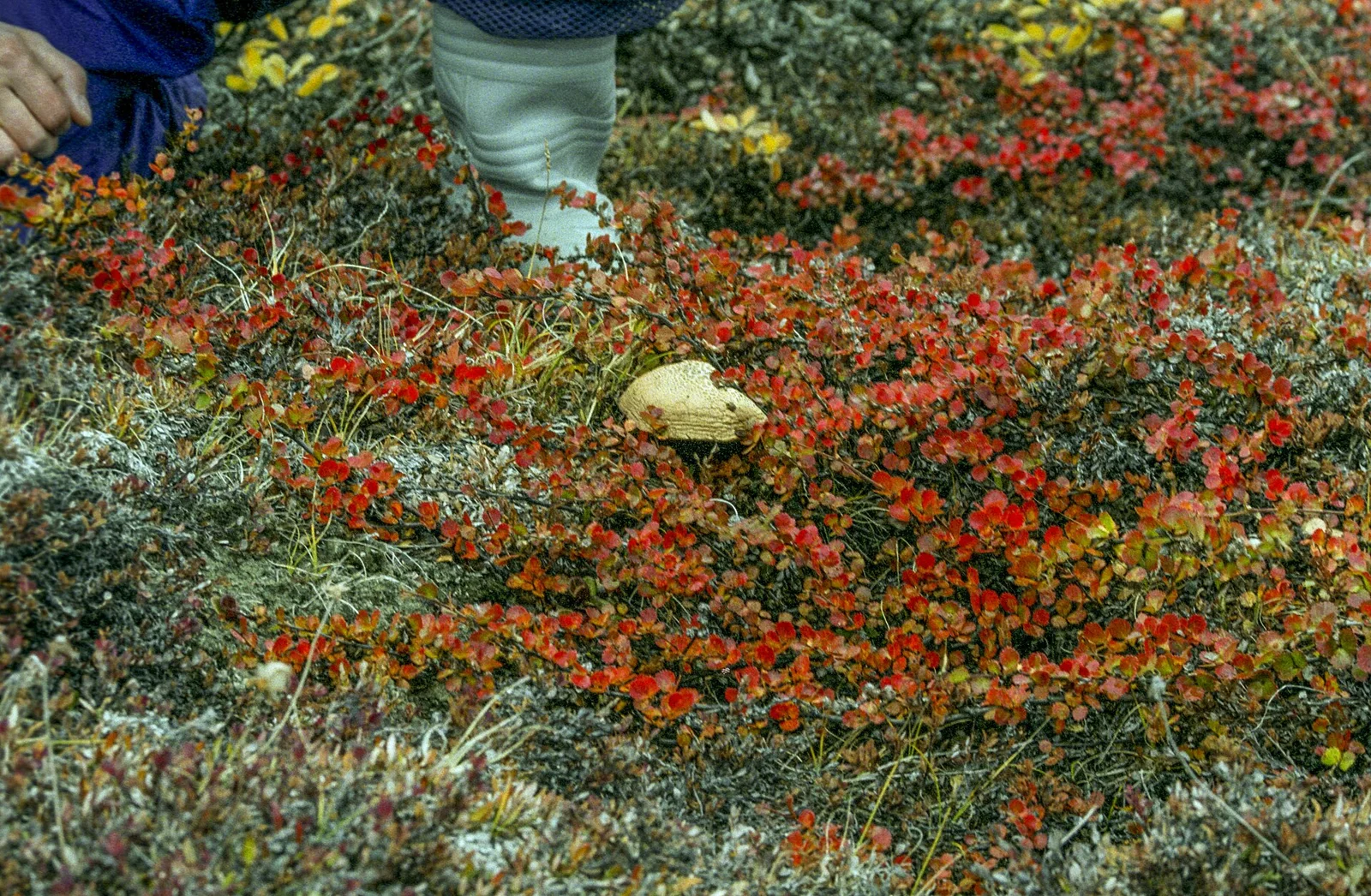
In the high‑latitude environment of Greenland, the harsh climate limits the growth of most fungal species. Only a handful of cold‑adapted mushrooms, such as Clitocybe spp. and a few Mycena varieties, manage to fruit during the brief summer melt. Because edible fungi are scarce, they have historically occupied a special place in Inuit oral tradition, often appearing in stories that emphasize respect for the natural world and the unseen forces that govern it.
Sea‑Spirit Gifts in Traditional Tales
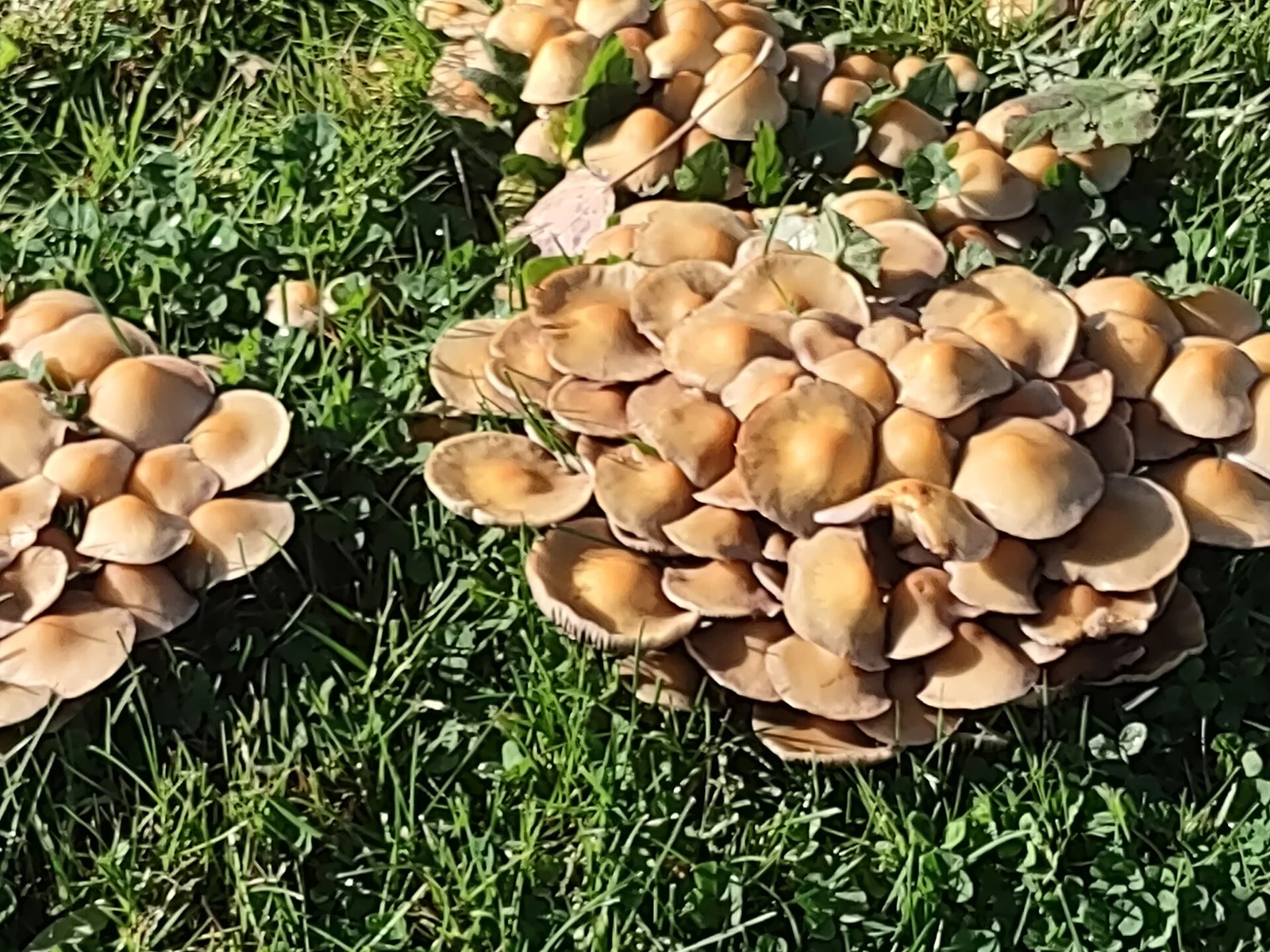
One recurring motif in Inuit narratives is the appearance of mushrooms as gifts from the sea‑spirit, known locally as Aningaaq. According to the collection of stories compiled by anthropologist Knud Rasmussen in the early 20th century, a fisherman once discovered a cluster of small, bright‑colored caps growing near the shoreline after a storm. The tale recounts that the sea‑spirit offered the mushrooms to the fisherman as a token of gratitude for respecting the ocean’s bounty. The story ends with the fisherman sharing the modest harvest with his family, reinforcing the value of communal sharing.
Cautionary Warnings About Overreach
In contrast, other Inuit legends warn against seeking mushrooms indiscriminately. A well‑known cautionary story tells of a young hunter who ventured deep into a tundra melt‑water stream, hoping to find the “golden caps” spoken of in whispers. He ignored the elders’ advice to stay close to familiar paths. The narrative describes how the hunter became lost, and the mushrooms he finally found turned out to be bitter and inedible, symbolizing the consequences of ignoring communal knowledge. Scholars such as Dr. A. K. Rasmussen note that these warnings serve to protect the community from both physical danger and the potential misuse of scarce resources (Rasmussen, Inuit Folklore, 1933).
Symbolic Meanings: Balance and Respect
Mushrooms in Inuit oral tradition often embody the principle of balance—a core concept in Arctic Indigenous worldviews. The sea‑spirit’s gift represents a harmonious exchange: the ocean provides, the people receive modestly, and gratitude is shown in return. Conversely, the cautionary tales underscore the importance of humility and adherence to communal guidance. This duality mirrors the broader Inuit ethic of living in sync with the environment, where excess is discouraged and stewardship is celebrated.
Contemporary Revivals and Cultural Preservation
Today, Inuit cultural organizations are working to record and revitalize these mushroom stories as part of broader language preservation initiatives. The Inuit Circumpolar Council has supported community workshops where elders recount traditional narratives, including those featuring fungi, to younger generations. By documenting these oral histories, the community not only safeguards intangible heritage but also raises awareness of the ecological significance of the few Arctic mushrooms that do appear each year.
Connecting Tradition to the Future of Space Farming
The Mushroom 2 Mars project draws inspiration from such stories, imagining fungi as ambassadors that travel from sea‑spirit realms to distant worlds. While the Arctic tales remind us of the rarity and reverence of mushrooms on Earth, they also encourage a respectful approach to cultivating fungi beyond our planet, echoing the same balance that Inuit narratives have cherished for centuries.
Sources
- Inuit Folklore: Tales of the Sea‑Spirit and Nature
- Arctic Fungi: Distribution and Cultural Significance
- Knud Rasmussen’s Collection of Greenlandic Oral Traditions
This article was prepared with AI assistance from the sources listed above and approved by the Mushroom 2 Mars team before publication.