What is Cordyceps?
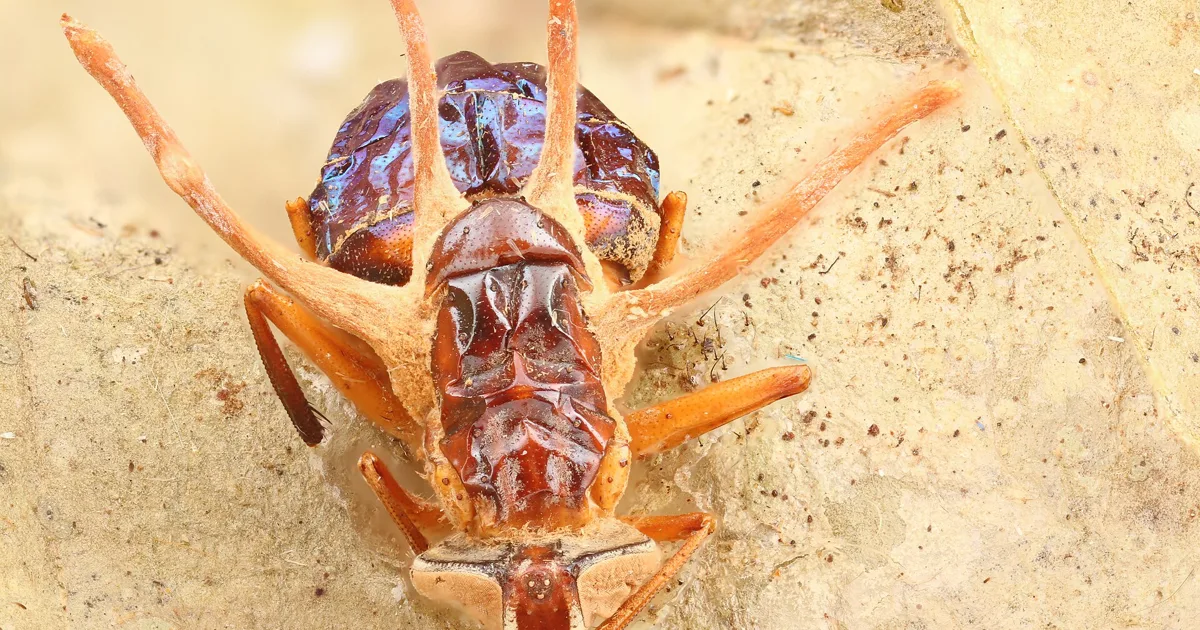
Cordyceps is a genus of sac fungi (ascomycetes) that contains more than 260 described species worldwide. Most members are entomopathogenic, meaning they parasitize insects or other arthropods, and a few attack other fungi. The name comes from the Greek kordýlē (“club”) and the Latin ‑ceps (from caput, “head”), reflecting the club‑shaped fruiting bodies that emerge from infected hosts.
Taxonomy – A Shifting Landscape
Historically, Cordyceps was split into several subgenera. Modern DNA studies have reorganized the group: - Cordyceps subgen. Cordyceps and subgen. Cordylia remain within the core genus. - The former subgenus Ophiocordyceps—home to the famous “zombie‑ant” fungus—has been elevated to its own genus after molecular work showed it is distant from the type species C. militaris. - Other lineages such as Epichloë, Metacordyceps, and Elaphocordyceps have also been split off. These changes illustrate how fungal classification is evolving as genetic tools improve.
Life Cycle – From Insect to Spore‑Bearing Stalk
When a Cordyceps spore lands on a suitable insect, the germinating mycelium penetrates the cuticle and spreads through the host’s body. Over days to weeks the fungus consumes internal tissues, eventually killing the host. A fruiting body (the ascocarp) then sprouts from the cadaver, often protruding like a slender stalk. Inside the ascocarp are tiny flask‑shaped structures called perithecia that house the sexual spores (ascospores). When mature, these spores are released into the environment to infect new insects, completing the cycle.
Traditional Use in Chinese Medicine
For more than 1,500 years, various Cordyceps species have been recorded in Chinese materia medica. Practitioners have used dried fruiting bodies or extracts to support vitality, boost stamina, and aid recovery after exertion. The most celebrated species in these texts is Cordyceps sinensis (now placed in Ophiocordyceps), prized for its rarity and high market value. While the historical record is clear about these uses, modern scientific validation remains limited.
What Modern Research Shows
Scientists have isolated several bioactive compounds from Cordyceps, notably: - Polysaccharides that may modulate immune responses in laboratory models. - Cordycepin (3′‑deoxyadenosine), a nucleoside analogue studied for its antiviral and anti‑inflammatory properties in cell cultures. Clinical trials involving human participants are few and generally small, and systematic reviews conclude that the evidence is insufficient to confirm therapeutic effects. In other words, while laboratory work is intriguing, we cannot yet say whether Cordyceps extracts provide measurable health benefits.
Cultural Footprint – From Forests to Fiction
Cordyceps captured popular imagination through works like The Last of Us and The Girl with All the Gifts, where a fictional species jumps from insects to humans, creating a zombie‑like scenario. Scientific commentary notes that real Cordyceps species have indeed been “making zombies” for millions of years—though only among insects such as ants and tarantulas.
Growing Cordyceps for the Future
Cultivating Cordylices on a commercial scale is challenging because many species require a living insect host. However, advances in liquid fermentation and substrate engineering now allow production of fruiting bodies and extracts without insects, opening possibilities for sustainable supply. For the Mushroom 2 Mars community, these techniques could support a closed‑loop bioreactor that produces nutritionally rich fungal biomass during long‑duration space missions.
Imagine a Martian greenhouse where Cordyceps‑derived supplements help astronauts stay energetic while the fungi themselves recycle waste—another step toward a thriving off‑world ecosystem.
Sources
This article is for general information only and is not medical advice. Do not use it to diagnose or treat any condition; talk to a doctor about health questions.
This article was prepared with AI assistance from the sources listed above and approved by the Mushroom 2 Mars team before publication.