Part of the guide: Mushrooms: A Complete Guide to Identification, Cooking, and Cultivation
Enzymes: The Molecular Tools of Saprotrophs
Saprotrophic fungi obtain nutrients by secreting enzymes that break down complex polymers in dead organic matter. Two major substrate groups dominate forest floors: woody debris (branches, trunks, stumps) and leaf litter. Research shows that wood‑decaying fungi invest heavily in lignin‑degrading enzymes such as lignin peroxidase, manganese peroxidase, and versatile peroxidase, because lignin is the most recalcitrant component of wood (Floudas et al., 2022). In contrast, leaf‑litter specialists prioritize cellulases, hemicellulases, and pectinases that target the abundant polysaccharides in leaves (Riley & Lilleskov, 2023). The differing enzyme portfolios reflect the chemical makeup of each substrate and shape the fungi’s ecological role.
Niche Specialization: From Stumps to the Forest Floor
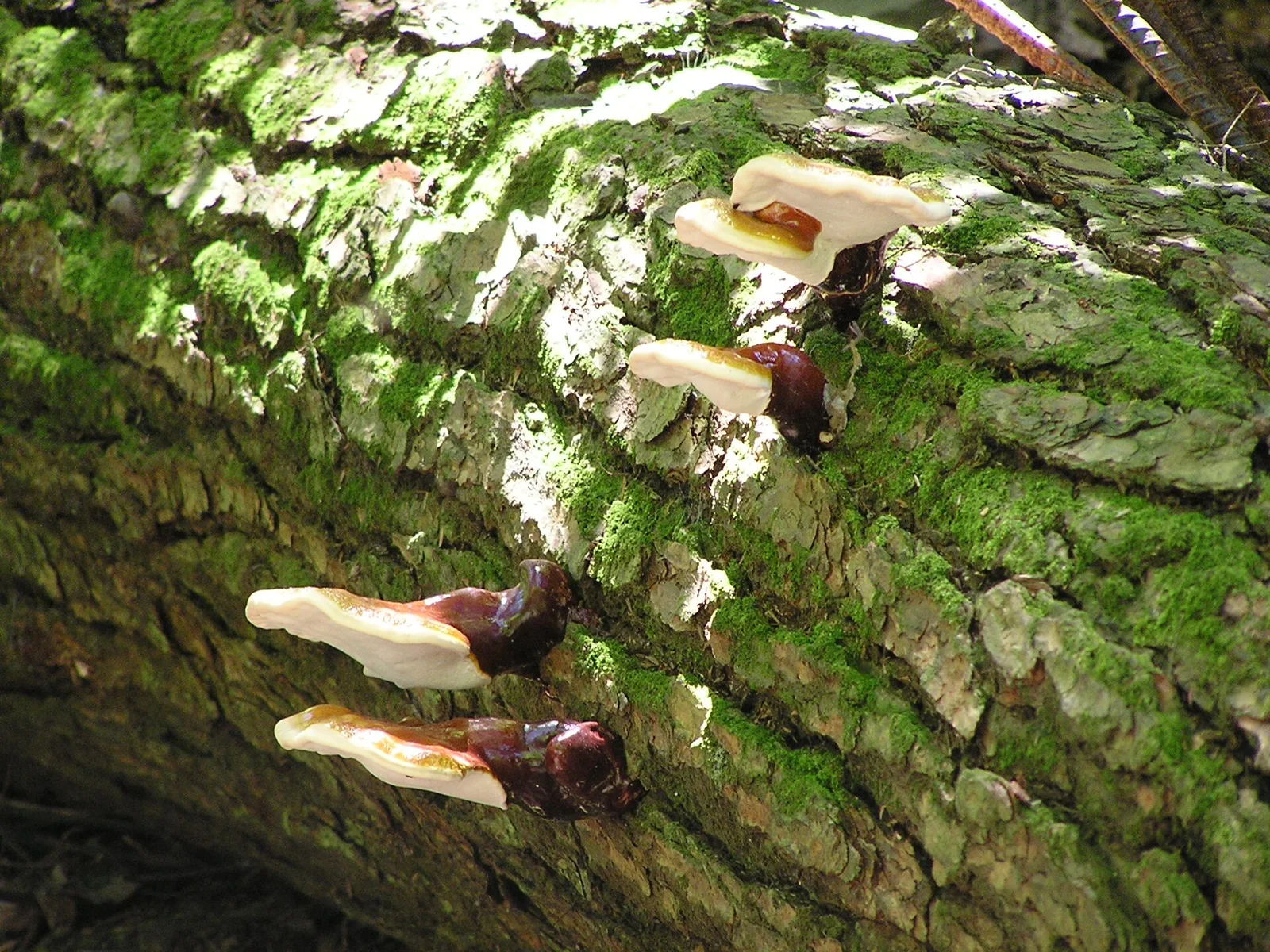
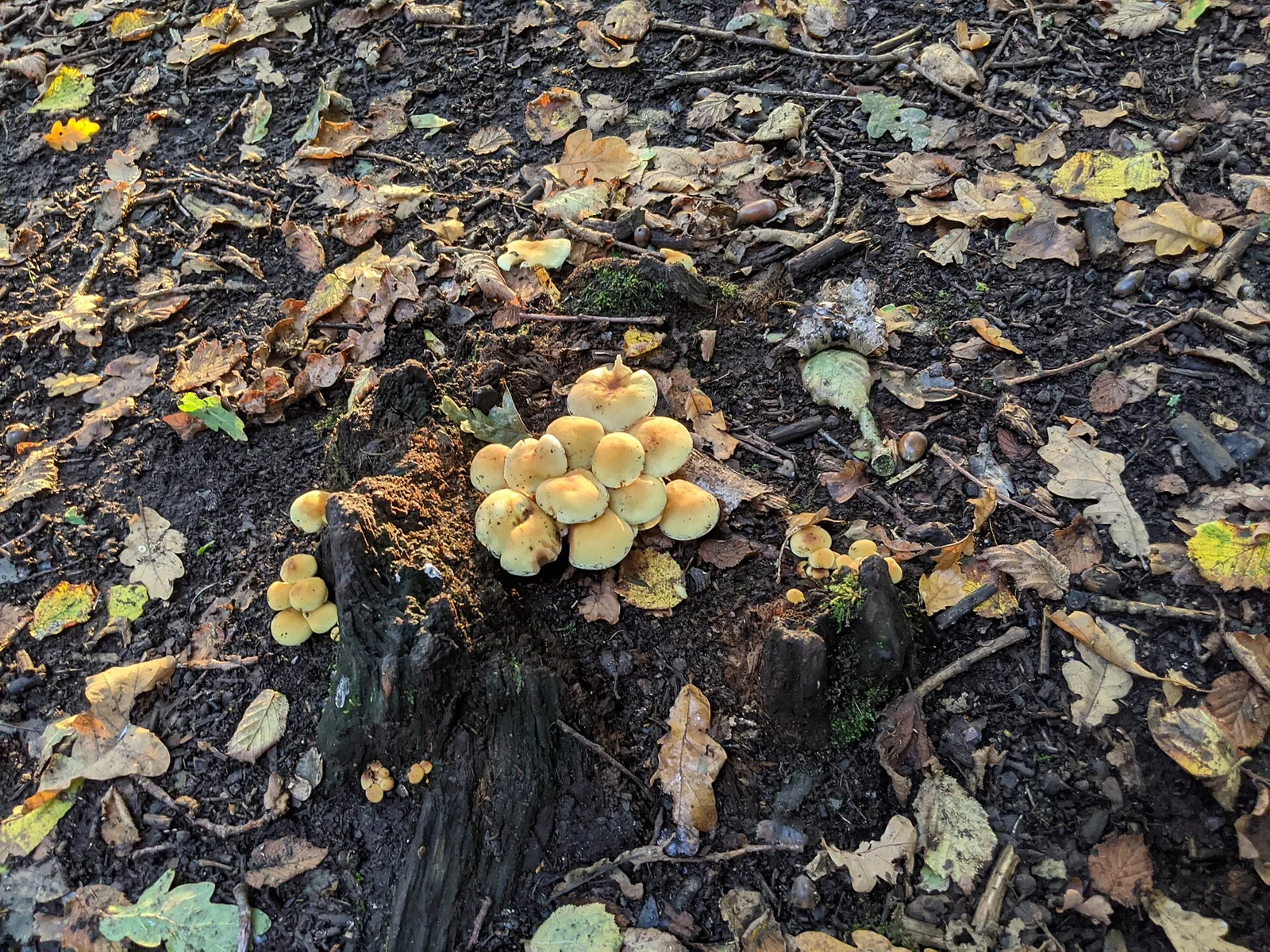
Wood‑decaying fungi, often called white‑rot or brown‑rot species, colonize the interior of logs where moisture is relatively stable. White‑rot fungi completely mineralize lignin, leaving a whitish, fibrous residue, while brown‑rot fungi modify lignin only enough to access cellulose, producing a brown, crumbly texture. Leaf‑litter fungi, by contrast, operate in a highly variable micro‑environment: temperature swings, rapid moisture loss, and a constantly changing litter layer. This leads many leaf‑litter specialists to adopt a generalist strategy, producing a broader suite of enzymes that can act on diverse polysaccharides (Kohler et al., 2021).
Genomic Insights: What DNA Tells Us
Comparative genomics has revealed that wood‑decayers possess larger gene families for oxidative enzymes. A 2022 comparative study of 30 basidiomycete genomes found that species with a primary wood‑decay lifestyle had, on average, 1.8‑times more genes encoding ligninolytic peroxidases than leaf‑litter specialists (Floudas et al.). Conversely, leaf‑litter fungi showed an expansion of carbohydrate‑active enzyme (CAZyme) families targeting hemicellulose and pectin. These genomic signatures support the observed enzymatic activity and illustrate how evolutionary pressure tailors the fungal toolbox to the substrate.
Ecological Consequences: Carbon Cycling and Soil Health
The distinct enzymatic strategies have far‑reaching impacts on forest carbon dynamics. Wood‑decaying fungi release carbon dioxide slowly as they break down lignin over years to decades, contributing to long‑term carbon storage in woody debris. Leaf‑litter fungi accelerate carbon turnover, converting fresh litter into humus within months. This rapid processing enriches soil organic matter, improves nutrient availability, and supports plant growth (Riley & Lilleskov, 2023). Understanding these pathways helps model how forests respond to climate change, as shifts in temperature and moisture could favor one saprotrophic guild over the other.
Applications Beyond the Forest: From Bioremediation to Space Agriculture
The powerful oxidative enzymes of wood‑decayers are being explored for industrial bioremediation, such as breaking down pollutants like polycyclic aromatic hydrocarbons. Meanwhile, the robust carbohydrate‑active enzymes of leaf‑litter fungi are of interest for biofuel production, where efficient cellulose breakdown is crucial. In the context of closed‑loop life‑support systems—like the mushroom‑farming experiments planned for Mars habitats—choosing the right saprotrophic partner could optimize waste recycling and nutrient regeneration. A blend of wood‑decaying and leaf‑litter fungi may provide complementary breakdown of organic waste streams, supporting sustainable cultivation in extraterrestrial environments.
Looking Ahead: Integrating Multi‑Substrate Fungi
Future research aims to map the full spectrum of saprotrophic strategies, including fungi that can switch between wood and leaf substrates. Metatranscriptomic studies are beginning to capture how gene expression shifts when a fungus encounters a new substrate, revealing a dynamic enzymatic response rather than a fixed repertoire (Kohler et al., 2021). For forest managers, growers, and space biologists, these insights open the door to tailored fungal inoculants that match the specific organic material available, whether it’s a pile of timber chips or a composted leaf bed.
Whether on Earth’s forest floor or a future Martian greenhouse, the diversity of fungal enzymatic strategies reminds us that even the smallest organisms play a massive role in turning dead matter into new life.
Sources
- Comparative genomics of wood- and leaf-litter saprotrophic fungi
- Enzyme portfolios of forest saprotrophs and their role in carbon turnover
- The oxidative machinery of white-rot basidiomycetes
This article is for general information only and is not medical advice. Do not use it to diagnose or treat any condition; talk to a doctor about health questions.
This article was prepared with AI assistance from the sources listed above and approved by the Mushroom 2 Mars team before publication.