A Historic Vote From Low Earth Orbit
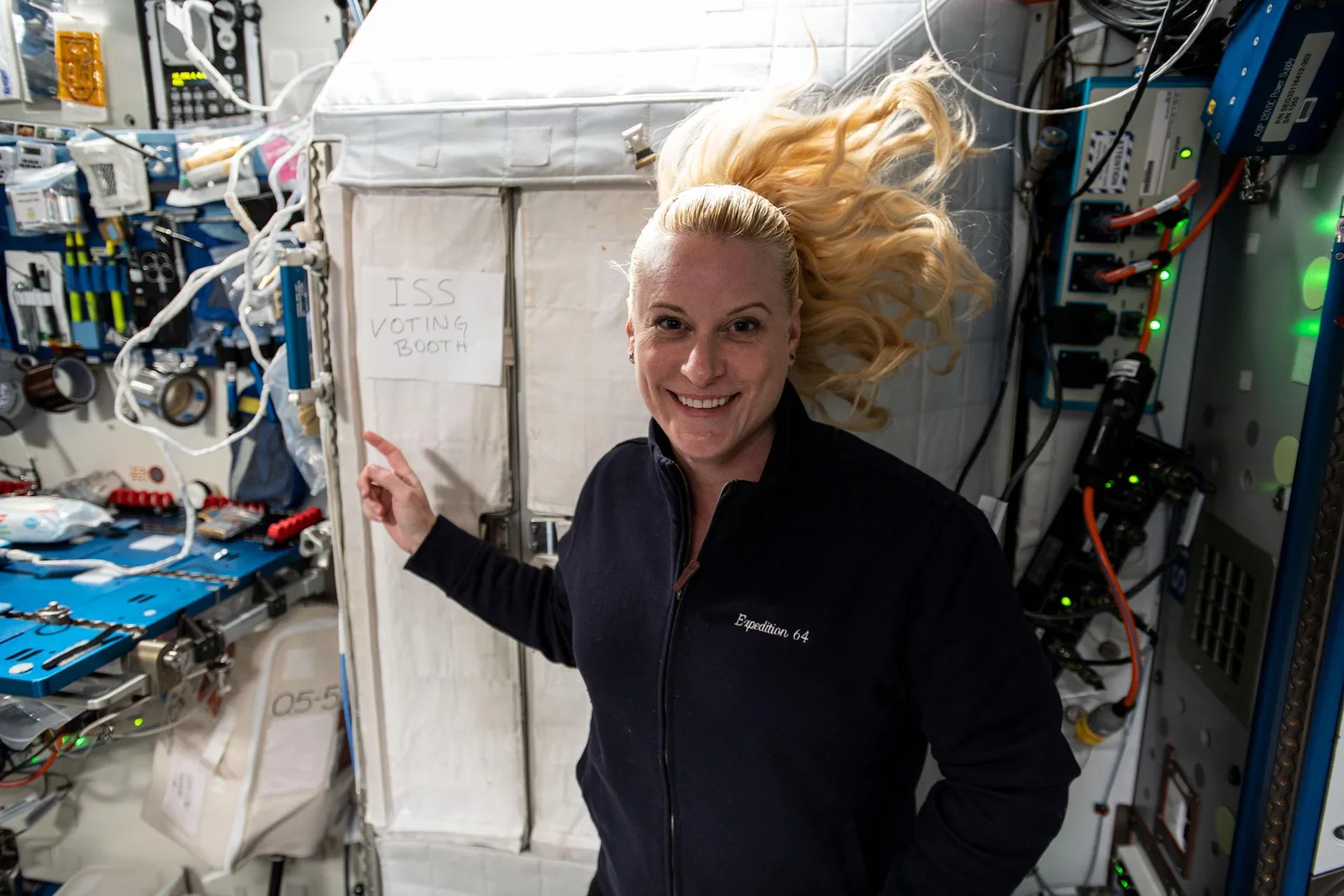
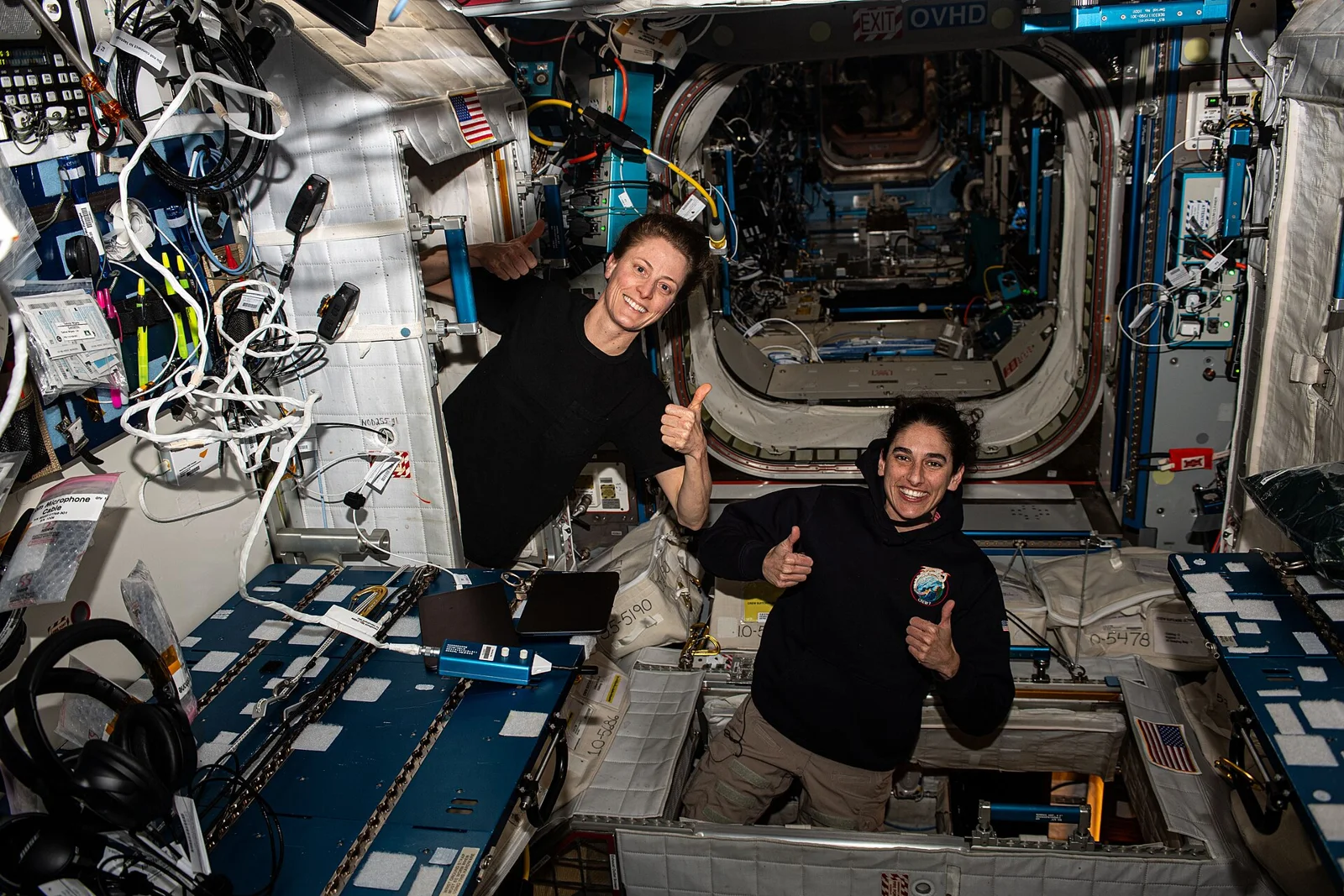
On November 3, 2024 three NASA crew members – Anil Menon, Luke Delaney and Jessica Watkins – completed their civic duty by voting in the U.S. midterm elections while living aboard the International Space Station (ISS). The astronauts posted a short video from their “voting booth,” which was simply the private cabin where Menon’s laptop was set up. The image of an astronaut in a floating chair, stickered with an “I voted” badge, quickly went viral, reminding us that even the most remote humans remain part of the democratic process.
The Legal Path That Made Space Voting Possible
The ability to vote from orbit traces back to a 1997 Texas law. Texas, home to NASA’s Johnson Space Center, passed legislation explicitly allowing residents to cast absentee ballots while outside the state’s borders – even beyond Earth’s atmosphere. The first astronaut to use the law was David Wolf, who mailed an electronic ballot from the Russian Mir station in 1997, the same year the law took effect. The ISS did not host a crew until November 2000, but the legal framework was already in place for future space‑based voting.
How the Ballot Travels From the ISS to the County Clerk
The process is a blend of traditional absentee voting and modern satellite communications. Before launch, each astronaut completes a Federal Post Card Application to request an absentee ballot from their home county – in this case Harris County, Texas, the jurisdiction that includes the Johnson Space Center.
- Electronic Form Completion – Once aboard the ISS, the astronaut logs onto a secure NASA computer and fills out an electronic ballot.
- Relay via TDRS – The completed form is sent through NASA’s Tracking and Data Relay Satellite System (TDRS), a network of geostationary satellites that provide near‑continuous communication with the station.
- Ground Reception at White Sands – The data downlinks to a ground antenna at the White Sands Test Facility in New Mexico.
- Transfer to Mission Control – From White Sands, the encrypted ballot is forwarded to the Johnson Space Center’s Mission Control Center.
- Delivery to the County Clerk – Finally, Mission Control hands the ballot to Harris County officials, who count it alongside the other absentee votes.
Encryption ensures that only the astronaut and the county clerk can read the ballot, preserving its integrity throughout the journey.
The Crew’s Voting Experience
Menon, Delaney and Watkins each spent a few minutes in their private cabins, selecting candidates and answering ballot questions on the laptop. The video posted by Menon shows the astronaut floating gently, a reminder of the micro‑gravity environment that makes even simple tasks feel different. After confirming the submission, the system displayed a confirmation screen, and the astronauts could relax knowing their votes were safely on their way to Earth.
A Growing Tradition of Space Civics
Since Wolf’s 1997 vote, a handful of astronauts have exercised their right to vote from orbit. Each instance has required careful coordination between the astronaut, NASA, and local election officials. The 2024 midterm vote marks the first time three crew members voted simultaneously from the ISS, reflecting both the increasing length of crew stays and the expanding awareness of the importance of civic participation, even for those living off‑planet.
Why It Matters for Future Deep‑Space Missions
As humanity plans longer missions – lunar bases, Mars habitats, and perhaps commercial habitats in orbit – the question of how citizens will vote from distant locations becomes more pressing. The ISS workflow demonstrates a viable model: secure electronic ballots, encrypted transmission via space‑based relays, and coordination with terrestrial election infrastructure. Lessons learned now could inform protocols for future explorers who may be months or years away from Earth when elections occur.
From Earth to Mars: A Small Step for Democracy
The ability of astronauts to vote from the ISS shows that democratic processes can adapt to new frontiers. For those of us dreaming of sending mushroom farms and human settlements to Mars, it’s reassuring to know that even the most basic civic rights can travel with us across the solar system.
Sources
This article was prepared with AI assistance from the sources listed above and approved by the Mushroom 2 Mars team before publication.