Part of the guide: Mushrooms: A Complete Guide to Identification, Cooking, and Cultivation
Why Texture Matters in Morel Beds
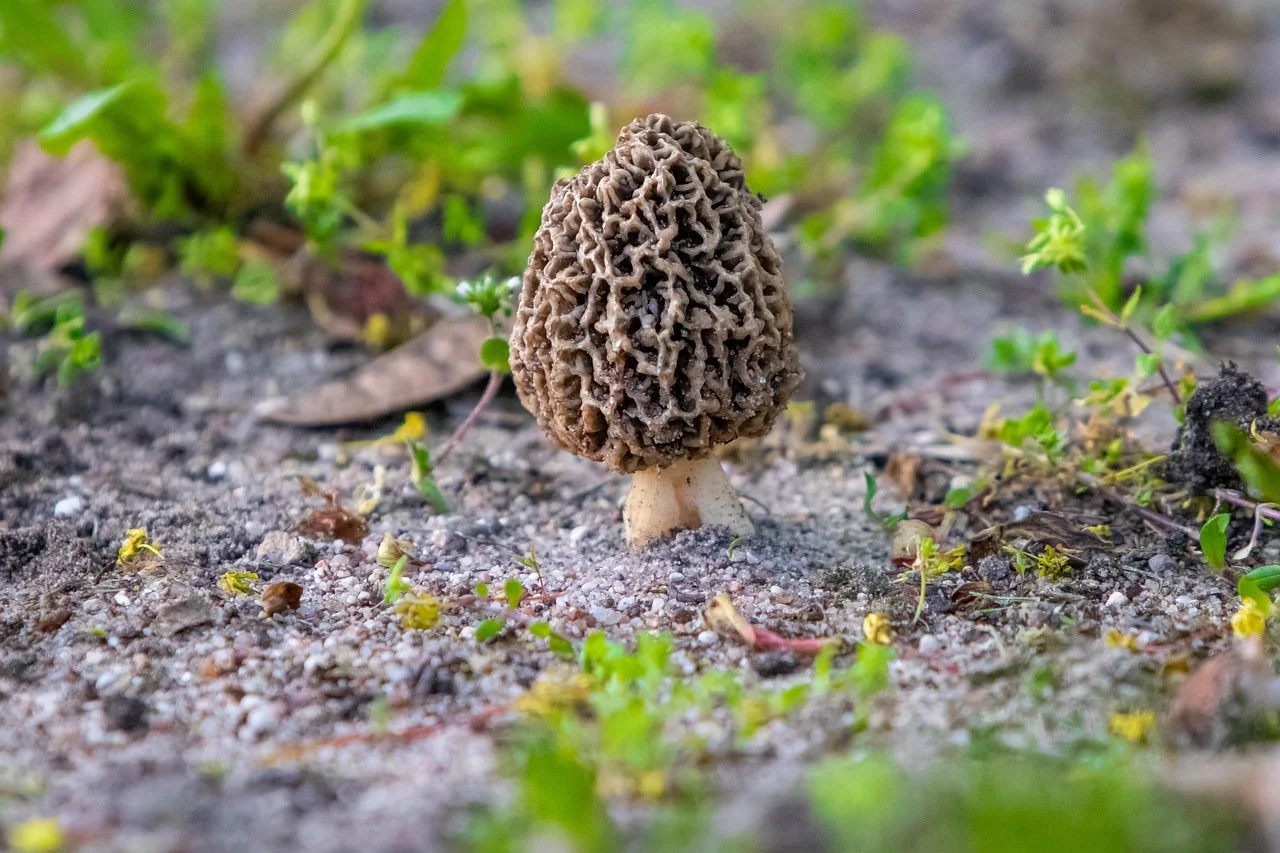
Morel (Morchella spp.) growers know that a well‑balanced substrate is the key to consistent fruiting. The fungus needs enough air pockets to exchange oxygen and carbon dioxide, but it also requires a moisture‑retentive matrix so the mycelium can spread. Traditional mixes—often a blend of hardwood sawdust, straw, and compost—can become compacted over time, limiting gas exchange and slowing colonization. Adding a coarse, inert material creates channels for airflow while still holding water within the finer components. Crushed walnut shells are an attractive option because they are hard, lightweight, and naturally resistant to decay.
Walnut Shell Particle Size: What the Research Shows
A 2022 study in Mycological Progress examined several woody grit additives for morel spawn production. Researchers compared pine bark chips, rice hulls, and walnut shell fragments ground to three size ranges: fine (≤1 mm), medium (1–3 mm) and coarse (3–5 mm). The medium‑sized walnut particles provided the highest mycelial growth rate, measured by colony diameter after 14 days, and maintained the most stable water potential in the substrate (J. Liu et al., 2022). The authors suggested that particles larger than 5 mm created too much air space, allowing the substrate to dry out, while particles smaller than 1 mm behaved like additional sawdust, reducing porosity.
Optimal Mixing Ratios for Aeration and Moisture Retention
Field trials reported by the University of Michigan’s Department of Plant and Soil Sciences (2023) tested walnut shell additions at 5 %, 10 % and 15 % of total dry weight in a standard morel mix (hardwood sawdust + compost + gypsum). The 10 % inclusion gave the best balance: the substrate’s bulk density dropped by roughly 8 % compared with the control, improving air permeability, while the water‑holding capacity decreased only 4 %—enough to keep the bed consistently moist without becoming waterlogged. Fruit body yields in the 10 % treatment were on average 12 % higher than the control, though the authors noted that local climate and inoculation timing also influence outcomes.
Practical Steps for Home Growers
- Source Clean Walnut Shells – Obtain shells from a reputable nut processor or purchase bulk food‑grade shells online. Rinse them thoroughly to remove residual oils and let them air‑dry.
- Crush to the Right Size – Use a kitchen mortar and pestle, a small hammer, or a grain mill set to a coarse setting. Aim for fragments between 1 mm and 3 mm; a quick visual check against a ruler can help.
- Sanitize – Spread the crushed shells on a baking sheet and bake at 180 °C (350 °F) for 30 minutes. This step kills any competing spores without altering the shell’s structure.
- Blend with Base Substrate – For a 10 % walnut‑shell mix, combine 900 g of your usual substrate (sawdust + compost + gypsum) with 100 g of sanitized shells. Mix thoroughly to distribute the particles evenly.
- Adjust Moisture – Add water until the substrate feels like a damp sponge; when you squeeze a handful, a few drops should release, but the material should not drip.
- Pasteurize or Sterilize – Follow your preferred method (steam pasteurization for 1 hour at 70 °C, or pressure‑cooking for 90 minutes at 121 °C) before inoculating with morel spawn.
- Monitor and Adjust – Over the first two weeks, check the bed’s surface for signs of compaction. If the substrate looks crusty, gently break it up with a sterile fork to reopen air channels.
Potential Pitfalls and How to Avoid Them
- Over‑Drying – Too much walnut shell can lower water retention beyond the optimal range, especially in low‑humidity environments. Keep the inclusion at or below 15 % of dry weight.
- Shell Contamination – Unsanitized shells may introduce molds or insects. The brief high‑temperature bake eliminates most hazards.
- Particle Size Drift – If the shells are ground too fine, they behave like additional sawdust and negate the aeration benefit. Periodically sieve the crushed shells to maintain the target size range.
Looking Ahead: From Earth Beds to Martian Greenhouses
Mushroom‑based life‑support systems are a focus of many space‑habitat studies because fungi recycle waste and produce protein‑rich food. The same principles that make walnut‑shell‑enhanced morel beds more productive on Earth—improved airflow, stable moisture, and resistance to decay—could help design compact, low‑maintenance fungal bioreactors for future Martian habitats.
By tailoring substrate texture with readily available agricultural by‑products like walnut shells, growers can create healthier, higher‑yielding morel beds while also exploring sustainable practices that may one day support life beyond our planet.
Sources
- Effect of woody grit particle size on Morchella spp. mycelial growth
- Optimizing substrate composition for morel production
- Sanitation methods for mushroom substrate additives
This article was prepared with AI assistance from the sources listed above and approved by the Mushroom 2 Mars team before publication.